Let's be honest. Some days, you just want a dinner that makes itself. You want to chop a few things, walk away for hours, and come back to a kitchen that smells like your grandma's—full of warmth and the promise of something deeply satisfying. That's the magic of a classic old fashioned vegetable soup, and doing it in a slow cooker with potatoes? It's practically a cheat code for a perfect meal.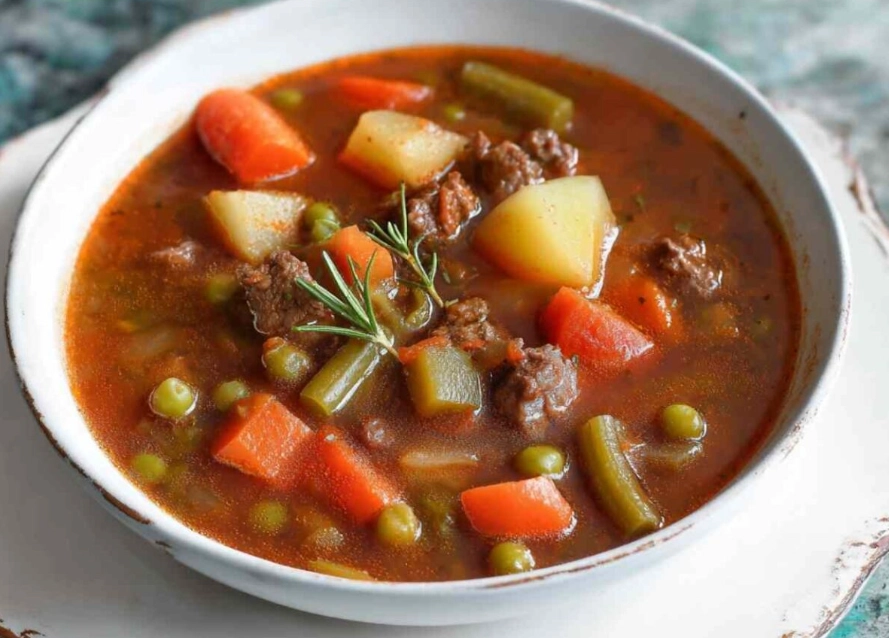
This isn't just any vegetable soup. It's the hearty, chunky, broth-rich kind that sticks to your ribs. The kind where the potatoes are tender but not mushy, the carrots still have a bit of bite, and the flavor is built from the ground up. No cream, no fancy purees. Just honest, straightforward goodness.
What's in This Guide
Why This Recipe Works (And Others Turn Out Watery)
Most slow cooker soup fails come down to two things: a bland, watery broth and vegetables that are either rock-hard or disintegrated into nothing. We're fixing both.
The secret isn't a secret ingredient—it's layering. You start by building a flavor base. Onions, celery, and garlic go in first. They're the aromatic foundation. Then you add the sturdy vegetables: potatoes and carrots. They need the long haul to become tender. The liquid isn't just water; it's a mix of broth and something with a bit of acidity and sweetness, like tomato sauce or even V8 juice, which a lot of old-school recipes use. That acidity helps keep the potatoes' texture in check and brightens the whole pot.
The slow cooker's gentle, steady heat is perfect for this. It coaxes out the vegetables' natural sugars without boiling them into submission. The result is a broth that tastes like it simmered for days, not like seasoned water.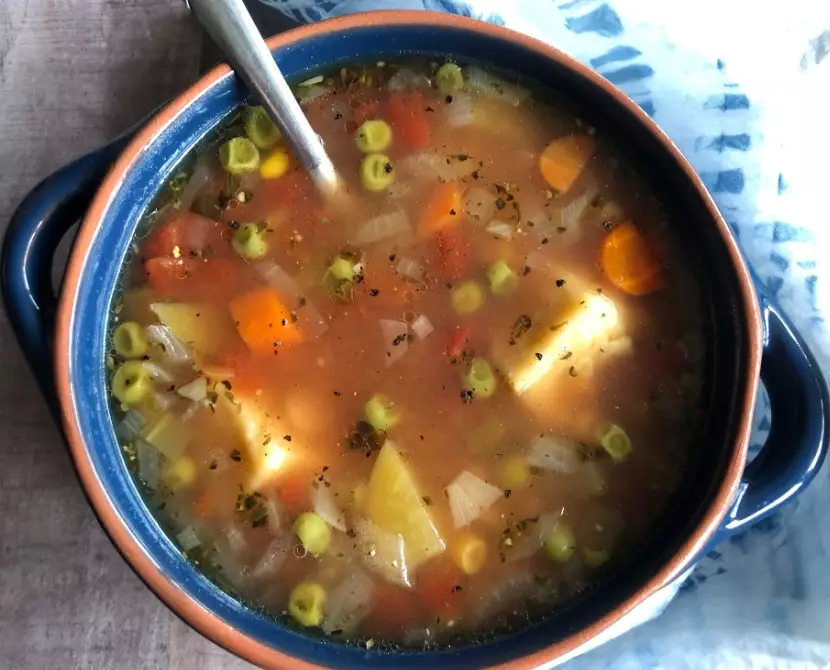
My Two Cents: I see recipes that dump everything in at once. Don't. If you add delicate ingredients like frozen peas or fresh green beans at the start, they'll be gray and lifeless by dinner. Timing matters, even in a "set-it-and-forget-it" appliance.
What You'll Need (And Smart Swaps)
This is a forgiving recipe. Here’s the core lineup, but your fridge is your guide.
| Ingredient | Role & Why It's Here | Solid Substitutions |
|---|---|---|
| Yukon Gold Potatoes (1-inch chunks) | The hearty backbone. They hold their shape beautifully and thicken the broth slightly as they cook. | Red potatoes, peeled russets (cut larger), or even sweet potatoes (add later). |
| Carrots & Celery | Classic soup aromatics and sweetness. They add necessary texture. | Parsnips, turnips, or more celery root if you're feeling adventurous. |
| Diced Tomatoes (canned) | Adds acidity, color, and a touch of sweetness. Essential for that "old fashioned" taste. | 2 tbsp tomato paste + extra broth, or a cup of tomato juice. |
| Beef or Vegetable Broth | The liquid foundation. Beef broth gives a deeper, richer flavor. | Chicken broth works fine. Use low-sodium to control salt. |
| Onion & Garlic | Non-negotiable flavor starters. Don't skip them. | Shallots, or 1/2 tsp onion powder in a pinch (fresh is better). |
| Green Beans & Corn (frozen) | For color, sweetness, and variety. Added late to stay vibrant. | Fresh green beans (trimmed), peas, lima beans. |
Herbs are key. A bay leaf is mandatory in my book. Dried thyme and oregano are the workhorses. Fresh parsley at the end makes everything pop. And don't forget the salt and pepper—season in layers. A little at the beginning, a good check and adjustment at the end.
The Step-by-Step Process: Set It and (Mostly) Forget It
This is the easy part. Total hands-on time is about 20 minutes.
1. Prep Your Vegetables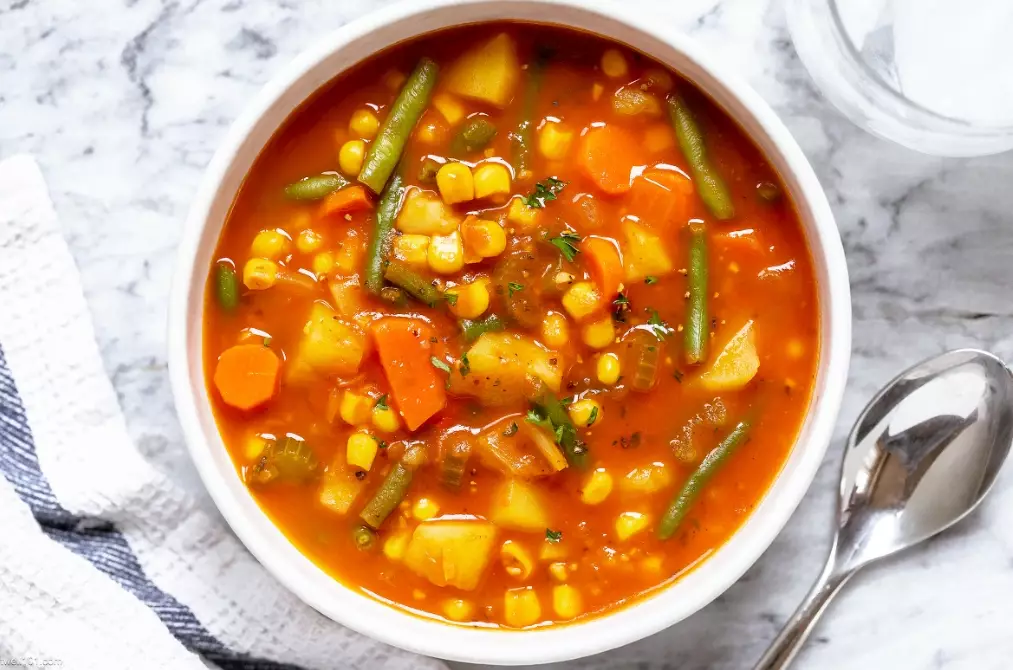
Chop the onion, celery, and carrots into similar-sized pieces—not too fine. You want spoons to catch them. The potatoes are the star. Cut them into hearty 1-inch chunks. I can't stress this enough. Tiny cubes will vanish into the soup. You want substantial pieces that soften but remain distinct. Mince the garlic.
2. Load the Slow Cooker
No need to sauté first (though you can for a deeper flavor). Just dump the onions, celery, carrots, potatoes, and garlic right into the pot. Add the canned tomatoes (with their juice), the broth, and your dried herbs (thyme, oregano, bay leaf). Give it one gentle stir to combine.
That's it. Lid on.
3. The Long Wait
Cook on LOW for 7-8 hours or on HIGH for 4-5 hours. Low is always better for soup. It gives the flavors more time to meld and is more forgiving on the vegetables.
About 30 minutes before you plan to eat, stir in the frozen green beans and corn. This is the crucial step most people miss. These veggies just need to heat through. Adding them now keeps their color bright and texture perfect. Discard the bay leaf.
4. The Final Touch
Taste. This is the most important step. Does it need more salt? Probably. A grind of black pepper? Absolutely. Stir in a big handful of chopped fresh parsley. It adds a fresh, green note that cuts through the richness.
Serve it steaming hot, maybe with a slice of crusty bread for dipping. That's it. Dinner is served.
Pro Tips & Tricks You Won't Find on the Back of a Can
- The Potato Principle: Waxy potatoes (Yukon Gold, Red) are your friends. If you only have russets, peel them and cut them even bigger—like 1.5-inch chunks. They're more starchy and prone to falling apart.
- Broth Boost: If your soup tastes a bit flat at the end, a splash of something acidic can wake it right up. A tablespoon of red wine vinegar, balsamic vinegar, or even a squeeze of lemon juice works miracles.
- Umami Hit: A teaspoon of soy sauce or Worcestershire sauce stirred in at the end doesn't make it taste Asian or like steak—it just adds a deep, savory layer that makes people ask, "What's your secret?"
- Thickening Without Flour: If you prefer a thicker broth, take a mug and scoop out about a cup of the soup, focusing on some potatoes and carrots. Use a fork to mash them into a paste, or carefully blend it with an immersion blender. Stir this slurry back into the pot. It thickens it naturally with the vegetables' own starch.
Storing, Freezing, and Reheating Like a Pro
This soup is arguably better the next day. Let it cool completely, then store it in airtight containers in the fridge for up to 5 days.
Freezing: It freezes beautifully for up to 3 months. Potatoes can sometimes get a little grainy after freezing, but in a chunky soup like this, it's barely noticeable. Thaw overnight in the fridge.
Reheating: Gentle is the key. Reheat on the stovetop over medium-low heat, stirring occasionally. The microwave works, but heat it in intervals and stir well to avoid cold spots. You may need to add a splash of water or broth when reheating, as it thickens upon standing.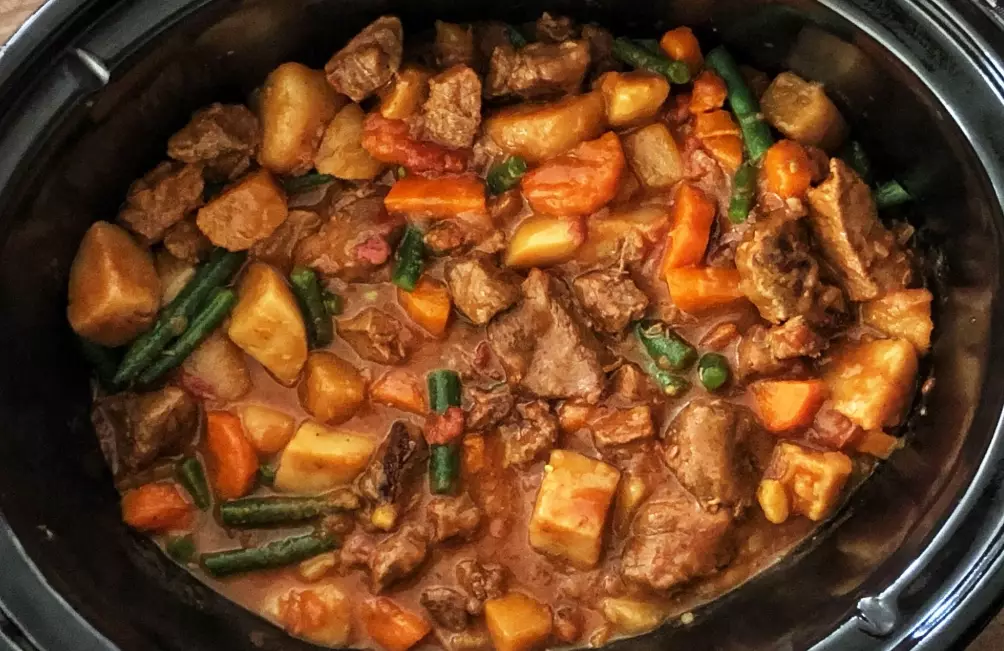
Your Questions, Answered
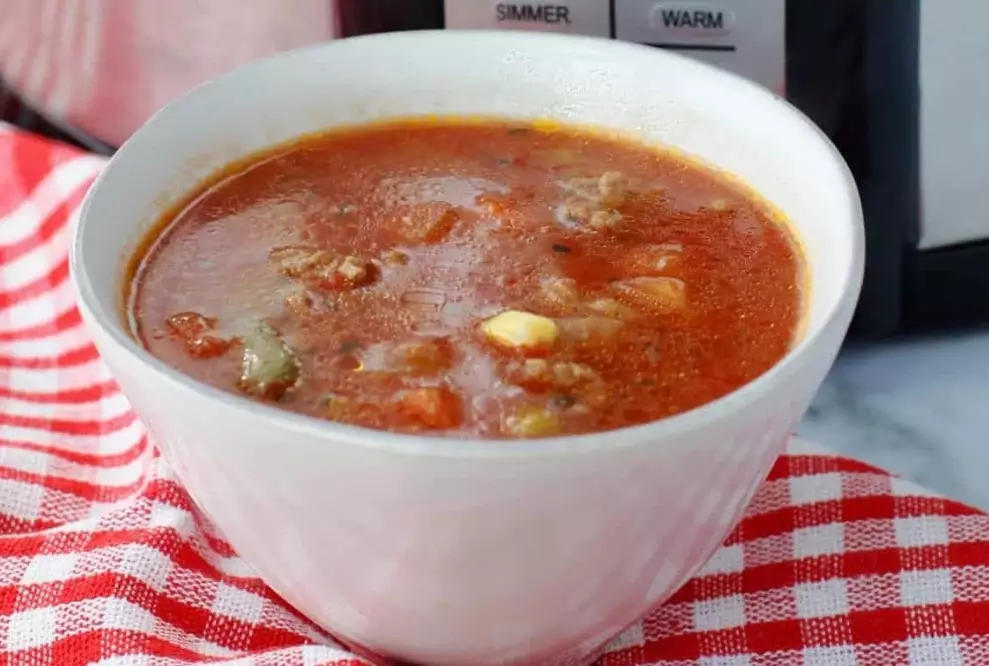 So there you have it. A pot of old fashioned vegetable soup with potatoes isn't just food; it's a solution. It's the answer to a busy day, a tight budget, and the simple need for something good and real. Your slow cooker does the heavy lifting. You get to take all the credit.
Reader Comments