Quick Guide
- Why This Method Works (And When to Use It)
- Selecting Your Ribeye: The First Critical Step
- The Non-Negotiable Pre-Cook Step: The Sear
- The Foundation: My Go-To Easy Crockpot Ribeye Recipe
- Beyond the Basics: Flavor Variations & Serving Ideas
- Fixing Common Problems & Answering Your Questions
- The Tool Talk: Does Your Slow Cooker Matter?
- Let's Talk Leftovers (They Might Be the Best Part)
- The Final Verdict
Let's be honest. The idea of throwing a beautiful, marbled ribeye steak into a slow cooker feels a little bit like culinary blasphemy. I thought the same thing for years. Ribeye is the king of steaks, meant for searing over screaming hot flames, right? That's what I believed until a particularly chaotic week left me with a gorgeous steak thawed in the fridge and zero time or energy to babysit it on the grill.
Out of sheer desperation, I tossed it in the crockpot with a few humble ingredients. What came out hours later wasn't just good—it was a revelation. The fat had rendered into pure silk, the meat fell apart with a gentle nudge from a fork, and the flavor was deeper and more beefy than I'd ever achieved with fast cooking. This wasn't a substitute for a grilled steak; it was a completely different, utterly magnificent dish. And it was easy. That's the real magic of an easy crockpot ribeye.
If you're skeptical, I get it. But if you've ever ended up with a tough, chewy steak (we've all been there), or if you just want a guaranteed, hands-off way to get restaurant-level tenderness at home, this method is your secret weapon.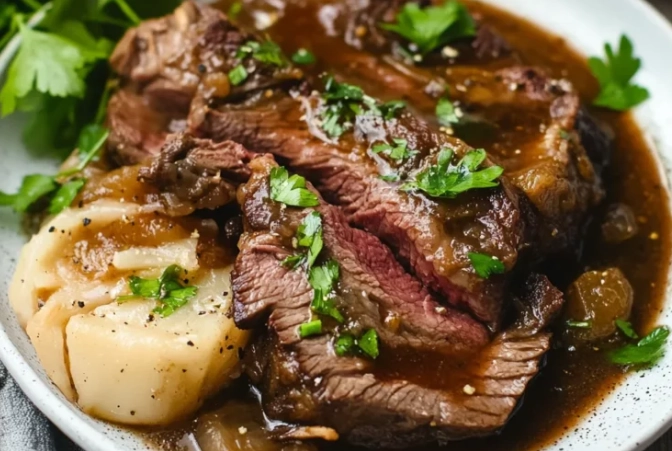
The Core Idea: Slow cooking transforms the tough connective tissue in even the most luxurious cuts into rich, unctuous gelatin. For a ribeye, with its glorious cap of fat and intense marbling, this process creates a texture that's simply impossible to replicate with any other cooking method. It's less about searing and more about braising in its own glorious juices.
Why This Method Works (And When to Use It)
Not every dinner situation calls for a slow-cooked ribeye. Understanding the "why" and "when" will make you a smarter cook.
Grilling gives you a crusty exterior and a rosy, juicy interior—it's a celebration of the steak's natural state. An easy crockpot ribeye recipe is about deep transformation. The long, moist heat breaks down collagen relentlessly, resulting in a steak that's uniformly tender from edge to edge. The flavor profile shifts too. It becomes more savory, more "stew-like" in the best possible way, absorbing the flavors you cook it with.
So, when should you choose the crockpot?
- For Guaranteed Tenderness: Even cheaper, less-marbled ribeyes become sublime. It's a foolproof barrier against toughness.
- For Meal Prepping: Cook a large roast (a ribeye roast works perfectly) and use the shredded meat for steak sandwiches, salads, or tacos all week.
- For a Hands-Off, Fancy-ish Weeknight Meal: Set it in the morning, come home to a house smelling amazing and a dinner that's essentially done.
- When Feeding a Crowd: It's easier to manage timing and keep meat warm without overcooking.
When should you stick to the grill or pan? When you're craving that classic, crisp-on-the-outside, medium-rare-on-the-inside experience. They're different beasts. This guide is for embracing the slow-cooked beast.
Selecting Your Ribeye: The First Critical Step
You can't make a great easy slow cooker ribeye steak with a subpar cut. But "great" here has a slightly different definition.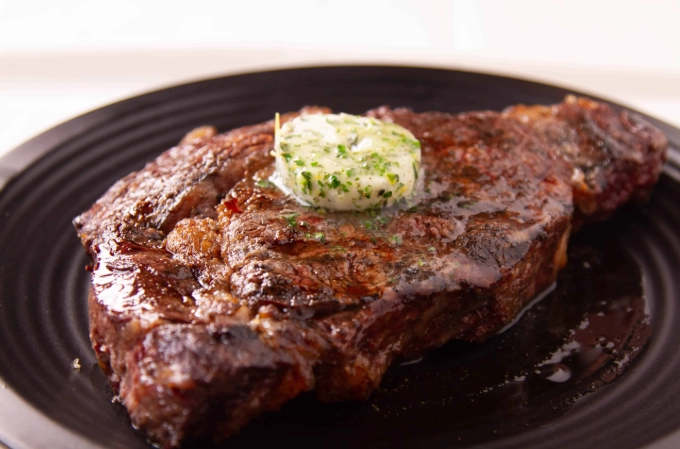
Thickness is Your Friend
Forget the thin-cut steaks. You want a thick ribeye, at least 1.5 inches, but 2 inches or more is ideal. A ribeye roast (bone-in or boneless) is actually the ultimate candidate. The thicker cut withstands the long cooking without becoming mushy. Thin steaks will just disintegrate.
Marbling Still Matters (But Differently)
That beautiful white fat webbing isn't just for flavor during a quick cook. In the crockpot, that fat slowly melts and bastes the meat from the inside out for hours. More marbling equals more self-basting, leading to a richer, more luxurious final product. Don't shy away from a fatty-looking steak for this purpose.
Bone-In vs. Boneless
This is mostly personal preference. The bone will add a subtle depth of flavor to the cooking liquid. A boneless ribeye roast or steak is easier to slice and shred after cooking. You really can't go wrong. I often use boneless for convenience, but if I'm making a special occasion pot roast style dish, I go for the dramatic presentation of a bone-in roast.
| Cut to Look For | Why It Works for Crockpot | Watch Out For |
|---|---|---|
| Thick-Cut Ribeye Steak (1.5"+) | Holds its structure, won't overcook to mush quickly. | Very thin "minute" steaks—they'll turn to stringy shreds. |
| Ribeye Roast (aka Prime Rib Roast) | The absolute best. Perfect size, fantastic marbling, feeds a crowd. | Price. It's an investment, but the yield is huge. |
| Bone-In Ribeye | Bone adds flavor, looks impressive for a pot-roast presentation. | Can be trickier to slice neatly after cooking. |
The Non-Negotiable Pre-Cook Step: The Sear
Here's the biggest mistake people make: skipping the sear. I know, the appeal of the easy crockpot ribeye is dumping and going. But trust me, five minutes with a hot pan will elevate your dish from "good slow-cooked meat" to "spectacular."
Why sear? It's not just for color. The Maillard reaction (that beautiful browning) creates hundreds of new, complex flavor compounds on the surface of the meat. When you add that seared steak to the crockpot, those flavors slowly seep into the cooking liquid and back into the meat. It adds a crucial layer of savory, roasted depth that pure boiling or steaming just can't provide.
My method is simple: Pat the steak bone-dry with paper towels. This is key for a good sear. Season heavily with salt and pepper. Get a skillet (cast iron is best) screaming hot with a tablespoon of high-smoke-point oil (avocado, grapeseed). Sear the steak for 2-3 minutes per side, including the edges if you can, until you have a deep, brown crust. Don't move it around—let it sit and caramelize. That's it. Now it's ready for the slow cooker.
Some days, I'll admit, I don't sear. When I'm truly in a rush. And the difference is noticeable. The steak is still tender, but the flavor is flatter, one-dimensional. It tastes boiled. The sear makes it taste roasted.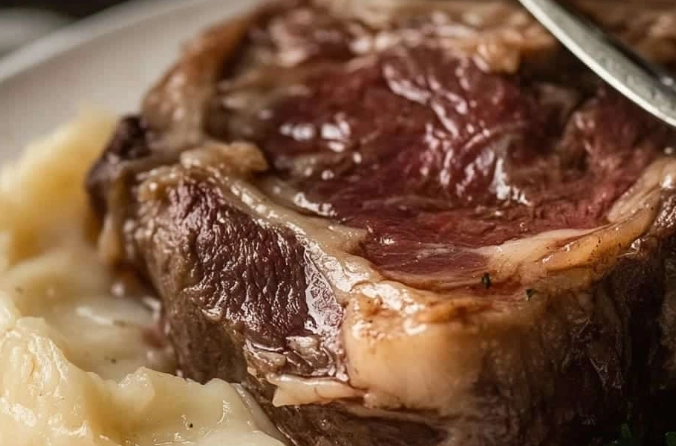
The Foundation: My Go-To Easy Crockpot Ribeye Recipe
This is the blueprint. It's simple, almost minimalist, to let the beef shine. You can fancy it up in a million ways (and I'll give you ideas later), but master this base first.
The "Set It and Basically Forget It" Ribeye
What You'll Need:
- 1 thick-cut ribeye steak or small ribeye roast (2-3 lbs), patted dry and seared.
- 1 large yellow onion, sliced.
- 4-5 cloves garlic, smashed (no need to chop finely).
- 1 cup beef broth (low sodium is best).
- 2-3 sprigs fresh thyme or 1 tsp dried.
- 1 tablespoon Worcestershire sauce.
- Salt and black pepper.
What You'll Do:
- Place the sliced onions and garlic in the bottom of your crockpot. This creates a flavorful trivet that keeps the steak out of direct contact with the hot bottom.
- Pour in the beef broth and Worcestershire sauce.
- Place the seared ribeye on top of the onions. Sprinkle the thyme over it. Season lightly with a bit more salt and pepper (remember, you seasoned before searing).
- Cooking Time: This is vital. On LOW for 6-8 hours. High heat will make the muscle fibers tense up and get tough, even in a slow cooker. Low and slow is the law here. The steak is done when it's fork-tender and easily pulls apart. For a 2-inch steak, check at 6 hours. A roast may need the full 8.
- Rest and Serve: Carefully remove the steak to a cutting board. Let it rest for 10 minutes. This allows the juices, which are super loose from the long cook, to redistribute slightly. Slice against the grain or shred with forks.
- The Sauce (Optional but Recommended): You have incredible jus in the pot. Pour it through a strainer into a fat separator or a measuring cup. Skim off the excess fat (or leave it for richness!). You can reduce it in a saucepan for a thicker gravy, or just serve it as-is. It's liquid gold.
See? The process for an easy crockpot ribeye is straightforward. The magic is in the wait.
Beyond the Basics: Flavor Variations & Serving Ideas
Once you've got the basic method down, the world is your oyster. The crockpot is a blank canvas.
Global Twists
- Italian Style: Use red wine instead of half the broth, add a can of crushed tomatoes, oregano, and rosemary. Serve over polenta or with crusty bread.
- Mexican Inspired: Substitute beef broth with chipotle peppers in adobo sauce (2 peppers + sauce) and a cup of water. Add cumin and oregano. Shred for incredible tacos or burrito bowls.
- French Bistro: Add a cup of sliced mushrooms with the onions. Use red wine and a tablespoon of tomato paste. Finish the sauce with a knob of butter for a rich, silky finish.
How to Serve Your Masterpiece
This isn't a plate-with-a-side-of-broccoli kind of steak (though that works!). Think of it as a pot roast's more elegant cousin.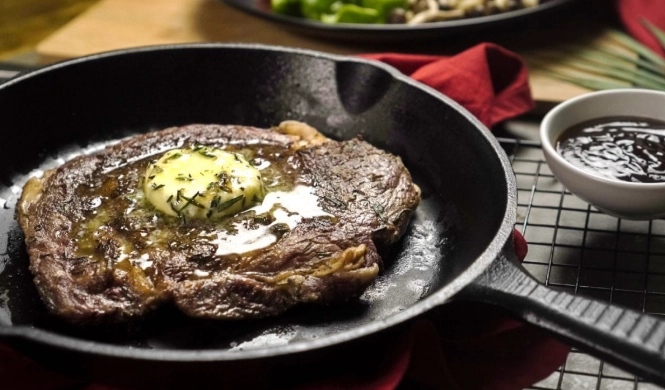
- The Classic Plate: Slices of the easy slow cooker ribeye steak over mashed potatoes (parsnip or cauliflower mash are great too), drowned in the rich jus, with roasted carrots or glazed pearl onions on the side.
- Sandwich Heaven: Shred the meat, pile it high on a toasted hoagie roll with provolone cheese, and broil until melted. Dip in the jus.
- Salad Topper: Shredded cold ribeye over a robust salad of bitter greens (arugula, radicchio), blue cheese, walnuts, and a sharp vinaigrette is a next-level lunch.
- Breakfast Hash: Chop up leftovers and fry with diced potatoes, onions, and peppers. Top with a fried egg.
Fixing Common Problems & Answering Your Questions
The Tool Talk: Does Your Slow Cooker Matter?
A little. Older, simpler models often run hotter, even on low. Newer digital models with programmable timers and precise temperature controls are more reliable. If you're serious about your easy crockpot ribeye endeavors, consider an upgrade to one with a locking lid (for transport) and a programmable "keep warm" function. But honestly, my first successful one was made in a $20 basic model from a decade ago. The technique matters more than the gadget.
One pro-tip: Resist the urge to open the lid during cooking. Every peek releases a huge amount of heat and steam, adding 15-20 minutes to your cooking time. Trust the process.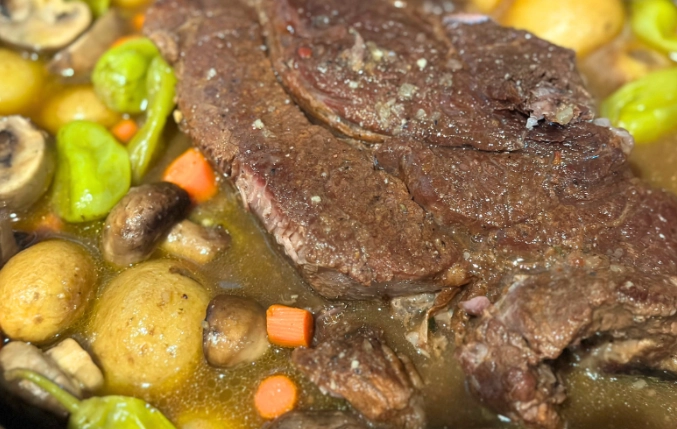
Let's Talk Leftovers (They Might Be the Best Part)
This method often yields a large amount of food, and the flavor intensifies overnight. Store the shredded or sliced meat in its juices in an airtight container in the fridge for up to 4 days. It also freezes beautifully for up to 3 months. The versatility of the leftovers is a huge selling point. That one easy crockpot ribeye roast can become three completely different meals throughout the week.
The Final Verdict
So, is the easy crockpot ribeye worth it? Absolutely. It democratizes a premium cut of beef, turning it into a foolproof, convenient, and spectacularly tender meal. It solves the problem of tough steak permanently. It fits into a busy life without sacrificing flavor or quality.
It won't replace a perfectly grilled ribeye on a summer evening. But it carves out its own special place—as a comforting, luxurious, and incredibly easy centerpiece for a family dinner or a week of amazing meals. The next time you see a ribeye on sale, don't just think of the grill. Think of your crockpot, and the effortless, melt-in-your-mouth masterpiece waiting to happen.
Give it a try. You might just be as converted as I was.
Reader Comments