Quick Navigation
Let's be honest, the classic shepherd's pie is a weekend project. Browning meat, simmering gravy, boiling and mashing potatoes, then the final bake in the oven... it's a labor of love that leaves you with a pile of dishes. But what if I told you there's a way to get that same deep, comforting flavor with about 20 minutes of active work? That's the magic of asking: can I make shepherd's pie in a slow cooker?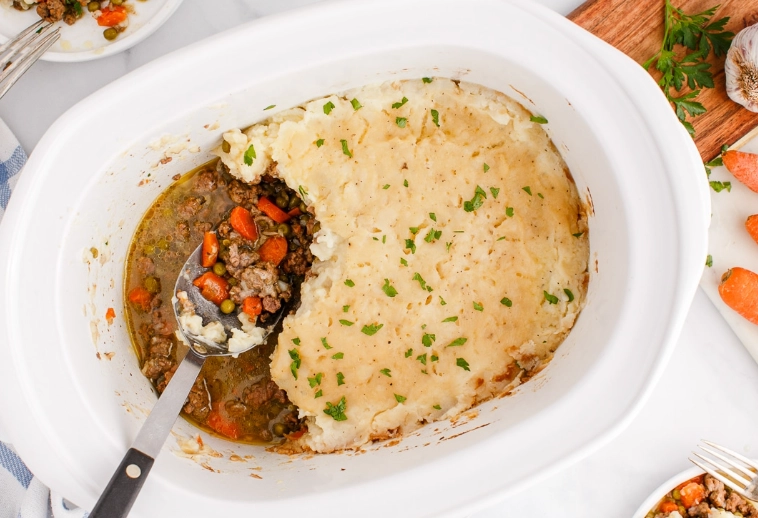
The short answer is absolutely, and it might just become your new favorite method. I was a skeptic too. I thought the potato topping would turn into a soggy mess, or the filling would be watery. My first attempt was... educational. Let's just say I learned the hard way about draining vegetables. But after tweaking the method, I found a way that delivers incredible flavor with almost zero fuss. It's perfect for busy weeknights, for prepping meals ahead, or for when you just don't want to heat up the whole kitchen with the oven.
The Big Picture: Making shepherd's pie in a slow cooker isn't just about dumping everything in and hoping for the best. It's a slightly different technique that prioritizes building flavor in layers and managing moisture. The result is a uniquely tender, deeply infused meal that's different from, but just as satisfying as, the baked version.
Why Even Bother? Slow Cooker vs. Traditional Baking
Before we dive into the how, let's talk about the why. Is it worth changing a tried-and-true method? For certain situations, 100%. Here’s a breakdown of why you might want to make shepherd's pie in a slow cooker.
| Aspect | Traditional Oven Method | Slow Cooker Method |
|---|---|---|
| Active Cooking Time | High (constant stirring, monitoring) | Very Low (mostly prep) |
| Hands-Off Time | Low (needs occasional checking) | Extremely High (set and forget) |
| Flavor Development | Concentrated, caramelized flavors | Deep, melded, slow-cooked flavors |
| Texture | Crispy potato topping, thick filling | Soft, creamy topping, stew-like filling |
| Kitchen Heat | Heats up the whole kitchen | Contained, minimal heat |
| Best For | Weekend dinners, impressing guests | Weeknights, meal prep, busy days |
See the trade-off? You lose that crispy, golden-brown potato crust (though I'll show you a trick to get something close). In return, you gain hours of freedom and a different kind of deliciousness where the lamb (or beef), vegetables, and gravy have really gotten to know each other. If your goal is a spectacular centerpiece, use the oven. If your goal is a soul-warming, no-stress meal that practically cooks itself, then yes, you can make shepherd's pie in a slow cooker, and you should.
The Core Method: How to Actually Do It
There are two main schools of thought here, and your choice depends on how much you want to do upfront versus at the end.
Method 1: The Full Monty (Everything in the Pot)
This is the true one-pot wonder. You layer the raw meat and vegetable filling in the bottom, then carefully spread the raw mashed potato on top. The heat circulates, cooking everything together. The risk? Potatoes sinking into the filling. The trick is to make your mashed potato mixture very stiff – use less milk or cream than usual. Spoon it on gently in dollops and then smooth it out, creating a seal at the edges. It works, but it requires a confident touch.
I prefer this method for its sheer simplicity. You get a unified, homey dish. The potatoes steam and cook through, absorbing some of the savory juices from below. It’s comforting in a different way.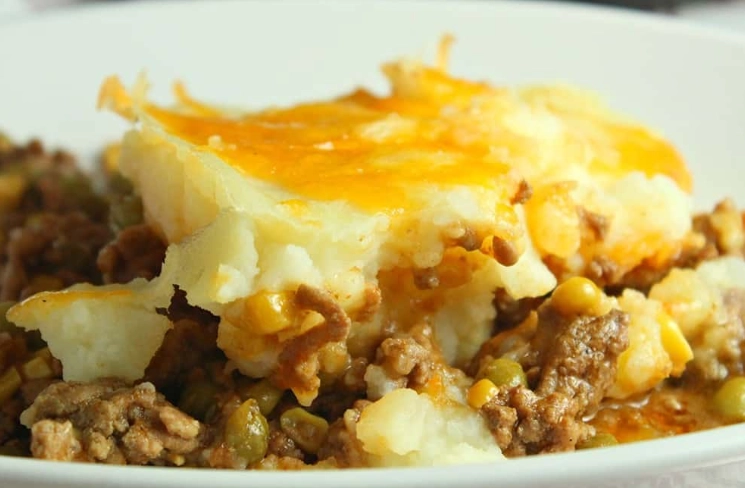
Method 2: The Hybrid (Cook Filling, Add Topping Later)
This is my recommended method for beginners. You cook the meat and vegetable filling in the slow cooker for 5-6 hours on Low. About 30-60 minutes before serving, you spread the already cooked mashed potatoes over the top, put the lid back on, and let it heat through. Some people even transfer it to a broiler-safe dish and pop it under the broiler for a few minutes to brown the top.
Critical Tip: If you choose the hybrid method, make sure your mashed potatoes are hot when you add them. Adding cold mashed potatoes to a hot filling will drastically cool everything down and extend your cooking time unnecessarily.
This method gives you more control. You can make the potatoes your favorite way (with plenty of butter and cream, since they won't sink) and you guarantee a perfect filling consistency. It answers the question "can I make shepherd's pie in a slow cooker?" with a flexible "yes, and here's how to customize it."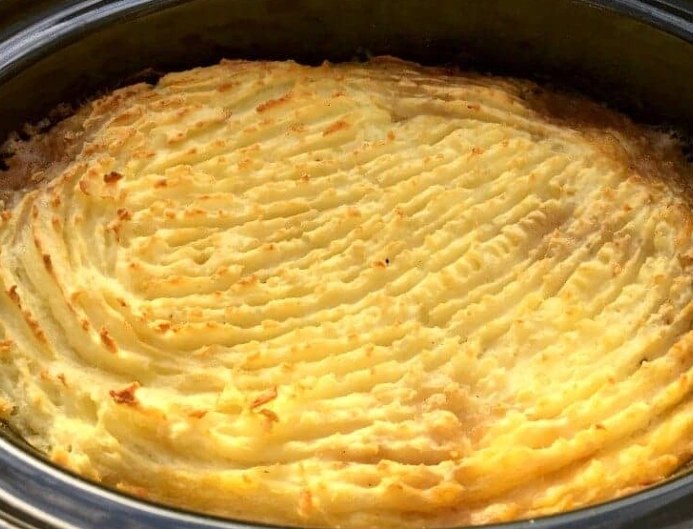
The Step-by-Step Recipe (Hybrid Method)
Here’s my go-to recipe. It’s forgiving, packed with flavor, and solves the common moisture problem.
For the Filling:
- 1.5 lbs ground lamb or beef (I prefer lamb for authenticity, but beef is great too. A mix is fantastic).
- 1 large onion, finely diced
- 2-3 carrots, diced (not too fine, or they'll disappear)
- 2 celery stalks, diced
- 3 cloves garlic, minced
- 2 tbsp tomato paste
- 1 tbsp Worcestershire sauce
- 1 cup beef or chicken stock (use a good one, it matters)
- 1 tbsp flour or cornstarch (the secret weapon for thickness)
- 1 cup frozen peas (added at the end!)
- Fresh rosemary & thyme, salt, pepper
For the Topping:
- 2.5 lbs russet or Yukon Gold potatoes, peeled and chopped
- 4 tbsp butter
- 1/4 to 1/2 cup warm milk or cream
- Salt, white pepper, a pinch of nutmeg if you're feeling fancy
The Process:
- The One Pan Start (Optional but Recommended): I know, it's an extra pan. But for the best flavor, take 10 minutes to brown your meat in a skillet. Drain excess fat. Sauté the onions, carrots, and celery for 5-6 minutes until they just start to soften. Add the garlic and tomato paste, cook for another minute. This "fond" (the brown bits) is flavor gold. Deglaze the pan with a splash of the stock, scraping it all up. This step elevates your slow cooker dish immensely. If you truly want zero pans, you can skip it—just add everything raw to the cooker. The flavor will be milder.
- To the Slow Cooker: Transfer the meat and veg mixture to your slow cooker. Sprinkle the flour over it and stir well. This is crucial for thickening the gravy in the moist environment. Add the Worcestershire sauce, herbs, and the remaining stock. Stir.
- The Long Wait: Cook on LOW for 5-6 hours. Do not cook on High for half the time; the slow simmer is what makes the magic. About 30 minutes before it's done, stir in the frozen peas.
- Potato Time: While the filling cooks, boil your potatoes until tender. Drain well and mash with butter, warm milk, and seasoning until smooth and creamy. Cover and keep warm.
- The Union: Taste the filling and adjust seasoning. It should be thick and rich. If it's too thin, mix a tablespoon of cornstarch with two tablespoons of cold water, stir it into the filling, and let it cook on High for 15 minutes. Spread the warm mashed potatoes evenly over the hot filling.
- The Finish: Cover and cook on High for another 30-45 minutes, just to heat the potatoes through. For a browned top, carefully spoon portions into oven-safe bowls and broil for 2-3 minutes, or use a kitchen torch if you have one.
That's it. The hardest part is waiting while your house fills with an amazing smell.
Troubleshooting: Solving Common Slow Cooker Pie Problems
Even with a guide, things can go sideways. Here’s how to fix them.
Problem: Watery, soupy filling.
Cause: Vegetables (especially mushrooms, fresh tomatoes) release a lot of water. Not using a thickener.
Fix: The flour/cornstarch in the recipe is your first defense. If it's still too thin at the end, remove the lid and let it cook on High for 30-60 minutes to evaporate liquid. Or, use a slotted spoon to remove the solid filling, pour the juices into a saucepan, and reduce it on the stove until thickened, then mix back in.
Problem: Gray, bland-looking meat.
Cause: Skipping the browning step. Meat steamed in a slow cooker doesn't brown.
Fix: Seriously, take the 10 minutes to brown it first. The Maillard reaction (that browning) creates hundreds of flavor compounds you just can't get from boiling or steaming. It's the difference between a good dish and a great one.
Problem: Gluey or gummy potato topping.
Cause: Over-mashing the potatoes (releases too much starch) or using a starchy potato variety and overworking it.
Fix: Use a ricer or food mill for the smoothest mash without overworking. Yukon Golds are more forgiving than Russets. And ensure your topping is thick when applied.
So, if you've ever had a disaster and asked yourself, "can I make shepherd's pie in a slow cooker without it turning into a swamp?" – these fixes are your answer.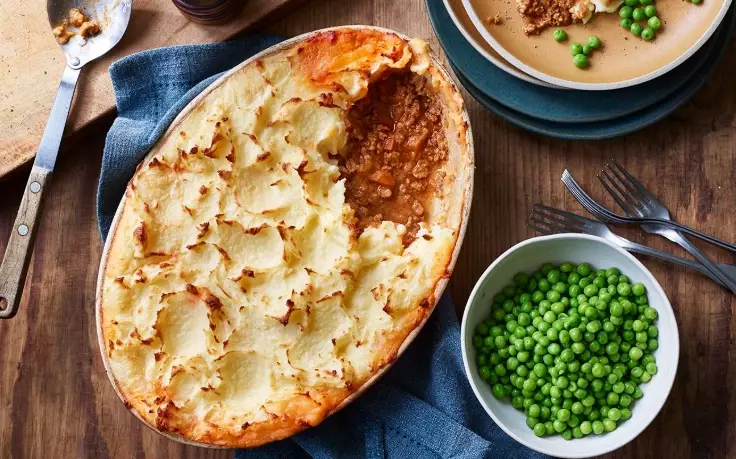
Frequently Asked Questions (The Stuff You Really Want to Know)
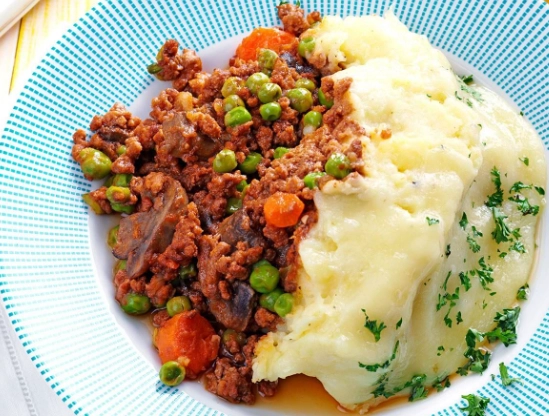
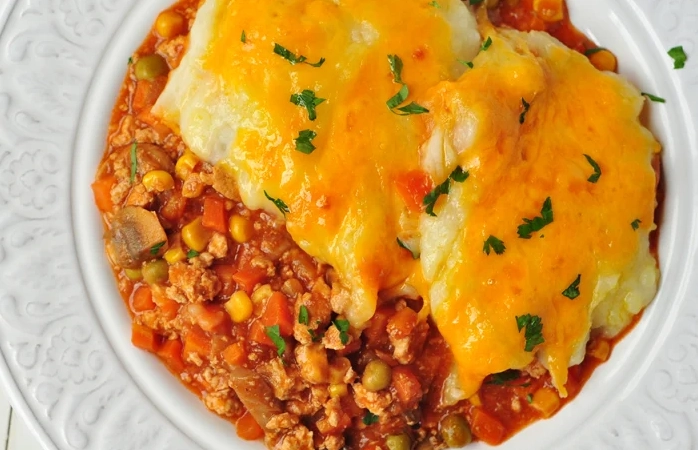
A Personal Note: I'll admit, my first slow cooker shepherd's pie was a letdown. I didn't brown the meat, I didn't thicken the filling, and I used soupy mashed potatoes. The result was a flavorless, beige lagoon with islands of potato. It almost put me off the idea forever. But understanding the why behind each step—the browning for flavor, the flour for texture, the stiff potatoes for structure—completely transformed it. Now, it's a cold-weather staple in my house. The lesson? Don't just follow a recipe; understand the principles. Then you can make shepherd's pie in a slow cooker, or anything else, with confidence.
Final Verdict: Should You Do It?
Look, the traditional oven-baked shepherd's pie is a classic for a reason. That crispy, buttery potato crust is divine. But life isn't always about the classic, perfect weekend project. Sometimes it's about getting a deeply satisfying, nourishing meal on the table with minimal effort on a Tuesday.
So, can I make shepherd's pie in a slow cooker? You absolutely can. It requires a slight mindset shift—embracing soft, creamy comfort over crispy texture, and valuing time and convenience as key ingredients. It's a different expression of the same comforting idea.
Give the hybrid method a try first. Brown your meat. Use that thickener. Make your potatoes creamy and delicious. You'll end up with a pot of comfort that proves you don't need to slave over a stove to feed yourself or your family something truly good. That’s a win in my book.
And honestly, once you master it, you’ll start wondering what other “oven-only” dishes you can adapt. The slow cooker is more versatile than we often give it credit for. It’s not just for soups and pulled pork. It’s for reimagining comfort food on your own, less hectic terms.
Reader Comments