Let's cut to the chase. If your vegetarian diet revolves around quick-cooking veggies, salads, and tofu scrambles, a slow cooker might seem like an odd fit. A relic for pot roasts, right? I thought the same for years. Then, during a particularly busy winter, a friend left hers at my place. What followed wasn't just a few soups—it was a complete shift in how I handled my plant-based kitchen staples. So, is it worth getting a slow cooker if you're vegetarian? For most, yes, absolutely, but not for the reasons you might expect. It's less about convenience (though that's huge) and more about unlocking the potential of ingredients that otherwise demand your attention.
Your Quick Guide to Slow Cooker Veg Life
Why a Slow Cooker is a Vegetarian Power Tool (Beyond Soup)
Forget the "set it and forget it" tagline for a second. The real magic for vegetarians is in the texture and transformation.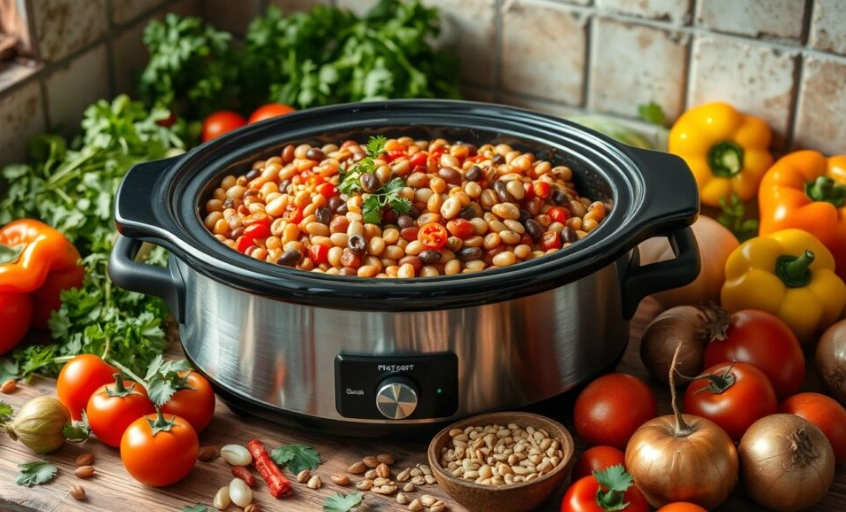
1. The Bean and Legume Game Changer
This is the number one reason. Cooking dried beans on the stovetop is a gamble. They boil over, cook unevenly, and you're tied to the kitchen. A slow cooker makes perfect, creamy chickpeas, black beans, and lentils foolproof. You get superior texture and flavor compared to canned, at a fraction of the cost. According to the USDA Economic Research Service, dry beans are significantly cheaper per serving. A slow cooker lets you capitalize on that economy, batch-cooking beans to freeze.
I've had stovetop lentils turn to mush while others stayed hard. In the slow cooker, they just become uniformly tender. It's reliable.
2. The Unseen Meal Prep Hero
Your slow cooker isn't just for finished meals. Use it to prep components while you work, sleep, or are out for the day.
3. Energy and Flavor Concentration
Slow, low heat does something beautiful to vegetables. It gently breaks them down, melding flavors in a way rapid boiling can't. Roots like carrots, potatoes, and beets become incredibly sweet and tender. Squashes collapse into a velvety base for soups. This method extracts and concentrates flavor, often needing less salt and fat to taste deeply satisfying.
It's also an energy-efficient way to cook, using less electricity than a standard oven, which matters if you're batch-cooking for the week.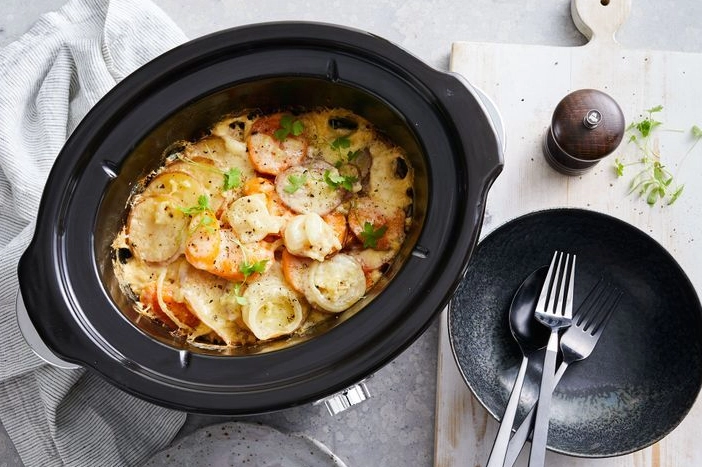
How to Maximize Your Vegetarian Slow Cooker
To avoid a pot of bland mush, you need a different approach than meat-based recipes.
The Vegetarian Slow Cooker Pantry
Keep these staples on hand:
Foundations: Dried beans (all kinds), lentils (brown, green, red), split peas, barley, quinoa, steel-cut oats.
Flavor Builders: Canned tomatoes (diced, crushed, paste), vegetable broth (low-sodium), coconut milk, tamari or soy sauce, miso paste, dried mushrooms.
Aromatics & Veg: Onions, garlic, carrots, celery, potatoes, sweet potatoes, winter squash, bell peppers (add later).
A Critical Technique Most Recipes Get Wrong
Don't just dump everything in. Layer by cooking time. Hard, dense vegetables (potatoes, carrots) go on the bottom, near the heat source. Softer items (zucchini, peas, spinach) should be added in the last 30-60 minutes. This prevents everything from becoming a homogenous, overcooked blob.
And here's my non-consensus tip: Don't skip the sauté. Yes, you can just throw raw onions in. But taking 10 minutes to sauté onions, garlic, and spices in a pan until fragrant and slightly caramelized before adding them to the pot adds a depth of flavor that raw ingredients simmering for hours simply cannot achieve. It's the difference between a good soup and a great one.
The Verdict: Is It Really Worth the Investment?
Let's break it down honestly.
The Case FOR a Vegetarian Slow Cooker:
- Makes cooking from dried beans and legumes effortless and perfect.
- Fantastic for hands-off meal prep of staples and components.
- Ideal for making large batches of soups, stews, chilis, and curries.
- Energy-efficient and safe to leave unattended.
- Great for entertaining—make a big dip or chili without stove space.
The Case AGAINST (or When to Skip It):
- If your diet is 90% fresh salads, raw foods, and quick sautéed greens, it will gather dust.
- It won't help with weeknight stir-fries or most tofu dishes.
- Some models have hot spots that can burn tomato-based sauces if not watched.
- It requires a bit of planning. You can't decide at 6 PM to use it for dinner that night.
My take? If you eat beans, lentils, or enjoy having prepared soups and grains on hand, a basic model (often under $50) is one of the most cost-effective kitchen investments you can make. It pays for itself in saved money on canned beans and takeout alone. Start with a 4 or 6-quart model with simple manual controls—they're often more reliable than fancy digital ones.
Getting Started: Simple Vegetarian Slow Cooker Ideas
Don't overthink it. Here are three dead-simple templates.
The Ultimate Lentil Soup: Sauté 1 onion, 2 carrots, 2 celery stalks (chopped). Add to pot with 1 cup brown lentils, 4 cups broth, 1 can diced tomatoes, 2 bay leaves. Low for 6-8 hours. Finish with a splash of vinegar and spinach.
"No-Stir" Steel-Cut Oats: 1 cup steel-cut oats, 4 cups water/milk, a pinch of salt. Low for 7-8 hours (overnight). Wake up to perfect oatmeal.
Basic Black Beans for Freezing: 1 lb dried black beans (rinsed, no need to soak), 1 chopped onion, 4 cloves garlic, 1 tsp cumin, 6 cups water. High for 6-7 hours. Salt at the end. Portion and freeze.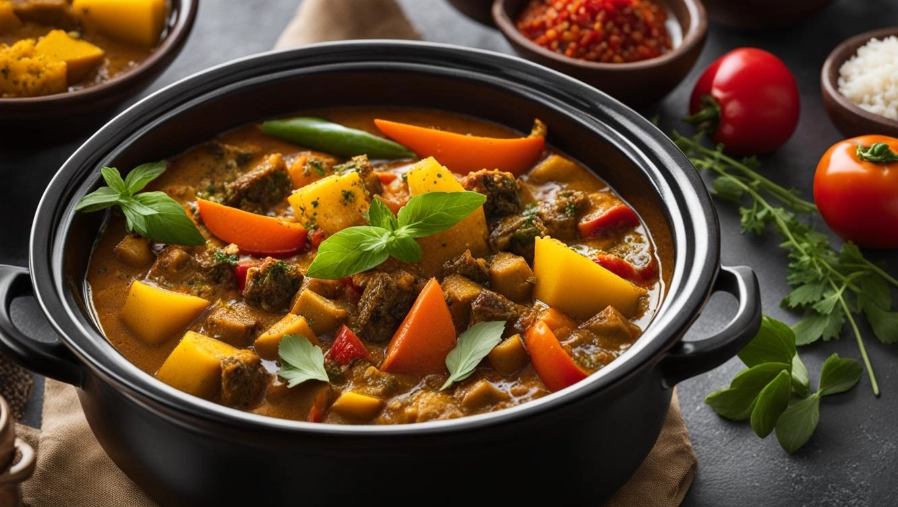
Your Slow Cooker Questions Answered
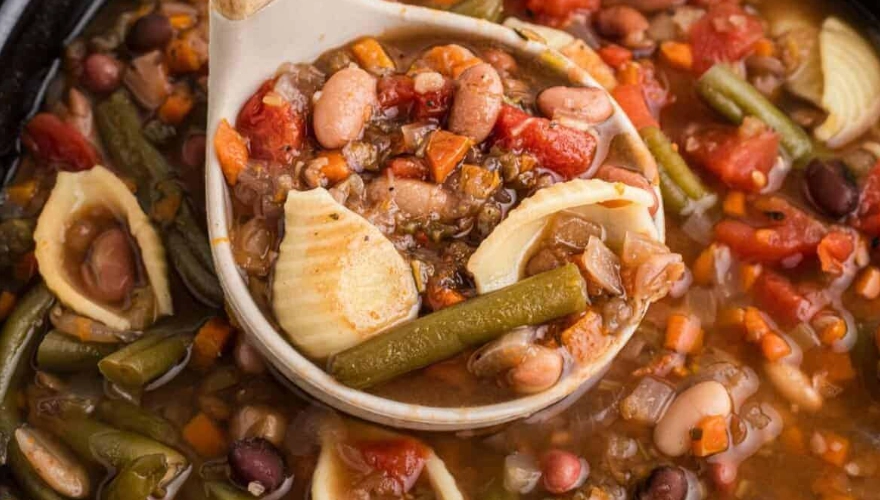 Can I make more than just soups and stews in a vegetarian slow cooker?
The bottom line? A slow cooker isn't a necessity for a vegetarian kitchen, but it's a powerful enabler. It shifts your focus from last-minute cooking to strategic, passive preparation. It makes the humble, nutritious backbone of a plant-based diet—beans, lentils, whole grains—utterly effortless. For the price of a few takeout meals, it offers a return in savings, convenience, and culinary consistency that makes it, in my book, thoroughly worth it.
Reader Comments