Your Chili Mac Roadmap: Quick Navigation
- Why a Crockpot for Chili Mac? It's More Than Just Convenience
- Building Your Flavor Foundation: Ingredients That Matter
- The Foolproof, Step-by-Step Guide to Perfect Crockpot Chili Mac
- Customize Your Bowl: Endless Variations on a Theme
- Answering Your Crockpot Chili Mac Questions (The FAQ)
- Beyond the Recipe: Tips from a Seasoned Home Cook
Let's be honest, some days you just want dinner to make itself. You're juggling work, maybe kids, a hundred different things, and the last thing you need is a sink full of pots and pans. That's where this Crockpot chili mac with beans comes in. It's not just another recipe; it's a lifesaver. I've been making variations of this for years, ever since I realized my slow cooker could do more than just pot roast. It combines the heartiness of a good chili with the cozy, carb-loaded comfort of mac and cheese, all while being stupidly easy. No fancy techniques, no obscure ingredients—just good food that feels like a hug in a bowl.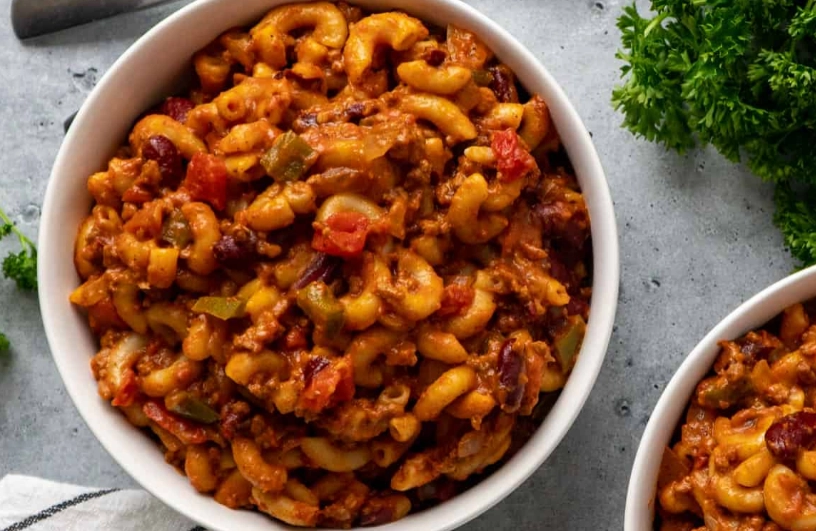
But here's the thing I learned the hard way: not all slow cooker recipes are created equal. Some turn your pasta to mush, others leave the flavors bland and underwhelming. After more than a few underwhelming batches (one was so bad even the dog was skeptical), I figured out the secrets. This guide is everything I wish I'd known back then. We're going beyond the basic "dump and go" to talk about how to actually make a Crockpot chili mac with beans that has perfect texture, deep flavor, and maybe even becomes your new signature dish.
Why a Crockpot for Chili Mac? It's More Than Just Convenience
Sure, you could make this on the stovetop. But the slow cooker does something magical. It's not just about hands-off cooking; it's about flavor development. The long, gentle heat coaxes out the sweetness of the onions and peppers, melds the spices together into something more complex, and tenderizes the meat (if you're using it) to fall-apart perfection. It turns a simple list of ingredients into a cohesive, rich stew where every bite is consistent.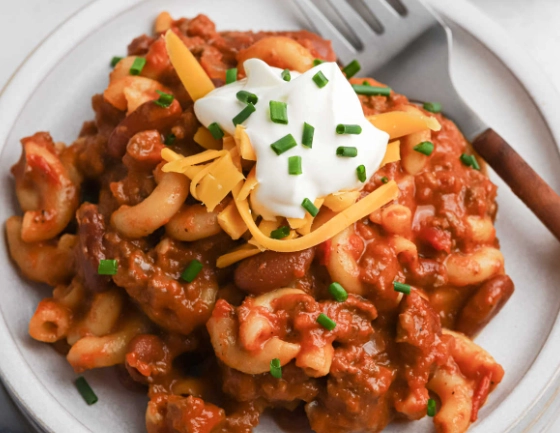
Think about the difference between a quick-seared steak and a slow-braised one. Both are beef, but the experience is worlds apart. This Crockpot chili mac with beans is the braised steak of the pasta world. The flavors have time to get to know each other, to deepen and marry. And let's not forget the practical magic: you can prep it in the morning during the chaos of getting everyone out the door, and by evening, your house smells incredible and dinner is just... done.
Building Your Flavor Foundation: Ingredients That Matter
This isn't a fussy recipe, but the choices you make here determine whether your dish is "meh" or "more, please!" Let's break it down.
The Heart of the Matter: Protein & Beans
Ground beef is the classic. An 80/20 blend gives you flavor and fat without being greasy. But here's a tip: give it a quick brown in a pan first. I know, it's an extra step and the whole point is minimal effort. But trust me, that Maillard reaction (the fancy term for browning) adds a depth of savory flavor that the slow cooker alone can't replicate. Drain most of the fat, but leave a little for richness.
Want to mix it up? Ground turkey, chicken, or even a plant-based crumble work great. For a vegetarian Crockpot chili mac with beans, just double up on the beans! Speaking of beans, they're non-negotiable for texture and heartiness. Kidney beans are traditional, but don't sleep on pinto beans or black beans. They hold their shape well and soak up the sauce beautifully. Always, always rinse canned beans. That starchy liquid can muddy your sauce.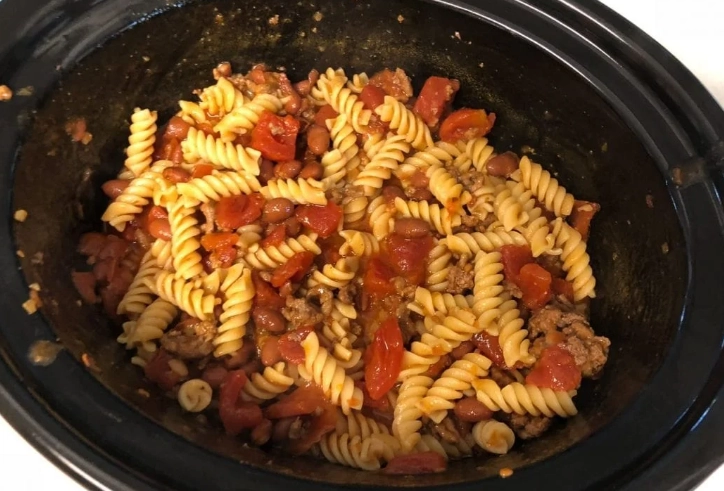
The Flavor Agents: Tomatoes, Broth, and Spices
Canned diced tomatoes are your friend. Don't use crushed or puree as your main liquid—they can make the sauce too thick and prone to burning on the edges. The diced tomatoes break down just enough. For broth, a good low-sodium beef or chicken broth gives you control over salt. The spices are where you can really make it yours. Chili powder, cumin, smoked paprika (this is a game-changer for a hint of smokiness), garlic powder, onion powder. Don't just dump them in. Toasting your chili powder and cumin for just 30 seconds in the pan after browning the meat wakes up their oils and makes them incredibly fragrant.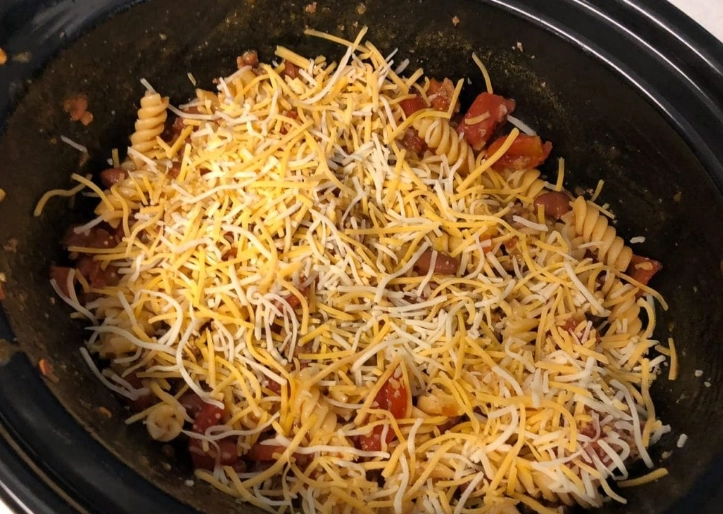
And the pasta? Elbow macaroni is the standard, but small shells, cavatappi, or even rotini work. The key is to add it late. This is the biggest mistake people make. If you add dry pasta at the beginning, you'll get that mushy porridge I mentioned. For a classic Crockpot chili mac with beans, you want the pasta to be tender but still have a bit of bite, holding its shape in the thick sauce.
The Grand Finale: Cheese, Please!
Cheese transforms it from a chili-stew to a true chili mac. A blend is best. Sharp cheddar gives you tang, Monterey Jack melts like a dream for creaminess, and a bit of pepper jack adds a subtle kick. Grate it yourself. I know, pre-shredded is convenient, but it's coated with anti-caking agents (like cellulose) that can make your sauce grainy and prevent it from melting smoothly. Taking two minutes to grate a block is worth it for that silky, gooey cheese pull.
The Foolproof, Step-by-Step Guide to Perfect Crockpot Chili Mac
Alright, let's get into the nitty-gritty. Here’s exactly how I layer everything into my 6-quart slow cooker for consistent results every single time.
- The Base Layer: Start with your browned and drained meat (or veggies). Spread it evenly on the bottom.
- The Veggie & Bean Layer: Dump in your rinsed beans, diced onions, and peppers (if you didn't sauté them). Give it a very gentle stir just to mix with the meat.
- The Liquid Foundation: Pour in the diced tomatoes (with their juices) and the broth. The liquid should just about cover the solid ingredients. If it doesn't, add a splash more broth.
- Seasoning: Sprinkle all your spices—the chili powder, cumin, paprika, etc.—evenly over the liquid. Do NOT stir yet. This seems odd, but it helps the spices hydrate and distribute slowly as they cook down.
- The First Cook: Cover and cook on LOW for 6-7 hours or HIGH for 3-4 hours. This time is for the flavors to meld and develop. Your kitchen will start to smell amazing.
- The Pasta Addition: This is the critical moment. Stir the pot well. Then, add your dry pasta. Push it down so it's submerged in the liquid. If the mixture looks too thick, add up to ½ cup of hot water or broth. Cover and cook on HIGH only. This is key: high heat for a short time.
- The Final Stage: Cook on HIGH for 20-30 minutes. Start checking at 20 minutes. You want the pasta al dente—cooked through but with a slight resistance. It will continue to soften a bit in the residual heat.
- The Cheese Melt: Once the pasta is done, turn the slow cooker off (or to warm). Stir in your shredded cheese in batches until it's all melted and creamy. Let it sit for 5-10 minutes to thicken up before serving.
Customize Your Bowl: Endless Variations on a Theme
The basic Crockpot chili mac with beans recipe is a perfect canvas. Here are some of my favorite twists, depending on my mood or what's in the fridge.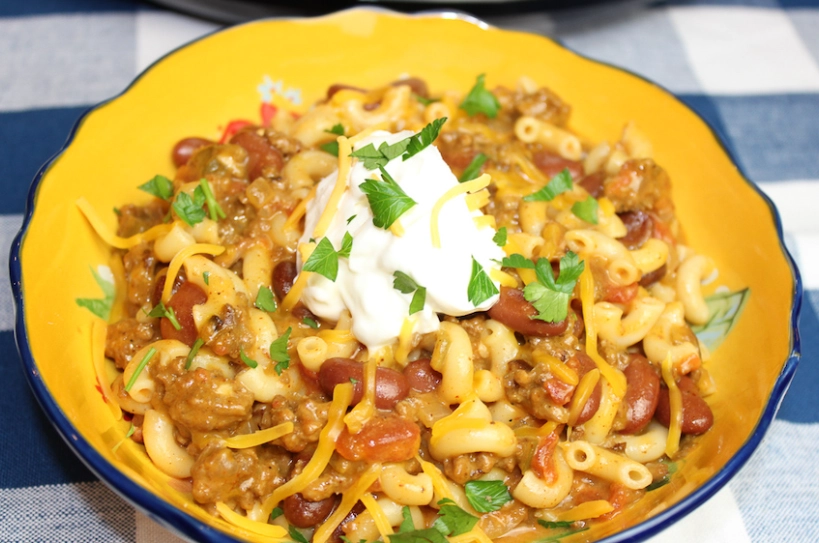
Top Flavor Boosters & Swaps
- Smoky & Meaty: Add a few chopped slices of cooked bacon with the meat, or use a tablespoon of chipotle in adobo (minced) for a smoky heat.
- Texas-Style: Skip the tomatoes! Use all beef broth and a couple of tablespoons of tomato paste for a deeper, less acidic "bowl of red" flavor.
- Extra Veggie: Stir in a cup of frozen corn or diced zucchini when you add the pasta. They add sweetness and texture.
- Creamy Twist: For a richer sauce, stir in a 4-ounce block of softened cream cheese along with the cheddar at the end.
- Spice Level: Control the heat with the type of chili powder (ancho is milder, cayenne-based is hotter) or by adding a pinch of red pepper flakes.
What about different cheeses? It's fun to experiment. Here’s a quick guide to how different cheeses behave in your slow cooker chili mac.
| Cheese Type | Flavor Profile | Melting Quality | Best Paired With |
|---|---|---|---|
| Sharp Cheddar | Tangy, robust, classic | Good, can be oily if over-heated | Monterey Jack, for balance |
| Monterey Jack | Mild, buttery, creamy | Excellent, very smooth | Pepper Jack, for a kick |
| Pepper Jack | Spicy, creamy with jalapeños | Excellent | Cheddar, for depth |
| Colby Jack | Mild, slightly sweet | Very good, reliable | Great on its own for kids |
| Gouda (Smoked) | Rich, smoky, nutty | Good, adds incredible depth | A little goes a long way! |
| Velveeta* | Ultra-creamy, salty | Perfect (it's designed to melt) | A mix for maximum creaminess |
*I know, Velveeta is a "cheese product." Purists might scoff, but sometimes you want that nostalgic, ultra-smooth, diner-style cheese sauce. There's no shame in using half Velveeta and half real cheddar for the ultimate melt. I do it for potlucks, and the bowl is always scraped clean.
Answering Your Crockpot Chili Mac Questions (The FAQ)
Can I really just dump everything in at once?
You can, but you shouldn't if you care about texture. The pasta will be extremely overcooked and mushy. The "dump everything" method works better for soups where pasta texture is less critical. For a proper Crockpot chili mac with beans, the two-stage cooking (long simmer for flavor, short blast for pasta) is the secret weapon.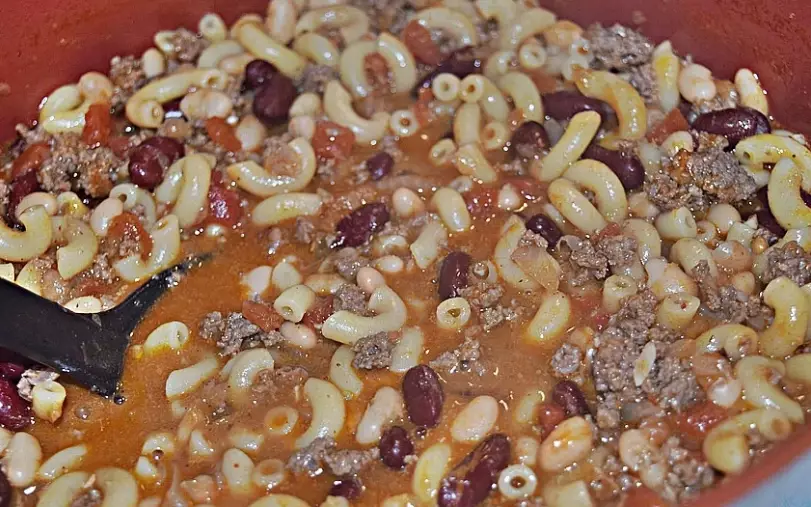
My sauce is too thin/too thick. Help!
Too thin after adding the cheese? Let it sit uncovered on "Warm" for 20-30 minutes; the excess moisture will evaporate. You can also make a quick slurry with a tablespoon of cornstarch and two tablespoons of cold water, stir it in, and let it cook on high for 10 more minutes. Too thick? This usually happens if your slow cooker runs hot or you used too much pasta. Simply stir in hot broth or water, a quarter cup at a time, until it reaches your desired consistency.
Can I use different beans?
Absolutely! I love a mix. Kidney beans hold their shape, black beans add an earthier flavor, and small red beans are great. Chickpeas (garbanzo beans) even work for a different texture. The key is to use beans that are cooked (canned are perfect). If using dried beans, you must pre-cook them almost entirely before adding, or they'll never soften in the acidic tomato environment. The U.S. Dry Bean Council has great resources on cooking times for different beans if you want to go the from-scratch route.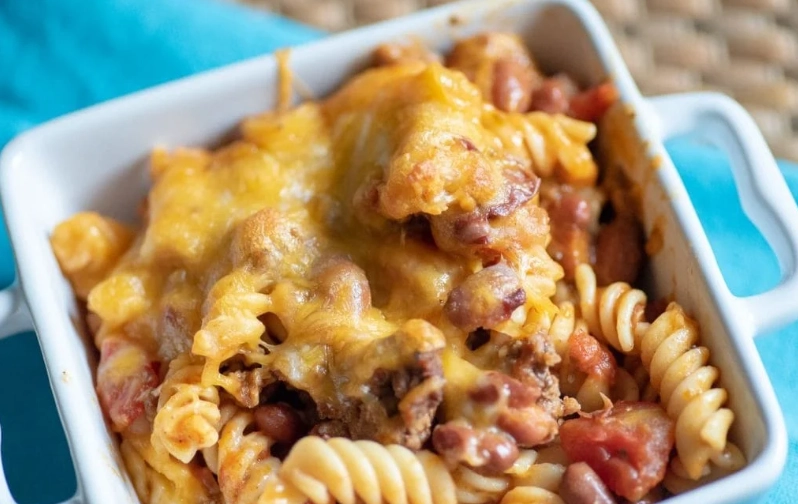
How do I store and reheat leftovers?
This Crockpot chili mac with beans reheats beautifully. Store in an airtight container in the fridge for up to 4 days. The pasta will absorb more liquid, so it will thicken. When reheating on the stove or microwave, add a splash of broth or milk to loosen it up. You can also freeze it for up to 3 months, though the pasta may be a bit softer upon thawing. Thaw in the fridge overnight before reheating.
Is it safe to cook pasta in a slow cooker?
Yes, completely safe. The concern is texture, not safety. The slow cooker gets plenty hot enough to cook pasta through. The goal is to manage the time so it doesn't turn to glue. Following the late-addition, high-heat method ensures food safety and perfect texture. For general slow cooker safety tips, like ensuring your appliance reaches a safe temperature, the USDA's guidelines on slow cookers are a reliable resource.
Beyond the Recipe: Tips from a Seasoned Home Cook
After making this dozens of times, here are the little things that make a big difference—things you won't always find in a standard recipe card.
Know Your Slow Cooker: They all have personalities. Some run hot, some run cool. My old one was a beast on "Low"—it could boil water. My new one is more gentle. Your first time making this Crockpot chili mac with beans is a test run. Pay attention. If things seem to be cooking very fast, shorten the initial cook time. If it's barely simmering after 4 hours on high, you might need longer.
The "Warm" Setting is Your Friend: Once the cheese is melted and incorporated, switch to "Warm" if people are eating at different times. It will hold perfectly for an hour or more without overcooking the pasta or breaking the sauce.
Garnish for the Win: Don't just serve it plain. A dollop of sour cream or Greek yogurt, a sprinkle of fresh chopped cilantro or green onions, a few crushed tortilla chips for crunch, or even a dash of hot sauce can elevate each bowl from homely to restaurant-worthy. It makes people feel like you fussed, even though you didn't.
I sometimes add a can of rinsed, diced green chiles for a subtle Southwestern flair. It's a small addition that packs a flavorful punch without overwhelming heat. For more inspiration on flavor layering with spices, sites like Serious Eats often dive deep into the science of why certain techniques work, which can help you become a more intuitive cook.
Reader Comments