Key Takeaways
So, you're staring at a pack of chicken breasts and a bag of rice, wondering if you can just chuck them both in a pot and call it dinner. I've been there. After a long day, the idea of a one-pot wonder is incredibly appealing. No extra dishes, minimal fuss. But here's the thing – the question "can you cook raw chicken and rice at the same time?" isn't just about convenience. It's a safety puzzle wrapped in a culinary challenge.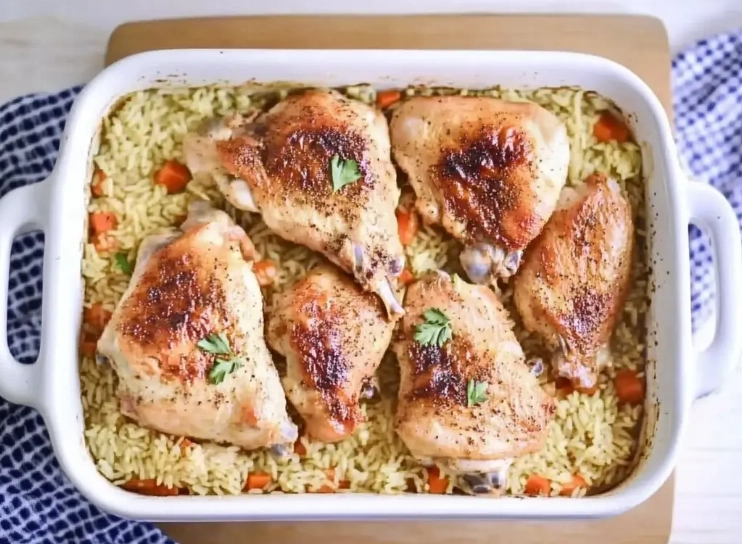
The short, direct answer is: Yes, you technically can, but you absolutely should not do it the lazy way. There's a massive caveat attached, and it's all about temperature, time, and technique. Doing it wrong isn't just about ending up with crunchy rice or rubbery chicken. It's a fast track to a foodborne illness like Salmonella or Campylobacter. Not fun.
I learned this the hard way years ago. Tried to make a "simple" chicken and rice dish in my rice cooker. The chicken was cooked through, sure. But the texture was weird, the rice was gummy in some spots and undercooked in others, and I spent the next 48 hours in a state of low-grade anxiety waiting for my stomach to rebel. It was a failed experiment that taught me to respect the process.
Why It's Trickier Than It Sounds: The Food Science of "One-Pot"
You can't just think of this as cooking two things. You're managing two very different ingredients with different cooking needs, in a shared environment. The main hurdles are:
- Differential Cooking Rates: Chicken needs to reach a high internal temperature (165°F or 74°C) to be safe. Rice needs to absorb a specific amount of water and simmer gently to become tender. Getting both to finish perfectly at the same moment is like threading a needle while walking.
- The Cross-Contamination Zone: From the moment the raw chicken touches the pot or the water, those juices are everywhere. If the heat isn't high enough and immediate enough, bacteria can thrive in the starchy, warm environment of the rice as it slowly comes up to temperature. This is the critical point most quick recipes gloss over.
- Texture Tragedy: Even if you nail the safety, the texture can be off. Chicken cooked submerged in water for the full rice-cooking time often becomes dry and stringy. Rice cooked in fatty, protein-rich chicken water can become gluey or greasy.
So, when someone searches "can you cook raw chicken and rice at the same time," they're often hoping for a magic "yes." The real answer is about controlled, smart methods, not just dumping ingredients together.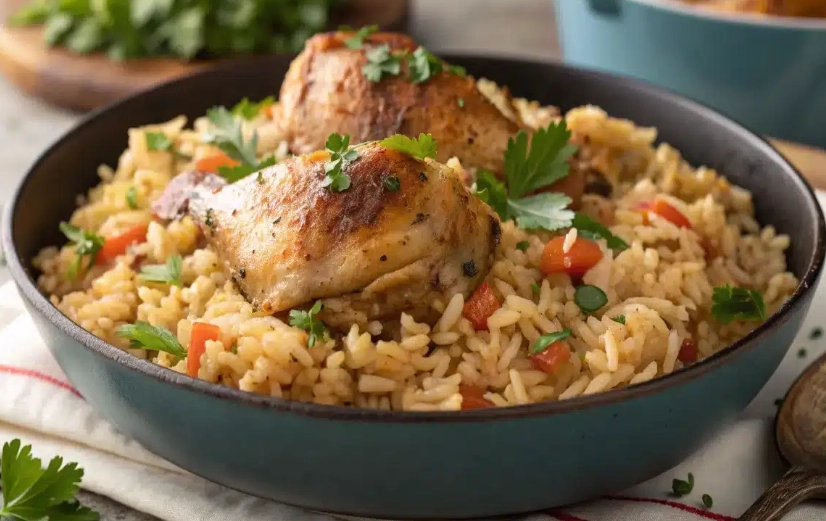
The Methods That Actually Work (And One That Doesn't)
Let's break down the approaches. I've ranked these from most reliable to least, based on safety and final result.
The Sear-Then-Simmer Method (The Gold Standard)
This is my go-to. It solves the contamination issue right at the start.
The result? Perfectly cooked, flavorful rice and juicy, safe chicken. The raw chicken never directly touched the uncooked rice in an unsafe way. This is the proper, safe way to achieve a one-pot meal that answers the spirit of the question.
The High-Heat, Large-Surface Method (For Paella and Biryani)
Traditional dishes like paella and biryani often involve cooking raw meat and rice together. Their secret? A wide, shallow pan and sustained high heat. The large surface area allows liquid to evaporate quickly and the entire contents of the pan to come up to a safe temperature rapidly, minimizing the danger zone window. This is a technique for specific recipes, not a general hack, and requires attention.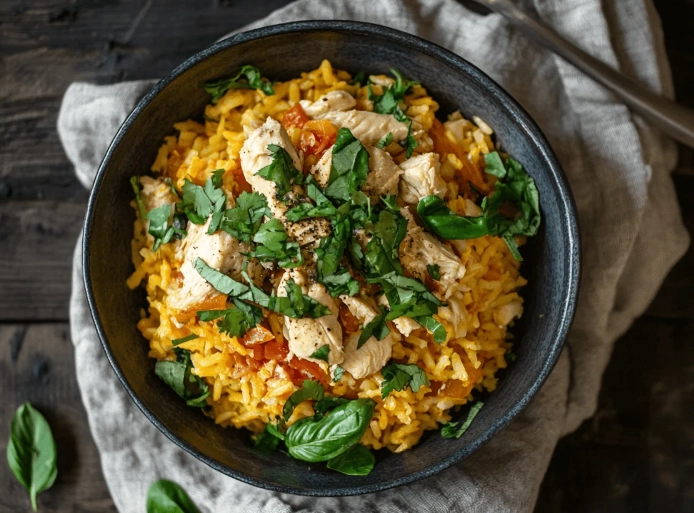
The Pressure Cooker/Instant Pot Savior
This modern appliance is a game-changer for the "can you cook raw chicken and rice at the same time" dilemma. The high-pressure environment raises the boiling point of water, cooking food much faster and more evenly. You can often add everything at once because the system reaches bactericidal temperatures so quickly that pathogens don't have time to be a problem. However, you still need enough liquid and the right settings. A recipe like "Instant Pot chicken and rice" works because it's designed for that pressurized environment.
The Method to Avoid: The Raw Dump into a Standard Pot
This is the risky one. Putting raw chicken pieces and uncooked rice into a pot of cold water, bringing it to a boil, and hoping for the best. The chicken's internal temperature and the rice's doneness will be wildly out of sync. The water around the rice will be tepid for too long, a perfect breeding ground for any bacteria washed off the chicken. Just don't do it. The convenience isn't worth the risk.
The Critical Role of Temperature: Your Kitchen's Best Friend
This is non-negotiable. If you're going to experiment with combining raw proteins and starches, you need a digital instant-read thermometer. It's the only way to know, not guess.
According to the USDA Food Safety and Inspection Service, all poultry, including chicken, must reach a minimum internal temperature of 165°F (74°C). This temperature must be achieved and sustained to destroy harmful bacteria.
For the rice, it should be fully tender and have absorbed all the liquid. If your chicken is done but your rice is still hard and watery, you're in a bind. You can't just keep cooking without overcooking the chicken. This is why the sear-then-simmer method is superior – the chicken goes in partially cooked, so their finish times align better.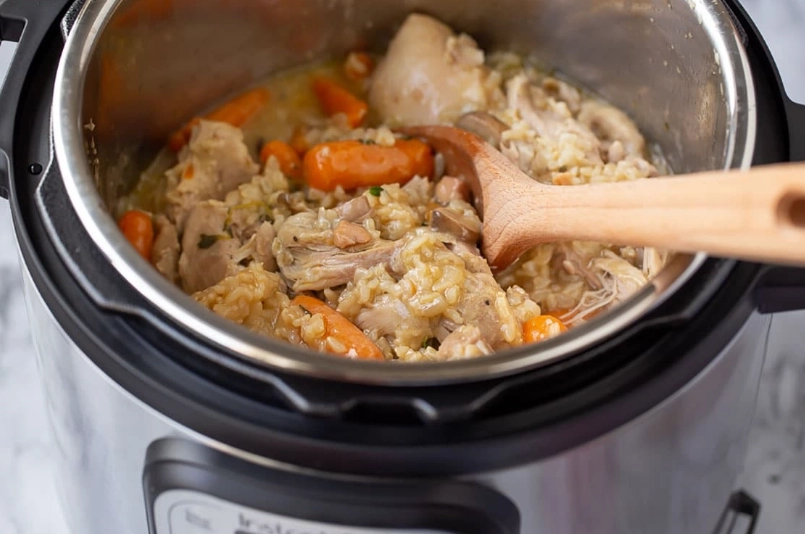
Answering Your Burning Questions (The FAQ)
What about in a rice cooker? Can you cook raw chicken and rice at the same time in there?
Most basic rice cookers are designed to gently simmer and then steam. They don't start at a high, rolling boil. Putting raw chicken in with rice in a standard rice cooker is not recommended. The warm-up phase is too slow, creating a prolonged danger zone. Some high-end or multi-functional cookers with a "saute" or "brown" function first might allow for a safer process similar to the sear-then-simmer method, but you must follow a tested recipe for that specific appliance.
Is it safer with certain cuts of chicken?
Bone-in, skin-on thighs and drumsticks are more forgiving than boneless, skinless breasts. They have more fat and connective tissue, which helps them stay moist during longer, combined cooking. Breasts dry out incredibly fast. So if you're determined to try a combined method, start with thighs. They're harder to ruin.
What if the chicken is done but the rice isn't?
This is the most common problem. The fix is awkward. You have to remove the chicken, cover it with foil to keep it warm, and continue cooking the rice alone. By the time the rice is done, the chicken is often dry. Prevention (using the right method) is infinitely better than this cure.
Does browning the chicken first make it safe?
Yes, substantially. As explained in the gold standard method, that initial high-heat sear kills surface bacteria. It's the single most important step for safety when you want to cook raw chicken and rice in the same pot. It changes the game from risky to manageable.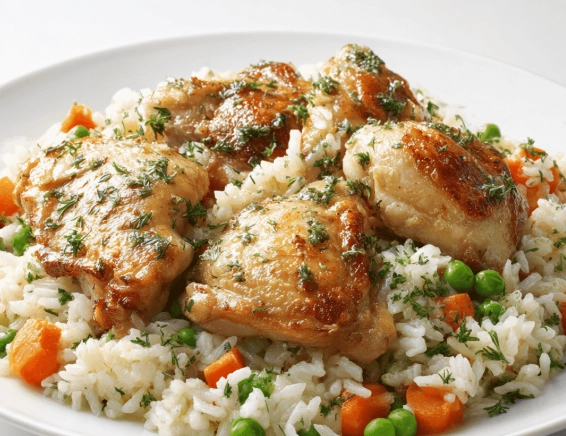
A Quick Comparison: Your Method Menu
| Method | Safety Level | Final Texture | Skill Level | My Personal Verdict |
|---|---|---|---|---|
| Sear-Then-Simmer | High | Excellent (juicy chicken, fluffy rice) | Intermediate | The only way I do it. Reliable and delicious. |
| Pressure Cooker | High | Very Good (can be softer/mushier) | Beginner (with a recipe) | A fantastic, hands-off modern solution. |
| Wide Pan/Paella Style | Medium-High | Excellent (distinct grains, socarrat) | Advanced | For special occasions, not a weeknight shortcut. |
| The "Raw Dump" Method | Low | Poor (uneven, often mushy or dry) | None (but that's the problem) | Just don't. The risk outweighs any convenience. |
Final Thoughts: A Realistic Approach
Look, I love a kitchen shortcut. But some shortcuts lead to dead ends (or the bathroom). The desire to cook raw chicken and rice at the same time is understandable. It *feels* like it should work.
The key takeaway is to reframe the question. Instead of "can I throw them in together?", ask "what's the safest, most reliable method to get them both cooked perfectly in one pot?" That shifts your focus from a risky yes/no to a technique-driven how.
So, can you cook raw chicken and rice at the same time? With the right precautions, careful technique, and respect for the ingredients, yes, you can create a wonderful one-pot meal. But please, for the love of your stomach and your dinner guests, skip the "dump and hope" method. Your future self, happily eating a delicious and safe meal, will thank you.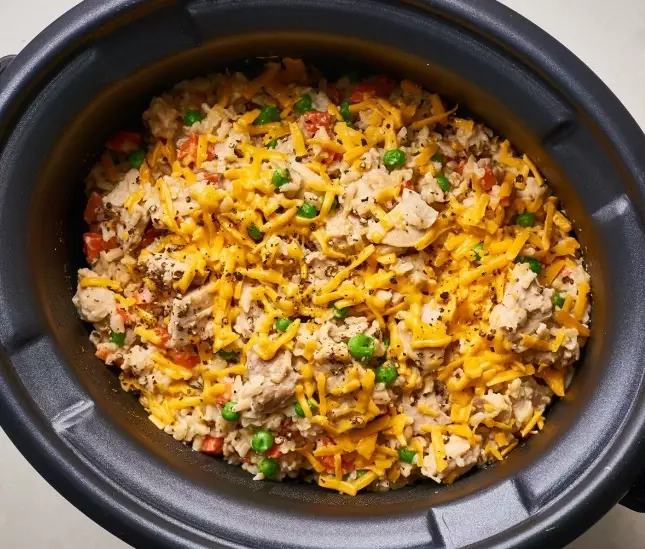
It’s one of those cooking lessons that sticks with you. A little effort upfront saves a world of trouble later. And honestly, that seared chicken smell filling your kitchen? That’s part of the joy of cooking, right there.
Reader Comments