Let's be honest. The idea of beef stew can feel intimidating. It sounds like a project, something your grandmother spent all Sunday on. I used to think that too. I'd see recipes with long ingredient lists and assume it was out of my league on a busy Wednesday. Then I learned the secret: a great, easy beef stew isn't about fancy techniques. It's about understanding a few simple principles and then letting time do the hard work. This guide strips away the complexity. We're going to build incredible flavor with minimal fuss, ending up with fall-apart tender beef in a rich, savory gravy. No culinary degree required.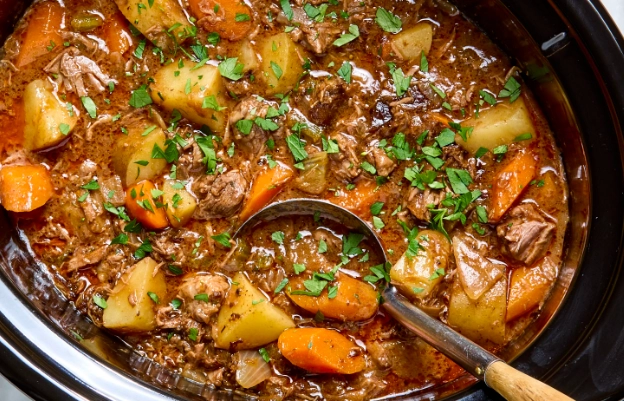
What You'll Learn in This Guide
How to Choose the Right Beef for Stew (The #1 Rule)
This is the single most important decision. Get it wrong, and no amount of cooking will make your beef tender. Forget lean, expensive cuts like sirloin or tenderloin. They'll just turn dry and tough. For an easy beef stew, you want the opposite: a tough, fatty, collagen-rich cut.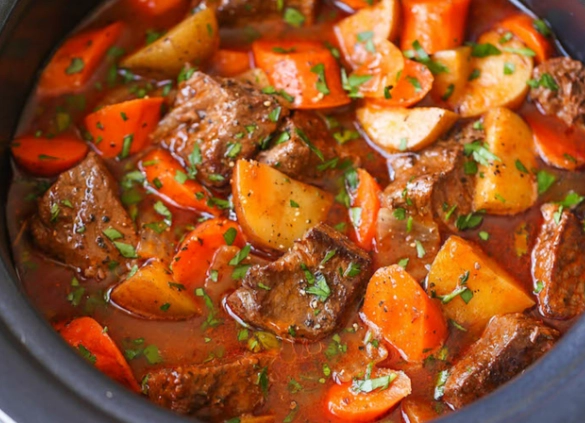
Why? Because that tough collagen, when cooked slowly in liquid, melts into gelatin. Gelatin is what gives the stew body, a silky mouthfeel, and makes the meat incredibly tender. It's a magical transformation.
Your Best Bets:
- Chuck Roast: The undisputed king. It's marbled with fat and connective tissue, widely available, and consistently delivers. Ask your butcher for a chuck roast and cut it yourself, or look for pre-cut "stew meat" labeled as coming from the chuck.
- Brisket: Another fantastic option, though often sold in larger pieces. It requires a very long cook but rewards you with deep flavor.
- Round or Rump Roast: These are leaner than chuck, so they can be a bit less forgiving. If you use them, don't skimp on the cooking time.
The Simple Steps to Building Flavor
Here's where the "easy" part truly shines. You don't need twenty ingredients. You need a sequence that builds layers. Follow these steps in order—don't be tempted to dump everything in at once.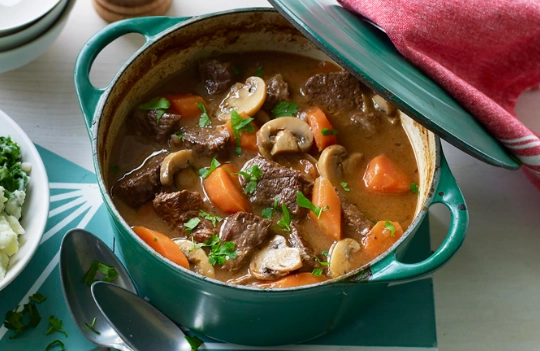
1. Dry the Beef, Then Sear It Well
Pat your beef cubes very dry with paper towels. This is non-negotiable. Wet meat steams; dry meat browns. Heat a couple tablespoons of oil in your pot (a Dutch oven is ideal) over medium-high heat until it shimmers. Don't crowd the pan. Work in batches, giving each piece space. You're not cooking it through, you're creating a deep, brown crust. This "fond" on the bottom of the pot is pure flavor gold. Set the seared beef aside.
2. Cook the Aromatics in the Beefy Goodness
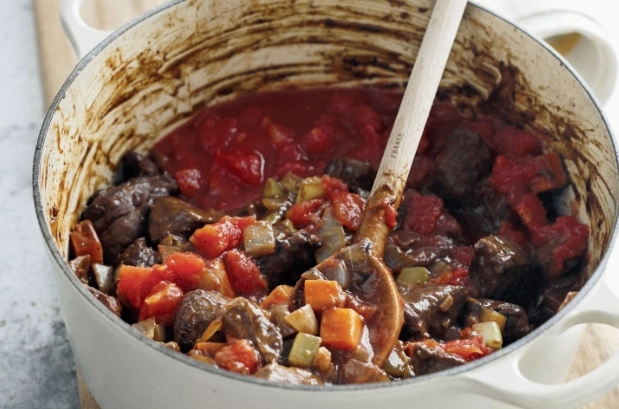
In the same pot, with all those browned bits, add your chopped onions. Cook until soft. Then add garlic for a minute. Now, stir in a couple tablespoons of tomato paste. Cook it for a minute or two until it darkens slightly. This caramelizes the sugars and removes any raw tinny taste, adding a subtle sweetness and richness to the stew base. This little step is a game-changer most beginners skip.
3. The Flavor Lift: Deglaze
Pour in about a cup of liquid—red wine, beef broth, or even just water—and use a wooden spoon to scrape up every last bit of fond from the pot bottom. That fond is your flavor foundation. Let it simmer for a minute. Now, return the beef and any juices to the pot.
The Hands-Off Cooking Method
Add enough broth to just barely cover the meat. Throw in a couple of bay leaves. Bring it to a very gentle simmer—a few lazy bubbles breaking the surface, not a rolling boil. A boil will make the beef tough.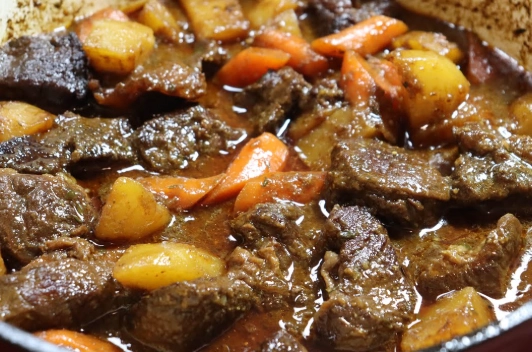
Now, cover the pot and reduce the heat to the lowest setting. Or, transfer it to a preheated 300°F (150°C) oven. And then... walk away. For at least 1.5 hours. Don't peek. Don't stir. Let the magic happen.
After that time, check the beef. It should be starting to yield but not yet tender. Now add your hardy vegetables: carrots, potatoes, parsnips—cut into large chunks so they don't turn to mush. Submerge them in the liquid, cover again, and cook for another 45 minutes to an hour.
Finally, add any delicate veggies like peas or frozen pearl onions just for the last 5 minutes of cooking. They just need to heat through.
Quick Fixes for Common Stew Problems
Your stew is almost done. Taste it. Here's how to fix the last-minute issues:
- Too thin? Mix 1 tablespoon cornstarch with 2 tablespoons cold water. Stir this slurry into the simmering stew. It will thicken in about 2 minutes. Alternatively, mash a few potato chunks against the pot wall.
- Lacking depth? A splash of soy sauce or Worcestershire sauce adds umami. A teaspoon of vinegar or a squeeze of lemon juice at the end can brighten all the flavors.
- Too salty? Add a peeled, raw potato chunk and simmer for 15-20 minutes; it can absorb some salt. Or, dilute with a bit of water or unsalted broth.
Make-Ahead & Storage Tips
Beef stew is arguably better the next day. The flavors meld and deepen. Let it cool completely, then store it in an airtight container in the fridge for up to 4 days. Reheat gently on the stove.
It freezes beautifully for up to 3 months. Freeze in portion-sized containers for easy future meals. This is the ultimate meal prep.
So there you have it. An easy beef stew isn't a mystery. It's a simple formula: the right beef + patient browning + a long, gentle simmer. It's a recipe that forgives, improves with time, and fills your kitchen with the best smell imaginable. Now go make it.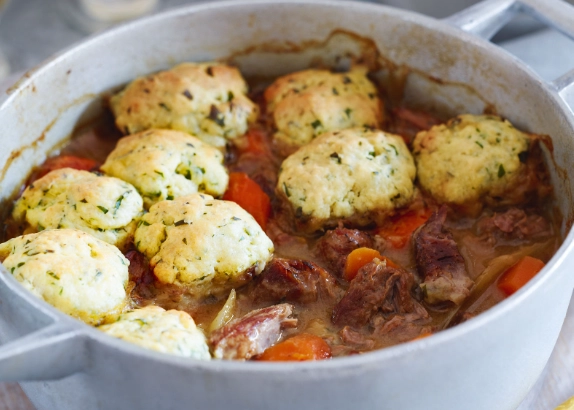
Reader Comments