Let's be honest. The idea of bread pudding is more appealing than the reality of making it. You picture this warm, custardy, caramel-kissed comfort food. Then you remember the fuss: preheating the oven, the water bath, watching it like a hawk so the top doesn't burn while the center sets. It feels like a weekend project, not a Tuesday night treat.
That's where your slow cooker becomes a dessert hero. This appliance isn't just for pot roast. It's the secret to the easiest, most hands-off, impossibly decadent bread pudding you'll ever make. We're talking about a dessert so good it gets whispered about—the kind you bring to a potluck and have three people ask for the recipe before you've even put your coat away.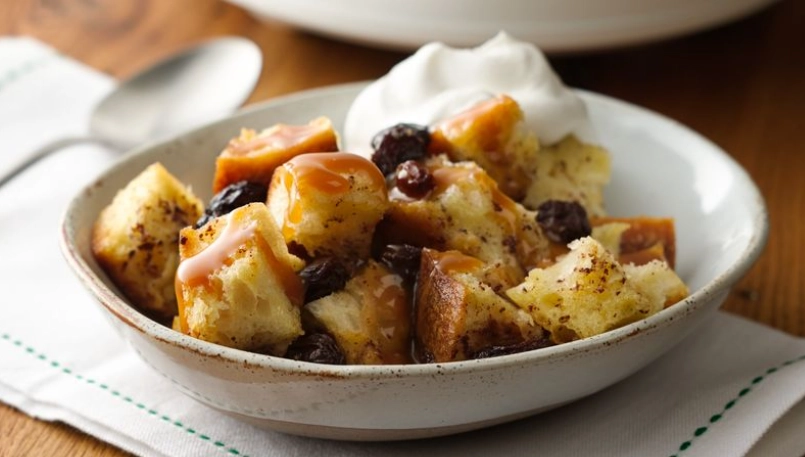
This isn't just a recipe. It's a method that forgives your mistakes and rewards your minimal effort. I've made every error in the book so you don't have to. Soggy bottoms? Burnt edges? Dense, eggy bricks? We're going to bypass all of that.
Your Quick Guide to Slow Cooker Bliss
Why Your Slow Cooker is the Secret Weapon for Bread Pudding
Oven-baked bread pudding cooks from the outside in. The edges set fast, sometimes toughening or browning too much before the center is done. You're battling hot spots.
A slow cooker provides gentle, enveloping heat from all sides. It's like a warm hug for your custard. This low-and-slow approach gives the eggs and dairy time to meld into a silky, uniform texture without curdling. It prevents that tough, rubbery skin from forming on top. What you get is consistently creamy, tender pudding from edge to edge.
The best part? You dump it in, set the timer, and walk away for 3 hours. No babysitting. Your kitchen fills with the smell of cinnamon and caramelizing sugar, and dessert makes itself while you live your life.
The Two Non-Negotiable Ingredients for Success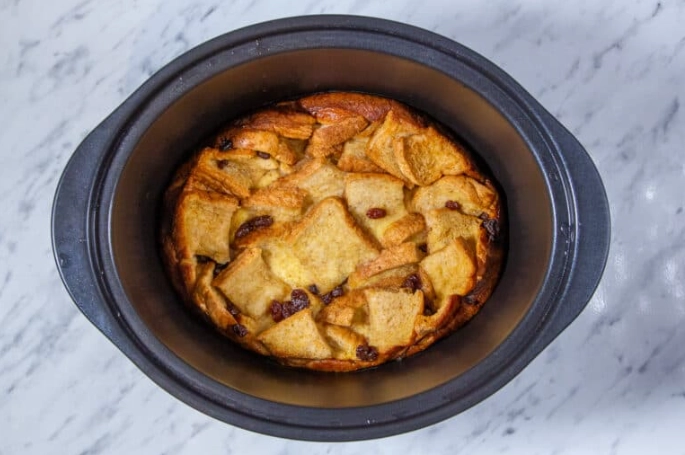
You can mess with the add-ins, but two things are sacred if you want pudding that's sublime, not sloppy.
1. The Bread: It Must Be Stale
This is the hill I will die on. Do not use fresh, soft bread. That supermarket loaf straight from the bag will dissolve into a pasty, wet mess. You need bread that has lost some of its moisture, so it can greedily soak up the custard without falling apart.
Best Choices: Challah or Brioche (rich, eggy, perfect), day-old French or Italian loaf, cinnamon raisin bread, or even leftover croissants for ultimate luxury.
How to Stale It Fast: Cube it, spread it on a baking sheet, and leave it uncovered on the counter for 4-6 hours. Overnight is even better.
2. The Custard Ratio: It's a Science, Not a Guess
The custard is just eggs, dairy, and sugar. But the proportions are everything. Too many eggs, and it tastes like sweet scrambled eggs. Too much milk, and it never sets. After a decade of tweaking, this ratio is my gold standard for a rich, creamy, sliceable-yet-tender pudding.
What You'll Need (The Easy Blueprint)
The Bread Base:
- 8 cups of stale bread cubes (about a 1 lb loaf)
- 1/2 cup raisins or dried cranberries (optional, but classic)
- 1 teaspoon ground cinnamon
The "To Die For" Custard:
- 4 large eggs
- 2 cups whole milk or half-and-half (for extra richness)
- 1 cup heavy cream
- 3/4 cup granulated sugar
- 1 tablespoon pure vanilla extract
- 1/4 teaspoon salt (enhances all the flavors)
The Finish:
- 1/4 cup (1/2 stick) unsalted butter, melted
- 1/2 cup packed brown sugar (for the caramel-like topping)
The Foolproof, Step-by-Step Method
Step 1: Prep is Everything. Grease the inside of your slow cooker crock really well with butter or cooking spray. Toss your stale bread cubes, dried fruit (if using), and cinnamon in the crock.
Step 2: Whisk, Don't Just Stir. In a large bowl, whisk the eggs until they're uniform. Then whisk in the milk, cream, granulated sugar, vanilla, and salt. Keep whisking until the sugar dissolves. You're not just mixing; you're incorporating air for a lighter texture.
Step 3: The Soak. Pour the custard evenly over the bread in the slow cooker. Gently press down with a spatula to make sure all the bread gets wet. Now, walk away for 15-20 minutes. Let the bread become a sponge.
Step 4: The Magic Topping. Drizzle the melted butter all over the top. Then, sprinkle the brown sugar evenly over that. Do not stir.
Step 5: Cook and Forget. Cover and cook on LOW for 3 to 3.5 hours. Do not cook on High—it will curdle the eggs. It's done when the center is set (a knife inserted comes out clean-ish, not wet with custard). The edges will be deep golden.
Step 6: The Crucial Rest. Turn off the slow cooker. Unplug it. Take the lid off, crack it open slightly, and walk away for 20-30 minutes. This rest period lets the pudding firm up, making it sliceable instead of soupy. This step is non-negotiable.
Pro Tips & Flavor Twists From a Decade of Trial and Error
Once you've mastered the basic formula, you can play. Here are my favorite twists that feel fancy but are just as easy.
Chocolate Chip Bourbon: Swap 1/4 cup of the milk for bourbon. Add 1 cup of semi-sweet chocolate chips with the bread.
Apple Cranberry Walnut: Sauté 2 cups of diced apples in a tablespoon of the butter until soft. Add them with 1/2 cup dried cranberries and 1/2 cup chopped walnuts.
Pumpkin Spice: Whisk 1 cup of canned pumpkin puree into the custard. Add 1 tsp pumpkin pie spice along with the cinnamon.
My #1 Savory-Sweet Trick: Add a pinch of black pepper to the custard. It sounds weird, but it heightens the vanilla and caramel notes in a way you can't pinpoint, just enjoy.
Solving Common Bread Pudding Problems Before They Start
I've seen it all. Here’s how to head off trouble.
Problem: The edges are dark brown or burning, but the center is wet.
Likely Cause & Fix: Your slow cooker runs hot (many older models do). Use the water bath trick. Place a heat-proof glass or ceramic bowl inside your slow cooker crock, pour the pudding mix into that bowl, and add 1 inch of hot water to the space between the bowl and the crock. The steam moderates the heat.
Problem: It's too eggy or has a rubbery texture.
Likely Cause & Fix: You cooked it on HIGH, used too many eggs, or overcooked it. Always use LOW heat. The recipe above has the perfect egg-to-dairy balance. Trust the timer.
Problem: It's bland.
Likely Cause & Fix: You skimped on the salt, vanilla, or didn't use the brown sugar topping. Salt is essential in desserts. Use real vanilla extract, not imitation. That brown sugar-butter layer isn't just for looks; it creates a caramel sauce as it cooks.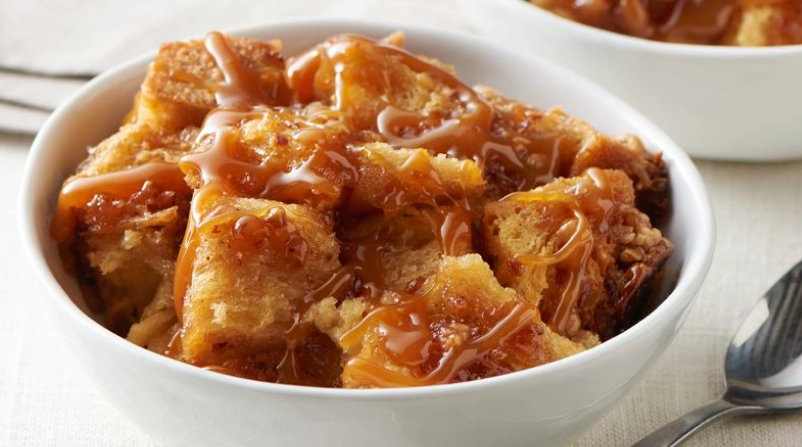
Your Bread Pudding Questions, Answered
Why is my slow cooker bread pudding soggy or watery?
Can I prepare this bread pudding recipe the night before?
What's the best bread to use for a non-mushy, rich bread pudding?
My slow cooker runs hot. How do I prevent the edges from burning?
The beauty of this slow cooker method is its forgiving nature. It turns a dessert that feels fussy into the easiest thing in your repertoire. It's the recipe you'll pull out when you need guaranteed comfort with minimal effort. That's the real magic—creating something that feels like a lavish treat, without any of the chef-level stress. So grab that stale bread and your slow cooker. Your new favorite dessert is about to make itself.
Reader Comments