Quick Navigation
- Why the Slow Cooker is Your Best Friend for Tough Cuts
- The #1 Factor That Changes Everything: The Cut of Beef
- The Master Cooking Time Chart for Cubed Beef
- Beyond the Clock: Other Factors That Change Cooking Time
- The Step-by-Step Process for Perfect Crock Pot Beef
- Answering Your Top Questions (FAQ)
- Troubleshooting: When Things Go Wrong
- Wrapping It Up: Your Key Takeaways
Let's be honest. You've probably stood in your kitchen, holding a package of cubed beef, staring at your slow cooker, and thought... "Okay, now what?" How long does this actually need? Four hours? Eight? Overnight? Will it be tender or turn into shoe leather?
I've been there. I once put what I thought was a tough cut in for what I thought was enough time. Let's just say the resulting "stew" required a steak knife. It was a disaster. But after years of trial, error, and learning from some serious cooks, I've figured it out. The answer to "how long to cook cubed beef in a crock pot" isn't one magic number. It's a sweet spot that depends on a few key things you control.
And that's what we're diving into today. No fluff, just the clear, practical info you need to get fall-apart tender beef every single time.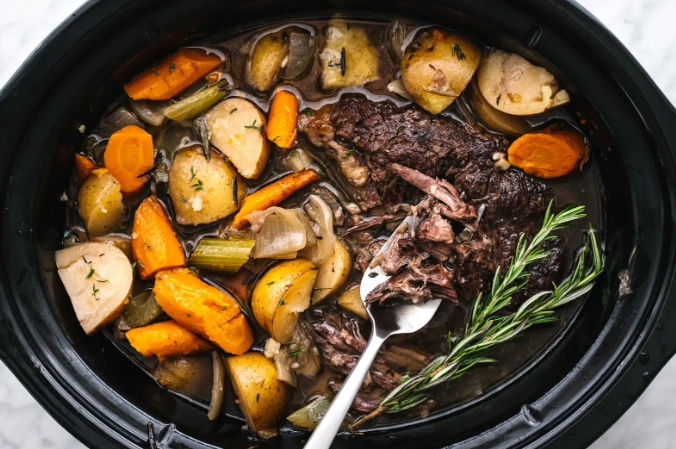
Why the Slow Cooker is Your Best Friend for Tough Cuts
Before we get to the timer, let's talk about why this method works so well. A crock pot (or slow cooker) uses low, moist heat over a long period. That gentle heat is the kryptonite for tough, collagen-rich beef cuts. The collagen slowly melts into gelatin, which is what gives you that incredible, juicy, fork-tender texture you're after. It's a transformation that high-heat methods just can't replicate for certain meats.
Think of it like a low-and-slow magic trick. The key is giving it enough time, but not too much time. Yes, you can overcook beef in a slow cooker. It won't burn, but it can become mushy, dry, and lose all its flavor. Finding that perfect window is the game.
The #1 Factor That Changes Everything: The Cut of Beef
This is the big one. Asking "how long to cook cubed beef in a crock pot" without knowing the cut is like asking how long to drive without knowing the destination. The cut dictates the time.
Beef cuts fall into two main camps for slow cooking: the tough, muscular cuts that are perfect for it, and the lean, tender cuts that are terrible for it. You want the first group. Always.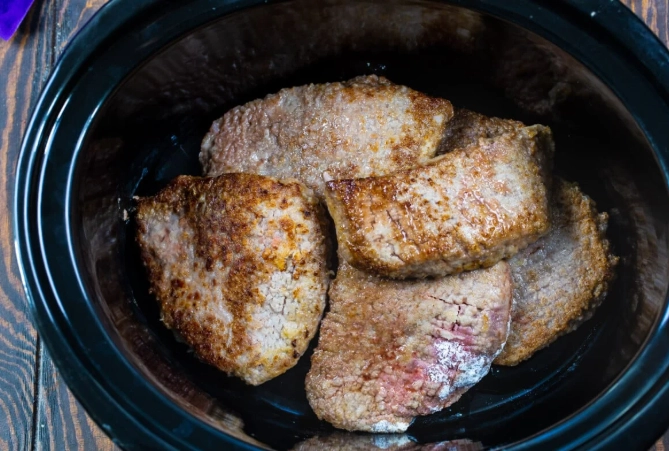
Here’s the breakdown of the best players for your crock pot lineup:
Champion Cuts (The Long-Haul Team)
These are the workhorses. They have lots of connective tissue and marbling (fat running through the muscle). They demand the longest cooking times but reward you with the most flavor and tenderness.
- Chuck Roast/Stew Meat: The undisputed king of the slow cooker. Rich, beefy, and becomes incredibly tender. This is what most pre-packaged "stew beef" is made from. My absolute go-to.
- Brisket (point or flat): Needs a long time but yields amazing, shreddable beef. Great for BBQ-style dishes.
- Bottom Round / Rump Roast: Leaner than chuck but still benefits hugely from slow cooking. Can dry out if you're not careful with timing and liquid.
- Short Ribs (boneless or bone-in): Incredibly flavorful. The bones add richness to the cooking liquid.
- Oxtail: The ultimate flavor bomb. All bone and collagen, it makes the most luxurious sauces and stews.
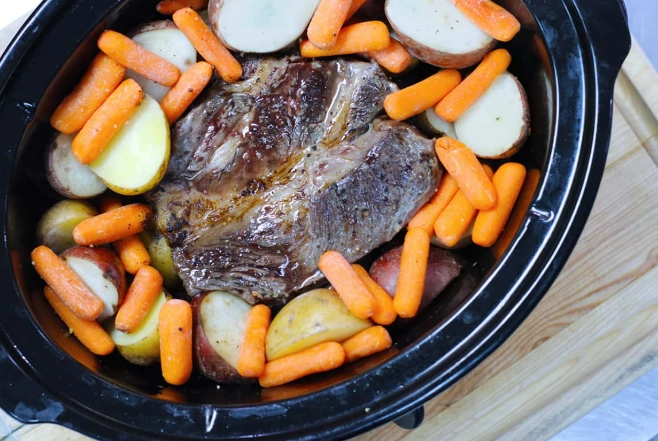
Solid Contenders (The Mid-Range Team)
These cuts are good choices and will be tender, but they might cook a bit faster and don't have quite the same depth of flavor as the champions.
- Round Steak ( cubed): It works, but it's lean. You need enough liquid and shouldn't overcook it, or it can get stringy.
- Shoulder Petite Tender: A smaller, tender cut that still does well with slower cooking methods.
Cuts to Avoid (The "Why Is My Beef So Dry?" Team)
Seriously, don't use these. You're wasting money and will be disappointed.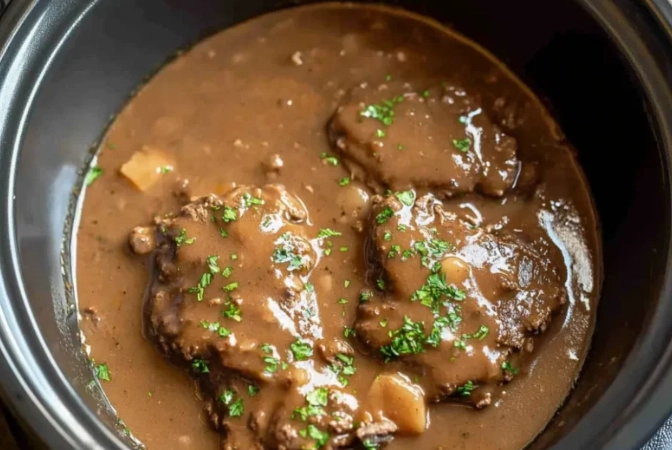
- Sirloin, Strip Steak, Filet Mignon, Flank Steak, Skirt Steak: These are tender, lean, quick-cooking cuts. The long, moist heat of a slow cooker will turn them dry, tough, and gray. They lack the collagen needed to benefit from the process.
The Master Cooking Time Chart for Cubed Beef
Alright, here's the core of it. This table gives you the target ranges. Remember, cube size matters (we'll talk about that next). These times assume your beef is cut into 1 to 1.5-inch cubes, which is the standard for most stews and braises.
| Beef Cut | Recommended Cube Size | Cook Time on LOW | Cook Time on HIGH | Final Texture Goal |
|---|---|---|---|---|
| Chuck Roast / Stew Meat | 1" - 1.5" cubes | 7 - 9 hours | 4 - 5 hours | Fall-apart tender, shreds easily |
| Brisket (cubed) | 1" cubes | 8 - 10 hours | 5 - 6 hours | Very tender, easily shredded |
| Bottom Round / Rump | 1" cubes | 6 - 8 hours | 3.5 - 4.5 hours | Tender, slices or pulls apart |
| Short Ribs (boneless cubes) | 1.5" cubes | 7 - 8 hours | 4 - 5 hours | Rich, ultra-tender, moist |
| Oxtail (segments) | 2" segments | 8 - 10 hours | Not Recommended | Meat falls off the bone, gelatinous |
| Round Steak | 1" cubes | 5 - 7 hours | 3 - 4 hours | Tender but can be less juicy |
See? Not one answer, but a clear map.
The "LOW" setting is almost always better. It gives the collagen more time to break down gently without rushing the process. High heat can sometimes make the muscle fibers contract too quickly, leading to slightly less tender results. I use HIGH only when I'm in a real pinch.
Beyond the Clock: Other Factors That Change Cooking Time
So you've got your chuck roast cubes. You know the range is 7-9 hours on low. But where in that range will your beef land? These factors push the needle.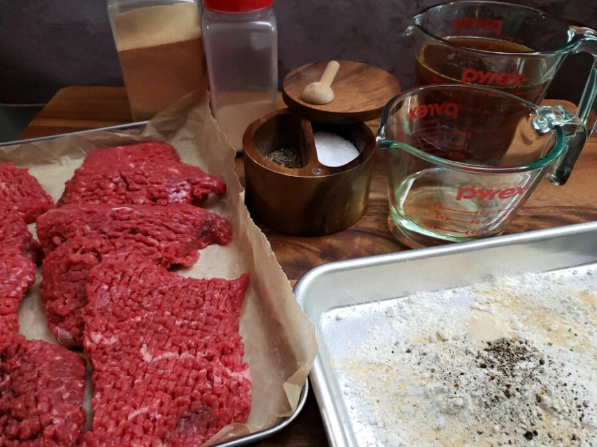
Cube Size is a Big Deal
This is the most common variable people forget. A 2-inch cube will need significantly more time than a 1-inch cube. Most recipes are designed for 1-inch cubes. If you buy pre-cut "stew meat," check the size. If the pieces are huge, they might need an extra hour or more. I try to cut mine as evenly as possible so everything finishes at the same time.
How Full is Your Pot?
A crock pot that's packed to the brim with cold meat and vegetables will take longer to come up to temperature than one that's half full. If you're making a huge batch, factor in a little extra time. Conversely, a very small amount might cook a bit faster.
To Brown or Not to Brown?
This doesn't drastically change the cooking time needed for tenderness, but it's a flavor game-changer. Searing the cubes in a hot skillet for 60-90 seconds per side before they go in the pot creates a Maillard reaction—that's the fancy term for delicious browned flavor bits. It adds a depth you just can't get from boiling alone. It's an extra pan to wash, but trust me, it's worth it for company or when you really want to impress yourself.
Are You Adding Liquid?
You almost always should. The slow cooker needs moisture to create the steam that helps tenderize the meat and prevent drying. The liquid level should come about halfway up the sides of the beef cubes. Broth, wine, beer, or even just water with extra seasoning works. More liquid won't speed up cooking, but too little liquid risks drying out the meat, especially on the edges.
The Frozen Beef Question
Can you put frozen cubed beef in the crock pot? Technically, you can, but I don't recommend it. The USDA advises against it because the beef can stay in the "danger zone" (40°F - 140°F) for too long as it slowly thaws, which can allow bacteria to grow. It also throws off your cooking time completely. The outside might be overcooked while the inside is still thawing. Thaw it in the fridge overnight. It's the safest and most reliable method.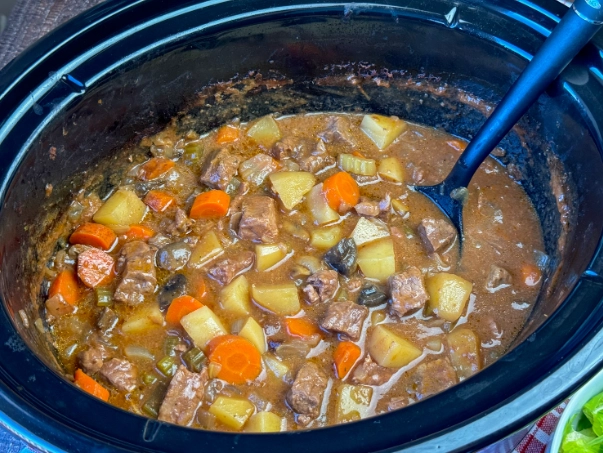
The Step-by-Step Process for Perfect Crock Pot Beef
Let's put it all together into a simple action plan.
- Choose Your Beef: Grab a chuck roast and cut it yourself, or get a package of stew meat labeled "chuck."
- Prep the Beef: Pat it dry with paper towels. This helps with browning. Cut into even 1-inch cubes. Season generously with salt and pepper.
- Sear (Optional but Recommended): Heat oil in a heavy skillet over medium-high heat. Brown the cubes in batches—don't crowd the pan. Get a good crust on at least two sides.
- Load the Crock Pot: Place the beef (and any accumulated juices from the skillet) into the crock pot. Add your aromatics (onions, garlic) and hard vegetables (carrots, potatoes) if using.
- Add Liquid: Pour in enough broth, stock, or other liquid to come about halfway up the beef. Add herbs (thyme, bay leaves are classic).
- Set the Time and Temp: For chuck, set it to LOW for 8 hours as a starting point. Cover with the lid.
- The Check-In: Resist the urge to open the lid frequently! Every time you do, you release heat and steam and add 15-20 minutes to the cooking time. Give it at least 6-7 hours before you check for the first time.
- Test for Doneness: This is more important than the clock. After 7-8 hours, take a fork and try to pull apart a cube of beef. It should offer little to no resistance and shred easily. If it's still tough, give it another 30-60 minutes and check again.
- Finish and Serve: Once tender, you can add delicate veggies (like peas or green beans) or a cornstarch slurry to thicken the sauce. Let it cook for another 15-30 minutes on HIGH to finish.
Answering Your Top Questions (FAQ)
Here are the real-world questions I get asked the most, or that I had when I was starting out.
Troubleshooting: When Things Go Wrong
Even with a guide, sometimes results are off. Here's how to diagnose and fix (or avoid next time).
Problem: The beef is tough and chewy.
Diagnosis: Undercooked. The collagen hasn't broken down.
Fix: Keep cooking. Add a bit more liquid if it's looking dry, and give it another 30-60 minutes on LOW. Check again. Patience is the cure.
Problem: The beef is dry and stringy.
Diagnosis: Likely overcooked, OR you used a lean cut (like round or sirloin) that dried out.
Fix: Not much can be done to restore moisture. Shred it finely and mix it back into a saucy dish where the sauce can help. For next time, use a fattier cut like chuck and don't exceed the recommended time.
Problem: The beef is mushy.
Diagnosis: Severely overcooked.
Fix: It's past saving texture-wise. Use it in a pot pie or shepherd's pie where the texture is less central. Next time, set a timer and check earlier.
Problem: The dish is watery and bland.
Diagnosis: Too much liquid, not enough seasoning, or you didn't brown the meat.
Fix: Thicken with a slurry (see above). Season aggressively at the end with salt, pepper, maybe a dash of Worcestershire sauce or soy sauce for umami. Remember to season at the beginning AND taste and adjust at the end.
Wrapping It Up: Your Key Takeaways
So, how long to cook cubed beef in a crock pot? You're now equipped to answer that with confidence.
- Forget one time. It's a range based on the cut, size, and setting.
- Choose chuck. It's the most reliable, flavorful cut for the job.
- Low and slow wins. 8 hours on LOW for 1-inch chuck cubes is your golden starting point.
- Test, don't just trust the clock. The fork-shred test is your best friend.
- Avoid lean steak cuts. They're meant for fast, hot cooking.
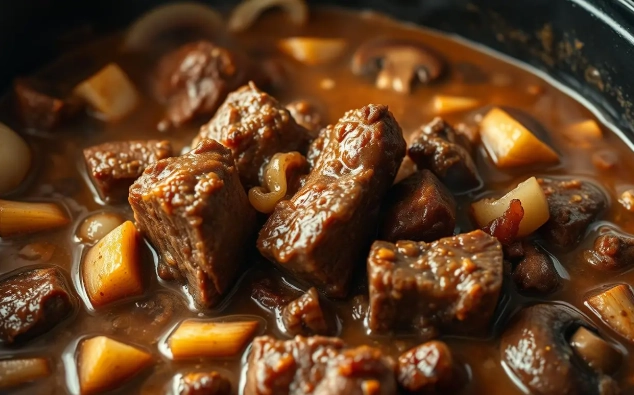
The beauty of the slow cooker is its simplicity and the way it turns an inexpensive cut into a luxurious meal. It does the work while you're away. Now that you know the variables—the cut, the time, the size—you can stop guessing and start knowing. You can tweak recipes you find online with understanding. You can make that perfect beef stew, those killer barbacoa tacos, or that rich beef ragu.
Go forth and braise with confidence.
Reader Comments