Let's be honest. The idea of making pudding from scratch can feel like a project. Constant stirring, watching the pot, worrying about scorching or curdling the eggs. It's enough to make you reach for the instant box mix. But what if I told you there's a way to get rich, homemade, custardy pudding with about five minutes of active effort? That's the quiet magic of an easy slow cooker pudding.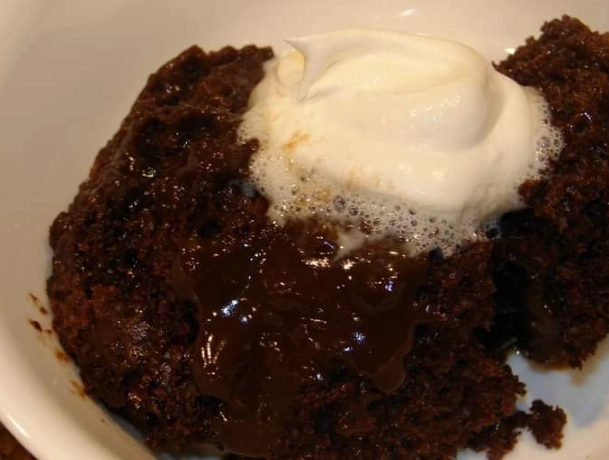
I burned my share of stovetop custards before I discovered this method a decade ago. The slow cooker's gentle, enveloping heat is practically designed for desserts like pudding and flan. It eliminates the guesswork and the frantic stirring. You just mix, pour, cover, and walk away. Hours later, you're rewarded with a dessert that feels both rustic and luxurious.
In This Article
Why a Slow Cooker Makes Perfect Pudding
Think about what pudding needs: low, steady heat to coax the eggs and starch into a smooth, thick set without scrambling. That's exactly what a crockpot provides. The sealed environment creates a moist, even heat that surrounds your dish, cooking it gently from all sides. There are no hot spots on the bottom to burn your dairy.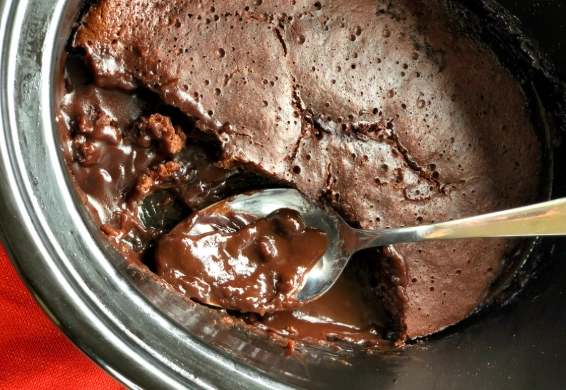
The biggest benefit? Hands-off cooking. You can start it in the morning for an evening dessert, or after lunch for a late-night treat. It's the ultimate "set and forget" dessert, freeing you up completely. This method is also incredibly forgiving. Forget to stir it? Doesn't matter. Need to leave it for an extra 30 minutes? It'll be fine. That peace of mind is priceless.
The 3 Non-Negotiable Basics for Success
Ignore these, and you might end up with a sweet soup or a rubbery mess. Get them right, and you're golden every single time.
1. The Lid is Sacred
This is the rule I see broken most often. You're curious. You want to check. Resist the urge. Every time you lift the lid, you release a massive amount of heat and steam. It can drop the temperature inside by 10-15 degrees, adding 15-20 minutes to your cooking time and potentially preventing a proper set. Only open it when you're about 15 minutes from the end of the suggested cook time to check for doneness.
2. Low and Slow is the Only Way
Never use the high setting for a custard-based pudding. High heat will cause the proteins in the eggs and dairy to tighten too quickly, leading to a grainy, curdled texture. The "low" setting is perfect—it typically maintains a temperature around 190-200°F (88-93°C), which is the sweet spot for thickening without scrambling. If your model only has one setting, assume it's equivalent to "low."
3. Choose Your Vessel Wisely
You have two great options. You can cook the pudding directly in a greased slow cooker crock for maximum ease (one less dish to wash). Or, for a more elegant presentation and easier cleanup, place a heatproof bowl or baking dish inside the crock. If you use a bowl, pour hot water into the crock around it until it comes about halfway up the sides of the bowl. This creates a gentle water bath (bain-marie) for even more consistent heat.
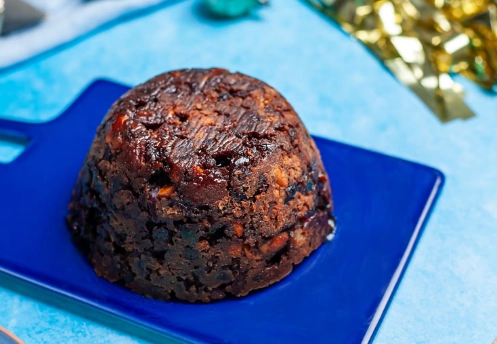
The Classic: Foolproof Chocolate Slow Cooker Pudding
This is your foundation recipe. Master this one, and every other variation becomes simple. The ingredients are pantry staples, and the method is dead easy.
Ultimate Slow Cooker Chocolate Pudding
Active Time: 10 mins | Slow Cook Time: 2.5 - 3.5 hours on Low | Serves: 6
| Ingredient | Quantity & Notes |
|---|---|
| Granulated Sugar | 3/4 cup |
| Unsweetened Cocoa Powder | 1/2 cup (use a good quality one) |
| Cornstarch | 1/4 cup (the key thickener) |
| Salt | 1/4 teaspoon |
| Whole Milk | 3 cups (see FAQ on substitutions) |
| Heavy Cream or Evaporated Milk | 1 cup (for richness) |
| Egg Yolks | 4 large |
| Unsalted Butter | 2 tablespoons, cut into pieces |
| Vanilla Extract | 2 teaspoons |
The Simple Process:
- In your slow cooker crock or a large mixing bowl, whisk the sugar, cocoa, cornstarch, and salt until no lumps remain.
- Gradually whisk in about 1 cup of the milk until you have a smooth paste. This prevents the cornstarch from clumping. Then whisk in the remaining milk and the cream.
- In a separate small bowl, beat the egg yolks lightly. Take a ladleful of the chocolate mixture and slowly drizzle it into the yolks while whisking constantly (this "tempers" the eggs so they don't scramble). Pour the yolk mixture back into the main chocolate mix and whisk it all together.
- If using a separate bowl for a water bath, pour the mixture into a greased 1.5-quart heatproof dish now.
- Cover and cook on LOW. Start checking at 2.5 hours. It's done when the edges are fully set and the center has a slight, jiggly wobble (like Jell-O).
- Turn off the cooker. Carefully remove the crock or bowl. Dot the surface with the butter and drizzle with vanilla. Let them sit for a minute, then gently whisk just until the butter is melted and incorporated—don't over-mix.
- You can serve it warm, but for the best texture, press plastic wrap directly on the surface and chill for at least 4 hours. The flavor deepens, and it becomes beautifully firm.
Pro Tips & Tricks You Won't Find Elsewhere
After making this for years, here are the subtle things that make a difference between good and great pudding.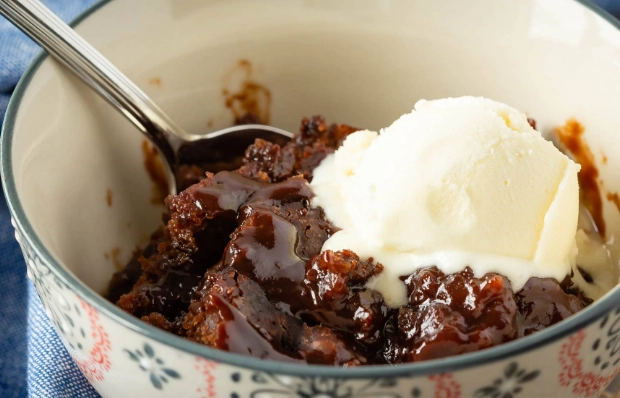
The Milk Fat Secret: I know recipes say you can use 2% milk. You can. But the mouthfeel suffers. Pudding is a luxury, not a health food. Using whole milk and cream (or evaporated milk) gives you that silky, coat-your-spoon texture that defines a great pudding. The fat carries flavor and creates a smoother set.
Timing is a Feeling, Not a Number: My 6-quart cooker finishes a pudding in about 2 hours 45 minutes. My mom's old 4-quart one takes over 3.5 hours. The doneness cue—set edges, wobbly center—is your only reliable guide. It will look underdone. Trust the carry-over cooking as it cools.
The Stirring Mistake: Many guides tell you to stir halfway through. I disagree. Stirring disrupts the even set and can make the top layer a bit grainy. Leave it alone. The only stir should be at the very end to incorporate the butter and vanilla.
Salting Smartly: Don't skip the salt. It makes the chocolate taste more chocolatey. I sometimes add a tiny pinch of instant espresso powder (about 1/2 teaspoon) to the dry ingredients. You won't taste coffee, just a deeper, more complex chocolate flavor.
Beyond Chocolate: Flavor Ideas to Explore
Once you have the basic technique down, the world is your oyster. Or your pudding cup.
Butterscotch Pudding: Replace the cocoa powder with an extra 1/4 cup of cornstarch. Swap the granulated sugar for 1 cup of dark brown sugar. Use all whole milk (4 cups total) and add 3 tablespoons of butter to the cooking mixture from the start. The deep molasses flavor from the brown sugar is incredible.
Vanilla Bean Pudding: Omit the cocoa powder. Increase the cornstarch to 1/3 cup. Split a vanilla bean pod and scrape the seeds into the milk mixture before cooking. For a simpler version, use 1 tablespoon of real vanilla paste instead of extract, adding it at the end.
Coconut Cream Pudding: Replace the heavy cream with a can of full-fat coconut milk. Add 1/2 teaspoon of coconut extract with the vanilla at the end. Top with toasted coconut flakes.
The formula is adaptable: dry thickeners (cornstarch, cocoa) + sugar + dairy + eggs + flavor. Keep the ratios similar, and you can invent your own.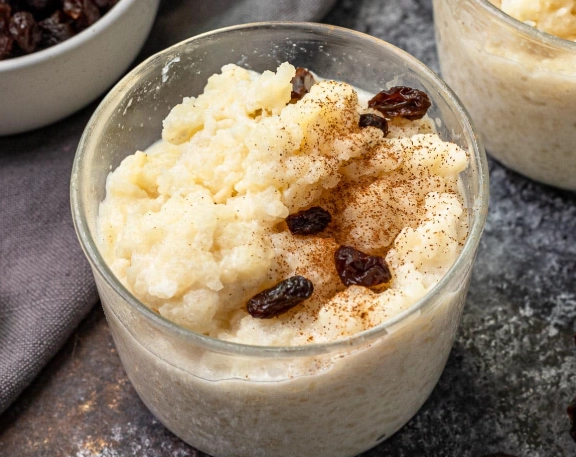
Your Slow Cooker Pudding Questions, Answered
These are the real questions I get from friends and readers who try this method for the first time.
So there you have it. An easy slow cooker pudding isn't just a recipe; it's a smarter way to make a classic dessert. It gives you back your time and delivers a result that's often better than the traditional stovetop method. Give that chocolate recipe a try this weekend. Mix it up, walk away, and come back to a kitchen that smells like a bakery and a dessert that's waiting just for you.
Reader Comments