Quick Navigation
You know the feeling. You've been smelling that pot roast or chicken stew all day. Your stomach is growling in anticipation. You lift the lid of your slow cooker, give it a stir, and... your heart sinks. Instead of a rich, glossy sauce that coats the back of a spoon, you're looking at a sad, watery broth. The meat is fall-apart tender, sure, but it's swimming. The flavor is there, but it's diluted, not clinging to every bite.
It's the classic slow cooker conundrum. That low, gentle heat that makes meat so incredibly tender does absolutely nothing to encourage evaporation. All the liquid you put in at 9 a.m. is still there at 6 p.m. So, you're left wondering how to thicken slow cooker sauces without ruining the meal you've waited hours for.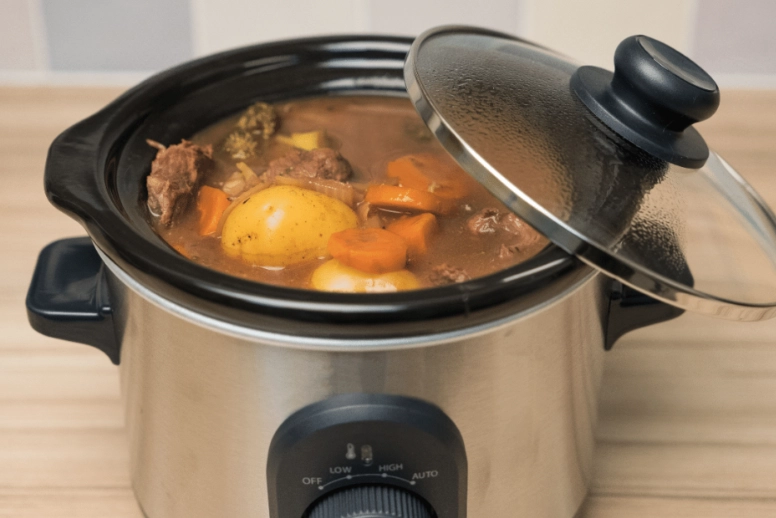
I've been there more times than I care to admit. I once served a “beef stew” that was essentially beef tea with chunks. Not my finest hour. But after years of trial, error, and a few happy accidents, I've figured it out. Thickening a slow cooker sauce isn't a mystery. It's a simple kitchen skill, and you have more options than you think.
Let's ditch the watery gravy and get the luscious, restaurant-quality sauce your dish deserves.
Why Are My Slow Cooker Sauces Always So Thin?
Before we jump into the fixes, it helps to know why this happens. It's not you, it's the appliance. A slow cooker is a sealed, moist environment. The lid fits tightly to trap steam and heat, which is great for preventing moisture loss and keeping food from drying out over long cooks. The downside? That same sealed environment prevents the reduction that naturally thickens sauces on a stovetop or in an oven.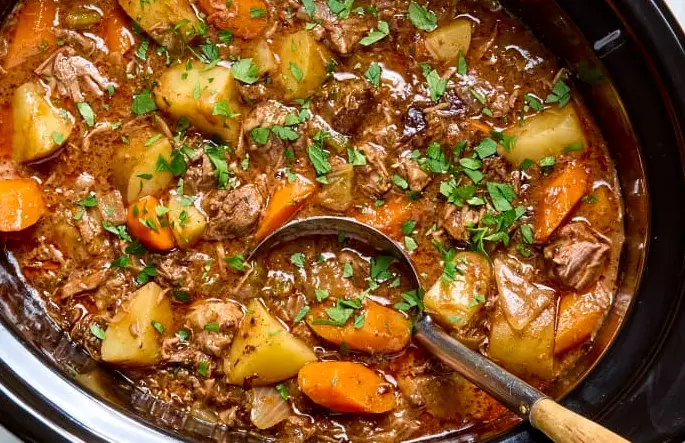
Think about making a sauce in a pan. You simmer it, and you see bubbles breaking the surface. That's water vapor escaping. The sauce reduces, concentrates, and thickens. In a crockpot, the steam mostly just condenses on the lid and drips back down. Zero reduction.
The other culprit is timing. Many traditional thickeners, like flour, don't play nice with long, acidic cooking times. They can break down, leaving you with a thin sauce again or a weird, grainy texture. So learning how to thicken slow cooker sauces correctly is as much about when and with what as it is about technique.
The Golden Rule of Thickening: Patience at the End
Here's the single biggest mistake people make: they add their thickener at the beginning. Don't do this. For almost every method listed below (except for a roux-based start), you add your thickener in the last 30 to 60 minutes of cooking.
Why? Two reasons. First, your vegetables (especially onions and mushrooms) will release more water as they cook. If you thicken too early, that new water will just thin everything out again. Second, long cooking can degrade some thickeners. Adding them late preserves their power and gives you control. You can adjust until it's perfect.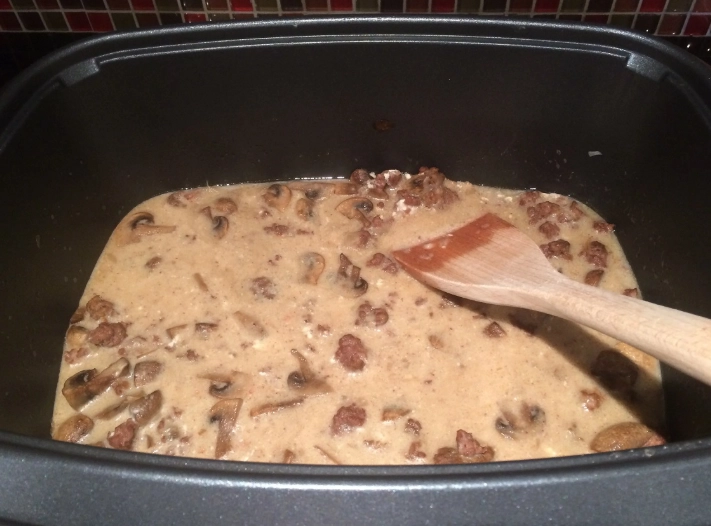
So, the universal first step for how to thicken slow cooker sauces is simple: turn the heat to HIGH for the final stretch. This gives the thickener a thermal boost to activate properly.
Your Arsenal: The 7 Best Ways to Thicken Slow Cooker Sauces
Not all thickeners are created equal. Some add flavor, some are invisible, some are for creamy dishes, and some are for classic gravies. Your choice depends on the dish, your dietary needs, and honestly, what you have in your pantry right now.
Let's break them down, from the most traditional to the clever workarounds.
1. The Cornstarch or Arrowroot Slurry (The Quick Fix)
This is the MVP for a reason. It's fast, effective, and gives a clear, glossy finish. It's my go-to for Asian-inspired dishes, sweet and sour sauces, or any time I want the sauce's color to shine through.
How it works: You mix a cold liquid with the powdery starch to create a “slurry.” When this slurry hits the hot sauce, the starch granules swell and thicken the liquid almost instantly.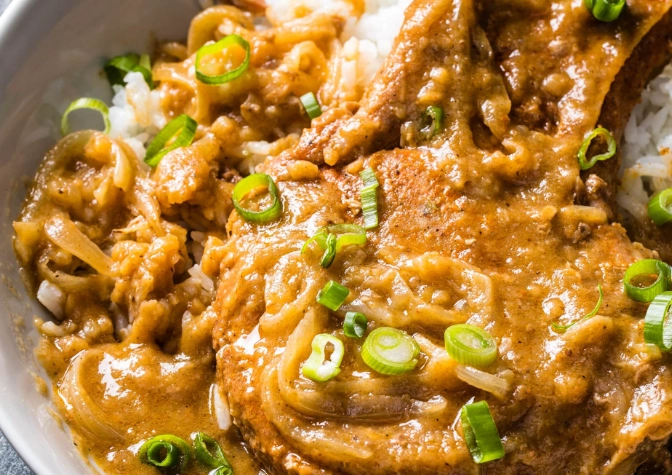
How to do it:
- For a standard 4-6 quart slow cooker full of food, mix 2 tablespoons of cornstarch or arrowroot powder with 3-4 tablespoons of cold water, broth, or even the sauce's own liquid (scoop some out and let it cool a bit first). Whisk until it's completely smooth—no lumps.
- Turn your slow cooker to HIGH. Stir the main pot well.
- While stirring the sauce in the slow cooker, slowly drizzle in the slurry. Keep stirring for a minute or two.
- Replace the lid and let it cook on HIGH for another 20-30 minutes. The sauce will thicken and lose any starchy taste.
The Good: Clear, glossy, neutral flavor, works quickly.
The Not-So-Good: Can get a bit “gummy” if you overdo it. Doesn't reheat well multiple times—sauces can thin out again. Arrowroot holds up better with dairy and freezing than cornstarch.
2. The All-Purpose Flour Slurry (The Pantry Staple)
Similar method, different starch. Flour gives a more opaque, matte, and traditional “gravy” look and feel. It's a bit more forgiving on the reheat than cornstarch.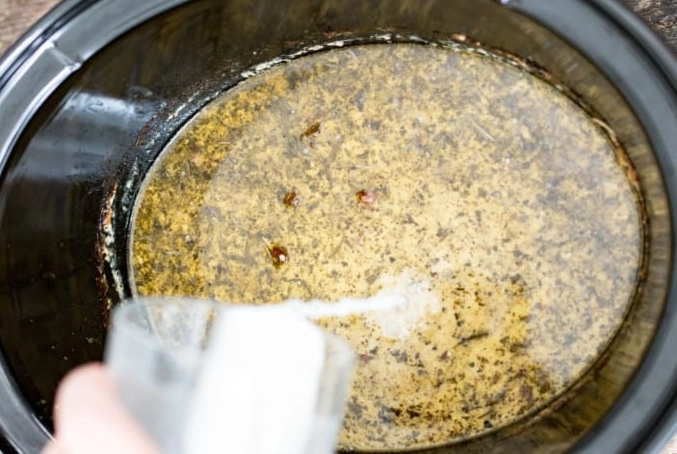
How to do it: The process is identical to the cornstarch slurry. Use a 1:2 ratio (1 part flour to 2 parts cold liquid). Mix until ultra-smooth. Stir into the hot sauce on HIGH, and cook for 30 minutes. The extra time cooks out the raw flour taste.
I find this method perfect for hearty beef stews or chicken and biscuits. It feels homey.
3. Beurre Manié (The Fancy French Secret)
Pronounced “burr mahn-yay,” this is just a fancy term for “kneaded butter.” It's a magical paste of equal parts soft butter and flour. The butter coats the flour particles, allowing them to disperse smoothly into hot liquid without lumping.
How to do it: Mash 2 tablespoons of soft (not melted) butter with 2 tablespoons of all-purpose flour until it forms a smooth paste. In the last 30 minutes, turn the cooker to HIGH. Drop small bits of the paste into the bubbling sauce while stirring. It will melt and thicken beautifully. Cook for 20-30 minutes.
This is my secret weapon for company-worthy dishes. It not only thickens but also adds a rich, silky mouthfeel and a lovely sheen that a water-based slurry just can't match. It's the ultimate answer for how to thicken slow cooker sauces for a special occasion.
4. The Roux (The Flavor Builder)
This is a pre-cooked mixture of fat and flour, and it's the foundation of Cajun cooking, gumbo, and many cream sauces. The key difference? You make the roux before the dish goes in the cooker, or you make it separately on the stovetop and add it late.
How to do it (Stovetop Add-In): In a skillet, melt 3 tablespoons of butter or oil over medium heat. Whisk in 3-4 tablespoons of flour. Cook, whisking constantly, for 2-5 minutes. For a deeper flavor (like for a beef stew), cook until it's a light caramel color—this is a “blond roux.” Let it cool slightly, then whisk in a ladleful of the hot slow cooker liquid to loosen it. Pour this mixture back into the slow cooker on HIGH for the last 30 minutes.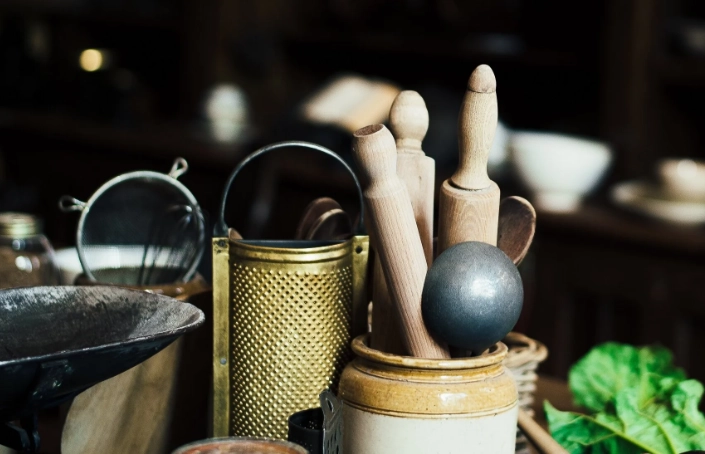
Using a roux adds a wonderful, nutty, toasted flavor. It's a bit more work, but for dishes like a slow cooker étouffée, it's non-negotiable.
5. Mashed Vegetables (The Sneaky, Healthy Thickener)
This is a brilliant, whole-food method. You use the vegetables that are already in your dish as the thickener. Potatoes, sweet potatoes, carrots, parsnips, or even beans work wonders.
How to do it: About 45 minutes before serving, use a slotted spoon to scoop out a cup or two of the cooked, soft vegetables from the pot. Mash them thoroughly with a fork or puree them with a little of the cooking liquid in a blender. Stir this paste back into the slow cooker. It thickens the sauce and amps up the vegetable flavor in the best way.
I love this for rustic stews. It feels wholesome and adds body without any “thickener” taste. It’s a fantastic gluten-free and low-carb option for how to thicken slow cooker sauces.
6. Pureeing Part of the Dish (The Creamy Blender Trick)
A close cousin to the mashed veg method, but here you're pureeing a portion of the entire contents—liquid and all. This is killer for lentil soups, bean chili, or creamy tomato-based sauces.
How to do it: Carefully ladle out 2-3 cups of the cooked stew (avoiding just the broth—get a mix of solids and liquid). Let it cool slightly, then puree until smooth in a blender or with an immersion blender. Stir this creamy puree back into the pot. It creates an instantly thicker, more cohesive sauce.
No extra ingredients needed. Just your own food, transformed.
7. The Starchy Add-Ins (The Passive Approach)
Sometimes, the best way to thicken slow cooker sauces is to plan for it from the start. Adding certain ingredients that release starch during the long cook can naturally improve the body.
- Instant Mashed Potato Flakes: Sounds weird, works incredibly well. In the last 15 minutes, sprinkle in flakes a tablespoon at a time, stirring well after each addition. It thickens quickly and adds a pleasant potato flavor. Great for pot roast gravy.
- Uncooked Rice, Pearled Barley, or Lentils: Toss in a handful at the beginning. As they cook, they'll release starch and absorb excess liquid. Just be mindful of cooking times—red lentils will dissolve completely, while brown rice will stay intact.
- Tomato Paste: Adding a tablespoon or two at the beginning adds umami and a subtle thickening power. For a bigger punch, stir in an extra spoonful during the last hour.
Head-to-Head: Choosing Your Champion Thickener
Still unsure which method to pick? This table breaks it down. Think about your dish and what you value most.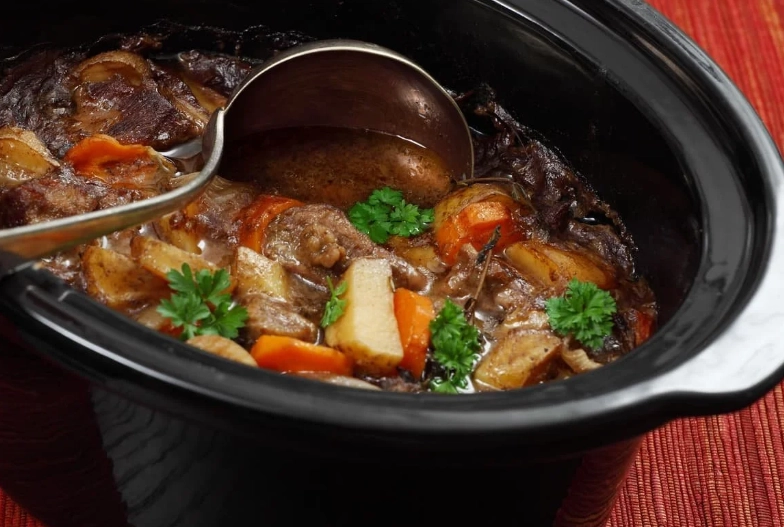
| Method | Best For... | Texture/Finish | Key Consideration |
|---|---|---|---|
| Cornstarch Slurry | Clear, glossy sauces (Asian, sweet & sour) | Glossy, slightly gelatinous | Don't overcook; doesn't freeze the best |
| Flour Slurry | Traditional gravies, hearty stews | Opaque, matte, classic | Needs 30 min to cook out raw flour taste |
| Beurre Manié | Rich, silky sauces for special dishes | Silky, luxurious, shiny | Adds fat (butter) and calories |
| Roux | Flavorful bases (gumbo, creole dishes) | Velvety, with toasted flavor notes | Requires separate stovetop step |
| Mashed Veggies | Healthy, rustic stews, gluten-free needs | Rustic, wholesome, flavorful | Requires vegetables that mash well |
| Pureeing | Bean soups, chilies, tomato sauces | Creamy, uniform, hearty | Changes the dish's texture profile |
| Starchy Add-Ins | Planning ahead, passive thickening | Varies (creamy to grainy) | Can alter final flavor (e.g., potato) |
Your Questions, Answered (The FAQ Bit)
Let's tackle the specific questions that pop up when you're frantically searching for how to thicken slow cooker sauces at the last minute.
Can I just use regular all-purpose flour by sprinkling it in?
You can try, but you'll likely get lumps. Flour has a protein (gluten) that wants to clump when it hits hot liquid. The slurry or beurre manié methods prevent this by coating the starch particles first. The experts at King Arthur Baking explain the science of starch gelatinization beautifully, which is why methods that prevent clumping are so crucial.
What's the real difference between cornstarch and flour for thickening?
It's a texture and clarity thing. Cornstarch gives a clearer, glossier, more “Chinese-restaurant” sauce. Flour gives a more opaque, matte, “home-style gravy” look. Cornstarch also has twice the thickening power of flour by volume, so you use less. One thing to note: according to food safety guidelines from sources like the USDA, bringing your sauce to a full boil after adding any starch thickener is a good practice to ensure food safety and eliminate any raw starch taste.
My sauce is already too salty. Will thickening make it worse?
Thickening concentrates flavors, including saltiness. If you're worried about salt, opt for a neutral thickener like cornstarch or arrowroot made with water, not broth. Or, use the mashed vegetable method, which dilutes slightly. Better yet, next time, use low-sodium broth.
I thickened it, but now it's too thick! Help!
No panic. This is an easy fix. Just stir in a little more hot broth, water, or even a splash of wine until it reaches your desired consistency. The beauty of learning how to thicken slow cooker sauces is that it's often adjustable.
What about for dairy-based sauces? Can I use these methods?
For creamy sauces, proceed with caution. High heat can make dairy curdle. For something like a slow cooker Alfredo, your best bet is to start with a roux-based sauce, use a cornstarch slurry with cool cream, or rely on the natural thickening power of cream cheese or shredded cheese stirred in at the end. The technique-focused guides from America's Test Kitchen often highlight the importance of temperature control with dairy, which is extra important in a slow cooker.
Can I thicken the sauce after it's already in my bowl?
Kind of.
You can make a quick slurry in a small saucepan with some of the leftover sauce, thicken it on the stovetop, and pour it over your leftovers. But for the main meal, it's best to do it in the pot so the flavors meld.
The One-Minute Emergency Fix
Dinner is served, the sauce is a soup, and you have no time. Here's your cheat code: use instant mashed potato flakes or instant stuffing mix. Sprinkle a tablespoon at a time directly onto the hot sauce in your serving bowl and stir vigorously. It will thicken on contact. It's not gourmet, but it will save the meal from being a total wash. I've done this more than once when my slurry decided to form a single giant lump.
So there you have it. No more watery disappointments. With these seven methods in your back pocket, you can confidently tackle any slow cooker recipe, knowing you have the power to finish it with a perfect, clinging, flavorful sauce. The next time you wonder how to thicken slow cooker sauces, just pick your fighter—the quick slurry, the fancy beurre manié, or the healthy veggie mash—and get the texture you crave.
Happy (and thick) slow cooking!
Reader Comments