Quick Navigation
Let's be honest, who has time to stand over a stove for hours? I know I don't. Between work, family, and just trying to catch a breath, getting a nutritious meal on the table can feel like a monumental task. That's where the humble slow cooker becomes a lifesaver. It's not just a gadget for potlucks; it's a secret weapon for anyone wanting to eat well without the fuss. This guide is all about turning that appliance into a fountain of delicious, healthy slow cooker soups.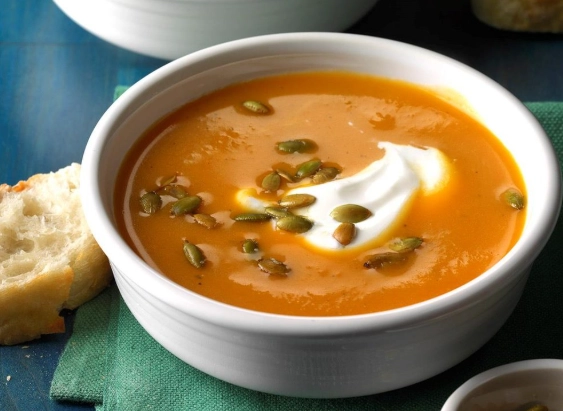
I've been using a crockpot for years, and I've made every mistake in the book. Soups that turned to mush, flavors that were bland as cardboard, you name it. But I've also stumbled upon some absolute winners—soups that make the house smell incredible and leave everyone asking for seconds. The goal here isn't just to give you recipes (though there are plenty). It's to give you the confidence and know-how to make healthy slow cooker soups a regular, stress-free part of your life.
Why This Works: The magic of healthy slow cooker soups lies in the low, steady heat. It gently coaxes flavors from vegetables, breaks down tough cuts of meat until they're fall-apart tender, and melds spices together in a way that high-heat cooking just can't match. All while you're out living your life.
Why Your Slow Cooker is the Best Tool for Healthy Soups
It's more than just convenience. Think about it. When you sauté vegetables on high heat, you can lose some of those precious vitamins and antioxidants. The slow cooker's gentle simmer helps preserve more of the nutrients in your ingredients. The U.S. Department of Agriculture's FoodData Central is a great resource if you're curious about the specific nutrient retention in different cooking methods.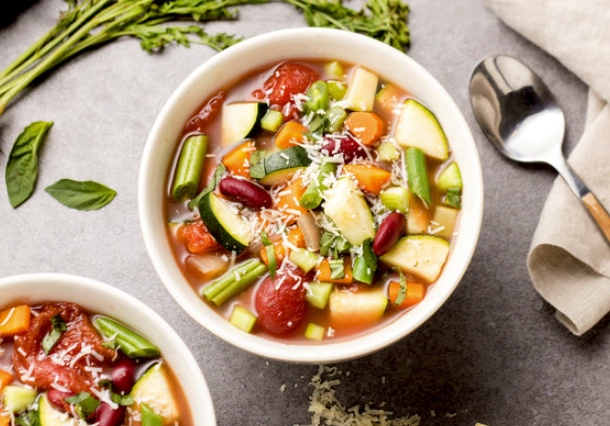
And let's talk about flavor depth. A soup that simmers for 8 hours develops a complexity that a 30-minute stove-top version struggles to achieve. The collagen from bones and tougher meats dissolves into the broth, making it rich, silky, and packed with protein. It's the difference between a snack and a meal.
Economical? Absolutely. You can use cheaper, tougher cuts of meat like chuck roast or chicken thighs, and they'll become the star of your healthy crockpot soup. Less food waste, too. Those carrots getting a bit soft? The half-onion in the fridge? Toss them in. They'll contribute amazing flavor.
But the biggest win for me is the mental load. The "what's for dinner?" panic evaporates when you know there's a pot of wholesome soup already doing its thing. It's one less decision to make on a busy day.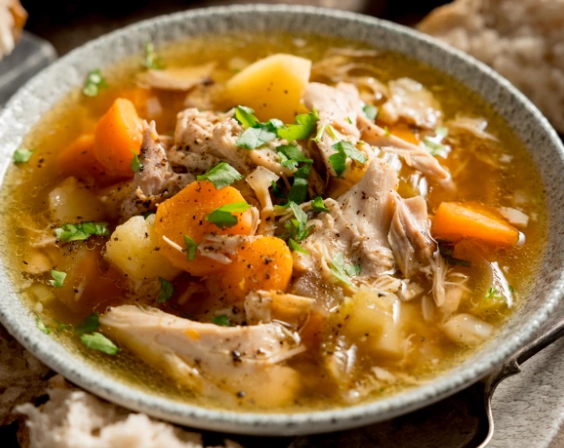
The Building Blocks of a Truly Healthy Soup
Not all slow cooker soups are created equal. You can just as easily make a pot of salty, cream-laden gloop. The key is focusing on whole, recognizable ingredients. Here’s what you need to think about.
Your Slow Cooker Itself
Size matters. A 6-quart model is the sweet spot for most families, giving you enough room for a big batch of healthy slow cooker soups with leftovers for lunch. I made the mistake of starting with a tiny 3-quart one and immediately had to upgrade. Look for one with a removable stoneware insert—it makes cleaning so much easier. The programmable ones are nice, but not essential. The basic low/high/warm settings do the job perfectly.
The Foundation: Broths and Liquids
This is where many soups go wrong. That can of condensed, salty broth? It's not doing you any favors. For the healthiest slow cooker soups, you have two fantastic options:
- Homemade Stock: It sounds fancy, but it's stupidly easy in the slow cooker. Save chicken carcasses, vegetable peels, and herb stems in a freezer bag. When it's full, dump it in the crockpot, cover with water, and cook on low for 12-24 hours. The flavor is incomparable, and you control the sodium. The National Center for Home Food Preservation has safe guidelines for handling and storing homemade stocks if you're new to it.
- Choosing a Store-Bought Broth: If making your own isn't happening this week (no judgement!), read the labels. Look for "low-sodium" or "no salt added" varieties. The ingredient list should be short: water, vegetables, meat, herbs. Avoid anything with "flavorings" or a long list of unpronounceable additives.
A Word on Safety: This is crucial. Never put frozen, large chunks of meat directly into the slow cooker. They can spend too long in the "danger zone" (40°F - 140°F) where bacteria multiply quickly. Always thaw meat in the refrigerator first. For more detailed food safety practices with slow cookers, the U.S. Food and Drug Administration's (FDA) food safety guidelines are an authoritative source to consult.
The Power Players: Vegetables, Proteins, and Grains
This is the fun part—building your soup's personality.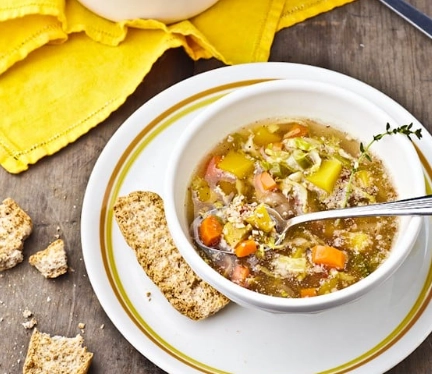
| Ingredient Type | Best Picks for Slow Cooking | When to Add Them | My Personal Notes |
|---|---|---|---|
| Hardy Vegetables | Carrots, potatoes, sweet potatoes, parsnips, turnips, celery, onions, garlic | At the beginning. They can handle the long cook time. | Onions and garlic are non-negotiable for base flavor. Don't skimp. |
| Tender Vegetables | Spinach, kale, zucchini, peas, corn, bell peppers | Last 30-60 minutes of cooking. | Adding kale at the end keeps its color and texture vibrant. Mushy kale is sad. |
| Proteins (Meat) | Chicken thighs, beef chuck, pork shoulder, turkey legs | At the beginning for shredding. Cut into chunks. | Chicken breasts dry out. Thighs stay juicy. Trust me on this. |
| Proteins (Plant-Based) | Brown or green lentils, chickpeas (canned), black beans (canned) | Lentils from start. Canned beans last 30 mins. | Red lentils dissolve into a lovely thick puree. Great for creamy soups without cream. |
| Grains & Legumes | Barley, farro, dried beans (soaked), wild rice | At the beginning, with enough liquid. | Pearl barley is my favorite. It adds a wonderful chew and thickens the soup beautifully. |
See? It's not rocket science. It's just knowing which ingredients play well with time and which ones turn to mush. Once you get this down, you can glance in your fridge and pantry and invent your own nutritious slow cooker meals.
Recipes to Get You Started (And Keep You Going)
Okay, let's get into the good stuff. Here are a few of my go-to healthy slow cooker soup recipes. They're templates more than rigid formulas. Feel free to swap vegetables based on what you have.
Hearty Lentil & Vegetable Soup (Vegan-Friendly)
This is my absolute favorite for a meat-free Monday. It's deeply satisfying, packed with fiber and protein from the lentils, and costs pennies to make.
What You'll Need: 1 cup brown or green lentils (rinsed), 1 large onion (chopped), 3 carrots (chopped), 3 celery stalks (chopped), 4 cloves garlic (minced), 1 can (14.5 oz) diced tomatoes, 6 cups low-sodium vegetable broth, 2 tsp dried thyme, 1 tsp smoked paprika, 4 cups chopped kale (stems removed), salt and pepper to taste.
The Simple Process: Dump everything except the kale into the slow cooker. Stir. Cook on LOW for 7-8 hours or HIGH for 4-5 hours. Stir in the kale during the last 30 minutes of cooking. Taste and season. That's it. The lentils thicken the soup into something stew-like and wonderful.
One winter, I lived on this soup. I'd make a batch on Sunday, and it would see me through three lunches. It never got boring.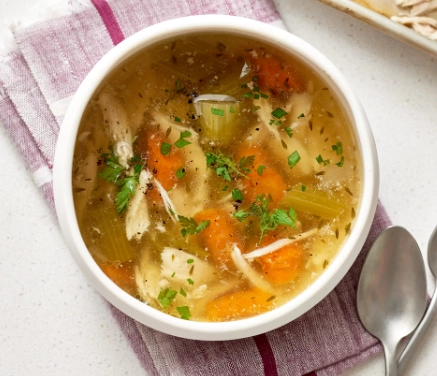
Classic Chicken & Vegetable Soup with a Twist
This is the chicken soup you know, but better. Using chicken thighs and a long simmer guarantees a rich, golden broth.
What You'll Need: 1.5 lbs boneless, skinless chicken thighs, 8 cups low-sodium chicken broth, 1 onion, 4 carrots, 3 celery stalks, 3 parsnips (peeled and chopped—trust me, they add sweetness), 4 cloves garlic, 1 bay leaf, 1 tsp dried rosemary, 1/2 cup pearl barley, 1/4 cup fresh parsley (chopped, for garnish).
The Simple Process: Place chicken thighs in the bottom of the pot. Add all chopped vegetables, garlic, barley, and herbs around them. Pour broth over everything. Cook on LOW for 8 hours. Remove the chicken, shred it with two forks, and return it to the pot. Discard the bay leaf. Stir in parsley before serving. The parsnips and barley make this soup feel incredibly hearty and rustic.
I once forgot the barley and used wild rice instead. It was different, but just as good. That's the beauty of these easy crockpot soup recipes—they're forgiving.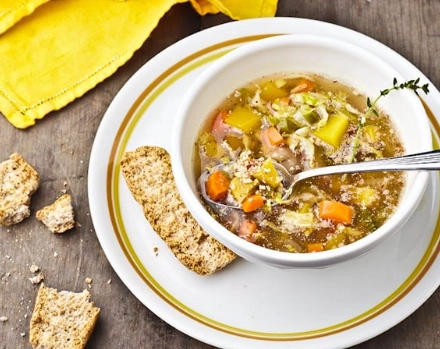
Pro Tips, Tricks, and Fixing Common Mistakes
You've got the basics. Now let's make you a pro. Here are the things I learned the hard way.
Layering is Your Friend (Sometimes)
For most healthy slow cooker soups, you can just chuck everything in and walk away. But if you have the extra 5 minutes, sautéing your onions, garlic, and spices in a pan before adding them can unlock a deeper, more complex flavor base. It's not mandatory, but it's a chef's trick that makes a noticeable difference, especially for spice-heavy soups like chili.
How to Thicken a Too-Watery Soup
This happens. You open the lid and it looks more like a broth than a soup. Don't panic.
- Mash It: Use a potato masher or the back of a spoon to mash some of the cooked potatoes or beans against the side of the pot. This releases starch and thickens the soup naturally.
- Slurry Solution: Mix 2 tablespoons of cornstarch or arrowroot powder with 1/4 cup of cold water or broth from the soup until smooth. Stir this mixture into the hot soup, set the cooker to HIGH, and cook for another 20-30 minutes until thickened.
- Puree a Portion: Carefully ladle about a third of the soup into a blender, puree until smooth (venting the lid to avoid steam explosions!), and stir it back in. This adds body and creaminess without any dairy.
My Blunder: I once added a cornstarch slurry to a cold soup and then turned the heat on. It created horrible, gelatinous lumps. Learn from my fail—always stir the slurry into hot liquid.
Seasoning: The Final, Critical Step
Season at the end. Broths reduce and flavors concentrate over 8 hours. If you salt heavily at the start, you might end up with a brine by dinner time. Add salt, pepper, a squeeze of lemon juice, or a dash of vinegar (like apple cider or sherry vinegar) at the very end. Acid is a magic wand—it brightens all the other flavors instantly.
Storing and reheating is straightforward. Let the soup cool, then store it in airtight containers. Most healthy slow cooker soups freeze beautifully for up to 3 months. Just leave a little room at the top of the container for expansion.
Answering Your Slow Cooker Soup Questions
I get asked these all the time. Here are the straight answers.
Can I really just put raw meat in the slow cooker?
Yes, absolutely. That's one of its main jobs. The key is that the meat must be fully thawed and the cooker must reach a safe temperature (140°F+) within a few hours. Using the right amount of liquid and not overfilling the pot helps it heat evenly. Always use a food thermometer to check that the meat has reached a safe internal temperature before serving.
Why is my soup bland even though I followed the recipe?
Nine times out of ten, it needs more salt. Salt isn't the enemy; it's a flavor enhancer. Add a little at a time, stirring and tasting. If it's still flat, try adding a bit of acidity (lemon juice or vinegar) or umami (a splash of soy sauce or Worcestershire sauce, a tablespoon of tomato paste).
Can I cook pasta or dairy directly in the slow cooker?
I don't recommend it for healthy slow cooker soups. Pasta turns to mush and absorbs all the liquid. Dairy (milk, cream, sour cream) can curdle from the prolonged heat. Cook pasta separately and add it to each bowl. Stir in dairy during the last 15-30 minutes of cooking, on LOW only.
Is it more energy-efficient than my stove?
Generally, yes. A slow cooker uses about as much energy as a standard light bulb. Running an electric stove element or oven for an hour uses significantly more power. For long-cooking dishes like soup, the slow cooker is the thriftier choice.
Help! I'm going to be gone for 10 hours. Will my soup be ruined?
Probably not. Most healthy slow cooker soups with plenty of liquid are very forgiving. The "warm" setting exists for this reason. After the cooking time is up, most programmable cookers will switch to "warm" and hold the soup safely for several more hours. If yours doesn't have a timer, and you're worried, opt for a soup with a longer cook time (like a bean soup) on LOW.
Wrapping It Up: Your New Soup Routine
So, there you have it. Making healthy slow cooker soups isn't about fancy techniques or expensive ingredients. It's about understanding how your appliance works and giving good ingredients time to become friends. Start with one of the recipes above. Get a feel for it. Then start experimenting.
The real benefit goes beyond a single meal. It's about reclaiming a bit of calm in your week. Knowing that a warm, nourishing dinner is waiting, no matter how chaotic the day gets. That's the true power of the slow cooker. It feeds your body and, in a small way, it feeds your peace of mind too.
Now go dust off that crockpot. You've got some soup to make.
Reader Comments