Your Quick Guide
- Why the "To Brown or Not to Brown" Debate Isn't Really a Debate
- The Step-by-Step Safe Method for Raw Ground Beef in a Slow Cooker
- Browned vs. Raw: A Side-by-Side Comparison
- Top Mistakes to Avoid (I’ve Made Some of These)
- A Foolproof, Delicious Recipe: Slow Cooker "No-Stress" Italian Beef Ragu
- Answering Your Burning Questions (The FAQ)
So you’re staring at a pack of raw ground beef and your slow cooker, and the question pops into your head: Can you put raw ground beef in a slow cooker? I’ve been there. You want the convenience, the "set it and forget it" magic, but a little voice in the back of your head whispers about food safety. Maybe you remember your grandma browning meat first, or you’ve read conflicting things online.
Let’s cut through the noise right away. The short, direct answer is yes, you can. But—and this is a massive, crucial "but"—you absolutely must follow specific safety guidelines to make sure your delicious, lazy-day meal doesn’t make anyone sick. Simply dumping it in straight from the package is where many people go wrong, and honestly, it’s a bit of a gamble I wouldn’t recommend taking.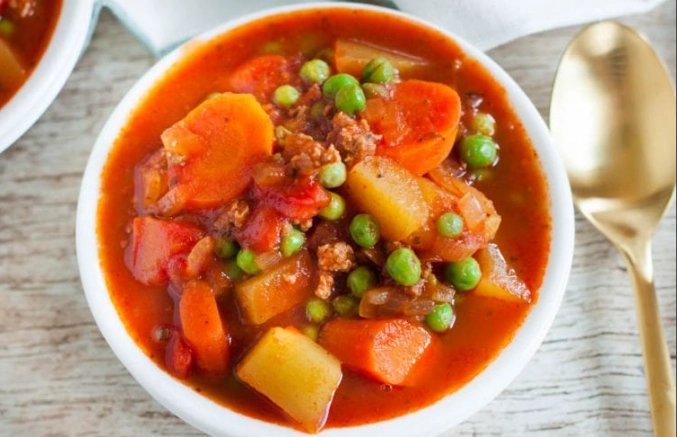
The USDA states that all ground beef must be cooked to an internal temperature of 160°F (71°C) to destroy harmful bacteria like E. coli and Salmonella. A slow cooker can reach this temperature, but how you prepare the meat determines how safely and evenly it gets there.
This isn’t just about following rules. It’s about understanding why those rules exist, so you can cook with confidence. We’re going to dive deep into the science, the best practices, the myths, and I’ll even throw in a killer recipe that works perfectly every single time.
Why the "To Brown or Not to Brown" Debate Isn't Really a Debate
Ask ten home cooks, and you’ll get eleven opinions on whether you need to brown ground beef before it goes into the slow cooker. Some swear by it for flavor, others skip it for time. But from a safety and quality standpoint, the scale tips heavily in one direction.
Think about how a slow cooker works. It heats slowly and evenly, which is fantastic for tough cuts of meat but creates a potential danger zone for dense, compacted ground beef. When you place a solid block or thick layer of raw ground beef into the pot, the heat takes a long time to penetrate the center. That center can linger in the temperature range where bacteria thrive (40°F to 140°F) for too long.
Browning the beef first in a skillet isn’t just about creating those tasty, caramelized bits (the Maillard reaction, if you want the technical term). It’s a critical safety step. Searing the meat quickly raises its surface temperature, killing surface bacteria and breaking up the dense structure. Once you’ve done that, the slow cooker’s job is just to finish cooking it through and meld the flavors, not to start from a potentially hazardous cold, raw mass.
I learned this the slightly nerve-wracking way years ago. I was in a huge rush and dumped raw ground beef straight into the cooker for a chili. The chili tasted fine, but the entire time it was cooking, I was worried. Was it safe? Had I stirred it enough to break it up? It turned out okay, but the anxiety wasn’t worth the 10 minutes I saved. Never again.
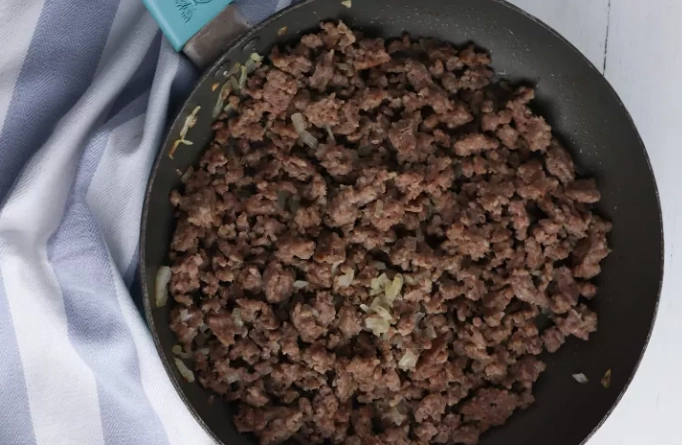 The peace of mind is worth the extra pan to wash.
The Step-by-Step Safe Method for Raw Ground Beef in a Slow Cooker
If you are going to start with raw ground beef, here’s the only way I’d personally do it. This method maximizes safety and gives you a much better texture.
- Break It Up, Don't Dump It: Never, ever put the whole block or a large clump in. Take the raw ground beef and crumble it finely with your fingers or a fork directly into the slow cooker insert. You want a loose, almost fluffy layer, not a dense puck.
- Add Liquid, and Plenty of It: This is non-negotiable. Ground beef needs to be submerged or at least surrounded by liquid (broth, water, sauce, tomatoes) to conduct heat evenly. Dry ground beef in a slow cooker is a recipe for uneven cooking. Pour your cooking liquid over the crumbled meat.
- Stir Vigorously at the Start: Once you’ve added your liquid and other ingredients, stir everything together thoroughly, breaking up any remaining clumps of beef. This ensures the meat is distributed and won’t stick together in big chunks.
- Cook on HIGH for the First Hour: Start your slow cooker on the HIGH setting. This helps the contents come out of the "danger zone" temperature range as quickly as possible. After the first hour, you can reduce it to LOW for the remainder of the cooking time.
- Stir Occasionally: Unlike whole cuts of meat, it’s a good idea to give your ground beef dish a stir once or twice during cooking, if possible. This promotes even heating.
- Verify the Temperature: This is the most important step. Before serving, use a digital meat thermometer to check the temperature of the beef in several spots, especially in the center of the pot. It must read 160°F (71°C). No excuses. If it’s not there, keep cooking.
Pro Tip: For ultimate safety and the best flavor, I strongly recommend taking the extra 10 minutes to brown the beef first. The difference in taste and texture is noticeable, and it completely eliminates the safety concern. It’s the method endorsed by food safety experts, including those at the USDA's Food Safety and Inspection Service.
Browned vs. Raw: A Side-by-Side Comparison
Let’s make this crystal clear. Here’s what happens when you choose each path.
| Aspect | Starting with Raw Ground Beef | Starting with Browned Ground Beef |
|---|---|---|
| Safety | Requires meticulous technique (crumbling, liquid, high heat start) to be safe. Higher risk if done incorrectly. | Superior. Pre-cooking eliminates surface bacteria and jump-starts the heating process. |
| Flavor | Good, but can be bland or "boiled" tasting. Lacks the deep, savory, caramelized notes. | Excellent. Browning (the Maillard reaction) creates complex, rich flavors that permeate the whole dish. |
| Texture | Can be mushy or grainy if not handled perfectly. Fat renders into the sauce without being seared. | Firmer, more distinct texture. Better mouthfeel. |
| Visual Appeal | Often looks pale and uniform in color. | Has appealing brown bits and a richer overall color. |
| Convenience | Seems more convenient (one pot), but requires more careful steps during prep. | Adds one pan to wash, but prep is simpler and cooking anxiety is zero. |
| Fat Management | All the fat melts into the dish. Can make sauces greasy. | You can drain excess fat after browning, resulting in a less greasy final product. |
Looking at that table, the choice becomes pretty obvious, doesn’t it? The only real advantage of using raw ground beef is the perception of saving one step. But when you factor in the need to crumble, stir, and monitor temperature more closely, that advantage vanishes.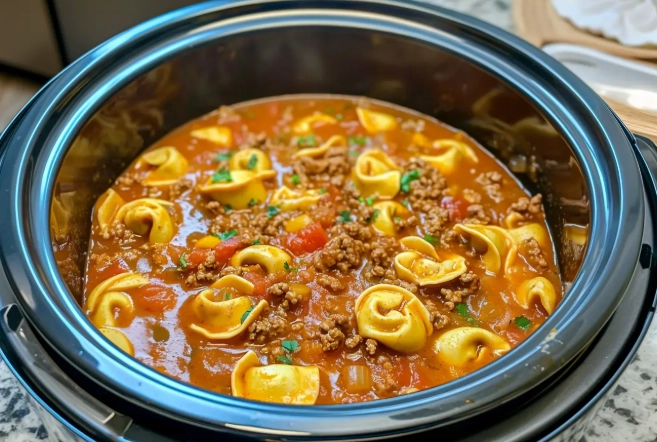
Top Mistakes to Avoid (I’ve Made Some of These)
Let’s talk about where things go wrong. Knowing these pitfalls will save your dinner.
- The Frozen Block Blunder: Putting a frozen solid block of ground beef in the slow cooker is a definite no. The outside will be overcooked and dry long before the inside is safe. Always thaw ground beef completely in the refrigerator before using it. The University of Minnesota Extension has great guidelines on safe thawing methods.
- The Overcrowded Pot: Filling your slow cooker more than two-thirds full, especially with dense ground beef, prevents proper heat circulation. The food in the center may never reach a safe temperature.
- Assuming "Low" is Safe for Raw Meat: While low heat is fine for long-cooking stews, starting raw ground beef on the LOW setting extends its time in the danger zone. If you must start raw, use HIGH first.
- Skipping the Thermometer: You can’t tell if ground beef is safe by looking at its color. It can brown before reaching 160°F, and it can sometimes stay pinkish even after reaching a safe temperature (especially with meats like meatloaf). A digital instant-read thermometer is your best friend.
- Using Old or Undersized Appliances: An older slow cooker that doesn’t maintain consistent heat, or a very large cooker with a small amount of food, may not get hot enough. If you’re unsure, test it by filling it with water and checking if it reaches a simmer on LOW after a few hours.
A Foolproof, Delicious Recipe: Slow Cooker "No-Stress" Italian Beef Ragu
Here’s my go-to recipe that follows all the best practices. It delivers incredible flavor with minimal active work, and you’ll never wonder, "Can you put raw ground beef in a slow cooker?" because we’re browning it first for the best results.
Slow Cooker Hearty Italian Beef Ragu
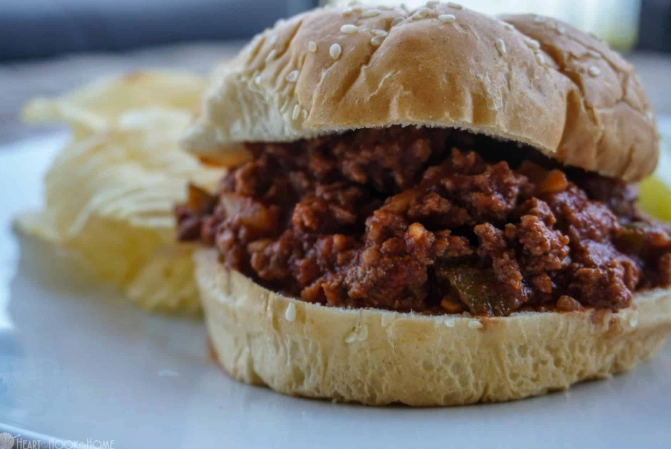
Perfect over pasta, polenta, or even as a sloppy Joe filling. Serves 6-8.
Ingredients:
- 2 lbs lean ground beef (85/15 or 90/10 works well)
- 1 large onion, finely diced
- 4 cloves garlic, minced
- 2 carrots, finely diced
- 2 celery stalks, finely diced
- 1 (28 oz) can crushed tomatoes
- 1 (6 oz) can tomato paste
- 1 cup beef broth
- 1 cup dry red wine (like Chianti) or additional beef broth
- 2 tsp dried oregano
- 1 tsp dried basil
- 2 bay leaves
- Salt and freshly ground black pepper to taste
- 1 tbsp olive oil
Instructions:
- Heat the olive oil in a large skillet or Dutch oven over medium-high heat. Add the ground beef and cook, breaking it up with a spatula, until it’s no longer pink and is nicely browned. This takes about 8-10 minutes. Drain off any excess fat (this is a key step for a non-greasy sauce).
- Transfer the browned beef to your slow cooker insert.
- In the same skillet (with the flavorful bits left behind), add the onion, carrot, and celery. Cook for 5-7 minutes until softened. Add the garlic and cook for 1 more minute until fragrant. Pour in the red wine to deglaze the pan, scraping up all the browned bits—this is pure flavor! Let it simmer for 2 minutes.
- Scrape the entire vegetable and wine mixture into the slow cooker with the beef.
- Add the crushed tomatoes, tomato paste, beef broth, oregano, basil, bay leaves, a good pinch of salt, and several grinds of black pepper to the slow cooker. Stir everything together until well combined.
- Cover and cook on LOW for 7-8 hours or on HIGH for 3-4 hours. The longer, slower cook on LOW yields a more melded flavor.
- About 30 minutes before serving, remove the lid to allow the sauce to thicken slightly. Taste and adjust seasoning. Remove the bay leaves.
- Serve over your favorite pasta with plenty of Parmesan cheese.
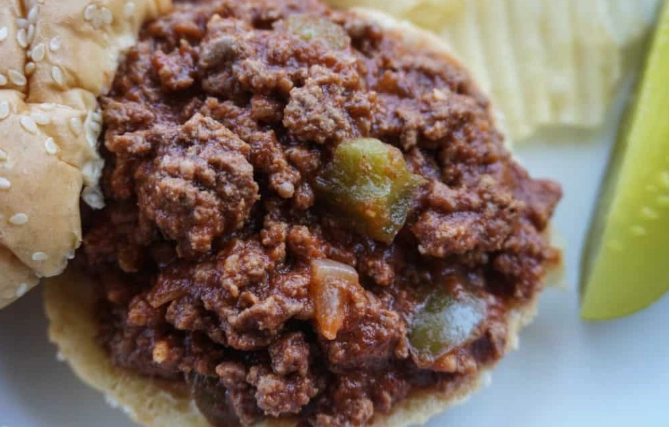
Why This Recipe Works: By browning the beef and sautéing the veggies first, we’ve built layers of flavor that the slow cooker then melds together beautifully. We’ve also managed the fat by draining it, ensuring a rich but not oily sauce. Safety is a non-issue because the beef was brought to a high temperature during browning.
Answering Your Burning Questions (The FAQ)
The Final Verdict
So, can you put raw ground beef in a slow cooker? Technically, yes, if you are extremely careful about how you do it—crumbling it finely, adding ample liquid, starting on high heat, and verifying the final temperature.
But the real question you should ask is: Should you? For the sake of flavor, texture, and absolute peace of mind, the answer is a resounding no. The minimal time saved by skipping the browning step is not worth the risk of foodborne illness or the compromise in quality.
Your slow cooker is a fantastic tool for developing deep, rich flavors over time. Give it the best starting point. Take those ten minutes to brown your ground beef in a skillet. Drain the fat. Sauté your aromatics. Your future self, enjoying a delicious and worry-free meal, will thank you for it.
 At the end of the day, cooking should be enjoyable, not stressful. Knowing the right way to handle ingredients like ground beef in appliances like the slow cooker takes the guesswork out and puts the fun back in. Now go make something amazing.
Reader Comments