What You’ll Find Here
Ever pulled a bag of frozen teriyaki meatballs out of the freezer only to wonder, 'Now what?' You're not alone. These little flavor-packed spheres are a freezer staple for good reason—they promise a quick, tasty meal with minimal fuss. But let's be honest, not all bags are created equal, and nailing the cooking method makes all the difference between a soggy letdown and a glorious, sticky-sweet dinner triumph.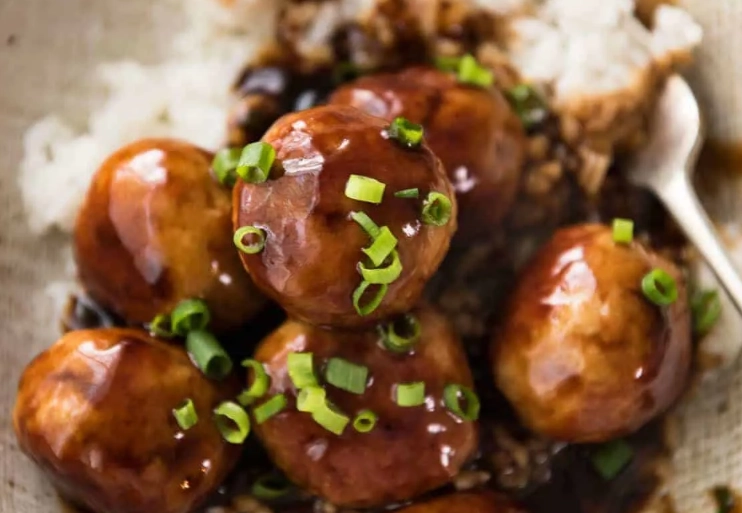
I've been there. Standing in the frozen aisle, staring at a dozen options, wondering which brand won't be a mushy mess or taste like pure salt. And I've definitely overcooked a batch into little hockey balls. Through plenty of trial and error (and a few disappointing dinners), I've figured out what works and what doesn't. This guide is that hard-won knowledge, all in one place. We're going to talk about how to pick the best bag of frozen teriyaki meatballs, how to cook them perfectly every single time (oven, stove, air fryer—you name it), and what to do with them once they're hot and ready. Think of this as your no-nonsense manual for getting the most out of this freezer shortcut.
The Ultimate Buying Guide: Navigating the Freezer Aisle
It all starts in the grocery store. The freezer section can be overwhelming, with bags shouting about 'premium quality' and 'restaurant style.' How do you cut through the noise? You look at the details most people skip.
First up, the meat. Are you getting chicken, beef, pork, turkey, or a blend? Chicken and turkey teriyaki meatballs frozen tend to be leaner, while beef and pork bring more fat and, often, more flavor. Some brands use a mix, which can be great for texture. Check the protein content per serving—it's a quick way to gauge quality. A paltry amount usually means more filler.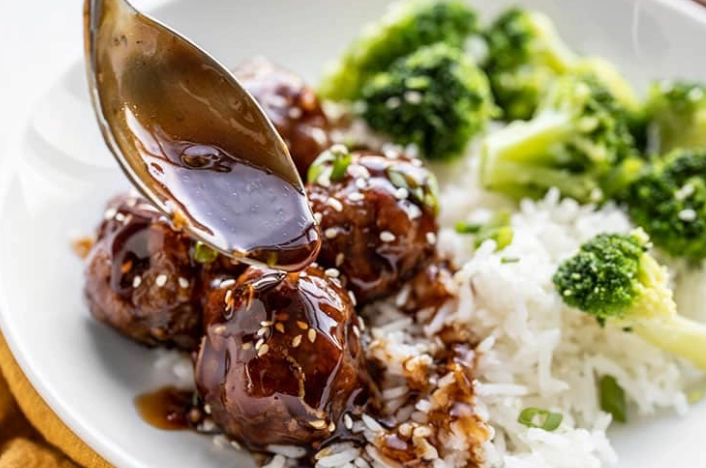
And speaking of filler... the ingredient list is your best friend. You want to see meat listed first, obviously. Then, look at the teriyaki component. Is the sauce already on the meatballs, or is it a separate pouch? Pre-glazed balls are super convenient but can sometimes get a weird texture after freezing. Sauce-on-the-side gives you more control. Watch out for a long list of unpronounceable stabilizers and preservatives. Some are necessary for frozen food, but a shorter list generally points to a cleaner product.
Then there's the sauce itself. A good teriyaki sauce balances sweet (from sugar or mirin) and savory (from soy sauce). I'm personally not a fan of sauces that are cloyingly sweet—it overpowers everything. Look for mentions of ginger and garlic in the ingredients; they're the soul of a good teriyaki. Some brands even use real pineapple juice, which adds a fantastic depth.
Let's talk brands. I've tried my fair share. Some national brands are consistently decent—they're your reliable, 'it's Tuesday night and I need food now' option. But don't sleep on store brands. Some supermarket chains have surprisingly good frozen teriyaki meatballs that rival the name brands for a lower price. Then there are the premium brands you might find at specialty stores or online. They often use higher-quality meat and more authentic sauces, but you pay for it.
Here’s a quick, honest breakdown of what you might encounter based on my own kitchen experiments:
| Brand Type | What to Expect | Best For | Watch Out For |
|---|---|---|---|
| National Brands (e.g., familiar names in every store) | Consistent size, widely available, sauce is usually reliable and sweet. | Weeknight dinners, feeding a crowd on a budget, predictable results. | Can be higher in sodium and fillers; sauce can be one-note sweet. |
| Supermarket Store Brands | Great value, sometimes simpler ingredient lists. Quality varies wildly by chain. | Budget-conscious cooks willing to experiment. A potential hidden gem. | Inconsistent texture. Some can be mushy or have a rubbery bite. |
| 'Premium' & Specialty Brands | Better cuts of meat, more complex sauce flavors, cleaner labels. | When you want to impress or prioritize ingredient quality. Special occasions. | The price tag. Also, they might be harder to find locally. |
| Plant-Based / Veggie Balls | A great option for vegetarians or reducing meat intake. Often glazed in teriyaki. | Dietary restrictions, mixing up meal routines. Can be surprisingly tasty. | Texture is different—can be softer. Watch protein and sodium content. |
One last thing on buying: check the bag for any ice crystals or frozen clumps. A lot of frost inside can mean the product has been temperature-abused or stored for too long, which leads to freezer burn. You want individually frozen meatballs that rattle loosely in the bag.
Mastering the Cook: No More Dry or Soggy Meatballs
Okay, you've got your bag of frozen teriyaki meatballs. This is where the magic (or the tragedy) happens. The biggest mistake people make? Following the package instructions blindly. Sometimes they work, sometimes they lead to overcooked, dry centers. The key is understanding that you're reheating a fully cooked product. Your goal is to heat them through while getting a nice caramelization on the sauce.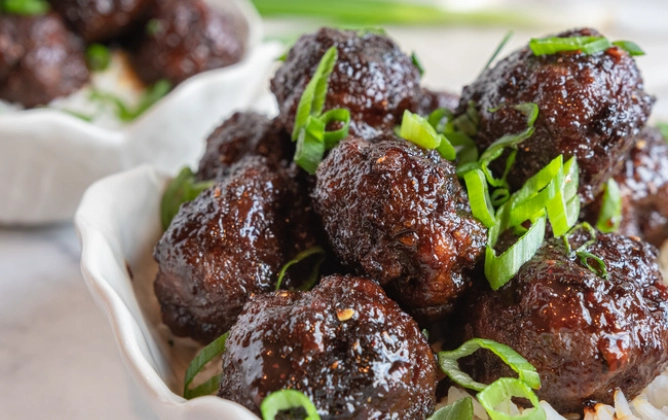
The Oven Method (The Reliable Standard)
This is my go-to for hands-off cooking and getting that slightly caramelized, sticky exterior. Preheat your oven to 400°F (200°C). Line a baking sheet with parchment paper or foil for easy cleanup. Spread the frozen teriyaki meatballs in a single layer—don't crowd them, or they'll steam instead of roast.
Why does this work better than the package's often-lower temperature? The high heat quickly heats the interior while efficiently reducing the sauce on the outside, preventing a soggy, boiled texture.
The Skillet/Stovetop Method (For Speed & Control)
Need dinner in 10 minutes flat? This is your method. Heat a non-stick or well-seasoned skillet over medium heat. Add the frozen teriyaki meatballs directly to the dry, hot pan. No oil needed initially—the sauce will provide moisture.
Let them sit for a minute to get some color on one side, then start tossing and stirring frequently. As they thaw and release their sauce, it will start to coat the pan. Keep moving them around. The constant motion and direct heat reduce the sauce quickly into a thick, glossy coating. The whole process takes about 8-10 minutes. The result is a deeply caramelized, intensely flavored glaze on each meatball. The downside? You have to pay attention. It's easy to scorch the sugar in the sauce if the heat's too high.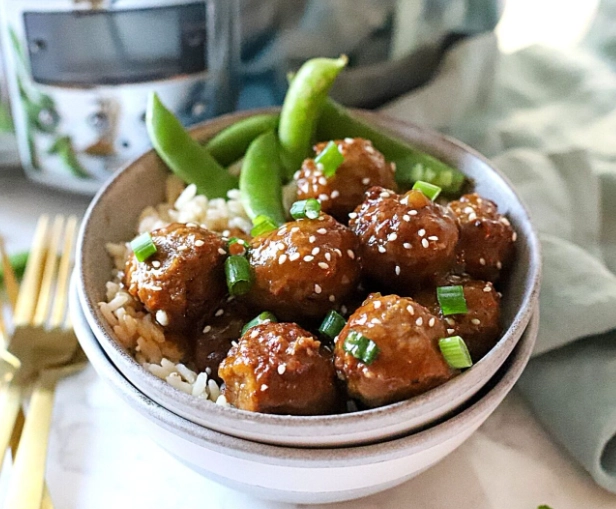
The Air Fryer Method (For Maximum Crisp)
If you love a slightly crispy exterior, the air fryer is a game-changer for frozen teriyaki meatballs. Preheat your air fryer to 380°F (193°C). Place the frozen meatballs in the basket in a single layer—again, no crowding. Cook for 8-10 minutes, shaking the basket halfway through.
The circulating hot air cooks them evenly and does an excellent job of thickening and glazing the sauce while adding a delightful textural contrast. Just be aware that very saucy meatballs can cause some smoking as the sugar caramelizes. It's not a deal-breaker, but it's good to know.
What About the Microwave?
I'll be blunt: I don't recommend it for frozen teriyaki meatballs if you care about texture. The microwave steams them, making the exterior soft and sometimes rubbery, and the sauce stays thin and watery. It's the quickest method, sure, but the results are often disappointing. Save the microwave for reheating leftovers that were originally cooked with a better method.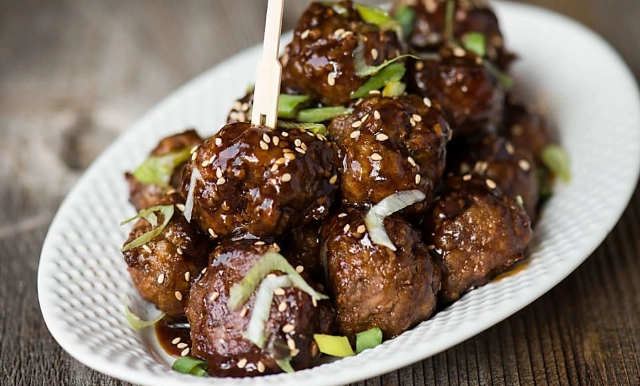
No matter which method you choose, the best way to check for doneness is to cut one open. The center should be piping hot. An instant-read thermometer should read 165°F (74°C) for food safety, especially for poultry-based meatballs. The U.S. Department of Agriculture's Food Safety and Inspection Service is the authoritative source for these safe internal temperatures, and it's a good habit to follow their guidelines.
Trust me, taking that extra minute to check beats serving lukewarm centers.
Beyond the Bag: Serving Ideas & Making Them Your Own
So you've cooked a perfect batch of teriyaki meatballs frozen. Now what? Eating them straight from the pan is a valid life choice, but let's get creative.
The classic move is over rice. Fluffy white or brown rice soaks up the extra sauce beautifully. But why stop there?
- Noodle Bowls: Toss them with cooked udon, soba, or ramen noodles, some steamed broccoli, and sliced scallions. Drizzle with a little extra soy sauce or sesame oil.
- Sub Sandwiches: Pile them into a toasted hoagie roll with some shredded lettuce and a swipe of mayo. Messy and amazing.
- Appetizer Platter: Stick toothpicks in them and serve as a party appetizer. They disappear fast.
- Pizza Topping: Chop them up and scatter over a cheese pizza before baking. Sounds weird, tastes great.
- Fried Rice: Dice them up and throw them into your fried rice during the last few minutes of cooking.
Feeling fancy? Doctor up the sauce. If the teriyaki glaze from the bag is too sweet for you, add a splash of fresh lime juice or rice vinegar to brighten it. A pinch of red pepper flakes adds heat. A teaspoon of grated fresh ginger or minced garlic simmered with the meatballs for the last minute transforms the flavor profile entirely.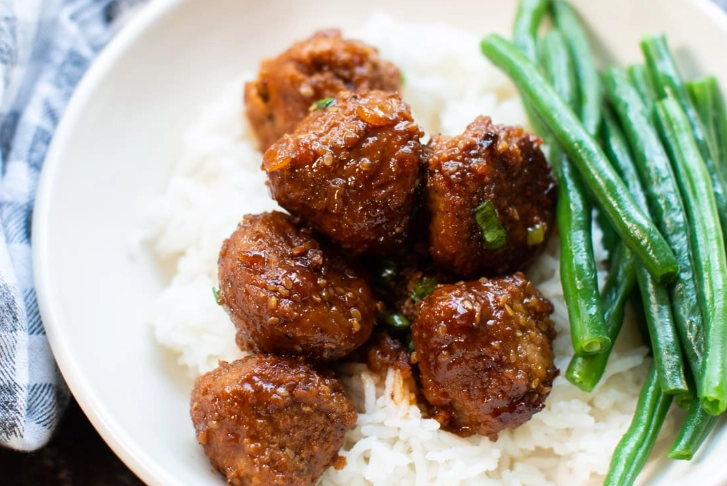
The Health & Nutrition Conversation
Let's talk honestly about frozen teriyaki meatballs and health. They're a processed food. They're not a salad. But they can fit into a balanced diet with a little awareness.
The main things to look at are sodium, sugar, and protein. As I mentioned earlier, sodium can be very high. If you're watching your salt intake, choosing a lower-sodium brand or moderating your portion size is key. The sugar content comes from the teriyaki glaze. It's what makes them tasty, but it's worth noting. Pairing them with lots of vegetables (like a big side of steamed bok choy or a cucumber salad) helps balance the meal.
On the positive side, they are a good source of protein, which helps keep you full. Choosing a chicken or turkey option often means less saturated fat than beef or pork. For more detailed guidance on balancing processed foods in your diet, resources from reputable institutions like the Harvard T.H. Chan School of Public Health's Nutrition Source offer science-backed advice.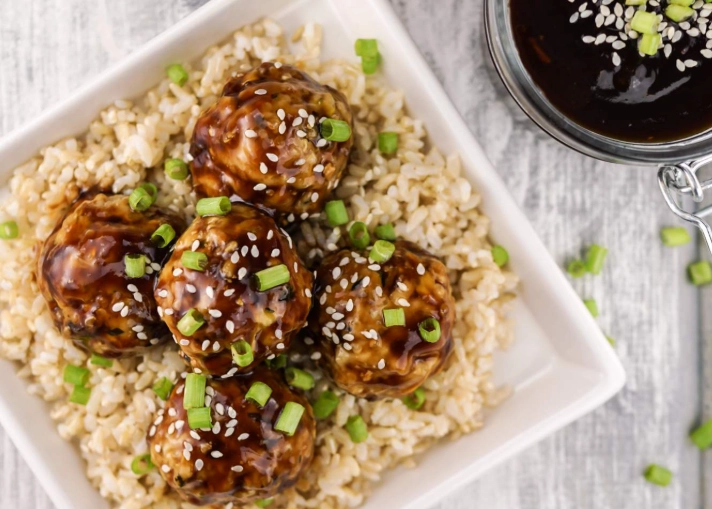
For those with dietary restrictions, always check labels carefully for allergens like soy, wheat (in the soy sauce and potential fillers), and sesame. Many brands now offer gluten-free or organic options, which are easier to find than ever.
Freezer to Feast: Your Teriyaki Meatball FAQs Answered
Too thick: Add a splash of water, broth, or pineapple juice to the pan and stir over low heat until it loosens to your desired consistency.
There you have it.
From a confusing freezer aisle to a confidently prepared plate, mastering the world of frozen teriyaki meatballs is all about knowing what to look for and how to treat them right in your kitchen. They're a fantastic tool for busy lives—a shortcut that doesn't have to taste like one. Whether you're air-frying them for a quick snack or simmering them for a family dinner over rice, a little knowledge turns this frozen staple into a reliably delicious solution. Now go forth, check those labels, crank up that oven, and enjoy the sweet, savory, sticky goodness.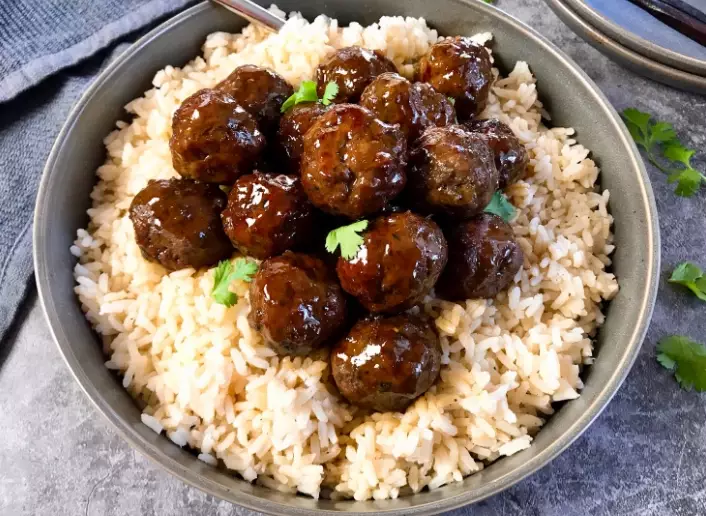
Reader Comments