Quick Guide
Let's be honest. You've probably stood in front of the meat counter, staring at all those different cuts, wondering which one won't turn into shoe leather after eight hours in the crockpot. I've been there too. You buy a nice-looking piece, follow a recipe to the letter, and end up with something dry, stringy, and frankly, a bit disappointing. It feels like a waste of time and money.
But here's the thing – it's almost never your fault. The secret to a legendary slow cooker roast that falls apart with a fork and floods your kitchen with that incredible smell isn't some magical recipe trick. It starts way before you even turn the appliance on. It starts with picking the right piece of meat.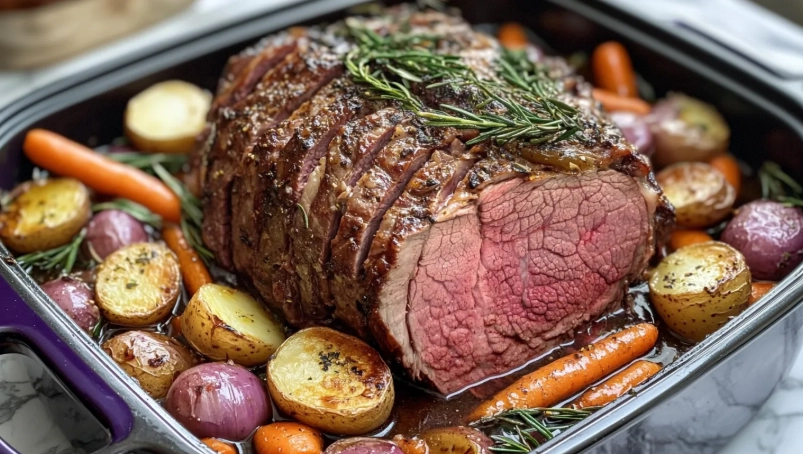
After years of trial and error (and yes, some genuine failures), I've learned that choosing the best beef for slow cooker roast is a game-changer. It's the difference between a “meh” weekday dinner and a meal your family asks for again and again. This guide isn't about fancy cooking techniques; it's about giving you the knowledge to walk into any store and confidently pick the perfect cut every single time.
Why Your Current Choice Might Be Wrong
Most people think a lean, expensive cut like sirloin or tenderloin is the “best” beef. For grilling or pan-searing? Absolutely. For a slow cooker roast? That's a one-way ticket to Tough Town. Slow cooking works by gently breaking down tough connective tissue and melting intramuscular fat over many hours. Lean cuts have very little of that. They're already tender to begin with, and long cooking just dries them out. The true best beef for your slow cooker roast is often the cheaper, tougher, more marbled cut that other cooking methods can't handle.
The Undisputed Champion: Chuck Roast
If you only remember one thing from this guide, let it be this: the chuck roast is the king, the MVP, the undisputed heavyweight champion of the slow cooker world. When people talk about the best beef for slow cooker roast, they are, 95% of the time, talking about chuck.
Why does it reign supreme? It comes from the shoulder area of the cow, a muscle that works hard. All that work builds up two things we love for slow cooking: flavor and connective tissue (specifically, collagen). Chuck is beautifully marbled with fat ribbons running through it. Over 6-8 hours of low, moist heat, that fat slowly renders, basting the meat from the inside out, while the collagen melts into rich, mouth-coating gelatin. The result isn't just tender; it's succulent, juicy, and packed with deep beefy flavor.
You might see it labeled in a few ways: Chuck Roast, Chuck Eye Roast, Shoulder Pot Roast, or even “Blade Roast.” They're all fantastic. My personal favorite is the Chuck Eye Roast – it's like the ribeye's more affordable, slow-cooking cousin, with incredible marbling.
Here’s a little story. I once decided to be “fancy” and used a prime rib roast in the slow cooker for a holiday meal. Big mistake. It was bland and dry. The next week, I made the same recipe with a humble chuck roast. The flavor was ten times richer, and the texture was perfect. It was a stark lesson in using the right tool for the job.
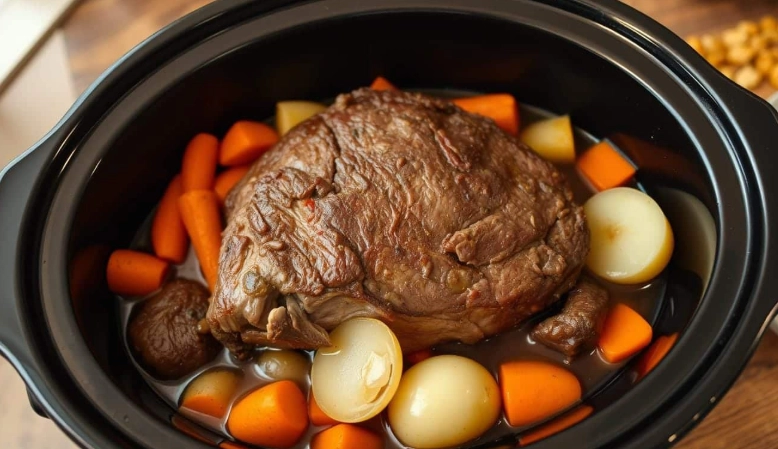 Chuck roast. Just trust me on this one.
The Contenders: Other Top-Tier Cuts for Your Pot
While chuck is the gold standard, your slow cooker isn't a one-cut wonder. Other cuts can produce amazing results, depending on what you're after—whether it's shreddability, a specific flavor, or just what's on sale. Let's break them down.
Brisket: The Barbecue Favorite
Brisket is famous for BBQ, but it's also a stellar candidate for the slow cooker. It's a large, flat cut from the chest with a very dense grain and a serious fat cap. That fat cap is key. When cooked low and slow, it keeps the meat incredibly moist. The texture is different from chuck—it's more suited to slicing than chunking, but it still becomes beautifully tender. A word of caution: brisket can be leaner in parts, so make sure there's plenty of liquid in your pot. If you find a well-marbled “point cut” brisket, grab it. It's a fantastic alternative for the best slow cooker roast beef experience, especially if you love that classic smoky flavor (even without a smoker).
Bottom Round / Rump Roast: The Leaner Option
Now we're getting into trickier territory. Bottom round or rump roast comes from the back leg. It's much leaner and has a tighter grain. Can it work? Yes, but it requires more attention. Because it lacks fat, it has less margin for error. Overcook it by even an hour, and it can become dry and chewy. If you're watching your fat intake or this is what's available, you can make a decent roast with it. The trick is to not skimp on the cooking liquid (broth, wine, etc.), keep the cooking time on the lower end (maybe 6-7 hours on low), and slice it very thinly against the grain when it's done. It's good, but it's not as forgiving or as luxuriously juicy as chuck.
Short Ribs: The Flavor Bomb
Okay, short ribs aren't a “roast” in the traditional sense, but if your goal is the most intensely beefy, fall-off-the-bone meat imaginable, you must try them in the slow cooker. They are arguably the most flavorful cut on the entire animal. They're basically little bundles of meat, fat, and bone—the holy trinity for rich cooking. The bone marrow melts into the sauce, creating something close to culinary magic. They're more expensive per pound, but the flavor payoff is immense. Think of them as the decadent, special-occasion version of your best beef for slow cooker roast.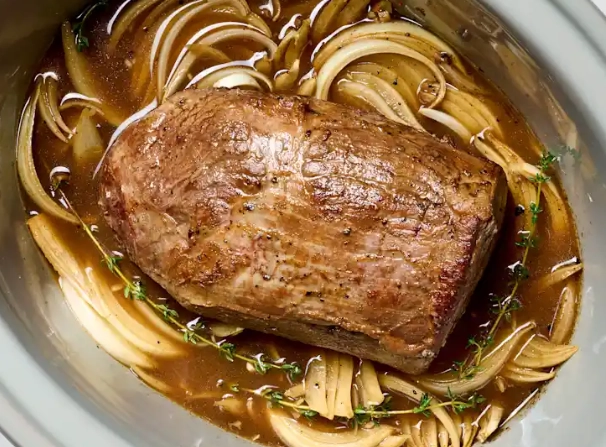
Pro Shopper Tip: Don't be shy at the counter. Ask the butcher for a “well-marbled chuck roast” or a “chuck roast with good fat cap.” They'll know exactly what you're doing and will often point you to the best piece in the case. It shows you know your stuff.
The Rankings: Your At-a-Glance Guide
Let's make this simple. Here’s how the top cuts stack up against each other for the title of best beef for slow cooker roast. This table is based on flavor, tenderness after slow cooking, forgiveness (margin for error), and value for money.
| Rank | Cut Name | Why It's Great for Slow Cooking | Fat/Connective Tissue | Best For... | Watch Out For... |
|---|---|---|---|---|---|
| #1 | Chuck Roast | Perfect balance of marbling & connective tissue. Melts into fork-tender, juicy perfection. Most forgiving cut. | High (Ideal) | The ultimate pot roast. Shredding for sandwiches, stew chunks. | Can be too fatty for some (just trim a bit). |
| #2 | Brisket (Point Cut) | Incredibly rich, beefy flavor. Excellent fat cap bastes the meat. Beautiful for slicing. | High (Fat cap) | Sliced beef dishes, “fake” BBQ, flavorful gravy. | Can be large. Flat cut can be leaner/drier. |
| #3 | Short Ribs (Bone-in) | Maximum flavor concentration. Becomes unbelievably tender. Bone adds depth. | Very High | Decadent, restaurant-style meals. Incredible sauces. | Higher cost, more bone/fat waste per pound. |
| #4 | Bottom Round / Rump Roast | Leaner option. Good for slicing. Often very affordable. | Low to Medium | Leaner pot roast, Italian Beef sandwiches (sliced thin). | Very easy to overcook and dry out. Less flavor. |
| #5 | Oxtail | Unmatched richness and gelatinous sauce. Unique texture. | Very High (Bone, connective tissue) | Stews, broths, intensely flavorful braises. | Lots of bone, not a lot of meat. Specialty item. |
See that? Chuck roast isn't just my opinion; its characteristics make it objectively the most reliable and high-performing choice for the job. It's the workhorse.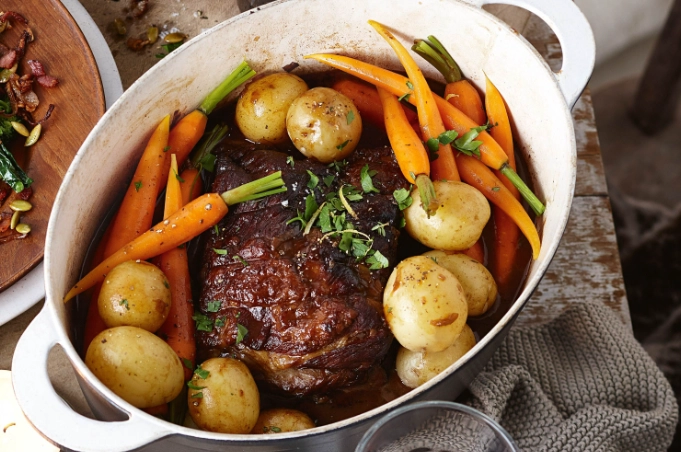
What About Beef Grades? Does Prime vs. Choice Matter?
This is a great question. The USDA grades beef (Prime, Choice, Select) based primarily on marbling—the little white flecks of fat within the muscle. More marbling usually means more flavor and tenderness.
For slow cooking, here's the real talk: Choice grade is the sweet spot. Prime is fantastic, but it's also expensive and often overkill for a method that already tenderizes tough meat. The abundant marbling in Prime chuck is great, but you're paying a premium. Choice grade has more than enough marbling to produce a spectacular, juicy roast. Select grade can be too lean for reliable slow-cooker results, especially for a beginner. I almost always buy Choice.
For definitive information on what these grades mean, you can refer to the official USDA website. Their standards are the benchmark for the industry.
I made a Select grade chuck roast once because it was on a deep discount. It was okay, but side-by-side with a Choice grade one, the difference in juiciness was noticeable. It wasn't bad, but it confirmed that the extra few dollars for Choice are worth it.
Buying Guide: How to Pick the Perfect Piece
Knowing the cut is half the battle. Picking the right one from the case is the other. Here’s what your eyes should be looking for:
- Color: Look for bright, cherry-red meat. Avoid any that looks brown, dark, or grayish.
- Marbling: This is non-negotiable. Look for fine white threads of fat running throughout the meat, not just around the edges. More little streaks mean more flavor and tenderness.
- Fat Cap: A layer of external fat on one side is good! It's like a built-in baster. You can always trim excess off after cooking if you want, but don't buy a completely lean piece. A quarter-inch to half-inch cap is ideal.
- Thickness: Try to get a roast that's relatively even in thickness, about 3-4 inches thick. A very thin, wide piece will cook too fast and may dry out.
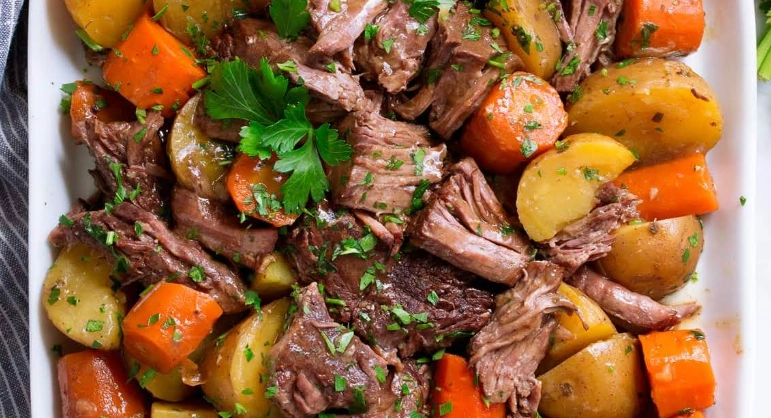
Avoid the “Stew Meat” Trap: Pre-cut “beef stew meat” is convenient, but it's often a mystery mix of trimmings from various cuts. You have no control over the fat content or quality. For a guaranteed good stew or the best beef for slow cooker roast chunks, buy a whole chuck roast and cube it yourself. It takes 5 extra minutes and makes a world of difference.
The Non-Negotiable Cooking Steps (Beyond the Meat)
You've got the perfect chuck roast. Now, don't ruin it by just dumping it in raw. These two steps are what separate a good roast from a great one.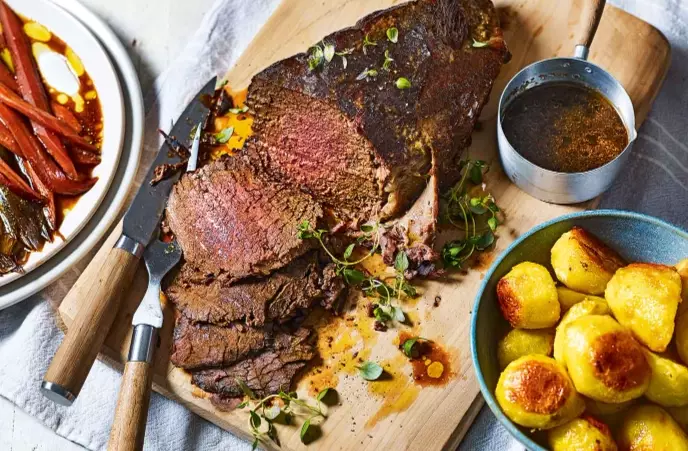
1. Searing is NOT Optional
I know, every recipe says this, and it's tempting to skip it. Don't. Searing (browning the meat hard in a hot pan) creates the Maillard reaction. That's just a fancy term for creating hundreds of new, deep, savory, and roasted flavor compounds on the surface of the meat. It also gives the roast a nicer texture. It adds maybe 10 minutes to your prep but doubles the flavor complexity of the final dish. Just pat the roast dry, season it well with salt and pepper, and brown it on all sides in a little oil until it's got a nice, dark crust.
2. Layer Your Vegetables Wisely
Root vegetables (carrots, potatoes, parsnips) are dense and take a long time to cook. Don't just throw them on top. Place your seared roast in the pot, then pile the hardy veggies around and underneath it. The liquid will cover them, and they'll cook in the flavorful fat and juices. Softer veggies like onions or mushrooms can go on top or around the sides. This ensures everything is perfectly done at the same time.
Final Thoughts: Keep It Simple
Chasing the title of best beef for slow cooker roast isn't about finding a rare or expensive cut. It's about understanding the simple science of low-and-slow cooking and matching it with the right piece of meat. The magic is in the marbling and the connective tissue of cuts like chuck and brisket.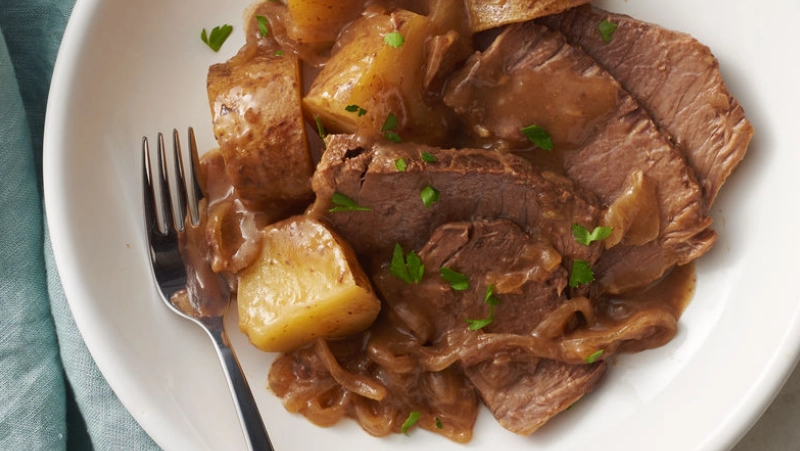
So next time you're at the store, walk past the lean, pricey steaks. Head to the chuck section. Pick a well-marbled roast with a nice fat cap. Sear it, season it, and let your slow cooker do what it does best. You'll end up with a meal that's comforting, impressive, and deeply satisfying—the kind that makes the whole house smell like home. That's the real goal, isn't it?
Now go get that chuck roast and make some magic. You've got this.
A Simple, Foolproof Method to Start With
Feeling overwhelmed? Just do this:
- Buy a 3-4 lb. Choice grade Chuck Roast.
- Pat it dry. Rub all over with salt, pepper, and garlic powder.
- Sear it in a skillet until browned on all sides.
- Place chopped onions, carrots, and celery in the slow cooker. Place the seared roast on top.
- Add 1 cup of beef broth and a few sprigs of fresh thyme or rosemary.
- Cover and cook on LOW for 8 hours.
- Remove meat and veggies. Thicken the liquid with a cornstarch slurry for gravy.
That's it. That's the foundation. From there, you can experiment with different liquids, spices, and vegetables.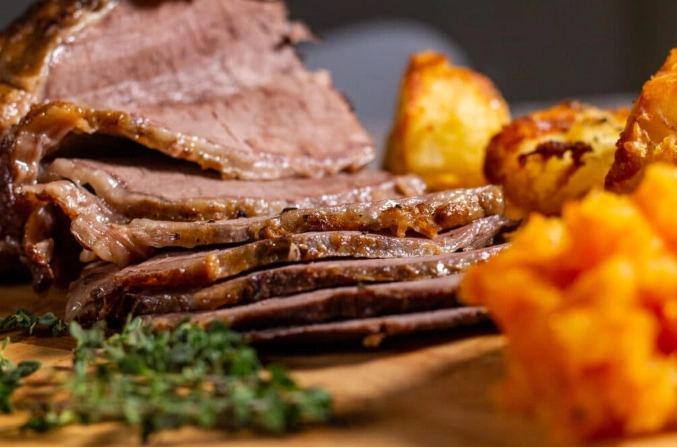
Reader Comments