You toss everything in the pot before work, set it on low, and dream of coming home to the perfect chicken soup. But then a nagging thought hits you in the afternoon: Can you overcook chicken soup in a slow cooker? Has it been bubbling away for too long? Is my dinner ruined?
I remember my first slow cooker soup disaster vividly. I used boneless, skinless chicken breasts and let them go for a solid 10 hours on low. The result? The chicken had the texture of dry, flavorless twine. The carrots and celery had practically vanished into the broth. The flavor was there, but the mouthfeel was all wrong. It was edible, but it wasn't good.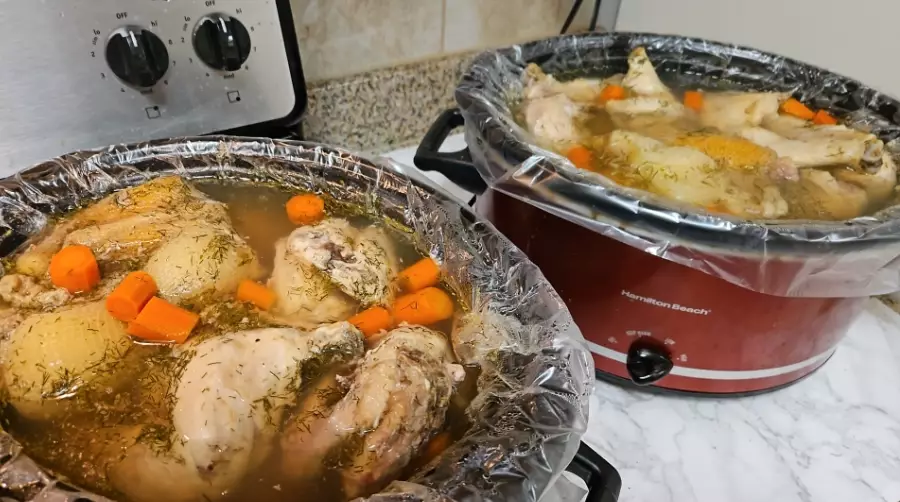
So, the short, honest answer is: Yes, you can overcook chicken soup in a slow cooker, but not in the way you might think. It won't typically burn to the bottom (unless you have no liquid), but it can absolutely become a textural and flavorful disappointment. Let's break down exactly what happens, how to spot it, and most importantly, how to avoid it.
What You'll Find Inside
How a Slow Cooker Works (It's Not Just a Pot on Low Heat)
This is the key to understanding the "overcook" dilemma. A slow cooker, or Crock-Pot, is designed to cook food slowly at a relatively low, steady temperature. The "Low" setting typically holds food between 190°F to 200°F (88°C to 93°C), and "High" gets to about 300°F (149°C). This is well above the 165°F (74°C) needed to safely cook poultry, but gentle enough to break down collagen in bones and tough meat without violently boiling.
The magic—and the safety net—is the sealed, moist environment. Unlike an oven or stovetop where moisture evaporates, the slow cooker lid traps steam. This creates a self-basting effect that keeps things from drying out in the traditional sense. That's why your soup won't turn into a charred brick.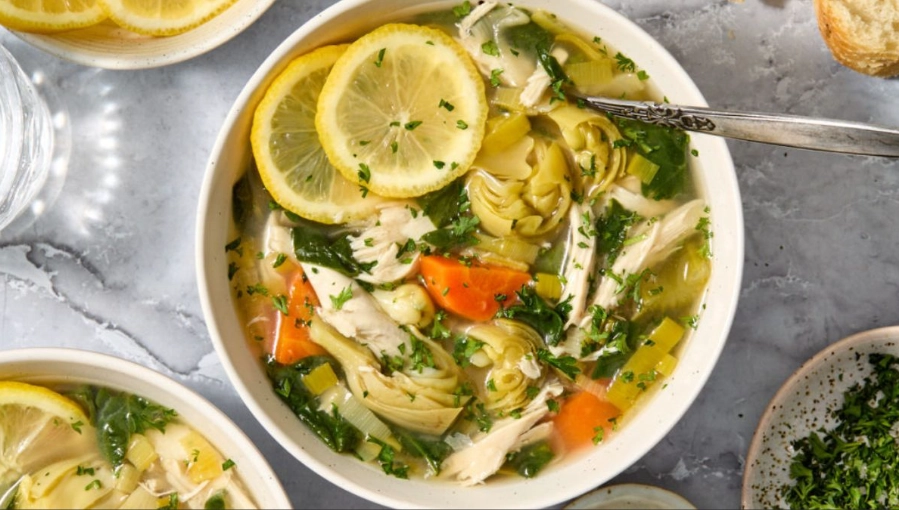
Here's the subtle point most recipes miss: While the meat might not "dry out" from lack of moisture, the muscle fibers themselves can still tighten and squeeze out their internal juices if subjected to heat for too long. Think of a sponge being wrung out. The liquid is still in the pot, but it's no longer in the chicken. That's what leads to that dry, stringy texture.
The 3 Clear Signs Your Chicken Soup Is Overcooked
Overcooking in a slow cooker is a quality issue, not a safety one. Here’s how to know you've crossed the line:
1. The Chicken Texture Goes From Tender to Tough
This is the biggest giveaway. Perfectly cooked chicken in soup should be tender enough to shred easily with a fork but still be moist. Overcooked chicken, especially lean cuts like breasts, becomes fibrous, dry, and chewy. It shreds into tiny, tough threads rather than succulent strips. Dark meat (thighs, drumsticks) is more forgiving due to higher fat and collagen content, but even it can become mushy and fall apart too completely.
2. The Vegetables Turn to Flavorless Mush
Potatoes, carrots, and celery have a finite tolerance for heat. After 8-10 hours on low, they lose all structural integrity. They don't just become soft; they dissolve into the broth, making it starchy and thick in an unappealing way. You lose the pleasant contrast of a crisp-tender vegetable bite.
3. The Flavor Becomes "Flat" or "Separated"
Long, long cooking can cause delicate herbal flavors (like parsley, dill, or even thyme) to fade away completely. You might also see fat pooling on the surface in a greasy layer, as prolonged heat can cause emulsifications to break. The soup tastes one-dimensional, like all the distinct notes have boiled down into a single, bland hum.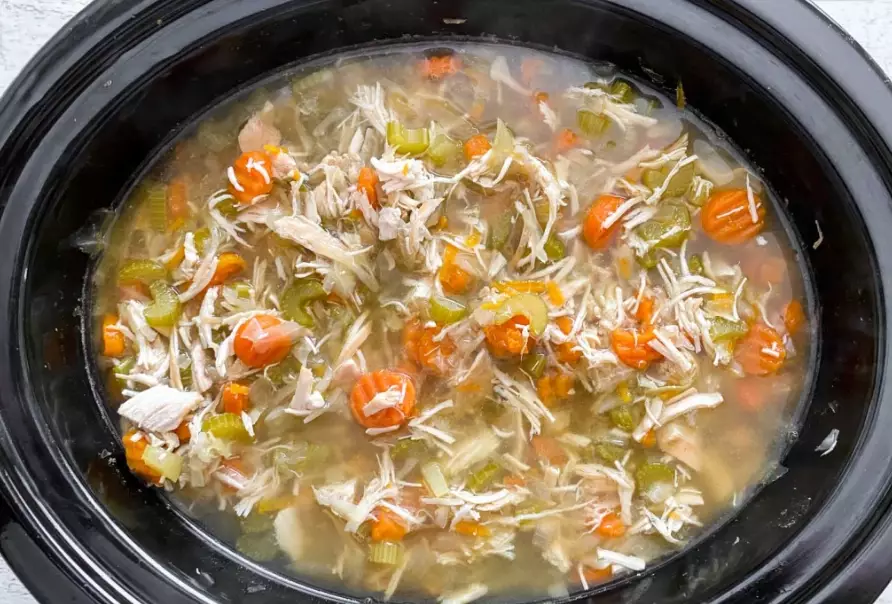
How to Avoid Overcooking: A Pro's Timing & Ingredient Guide
Prevention is everything. Follow this framework, and you'll nail it every time.
The Golden Rule: Not all ingredients cook at the same rate. The secret to perfect slow cooker soup is staggered addition.
Choose Your Chicken Wisely: For set-it-and-forget-it simplicity (6-8 hours on low), bone-in, skin-on chicken thighs or a whole cut-up chicken are your best friends. The bones and collagen create a richer broth and protect the meat from drying out. The skin adds flavor (you can skim fat off later).
If you must use chicken breasts, use them boneless and skinless, but add them later. Put your broth, aromatics (onion, garlic), and hardy veggies (carrots, celery) in first. For a cook time of 6-8 hours on low, add the raw chicken breasts in the last 1.5 to 2 hours. They'll cook through perfectly without toughening.
Vegetable Strategy:
- Start with: Onions, garlic, carrots, celery, potatoes (if using waxy varieties).
- Add in the last 30-60 minutes: Peas, corn, green beans, spinach, kale, or any fresh herbs like parsley or dill.
This keeps colors bright, textures intact, and flavors fresh.
Liquid Ratio is Key: Don't just cover the ingredients. Ensure there's enough broth or water to account for minimal evaporation over many hours. A good rule is the ingredients should be submerged, with about an extra inch of liquid on top.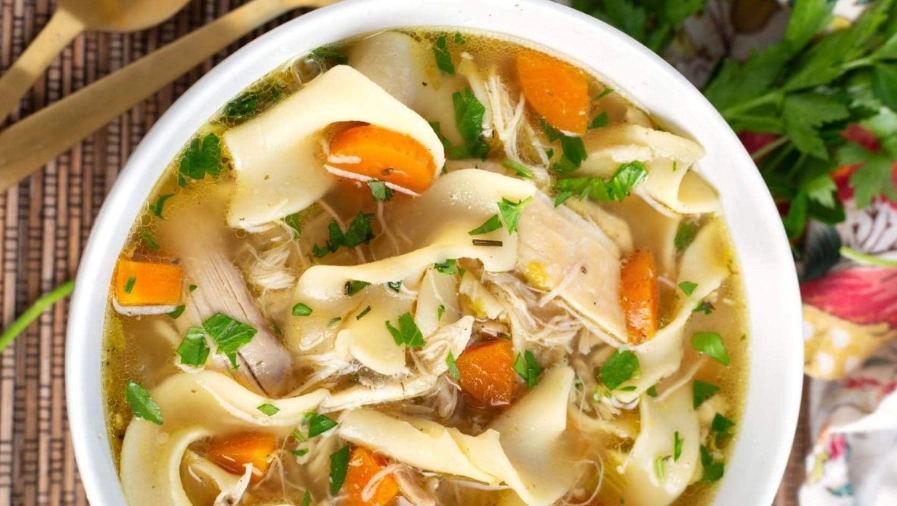
Overcooked Soup? Don't Toss It! 3 Rescue Tips That Actually Work
So you left it on too long. Maybe you got stuck in traffic, or the workday ran late. It happens. Before you declare it a loss, try these fixes:
1. The Shred & Hide Maneuver: If the chicken is dry, remove it from the soup and shred it extremely finely—almost pulverize it with two forks or even give it a quick pulse in a food processor. When returned to the soup, the tiny shreds will absorb broth and be less noticeable as a dry, chewy element.
2. The Flavor Refresh: A flat broth needs a wake-up call. Bright acidity and fresh seasoning are your tools. Stir in a tablespoon of fresh lemon juice, apple cider vinegar, or a dash of white wine vinegar. Taste and adjust salt. A sprinkle of a fresh herb at serving can work wonders.
3. The Texture Reboot (Embrace the Puree): If the vegetables are total mush, lean into it. Use an immersion blender to puree about half of the soup right in the pot. This creates a naturally creamy, thick base. Then, add new texture on top: a handful of croutons, some crispy fried onions, fresh chopped scallions, or a dollop of sour cream. You've just invented Creamy Chicken & Vegetable Soup.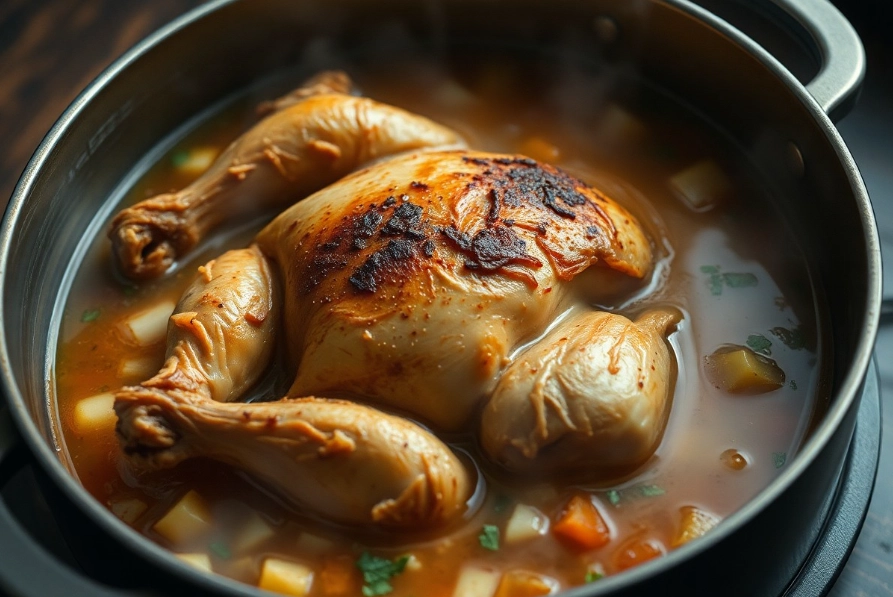
Your Burning Questions Answered
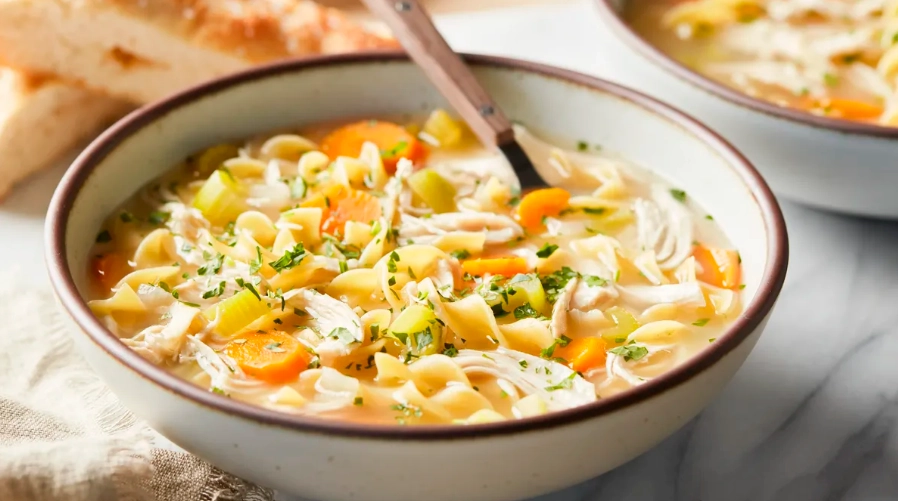 The bottom line? Your slow cooker is a fantastic tool for chicken soup, but it's not infallible. Respect the ingredients and their individual cooking times. Think of it less as a dump-and-go device and more as a gentle, hands-off sous chef that needs a little strategic guidance. Get that right, and you'll never have to worry about overcooking again—just perfectly comforting soup, every single time.
Reader Comments