I ruined my first beef stew. It was years ago, a gloomy Sunday, and I’d followed a recipe from a glossy magazine. I tossed everything into my brand-new slow cooker, set it on low for eight hours, and dreamed of the hearty meal to come. What I got was bland, grey meat floating in a thin, vaguely beefy broth. The carrots were mush. It was edible, but just barely. The disappointment was real.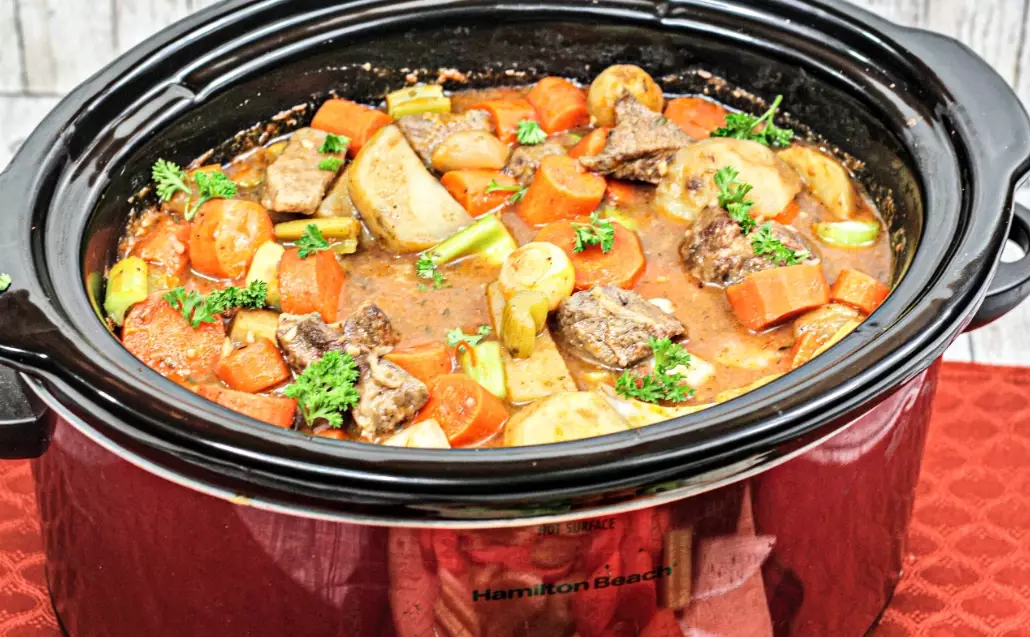
That failure sent me on a mission. I talked to butchers, read old cookbooks, and made more stews than I care to admit. The slow cooker is a fantastic tool for beef stew, but it demands a different approach than the stovetop or oven. It’s not a dump-and-go affair if you want greatness. This recipe is the culmination of all those experiments—a traditional beef stew recipe slow cooker method that actually works, delivering deep, complex flavor and meat so tender it falls apart at the nudge of a fork.
What You'll Find Inside
- Why a Slow Cooker is Your Stew's Best Friend (and Worst Enemy)
- The Beef Cut Decision: This Choice Makes or Breaks Your Stew
- How to Layer Ingredients in a Slow Cooker for Perfect Texture
- Step-by-Step Guide to the Ultimate Slow Cooker Beef Stew
- Serving, Storing, and Transforming Your Leftover Stew
- Your Common Beef Stew Questions, Answered
Why a Slow Cooker is Your Stew's Best Friend (and Worst Enemy)
Let's be clear about what a slow cooker does. It applies low, steady, moist heat over a long period. This is perfect for breaking down the tough collagen in cheaper cuts of beef, transforming them into something luxurious. The sealed environment also means you lose very little liquid to evaporation, which is great for ensuring you have plenty of gravy.
Here's the enemy part: that same sealed, moist environment is terrible at developing flavor. There's no browning, no reduction, no concentration. Flavors can become muted and one-dimensional if you're not careful. That's why the prep work—the steps you do before the lid goes on—is non-negotiable. You're building flavor layers that the slow cooker will then meld together beautifully.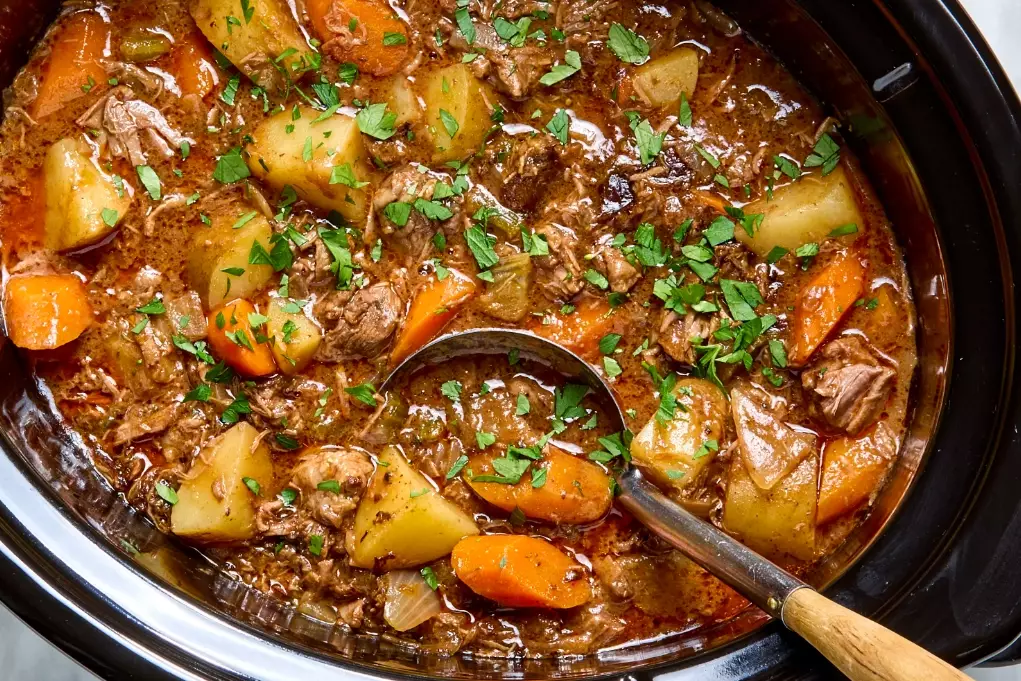
The Beef Cut Decision: This Choice Makes or Breaks Your Stew
Walk into any grocery store and you'll see a dozen different beef options. Picking the wrong one is the fastest path to a disappointing stew. You don't want lean, quick-cooking meat. You want tough, well-marbled, collagen-rich meat.
Chuck roast is the undisputed king. It comes from the shoulder, a hard-working muscle full of connective tissue and fat. As it cooks low and slow, that collagen melts into gelatin, making the meat incredibly tender and enriching the broth. Look for a piece labeled “chuck roast,” “chuck shoulder,” or “braising steak.”
Here’s a quick guide to what works and what doesn’t:
| Beef Cut | Good for Stew? | Why or Why Not |
|---|---|---|
| Chuck Roast/Shoulder | YES - The Best | Perfect fat marbling and collagen. Becomes fork-tender. |
| Brisket (point end) | Yes | Very rich and flavorful, but can be fattier. Requires longer cooking. |
| Short Ribs (boneless) | Yes | Extremely flavorful and luxurious. More expensive. |
| Round or Rump Roast | Not Ideal | Too lean. Will become dry and chewy with long cooking. |
| Sirloin or Sirloin Tip | NO | Designed for quick, dry heat. Turns tough and mealy in a stew. |
A quick note from the butcher counter: Don't buy the pre-cut “stewing beef” if you can help it. It's often a mystery mix of trimmings. You have no control over the cut or the size of the pieces. Spend five minutes cutting a chuck roast yourself. You'll get uniform pieces that cook evenly, and you'll know exactly what you're eating. The U.S. Department of Agriculture's grading system (Prime, Choice, Select) matters less here than the cut itself—a Choice chuck roast will make a fantastic stew.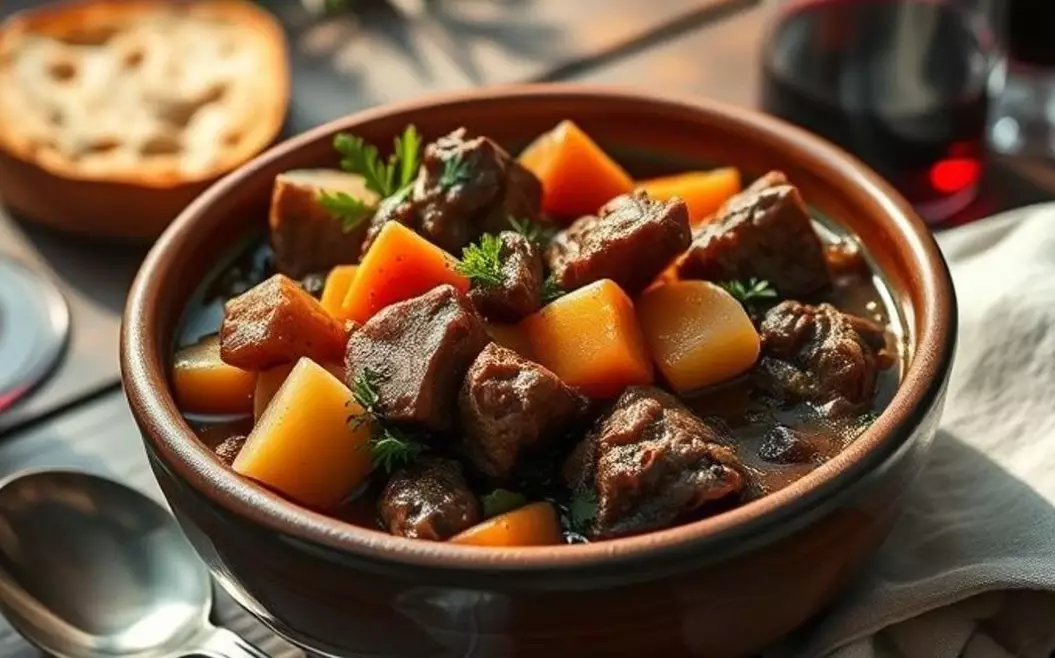
How to Layer Ingredients in a Slow Cooker for Perfect Texture
This is a subtle trick most recipes gloss over. If you just dump everything in, the dense vegetables (potatoes, carrots) might still be hard while the delicate meat overcooks. Heat in a slow cooker radiates from the sides, so the bottom and edges get hottest.
The correct order matters:
- Foundation: Hearty root vegetables like chopped onions, carrots, and celery go in first. They can handle the direct heat and will form a bed for the meat.
- The Star: Your browned beef pieces go next, spread evenly over the vegetables.
- Aromatics & Liquids: Add your garlic, herbs (like thyme and bay leaves), tomato paste, and then pour in your deglazed pan juices and broth.
- The Delicates (added later): Potatoes, peas, and mushrooms should be added in the last 1-2 hours of cooking. This keeps the potatoes from dissolving and the peas from turning to gray mush.
It seems fussy, but it's the difference between a stew where every component is perfectly cooked and a pot of homogenous mush.
Step-by-Step Guide to the Ultimate Slow Cooker Beef Stew
Here’s the actionable plan. This makes about 6 hearty servings.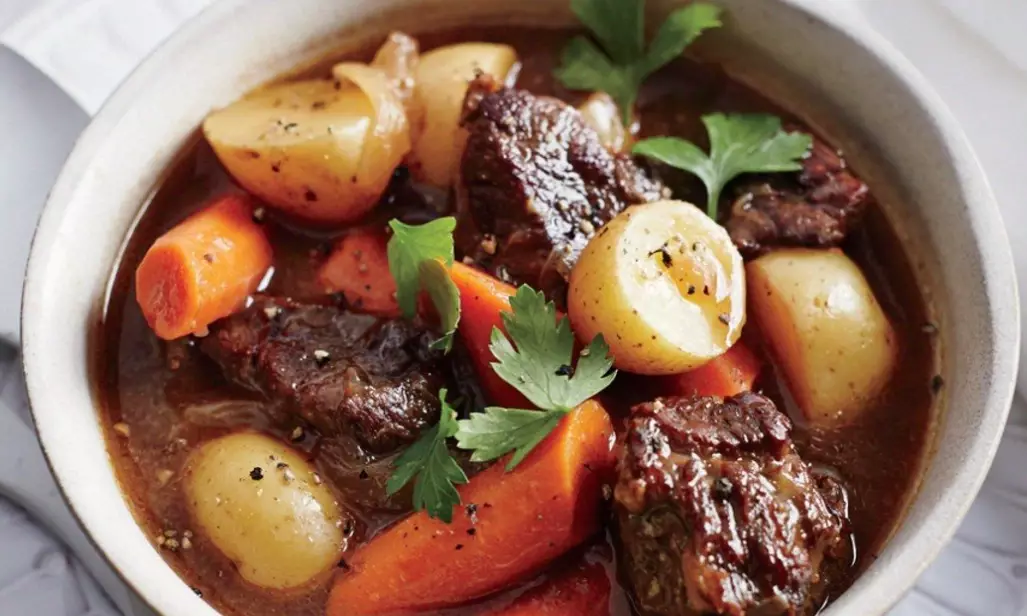
What You Need (The Shopping List)
- Beef: 3 lbs chuck roast, cut into 1.5-inch cubes. Pat it very dry with paper towels.
- Vegetables: 1 large yellow onion (chopped), 3-4 carrots (peeled, cut into 1-inch chunks), 3 celery stalks (chopped), 1.5 lbs Yukon Gold potatoes (cut into 1-inch chunks, held aside), 4 cloves garlic (minced).
- Flavor Builders: 3 tbsp all-purpose flour, 2 tbsp tomato paste, 1 cup dry red wine (like a Cabernet or Merlot), 3 cups good-quality beef broth, 2 bay leaves, 4-5 sprigs fresh thyme (or 1 tsp dried).
- Finishing: 1 cup frozen peas, ¼ cup chopped fresh parsley, salt and black pepper, 2-3 tbsp vegetable oil for browning.
The 20-Minute Flavor Prep (Don't Skip This)
1. Season and Dredge: Toss the dried beef cubes with 1 tsp salt, ½ tsp black pepper, and the 3 tbsp of flour. The flour will help with browning and later thicken the stew.
2. Brown the Beef: Heat 2 tbsp of oil in a large skillet or Dutch oven over medium-high heat. Working in batches (don't crowd the pan!), brown the beef on all sides. This takes about 5-7 minutes per batch. Transfer the browned beef to your slow cooker insert. This step is non-negotiable for flavor.
3. Sauté the Aromatics: In the same skillet, add a bit more oil if needed. Add the onions, carrots, and celery. Cook for 5-6 minutes until they start to soften. Add the garlic and tomato paste and cook for 1 more minute, stirring constantly.
4. Deglaze: Pour in the red wine. Scrape up all the delicious browned bits (the fond) from the bottom of the pan. Let it simmer for 2-3 minutes to cook off the raw alcohol. Pour this entire mixture over the beef in the slow cooker.
The Slow Cook (The Easy Part)
5. Combine: To the slow cooker, add the beef broth, bay leaves, and thyme. Gently stir to combine.
6. Cook: Cover and cook on LOW for 6 hours. Do not open the lid. Peeking releases heat and steam and can add 20-30 minutes to your cooking time.
7. Add Potatoes: After 6 hours, carefully stir in the reserved potato chunks. Re-cover and cook on LOW for another 1.5 to 2 hours, or until the potatoes are tender.
8. Final Touch: In the last 15 minutes of cooking, stir in the frozen peas. If the stew seems too thin, you can make a slurry: mix 2 tbsp cornstarch with 2 tbsp cold water until smooth, then stir it into the stew. Let it cook for the final 15 minutes to thicken.
9. Serve: Discard the bay leaves and thyme stems. Stir in the fresh parsley. Taste and adjust salt and pepper. Ladle into bowls. Crusty bread is mandatory for sopping up the gravy.
Serving, Storing, and Transforming Your Leftover Stew
Beef stew might be even better on day two. The flavors continue to marry and deepen in the fridge.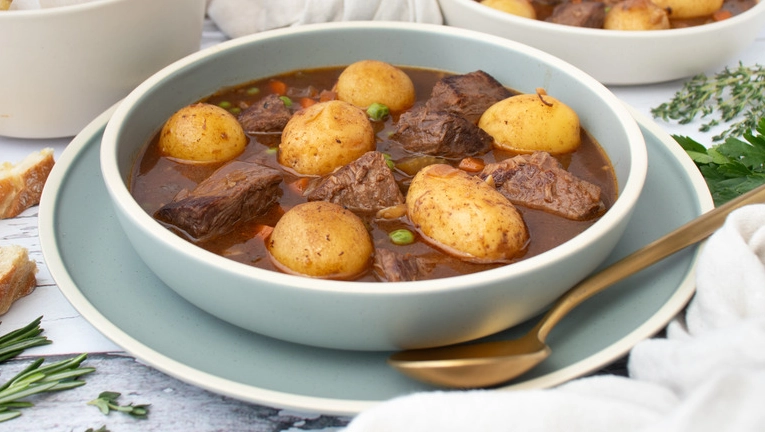
Storing: Let it cool completely, then store in an airtight container in the refrigerator for up to 4 days. For longer storage, freeze it for up to 3 months. I freeze it in individual portions for easy lunches.
Reheating: Gently reheat on the stovetop over low heat, adding a splash of broth or water if it's thickened up too much. You can microwave it, but stir it well halfway through.
Leftover Magic: Don't just reheat the same bowl. Get creative. Shred any larger chunks of meat and turn it into a filling for hand pies or a topping for creamy mashed potatoes. Thin it out with extra broth, blend it slightly, and you've got a fantastic beef and vegetable soup.
Your Common Beef Stew Questions, Answered
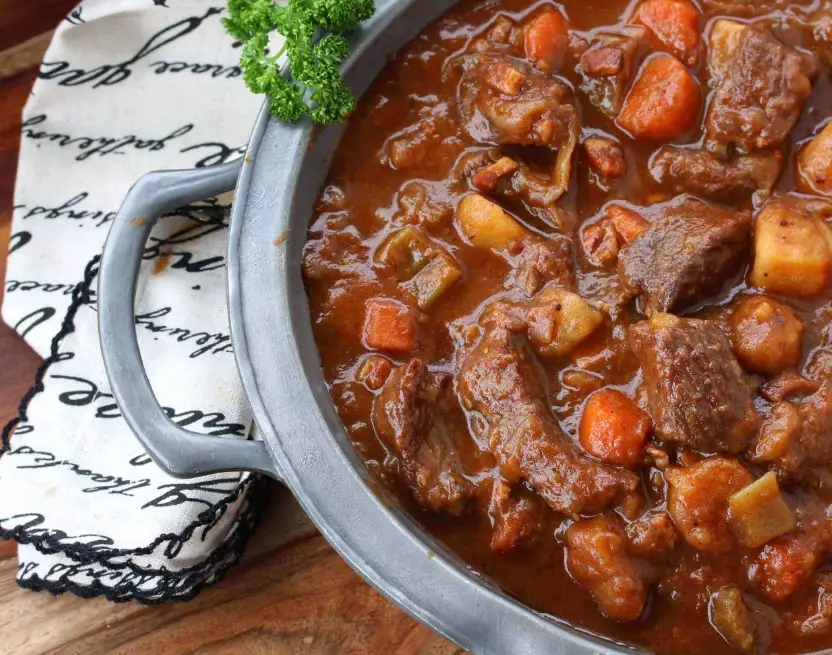 So there you have it. A traditional beef stew recipe slow cooker method that actually delivers. It’s not about fancy ingredients; it’s about respecting the process. Take the time to brown, layer thoughtfully, and let the slow cooker do what it does best. The reward is a pot of pure comfort, the kind of meal that makes a house feel like a home.
Reader Comments