Let's be honest. The promise of slow cooker beef tips and gravy is tender, fall-apart beef swimming in a rich, savory sauce. The reality for too many home cooks is tough, chewy cubes in a thin, watery liquid. I've been there. After a decade of testing (and yes, a few disappointments), I've nailed down a method that works every single time. This isn't just a recipe; it's a deep dive into the why behind each step, designed to give you the confidence to make a perfect, comforting meal with minimal effort.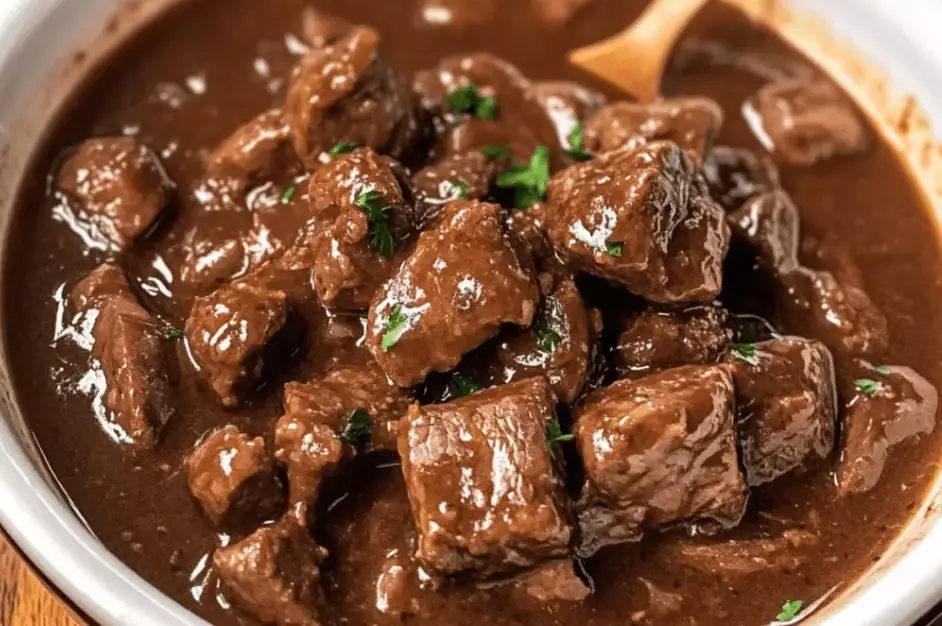
What You'll Find Inside
How to Choose the Right Beef for Your Slow Cooker
This is the single most important decision you'll make. Get this wrong, and no amount of cooking time will save you. The label "beef tips" at the grocery store is maddeningly vague—it can be trimmings from any cut.
Here’s the insider knowledge: you want a cut with good marbling (those white flecks of fat) and connective tissue that breaks down into gelatin during long, slow cooking, basting the meat from within. Lean cuts like tenderloin will turn into dry, tough nuggets.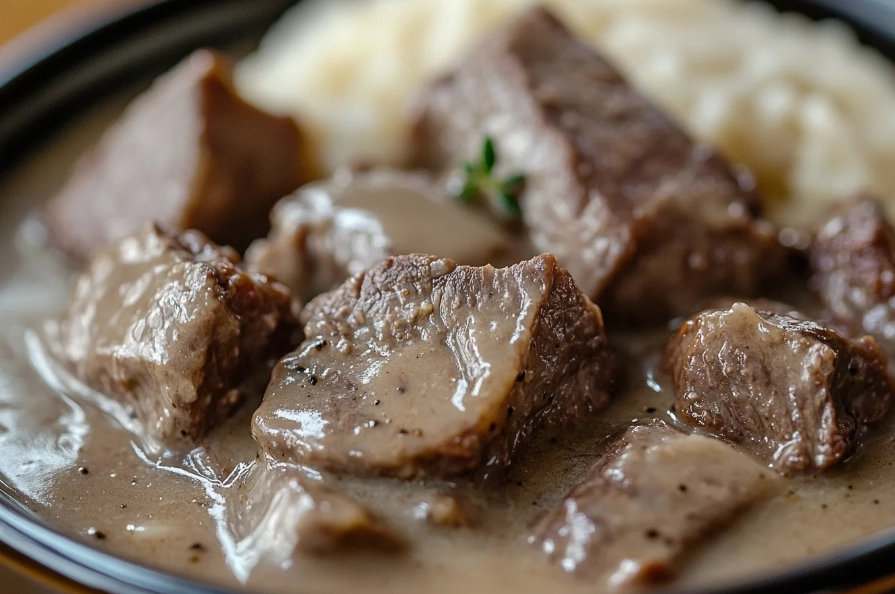
| Beef Cut | Best For Slow Cooking? | Flavor & Texture Notes |
|---|---|---|
| Sirloin Tips / Flap Meat | Excellent | Rich beefy flavor, becomes very tender, good marbling. |
| Chuck Roast (cubed) | Excellent | Classic stew meat. Lots of connective tissue turns succulent. |
| Stew Meat (check origin) | Usually Good | Ask the butcher if it's from the chuck. If from the round, proceed with caution. |
| Round or Rump Roast | Not Ideal | Very lean. High risk of becoming dry and chewy, even after hours of cooking. |
The Step-by-Step Slow Cooker Beef Tips Recipe
Gather your ingredients. This is where we build layers of flavor. You'll need about 2.5 to 3 pounds of beef (trimmed and cut into 1.5-inch cubes), a large onion, garlic, beef broth, Worcestershire sauce, tomato paste, and your favorite herbs.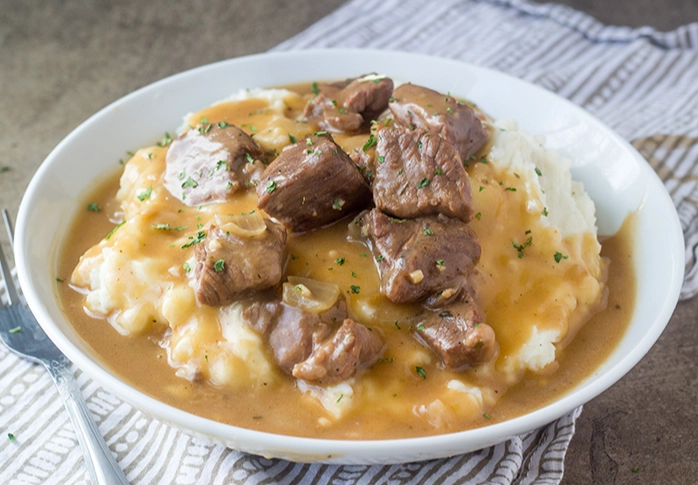
1. The Sear: Your Flavor Insurance Policy
I know, I know. The appeal of the slow cooker is "dump and go." But skipping the sear is the most common subtle error that leads to bland results. That brown crust (the Maillard reaction) creates deep, complex flavors that the slow cooker alone can't replicate.
Pat your beef cubes very dry with paper towels. This is crucial for browning, not steaming. Heat a tablespoon of oil in a heavy skillet over medium-high heat. Don't crowd the pan—work in batches. Sear the beef on at least two sides until a nice brown crust forms, about 2-3 minutes per side. This step takes 10 minutes but makes a world of difference. Transfer the seared beef to your slow cooker.
2. Building the Foundation in the Slow Cooker
In the same skillet (with all those tasty browned bits), sauté a diced onion until soft. Add a few minced garlic cloves for the last 30 seconds. Deglaze the pan with a splash of your beef broth, scraping up all the fond. Pour this entire mixture over the beef.
Now, add the rest of your liquids and seasonings directly to the crock:
- 2 cups low-sodium beef broth
- 2 tablespoons Worcestershire sauce
- 1 tablespoon tomato paste (adds umami depth, not tomato flavor)
- 1 teaspoon dried thyme, 1 teaspoon onion powder, 2 bay leaves
- Freshly cracked black pepper
Hold the salt. Broth and Worcestershire are salty. We'll adjust seasoning after cooking.
3. The Long, Slow Cook
Give everything a gentle stir. Cover and cook on LOW for 7-8 hours. I vastly prefer low heat for beef tips. High heat (4 hours) can sometimes make the meat fibers contract too aggressively before the connective tissue breaks down, leading to a slightly tougher texture.
Walk away. Go to work. The magic is happening.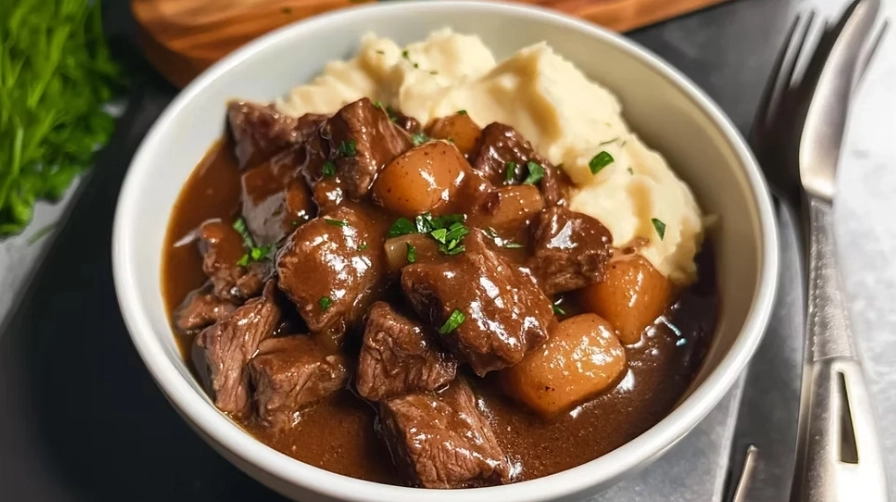
The Secret to a Rich, Thick Gravy (No Packets Needed)
Here's where many recipes fail. You open the lid to find beef swimming in broth, not gravy. The fix is a cornstarch slurry.
About 30 minutes before serving, mix 3 tablespoons of cornstarch with 3 tablespoons of cold water in a small bowl until smooth. Turn your slow cooker to HIGH. Remove about a cup of the hot cooking liquid and whisk it slowly into the cornstarch mixture. This tempers it and prevents lumps. Now, pour this mixture back into the slow cooker and stir gently.
The gravy will thicken noticeably within 15-20 minutes. Taste it. Now is the time to add salt if needed. I often add another splash of Worcestershire or a dash of soy sauce for extra savory punch.
Serving, Storing, and Making It Ahead
This dish is the definition of versatility. Discard the bay leaves and serve your beef tips and gravy over:
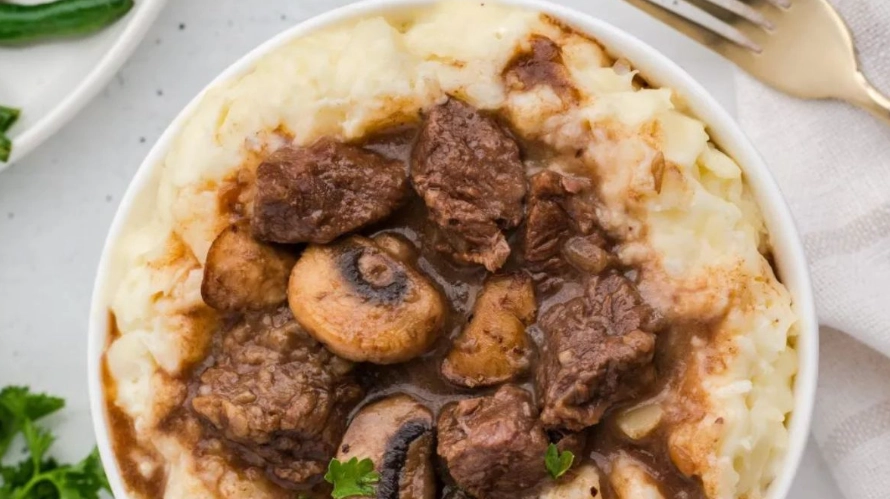
- Mashed potatoes (the classic, and for good reason)
- Egg noodles (my personal weeknight favorite)
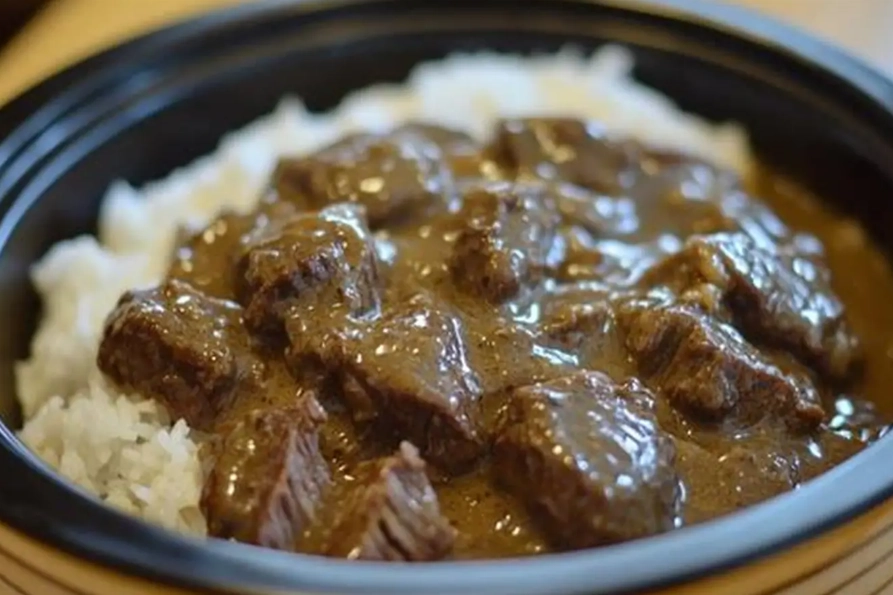
- Rice or polenta (great for soaking up every drop)
- Buttered biscuits (for the ultimate comfort food experience)
A simple side of steamed green beans or glazed carrots balances the richness perfectly.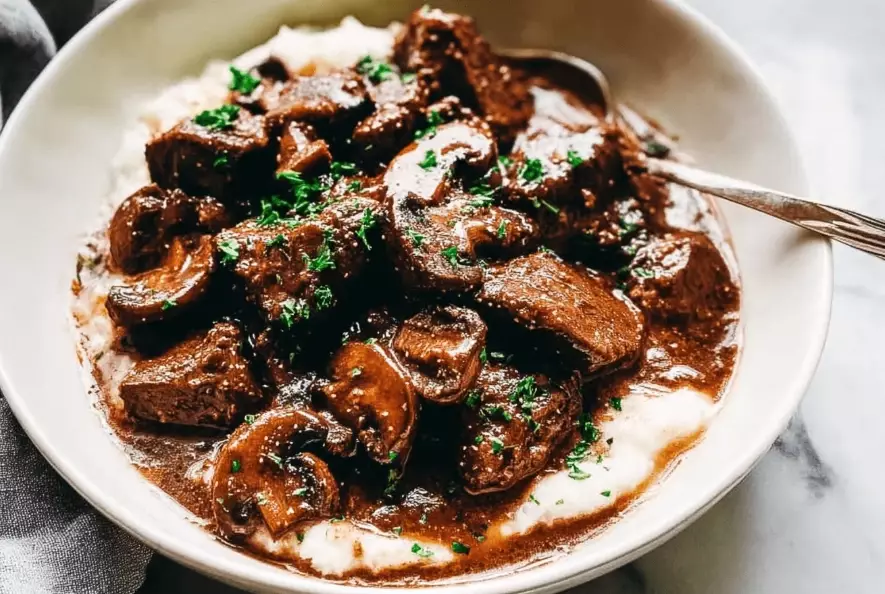
Storage is straightforward: Let it cool, then store in an airtight container in the fridge for up to 4 days. The flavor often improves on day two. You can also freeze it for up to 3 months. Thaw overnight in the fridge and reheat gently on the stove or in the microwave, adding a splash of broth if the gravy seems tight.
This is a fantastic make-ahead meal. You can sear the beef and prepare the onion/garlic base the night before. Store them separately in the fridge. In the morning, dump it all in the slow cooker with the liquids and turn it on. Dinner is ready when you walk in the door.
Your Slow Cooker Beef Tips Questions, Answered
 My gravy is too thin even after adding cornstarch. What happened?
 The beauty of this slow cooker beef tips and gravy recipe lies in its simplicity and reliability. It respects the process—choosing the right beef, building flavor with a quick sear, and trusting low, slow heat to do the tenderizing work. It’s the kind of meal that fills your kitchen with an irresistible aroma and delivers pure comfort on a plate. Give this method a try. I think you'll find it becomes a regular in your rotation, just like it has in mine.
Reader Comments