You know the feeling. You find a fantastic recipe for a rich beef stew or a fragrant chicken curry. It looks perfect… for the oven or stovetop. Your slow cooker sits on the counter, promising an easier day, but the recipe doesn't have slow cooker instructions. Most people give up here. They either make the messy, active version or skip it entirely. That's a mistake. Converting recipes for a slow cooker isn't magic; it's a simple, learnable skill. After a decade of testing and burning (and occasionally under-salting), I've found the conversion process boils down to a few reliable rules. Forget the vague advice online. Let's talk real numbers and techniques.
What You'll Learn in This Guide
- Why Bother Converting Recipes?
- The Non-Negotiable Core Conversion Rules
- Smart Ingredient Adjustments Nobody Tells You
- Your Foolproof, Step-by-Step Conversion Process
- Putting It All Together: A Real Recipe Conversion
- Top 3 Mistakes That Ruin Slow Cooker Meals
- Your Slow Cooker Conversion Questions, Answered
Why Bother Converting Recipes for a Slow Cooker?
It's not just about convenience, though that's huge. It's about control and flavor development. A slow cooker applies gentle, consistent heat over many hours. This does two things exceptionally well: it tenderizes tough, inexpensive cuts of meat like chuck roast or pork shoulder by slowly breaking down collagen into gelatin, and it allows flavors from herbs, spices, and aromatics to meld deeply. An oven-braised dish might take 3-4 hours; a slow cooker can run for 8 while you're at work, with zero risk of scorching or boiling over. The energy efficiency is also notable—it uses less electricity than a standard oven. The real win? You liberate your entire recipe collection from the constraints of active cooking time.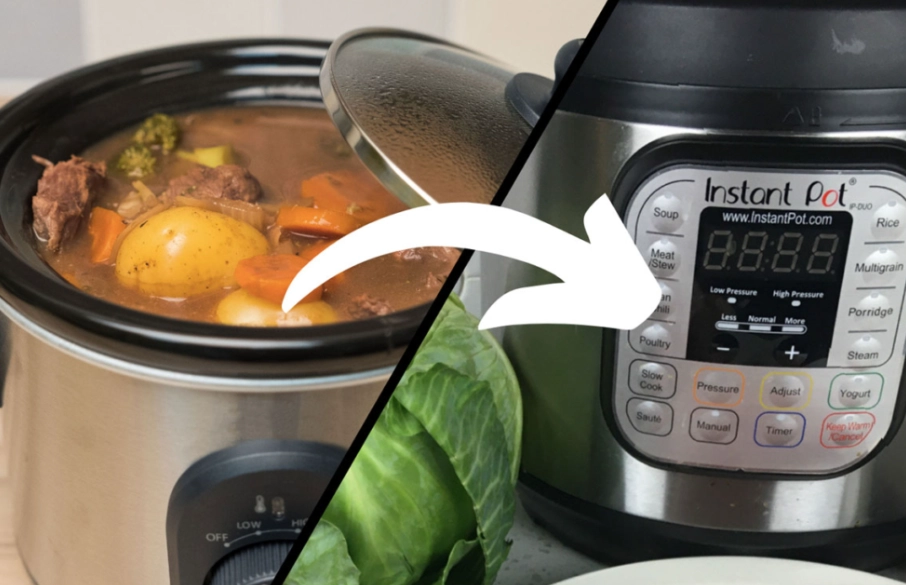
The Non-Negotiable Core Conversion Rules
These aren't suggestions. Get these wrong, and you'll get soup instead of stew, or worse, a bland, watery mess.
Rule 1: The Liquid Reduction Principle
This is the most common error. A slow cooker's sealed environment traps nearly all evaporation. If a stovetop recipe calls for 3 cups of broth, you likely only need 1 to 1.5 cups in the slow cooker. Start with half the liquid. You can always add more later, but you can't take it out. For soups where broth is the main event, reduce by only about 25%.
Rule 2: Recalibrating Cooking Time & Temperature
There's no direct 1:1 time conversion. Think in terms of heat level and doneness. A recipe that cooks for 1 hour at 350°F (175°C) in the oven often translates to 4-6 hours on LOW in a slow cooker. LOW is roughly 190°F (88°C) and HIGH is about 300°F (149°C). Use this table as your starting point:
| Original Cooking Method | Approximate Slow Cooker Equivalent |
|---|---|
| 15-30 minutes simmering/braising | 1.5 - 2.5 hours on HIGH, 4-5 hours on LOW |
| 1-2 hours simmering/braising | 3-4 hours on HIGH, 6-8 hours on LOW |
| 2-3 hours simmering/braising | 4-5 hours on HIGH, 8-10 hours on LOW |
| 3+ hours roasting/braising (e.g., pot roast) | 5-6 hours on HIGH, 9-12 hours on LOW |
Rule 3: The Late-Stage Add-In Mandate
Dairy (milk, cream, sour cream), tender vegetables (peas, zucchini, spinach), and seafood cook quickly and will turn to mush or curdle over long heat. Stir them in during the last 30-60 minutes of cooking. Same goes for fresh herbs—add them at the end to preserve their bright flavor.
Smart Ingredient Adjustments Nobody Tells You
Beyond liquid and time, small tweaks make a massive difference.
Onions and Garlic: Don't just dump them in raw. Taking 5 minutes to sauté them in a pan until softened before adding to the cooker deepens the flavor base immensely. It's the single biggest upgrade you can make.
Spices and Dried Herbs: Their flavors can dull over long cooking. Use the full amount, but consider adding an extra pinch of the key spice (like paprika or cumin) in the last hour to "wake up" the dish.
Thickening Agents: Flour or cornstarch added at the beginning can break down. To thicken your sauce, mix 1-2 tablespoons of cornstarch with an equal amount of cold water or broth at the end. Stir this slurry into the hot liquid in the cooker, set it to HIGH, and let it bubble uncovered for 15-20 minutes.
Your Foolproof, Step-by-Step Conversion Process
Let's make this actionable. Next time you see a recipe, follow this checklist.
1. Identify the Cooking Method. Is it a stovetop braise, an oven roast, or a soup? Braises and stews are the easiest, most direct conversions.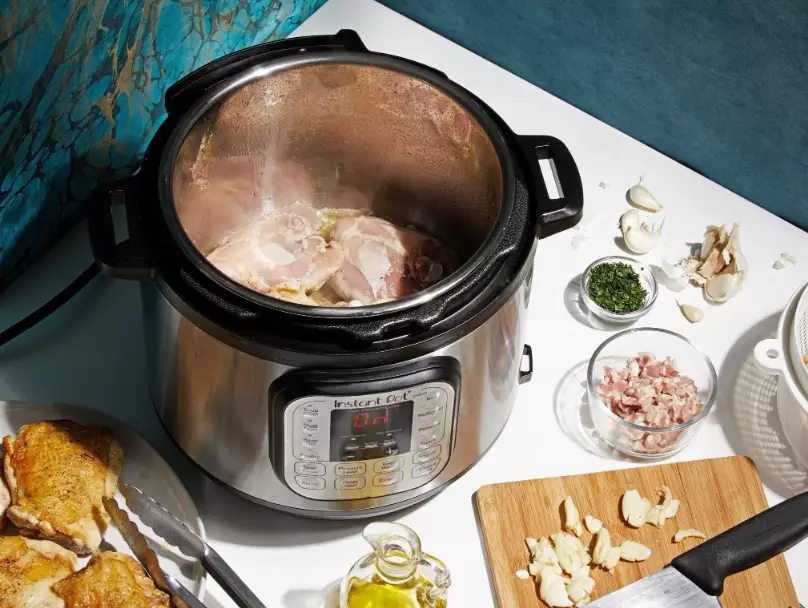
2. Reduce the Liquid. Cut the broth, water, or wine by 30-50%. Write the new amount in the margin.
3. Choose LOW or HIGH. For all-day cooking or tougher cuts, choose LOW (8-10 hours). For a faster result with already-tender ingredients, choose HIGH (4-6 hours).
4. Brown the Protein. I know, it's an extra pan. But browning meat (the Maillard reaction) creates foundational flavor that the slow cooker can't replicate. Do it. Pat the meat dry first for a better sear.
5. Sauté Aromatics. Cook onions, garlic, celery, and carrots in the same pan after browning the meat. Deglaze the pan with a splash of your reduced liquid to get all the tasty browned bits.
6. Layer Smartly. Place root vegetables (potatoes, carrots) at the bottom, near the heat source. Place meat on top. Pour liquid and aromatics over everything.
7. Mark Your Late Adds. Circle any dairy, delicate veggies, or fresh herbs on the recipe. Set a timer to add them at the end.
Putting It All Together: A Real Recipe Conversion
Let's convert a classic: "Hearty Beef and Barley Soup" (originally a 2-hour stovetop simmer).
Original Stovetop Instructions (Abridged): Brown 1.5 lbs stew beef. Remove. Sauté 1 onion & 2 carrots. Add back beef, 8 cups beef broth, 1 cup pearled barley, 2 bay leaves. Simmer covered for 1.5 hours until beef and barley are tender. Stir in 2 cups frozen peas, cook 5 more minutes. Season.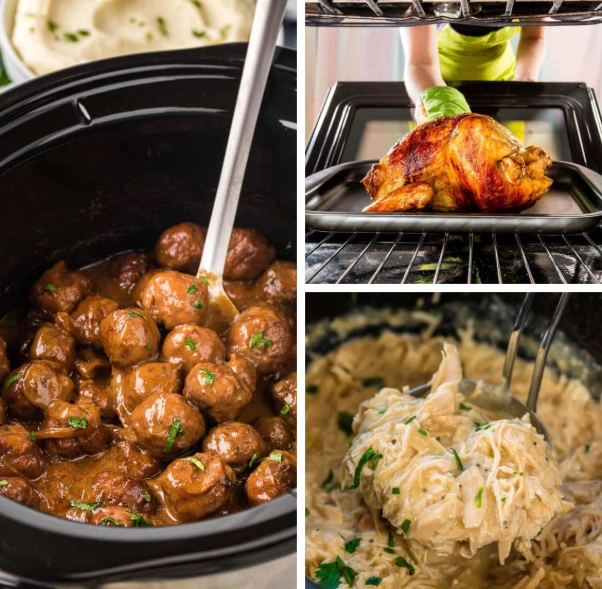
Converted Slow Cooker Method:
1. Brown & Sauté: Brown the beef in batches. Sauté the onion and carrots in the same pot.
2. Reduce Liquid: Instead of 8 cups broth, use 5 cups.
3. Layer: Place browned beef, sautéed veggies, barley, and bay leaves in the slow cooker. Pour the 5 cups of broth over.
4. Cook: Cover and cook on LOW for 7-8 hours or HIGH for 4-5 hours, until beef is fork-tender and barley is plump.
5. Late Add: Stir in the 2 cups frozen peas. Cover and cook on HIGH for an additional 20-30 minutes.
6. Final Touch: Remove bay leaves. Taste and season aggressively with salt and black pepper. The slow cooker often requires a heavier hand with seasoning at the finish.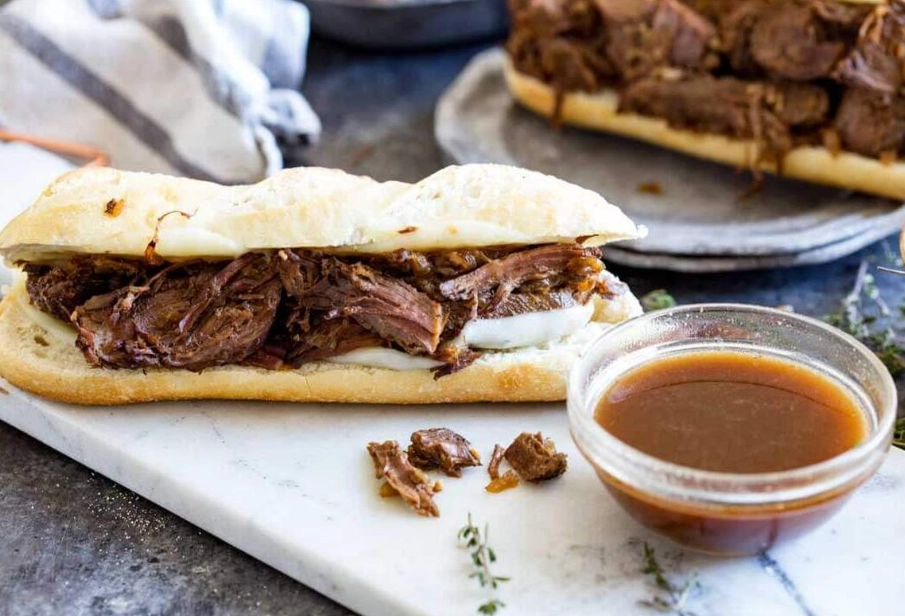
Top 3 Mistakes That Ruin Slow Cooker Meals
I've made these so you don't have to.
Overfilling: Filling the stoneware more than ⅔ full risks uneven cooking and overflow. If you're doubling a recipe, ensure your cooker is large enough (6 quarts or more).
Lifting the Lid: Every time you peek, you release a significant amount of heat and steam, adding 15-20 minutes to your cooking time. Trust the process. Only lift it near the end to add ingredients or check doneness.
Underseasoning: Long cooking mutes salt and spices. Season well at the beginning, but always do a final taste and adjustment before serving. A splash of acid—lemon juice or vinegar—can also brighten a flat-tasting dish.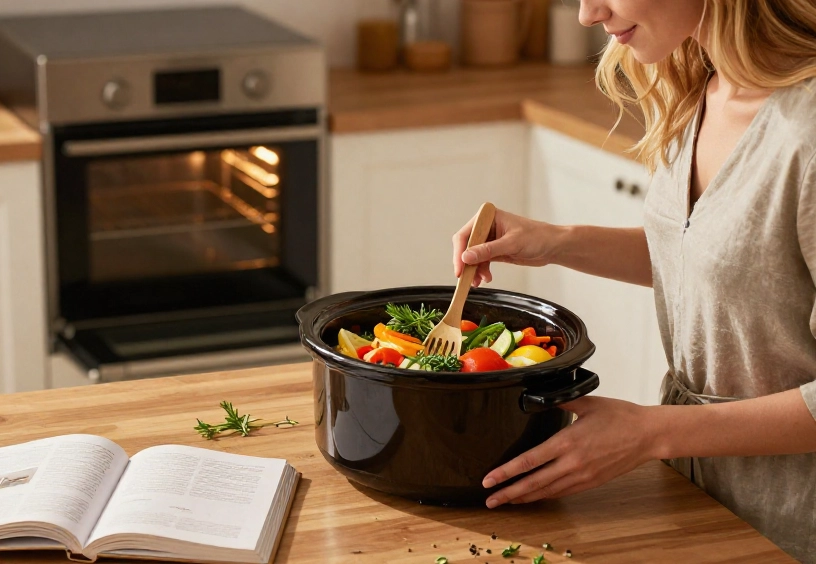
Your Slow Cooker Conversion Questions, Answered
Can I convert a cake or bread recipe for my slow cooker?
You can, but it's a different beast. Baking relies on dry heat for rise and structure. In a slow cooker, you create a moist, steaming environment. The result is more akin to a steamed pudding or a very dense, moist cake. It won't brown or have a crust. Use a specific slow cooker baking recipe as your template first to understand the texture change.
My converted pasta sauce always tastes bland compared to the stovetop version. Why?
This is likely the evaporation factor. On the stovetop, a simmering sauce reduces and concentrates. In the slow cooker, it doesn't. The fix is twofold: First, use tomato paste and sauté it for a minute with your aromatics to caramelize it slightly before adding. Second, after cooking, if the sauce is too watery, transfer it to a wide pan and simmer on the stovetop for 10-15 minutes to thicken and concentrate flavors before serving. It's a hybrid method, but it works.
Is it safe to put raw meat directly in the slow cooker?
From a food safety perspective, yes. The slow cooker heats up fast enough to move through the "danger zone" safely. However, from a flavor perspective, it's a major compromise. Raw meat will steam in its own juices, resulting in a paler color and a less complex, sometimes slightly "boiled" flavor. The sear from browning creates hundreds of new flavor compounds. Skipping it is the difference between a good meal and a great one.
How do I convert a recipe that has both quick-cooking and slow-cooking ingredients, like a stir-fry?
Some recipes are poor candidates for full conversion. A stir-fry's essence is high heat and quick cooking. Instead of forcing it, use the slow cooker for the protein component. For example, cook chicken thighs in a teriyaki or ginger-soy sauce on LOW for 4 hours until shreddable. Then, quickly stir-fry your crisp vegetables (bell peppers, snap peas) in a wok, add the shredded slow-cooked chicken and sauce, and heat through. You get the convenience of hands-off cooking for the longest part while preserving the texture of the veggies.
The goal isn't to make every recipe in the slow cooker. It's to have the confidence to look at your favorite braises, stews, soups, and even some casseroles and know you can give them the slow-cooker treatment. Start with a familiar recipe, apply the liquid rule and the timing guide, and take notes. Your future self, coming home to a house filled with the smell of a ready-made dinner, will thank you.
Reader Comments