Quick Guide
- What Makes a Stew "Old Fashioned" Anyway?
- Gathering Your Arsenal: Ingredients for the Best Old Fashioned Chicken Stew
- The Step-by-Step: Building Your Old Fashioned Chicken Stew
- Pro Tips and Troubleshooting Your Stew
- The Science of a Great Stew (Why These Steps Matter)
- Answers to Your Burning Stew Questions (FAQ)
- Wrapping It Up: Your Path to Stew Mastery
Let's be honest. When the weather turns, or you just need a hug from the inside out, nothing does the trick quite like a big bowl of old fashioned chicken stew. You know the kind. The one that simmers for hours, filling your kitchen with an aroma that promises comfort. The one with tender chunks of chicken, soft vegetables, and a rich, savory broth that's thick without being gloppy. That's the goal here.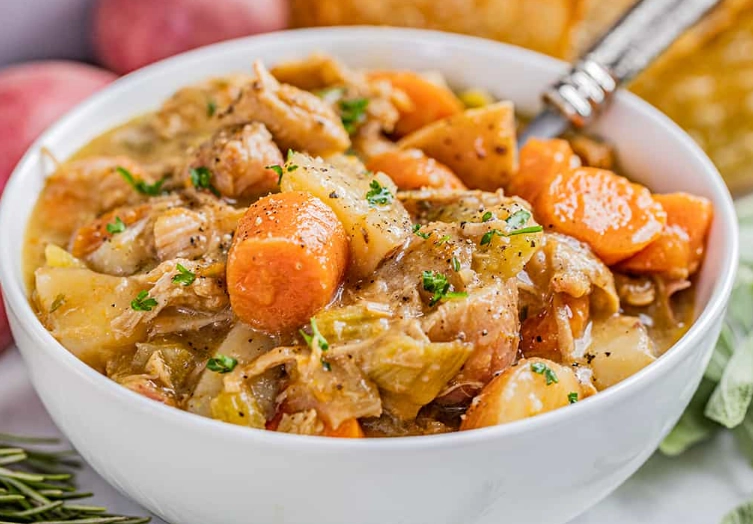
I've messed this up before, believe me. I've ended up with watery soup, overcooked chicken, and bland broth. It's disappointing. But after years of tweaking—and learning from my grandma's vague "a little of this, a pinch of that" instructions—I've landed on what I think is a foolproof method for an authentic old fashioned chicken stew recipe. This isn't a 30-minute hack. It's a weekend project, a labor of love that pays you back tenfold in flavor. So, grab your heaviest pot, and let's get into it.
What Makes a Stew "Old Fashioned" Anyway?
You see a million recipes for "chicken stew" online. What sets the old fashioned version apart? It's mostly about technique and patience. Modern recipes often rely on shortcuts like store-bought broth, boneless skinless chicken breasts, and a quick roux to thicken things up in under an hour. An authentic old fashioned chicken stew recipe builds flavor from the ground up.
It starts with bone-in, skin-on chicken pieces (thighs are king here). You brown them well to create fond—those delicious browned bits at the bottom of the pot. You use the rendered fat to cook your aromatics. You might even make your own stock as you go by simmering the bones. The vegetables are hearty and rustic: potatoes, carrots, celery, onions. The thickening happens slowly, often with a flour dredge on the chicken or a simple roux, and then through the natural release of starch from the potatoes during the long, slow simmer. The result is a deeper, more complex, and satisfying flavor that just tastes… real.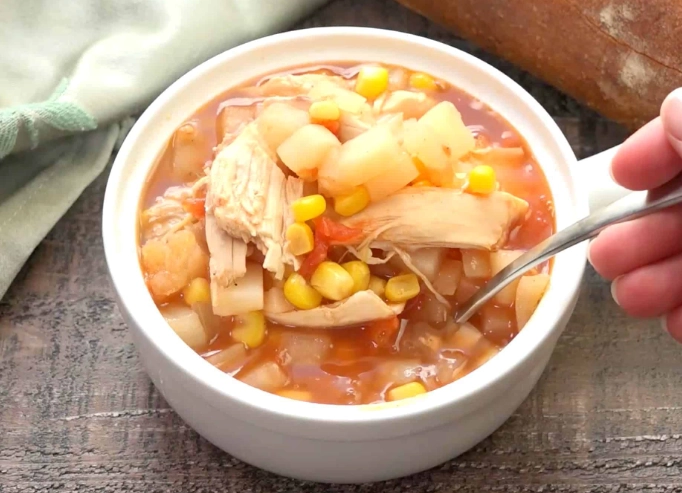
Gathering Your Arsenal: Ingredients for the Best Old Fashioned Chicken Stew
Great stew starts with great ingredients. You don't need anything fancy, but quality matters. Here’s your shopping list for this classic old fashioned chicken stew recipe.
| Ingredient | Why It's Important & Notes |
|---|---|
| Chicken (3-4 lbs) | Bone-in, skin-on thighs and legs. Breasts will dry out. The bones and skin add immense flavor and body to the broth. This is the single biggest factor. |
| All-Purpose Flour (1/3 cup) | For dredging the chicken. This helps with browning and is the primary thickener for the stew. |
| Vegetables: Onions, Carrots, Celery, Potatoes (2-3 lbs total) | The holy trinity (onions, carrots, celery) plus potatoes. Use Yukon Golds—they hold their shape but also break down a little to thicken the stew. Russets can get mushy. |
| Fat: Olive Oil & Butter (2 tbsp each) | Oil for high-heat browning, butter for flavor when cooking the veggies. |
| Liquid: Chicken Broth & Water (6 cups total) | Use a good-quality, low-sodium broth. You're reducing it, so regular broth can become too salty. You can also use water since the chicken bones will create stock. |
| Aromatics & Herbs: Garlic, Bay Leaves, Thyme, Parsley | Fresh thyme is fantastic, but dried works. Bay leaves are essential. Fresh parsley at the end for brightness. |
| Seasoning: Salt, Black Pepper, Paprika (optional) | Season in layers. Paprika adds a subtle sweetness and color. |
See? Nothing weird. No cream of mushroom soup. Just honest ingredients. Now, what if you're missing something? Don't panic.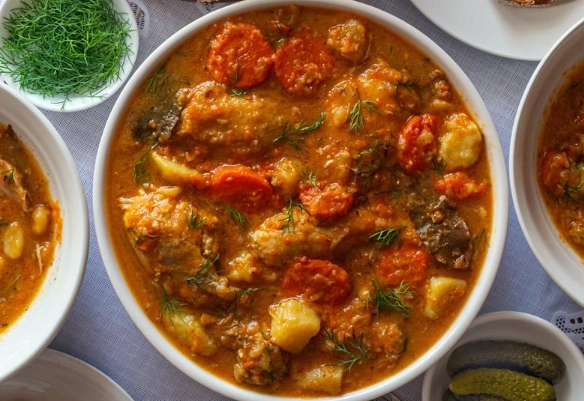
The Step-by-Step: Building Your Old Fashioned Chicken Stew
This is where the magic happens. I'll walk you through it, but don't be a slave to the clock. Your nose and eyes are your best tools.
Step 1: Dredge and Brown the Chicken (The Flavor Foundation)
Pat your chicken pieces very dry with paper towels. This is crucial for getting a good sear, not a steam. Season them generously with salt and pepper. Toss them in the flour until lightly coated, shaking off any excess.
Heat the oil in a large, heavy-bottomed Dutch oven or pot over medium-high heat. Don't crowd the pot—brown the chicken in batches, skin-side down first. You're looking for a deep golden-brown crust, about 5-7 minutes per side. This takes time, but it's the soul of your old fashioned chicken stew recipe. Transfer the browned chicken to a plate. It won't be cooked through yet, and that's fine.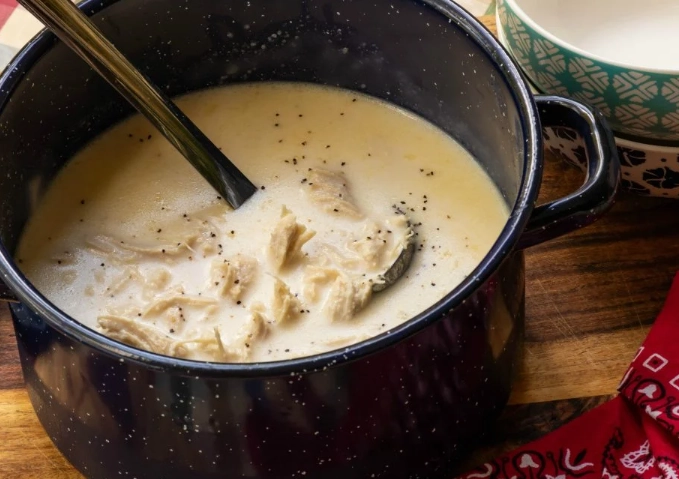
Step 2: Sauté the Aromatics (Building the Base)
Reduce the heat to medium. You should have about 2-3 tablespoons of fat and all those beautiful browned bits (the fond) in the pot. Add the butter, let it melt, then toss in your chopped onions, carrots, and celery. Cook, stirring occasionally and scraping the fond up, until the onions are soft and translucent, about 8-10 minutes. Add the garlic and cook for just one more minute until fragrant.
Step 3: Deglaze and Simmer (The Long Haul)
Pour in about a cup of your chicken broth. Use a wooden spoon to scrape up every last bit of fond from the bottom of the pot. This is called deglazing, and it's liquid gold. All that flavor dissolves right into your broth.
Return the browned chicken (and any juices from the plate) to the pot. Add the remaining broth and enough water to just barely cover the chicken. Throw in the bay leaves and thyme. Bring it to a very gentle simmer—a few bubbles breaking the surface, not a rolling boil. Cover partially (leave the lid ajar) and let it simmer quietly for about 45 minutes. This gently cooks the chicken and starts building the broth.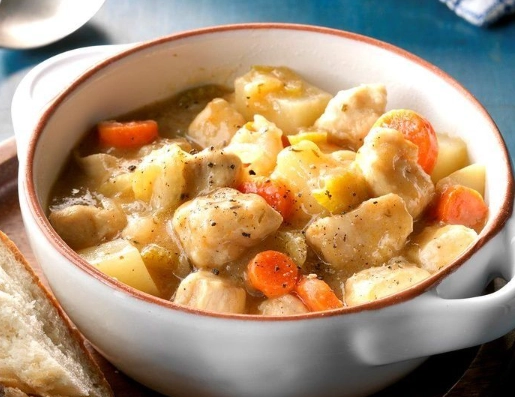
Step 4: Add Potatoes and Finish Cooking
After 45 minutes, the chicken should be tender. Remove the chicken pieces to a clean plate. Skim off any excess fat from the surface of the broth if you like (I sometimes leave a bit for flavor). Add your cubed potatoes to the pot. Bring back to a simmer and cook, uncovered, for about 20-25 minutes, until the potatoes are fork-tender.
While the potatoes cook, let the chicken cool slightly, then shred the meat off the bones, discarding the skin and bones. I like a mix of chunkier and finer shreds for texture.
Step 5: Final Assembly and Thickening
Once the potatoes are done, it's time to check your stew's body. If it looks a bit thin, you have options. The easiest is to make a slurry: mix 2 tablespoons of flour with 1/4 cup of cold water or broth until smooth. While the stew is simmering, slowly drizzle in the slurry, stirring constantly. Let it cook for 5-10 minutes to thicken and lose the raw flour taste.
Stir the shredded chicken back into the pot. Taste. This is the most important step. Does it need more salt? Probably. A few cracks of fresh black pepper? Absolutely. Heat through for another 5 minutes. Stir in a big handful of chopped fresh parsley right before serving.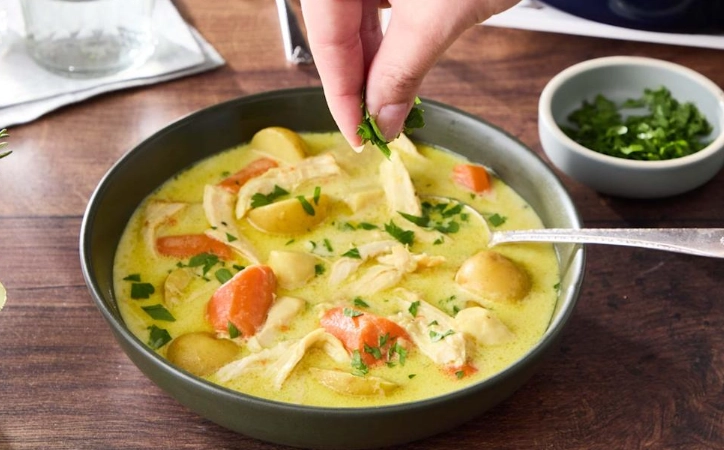
Pro Tips and Troubleshooting Your Stew
Even with a great recipe, things can go sideways. Here’s how to fix common problems and elevate your stew game.
- Stew is too thin: Make a slurry (flour + cold liquid) as described above. Alternatively, you can mash a few of the potato pieces against the side of the pot to thicken it naturally.
- Stew is too thick: Easy fix! Just stir in a little more hot broth or water until it reaches your desired consistency.
- Stew is bland: This usually means under-salting. Salt enhances all other flavors. Add salt in small increments, stirring and tasting after each addition. A splash of apple cider vinegar or a squeeze of lemon juice at the end can also wake up flat flavors without making it taste sour.
- Chicken is dry/tough: This happens if you used boneless, skinless breasts or overcooked them. For this old fashioned chicken stew recipe, stick to dark meat and follow the simmering time. If it's already happened, just make sure the chicken is submerged in the flavorful broth when you serve it.
The Science of a Great Stew (Why These Steps Matter)
You don't need to know this to make great stew, but it helps you understand why the recipe works, so you can improvise later.
Browning (Maillard Reaction): When you sear the chicken, amino acids and sugars react at high heat to create hundreds of new flavor compounds. This isn't just "cooking" the chicken; it's fundamentally changing its flavor profile to something richer, nuttier, and more complex. The Serious Eats Food Lab has fantastic deep dives into this process.
Gelatin Extraction: Simmering bones and connective tissue releases gelatin into the broth. Gelatin gives body and a luxurious, silky mouthfeel to the stew. That's why boneless chicken breasts make a thinner, less satisfying stew—they have very little collagen to convert to gelatin.
Starch Thickening: The flour from dredging and any added slurry contains starch granules. When heated in liquid, they swell and burst, releasing starch molecules that tangle together and thicken the liquid. Potatoes also release starch as they cook, contributing to the thick, hearty texture.
Answers to Your Burning Stew Questions (FAQ)
You can, but the texture and depth will be different. For a slow cooker: Follow steps 1 & 2 (browning chicken and sautéing veggies) on the stove for best flavor, then transfer everything to the slow cooker. Cook on LOW for 6-8 hours or HIGH for 3-4. Add potatoes in the last 2 hours on LOW or 1 hour on HIGH. For an Instant Pot: Use the Sauté function for steps 1 & 2. Deglaze, add everything except potatoes, seal, and cook on High Pressure for 15 minutes. Quick release, add potatoes, and cook on High Pressure for another 5 minutes. The fast pressure doesn't allow flavors to meld quite the same way, but it's a great weeknight option.
It keeps beautifully. In the fridge, in an airtight container, it's good for 3-4 days. In fact, it often tastes even better the next day as the flavors continue to marry. You can also freeze it for up to 3 months. Thaw in the fridge overnight and reheat gently on the stove, adding a splash of broth or water if it has thickened up too much.
Always on the stovetop over low to medium-low heat, stirring occasionally. Microwaving can make the chicken rubbery and heat unevenly. The gentle heat on the stove brings it back to life perfectly.
It's a complete meal in a bowl! But a crusty loaf of bread, buttermilk biscuits, or simple drop dumplings (cooked right on top of the stew in the last 15 minutes) are classic and perfect for sopping up the broth. A simple green salad with a sharp vinaigrette on the side cuts the richness nicely.
Of course! Peas, green beans, or corn are lovely additions. Add frozen peas or corn in the last 5 minutes of cooking. Mushrooms, sautéed first, are a fantastic umami booster. Just remember that adding more watery veggies (like zucchini) can thin out your stew.
Wrapping It Up: Your Path to Stew Mastery
So there you have it. More than just an old fashioned chicken stew recipe, this is a blueprint for comfort. It asks for your time and attention, but it repays you with something no quick recipe ever can: deep, layered flavor and the genuine satisfaction of creating a classic from scratch.
The best part about mastering this old fashioned chicken stew recipe is that it teaches you principles you can use everywhere. You learn how to build flavor through browning, how to balance richness and brightness, and how patience in the kitchen leads to superior results. Once you've got this down, you can start playing—adding a parsnip, using leeks instead of onions, a sprig of rosemary. Make it yours.
Go on. Light the stove, brown that chicken, and let your kitchen fill with the promise of a perfect, cozy meal. You've got this.
Reader Comments