In a Nutshell
So you've got this beautiful piece of brisket staring at you from the fridge. It's a hefty investment, both in money and in the promise of a fantastic meal. The last thing you want is to mess it up. And that's where the big question hits you, the one that probably brought you here: is brisket better in slow cooker or oven?
I've been there. I've had triumphs and tragedies with both methods. My first oven brisket came out looking like a charcoal briquette. My first slow cooker attempt was so watery it tasted like boiled beef soup. Not great. But over the years, through a lot of trial and error (and some hungry, forgiving friends), I've figured out what each method is really good at, and where they fall flat.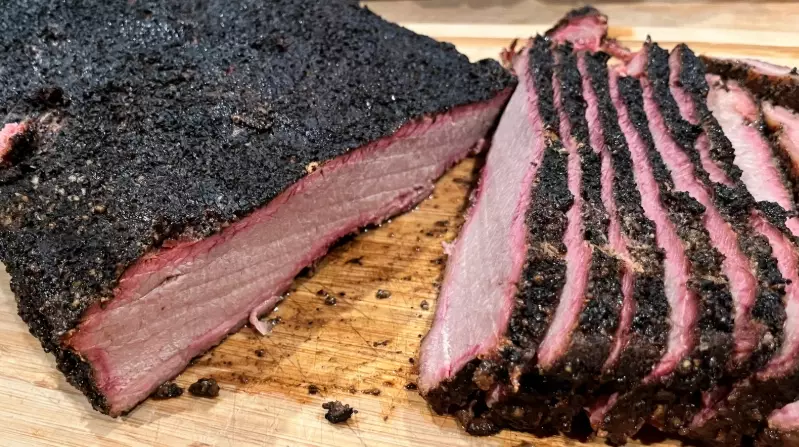
Let's get one thing straight right off the bat. There's no single "best" answer for everyone. The real answer to "is brisket better in slow cooker or oven?" is a frustrating but honest one: it depends on what you're after. Are you a purist chasing bark and smoke rings? Or are you a busy parent who needs dinner ready when you walk in the door? Your goals decide the winner.
We're going to break this down, no fluff. We'll look at texture, flavor, hands-on time, cost, and the all-important "wow" factor. By the end, you'll know exactly which tool to reach for.
The Core of the Debate: What Each Method Actually Does
Before we pick sides, let's understand the battlefield. Cooking brisket is all about transforming a tough, fibrous cut into something tender and delicious. It's all about breaking down collagen, the connective tissue that holds the muscle fibers together. Both the slow cooker and the oven use low, slow heat to do this, but the environment they create is totally different.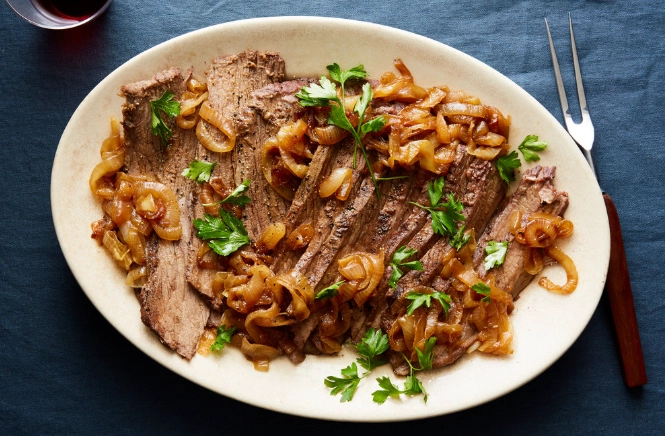
An oven is a dry, circulating heat. Even if you have a pan of liquid below, the air around the meat is dry. This promotes evaporation on the surface, which leads to browning, caramelization, and that coveted crust (called "bark"). A slow cooker, especially when set to low, is a sealed, moist environment. The lid traps steam, and the liquid you add (broth, sauce, etc.) creates a braising effect. It's more about simmering in its own juices than roasting.
That fundamental difference – dry heat vs. moist heat – is the root of every pro and con we'll discuss.
Head-to-Head: The Ultimate Showdown
Let's put them side by side. This table isn't about declaring a winner; it's about matching the method to your mood and your day.
| Factor | Slow Cooker Brisket | Oven Brisket |
|---|---|---|
| Texture & Tenderness | Unbelievably, fall-apart tender. The constant moist heat relentlessly breaks down collagen. It can almost be too tender, losing some of the meaty bite. | Firm, sliceable tenderness. You get clean slices that hold together but melt in your mouth. Achieving perfect tenderness is a finer art, with a narrower window between tough and overdone. |
| Flavor & Bark | Deep, infused flavor from the braising liquid. The meat soaks up the seasonings. The major downside? Zero bark. The surface stays soft and pale. | Superior, concentrated meaty flavor. The Maillard reaction from dry heat creates complex flavors and a dark, flavorful, sometimes crispy bark that is a textural delight. |
| Convenience & Hands-Off Time | The undisputed champion. Set it, forget it, leave the house. 8-10 hours of zero supervision. Perfect for weekdays or when you're busy. | Requires more babysitting. You need to check internal temps, possibly cover/uncover, and add liquid. Not something you can leave for a full workday. |
| Skill Level & Forgiveness | Extremely forgiving. Hard to dry out. Very beginner-friendly. | Less forgiving. Easier to overcook and dry out the outer layers before the inside is tender. Requires a good meat thermometer. |
| Energy & Cost | Generally uses less energy than running a full-size oven for hours. | Heating a large oven for 6+ hours can be costly, especially in summer when it heats the kitchen. |
Looking at that, the choice starts to become clearer, doesn't it? If your top priority is ease and guaranteed tenderness, the slow cooker is calling your name. If you're after that classic barbecue-style experience with bark and depth of flavor, the oven is your project for the day.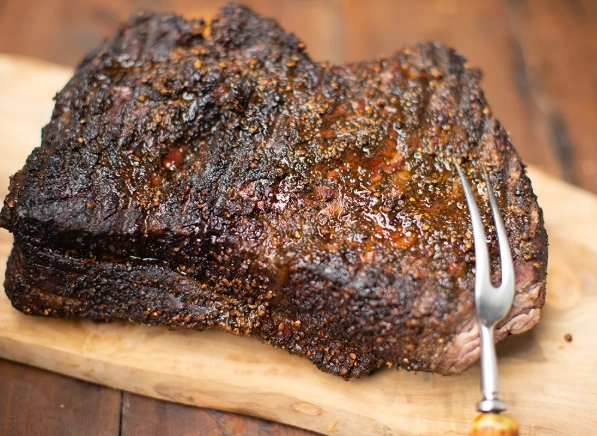
My Personal Take: For a casual family dinner where I'm running errands, I grab the slow cooker. The flavor is still great, and the convenience is unbeatable. But when I have friends over and I want to impress, or I'm really craving that authentic texture, I clear my schedule for the oven. The oven result feels more like an accomplishment.
Mastering the Slow Cooker Brisket
Let's say you've decided the slow cooker fits your life today. Great choice. Here’s how to make sure it's the best it can be, because even an easy method has tricks.
First, don't just dump it in. Take five minutes to sear the brisket on all sides in a screaming hot skillet. This isn't just for looks (though it gives you some color). It creates a flavor foundation through browning that the slow cooker can't achieve on its own. It makes a massive difference in the final taste.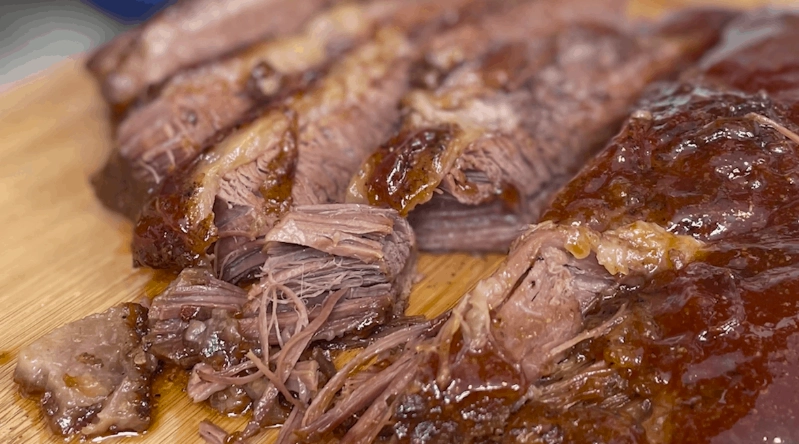
The liquid is key. You don't need to submerge the meat. A cup or two of beef broth, a splash of Worcestershire sauce, maybe a little apple cider vinegar is plenty. The meat will release its own juices. Too much liquid and you're boiling, not braising.
Fat side up or down? I always go fat side up. As it cooks, the fat slowly renders and bastes the meat underneath, keeping it luxurious.
Watch Out: The biggest complaint about slow cooker brisket is it can be mushy. To avoid this, resist the urge to cook it on HIGH for a shorter time. Always use the LOW setting. The collagen breaks down more gently, preserving some texture. A 4-pound piece will need a good 8-10 hours on low.
And here's a game-changer for slow cooker brisket: the broiler finish. When the meat is tender, carefully take it out (it will want to fall apart) and place it on a foil-lined baking sheet. Spoon some of the cooking liquid over it and pop it under a hot broiler for 3-5 minutes. This gives you a caramelized, slightly crispy top that mimics bark. It bridges the gap between methods beautifully.
Conquering the Oven Brisket
The oven method feels more ceremonial. It's for days you want to cook. Your goal here is to manage moisture and heat to coax out tenderness without sacrificing the crust.
Low and slow is the law. 275°F to 300°F (135°C to 150°C) is the sweet spot. Any hotter and the outside will toughen before the inside softens.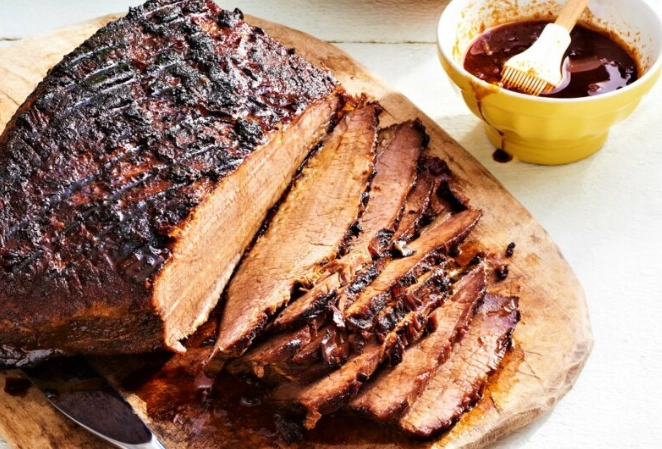
The Texas Crutch is your best friend. This is a barbecue term for wrapping the meat partway through cooking. After 3-4 hours, when the brisket has a nice color, wrap it tightly in butcher paper or aluminum foil. This traps steam and accelerates the tenderizing process, preventing the dreaded "stall" where evaporation cools the meat and cooking pauses. It's the secret to a juicy oven brisket.
A probe thermometer is non-negotiable. You're aiming for an internal temperature of around 200°F to 205°F (93°C to 96°C) for slicing tenderness. Poking it with a fork isn't good enough. Trust the thermometer.
Pro Tip: Let it rest. Seriously. When it comes out of the oven, wrap it in a clean towel and let it sit in a cooler or a warm oven (turned off) for at least an hour, ideally two. This lets the juices redistribute. Cutting into it immediately will result in a dry brisket, undoing all your hard work.
Answering Your Burning Questions
No. A true smoke ring is a chemical reaction between nitrogen dioxide in wood smoke and the myoglobin in meat. Neither appliance generates smoke. You can add a teaspoon of liquid smoke to your rub or braising liquid for a hint of that flavor, but it won't create the pink ring. If a smoke ring is important to you, you're looking at a smoker, not an oven or slow cooker.
This is practical. The slow cooker typically uses less energy—it's a small, insulated appliance. Running a full-size electric or gas oven at a low temperature for 6-8 hours adds noticeable cost to your utility bill, especially during peak hours or in hot weather when your AC fights the oven heat. For pure economy, the slow cooker wins.
Yes, a little. For the slow cooker, you can leave a slightly thicker fat cap (about 1/4 inch) because the rendering fat will directly baste the meat in the confined space. For the oven, trim it closer (to about 1/8 inch). Too much fat in the oven can prevent the bark from forming properly on that side. You want the spice rub to contact meat, not just fat.
Fantastic question. Oven brisket, with its firmer texture, often reheats better for slicing. You can reheat slices gently in a covered pan with a bit of broth. Slow cooker brisket, being so tender, can sometimes turn to shreds when reheated—which isn't bad if you're making sandwiches or tacos! For a more universal leftover, the oven version holds its form better.
The Final Verdict: It's Not a Tie
After all this, circling back to the core question—is brisket better in slow cooker or oven?—I have to give two verdicts.
For ultimate convenience and foolproof tenderness, the slow cooker is better. It fits modern life. You get a delicious, hearty meal with minimal effort. The trade-off is the lack of textural contrast and that deep, roasted flavor.
For superior flavor, texture, and a more traditional result, the oven is better. It delivers a product that's closer to true barbecue. It requires more attention and skill, but the payoff is bigger in terms of sensory experience.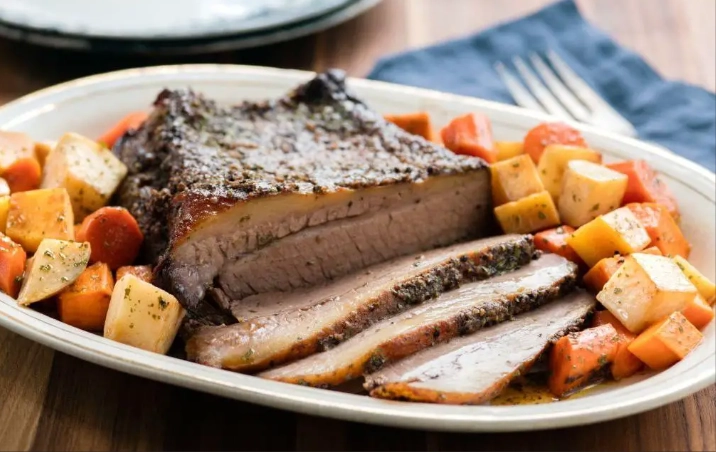
So, maybe stop asking which one is universally "better." Start asking: "Which one is better for me today?" Your schedule, your skill level, and what you're craving should make the decision easy. And honestly, the best way to know for sure is to try both. Buy two small briskets sometime and have a cook-off. Your own taste buds are the final judge.
Whichever path you choose, remember the core principles: low heat, patience, and a good thermometer. Now go conquer that brisket.
Reader Comments