Let's be honest. The idea of standing over a pot, stirring a roux for 45 minutes while praying it doesn't burn, isn't most people's idea of a relaxing weeknight. That single step stops countless home cooks from ever attempting a proper gumbo. But what if you could get that same deep, complex, soul-warming flavor without the babysitting? That's where the slow cooker comes in. It doesn't just make gumbo easy; it transforms it into a truly hands-off masterpiece. Forget the anxiety. This method delivers a rich, authentic-tasting gumbo that simmers away while you work, run errands, or simply put your feet up. It's not a shortcut that compromises flavor—it's a smarter approach to a classic.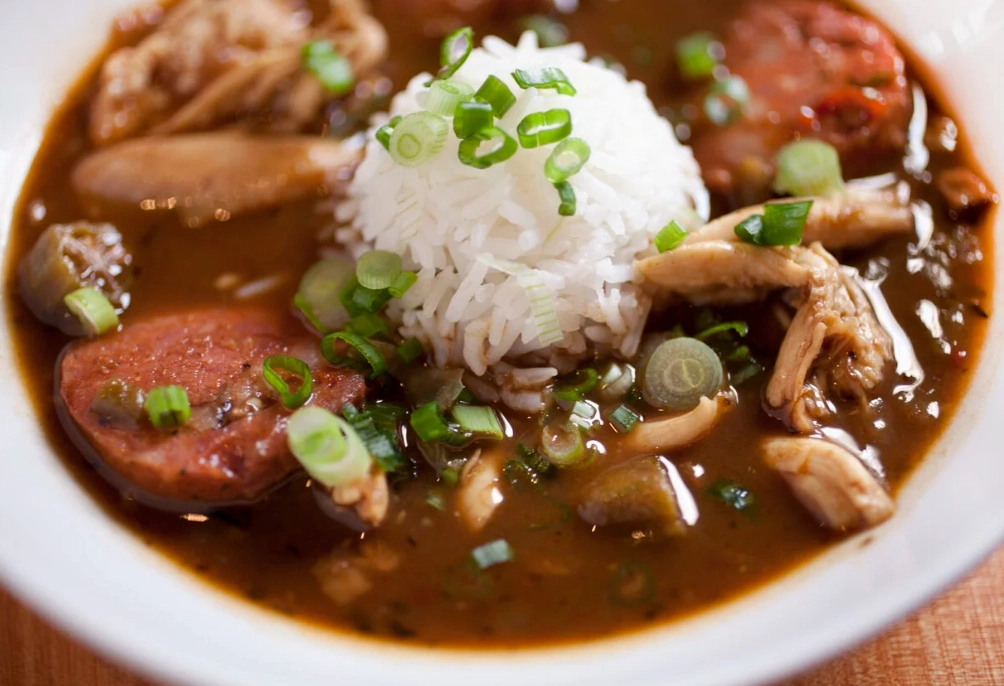
What's Inside This Gumbo Guide
What is Gumbo and Why Use a Slow Cooker?
Gumbo is more than just a stew from Louisiana. It's a history lesson in a bowl, blending West African, French, Spanish, and Native American influences. The heart of any real gumbo is the roux—a cooked mixture of fat and flour that provides color and a nutty base flavor. Then comes the "holy trinity" of Cajun/Creole cooking: onions, bell peppers, and celery. From there, it's a canvas for proteins like chicken, andouille sausage, shrimp, or okra (which actually gives its name to the dish).
The slow cooker is a genius tool for gumbo for one main reason: controlled, low heat. That frantic roux-stirring? It's all about managing heat to develop color without burning. By starting your roux on the stovetop just to a light peanut butter color (about 10 minutes), then letting the slow cooker take over, you let time do the work. Over the next 6-8 hours, that roux will continue to darken and deepen, melding with the holy trinity and stock into something incredible. The result is a flavor profile just as rich as the stovetop version, but with zero risk of a scorched, bitter roux. It's foolproof.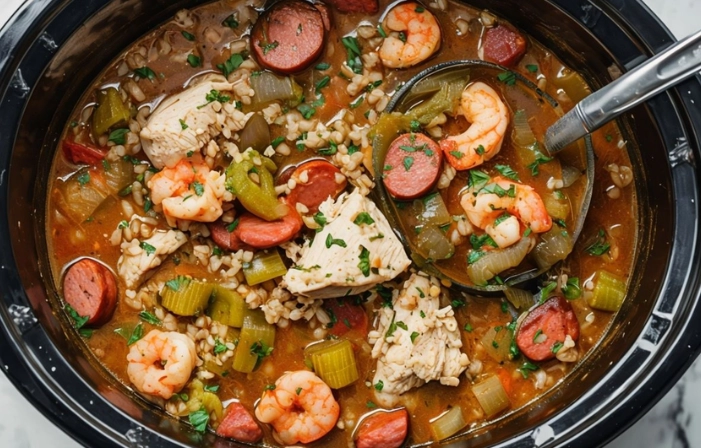
How to Make Slow Cooker Gumbo: A Step-by-Step Guide
Here's the process, broken down. You'll need about 20-30 minutes of active prep in the morning, and then you're free.
The Non-Negotiable First Step: The Roux
Grab a heavy skillet. Equal parts oil (canola or vegetable works best here) and all-purpose flour. I use 2/3 cup of each for a standard 6-quart slow cooker batch. Medium heat. Whisk constantly. Don't answer the phone. You're looking for a color somewhere between peanut butter and a copper penny. This takes 8-12 minutes. Once it's there, immediately dump it into your slow cooker stoneware. This stops the cooking. Pro tip: Chop your holy trinity veggies while the roux cooks. The second the roux hits the cooker, toss the veggies into the still-hot skillet. They'll sizzle and pick up any remaining roux bits, which is pure flavor gold.
Building the Pot
To your slow cooker with the roux inside, add the sautéed holy trinity, 6-8 cups of low-sodium chicken stock (never just water), your seasonings (paprika, thyme, oregano, bay leaves, cayenne, black pepper), and your raw chicken (thighs are infinitely better than breasts here). Add sliced andouille or smoked sausage. Stir it all together. It will look thin and separated. That's perfect.
Cover. Cook on LOW for 7-8 hours. High for 4-5 works in a pinch, but low is always better for flavor development.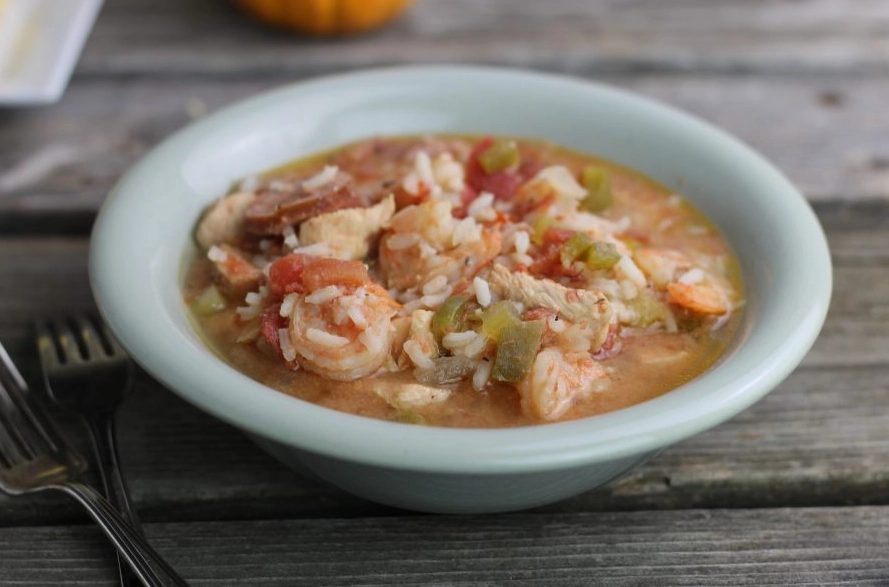
The Final Touches
An hour before serving, remove the chicken thighs, shred them with two forks, and return the meat to the pot. This is also when you add okra (if using frozen, no need to thaw) and filé powder (if using). Filé is ground sassafras leaves and acts as a thickener and flavoring; add it off the heat at the very end to avoid stringiness. Finally, if using shrimp, add peeled, raw shrimp in the last 20-30 minutes of cooking. They'll overcook and turn rubbery if added too soon.
Choosing Your Proteins: A Quick Comparison
Your protein combo defines your gumbo's character. Here’s a breakdown of the usual suspects.
| Protein | When to Add | Flavor & Texture Contribution | Personal Take |
|---|---|---|---|
| Chicken Thighs (bone-in, skin-on) | Start of cooking. | Rich, gelatinous flavor from bones; meat stays juicy. | The undisputed king for slow cooker gumbo. Breasts dry out. |
| Andouille Sausage | Start of cooking. | Smoky, garlicky, spicy; releases fat and flavor into the broth. | Essential. If you can't find real andouille, a good smoked kielbasa is an okay sub. |
| Shrimp (large, raw) | Last 20-30 minutes. | Sweet, delicate seafood flavor; adds a different texture. | Elevates the dish but is pricier. Don't use pre-cooked. |
| Okra (fresh or frozen) | Last 60-90 minutes. | Acts as a thickener (releases mucilage) and has a unique grassy flavor. | Love it or hate it. If you dislike the "slimy" texture, roast it first on a sheet pan. |
| Crab or Oysters | Last 5-10 minutes (oysters). | Luxurious, briny seafood punch. | For special occasions. Adds significant cost but incredible depth. |
3 Common Slow Cooker Gumbo Mistakes (And How to Dodge Them)
I've made these so you don't have to.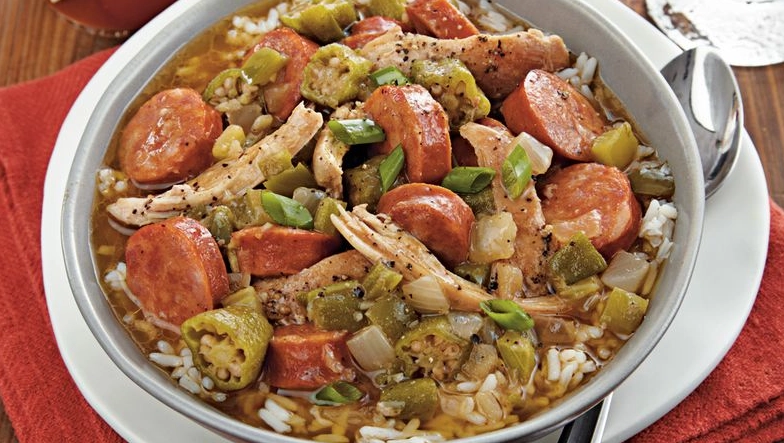
Mistake 1: Skipping the stovetop roux entirely. Some recipes say to just dump flour and oil in the slow cooker. Don't. You won't cook out the raw flour taste properly, and you'll get a pasty, bland base. The 10-minute stovetop start is non-negotiable for flavor.
Mistake 2: Using water instead of stock. This is the biggest flavor killer. Your slow cooker doesn't reduce liquid like a stovetop pot. The liquid you start with is essentially the liquid you finish with. Use a good, low-sodium chicken or seafood stock. The Louisiana Travel guide to Cajun and Creole cuisine emphasizes building layers of flavor, and stock is your foundation.
Mistake 3: Over-thickening. Gumbo is a soup-stew, not a gravy. It should have body but still flow freely. Between the roux, the okra (if used), and the filé (if used), you have three potential thickeners. You rarely need all three. If it's too thick at the end, just stir in a little hot water or stock.
Serving, Storing, and Making It Your Own
Ladle your gumbo over a scoop of plain white rice. The classic serving. A sprinkle of chopped green onions and a dash of hot sauce (Crystal or Tabasco) on the side are mandatory in my house.
It tastes even better the next day. Let it cool, then store it in the fridge for up to 4 days, or freeze it for up to 3 months. The flavors marry and intensify.
Make it yours. Not a fan of shrimp? Use more chicken and sausage. Want more heat? Add a diced jalapeño with the holy trinity. For a classic Creole twist, add a can of diced tomatoes. According to food safety guidelines from sources like the USDA, always ensure your slow cooker reaches a safe internal temperature of 165°F (74°C) for poultry, which it easily will on the low setting over many hours.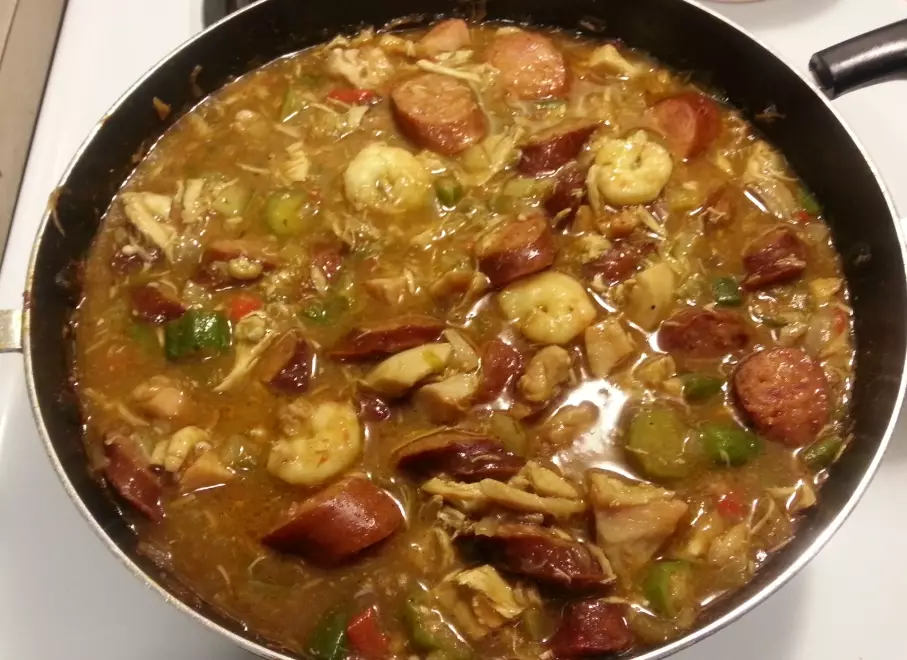
Your Slow Cooker Gumbo Questions, Answered
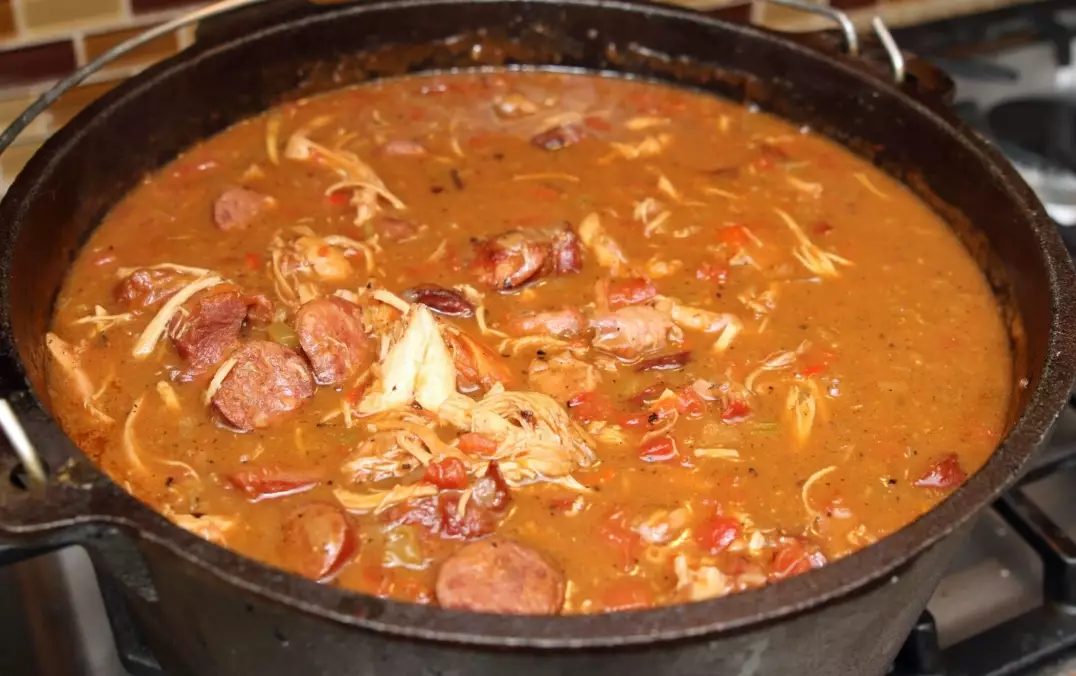 What's the difference between using okra and filé powder?
Reader Comments