You lift the lid, expecting a rich, hearty stew. Instead, you're greeted by a sad, watery broth swimming with meat and vegetables. It's a slow cooker letdown we've all faced. The instinct is to reach for the cornstarch, but what if you're out, avoiding corn, or just want a different texture? Good news: cornstarch is just one player in a whole team of thickeners. I've been wrestling with slow cookers for over a decade, and I can tell you that ditching cornstarch often leads to deeper flavor and more satisfying results. Let's fix that watery sauce for good.
What's Inside This Guide
Why You Might Want to Skip Cornstarch
Don't get me wrong, cornstarch works. It's a pure starch that creates a clear, glossy thickening. But that's also its limitation. The gloss can look artificial in a rustic stew. More importantly, it adds zero flavor. It's a missed opportunity. Many alternatives contribute their own taste—a nutty depth from flour, a sweet earthiness from root vegetables, or a creamy richness from dairy. If you're cooking gluten-free, cornstarch is a common go-to, but it's not the only option. Arrowroot, tapioca, and certain vegetable methods are fantastic gluten-free thickeners. Some people also find sauces thickened with cornstarch can become slimy or break down if reheated aggressively.
I learned this the hard way making a big batch of beef bourguignon. I used cornstarch at the end, and while it thickened, the sauce felt separate from the wine and herbs. The next time, I used a beurre manié (butter-flour paste), and the sauce was richer, more cohesive, and just tasted… more complete.
Flour-Based Methods: The Classic Route
All-purpose flour is your pantry's best friend here. But how you add it makes all the difference between lumpy gravy and silky sauce.
1. The Roux (Cooked Flour Fat)
This is the gold standard for gravies and creamy sauces. You cook equal parts fat (butter, oil, or meat drippings) and flour together before adding liquid. It cooks out the raw flour taste and creates a stable thickener. For slow cooking, I make a roux separately in a skillet while the cooker is going. Once it's a light tan color (a blonde roux), I whisk in a ladleful of the hot slow cooker liquid to create a slurry, then stir that mixture back into the pot. This prevents lumps and distributes the thickening power evenly. Let it cook on high for another 20-30 minutes to fully incorporate.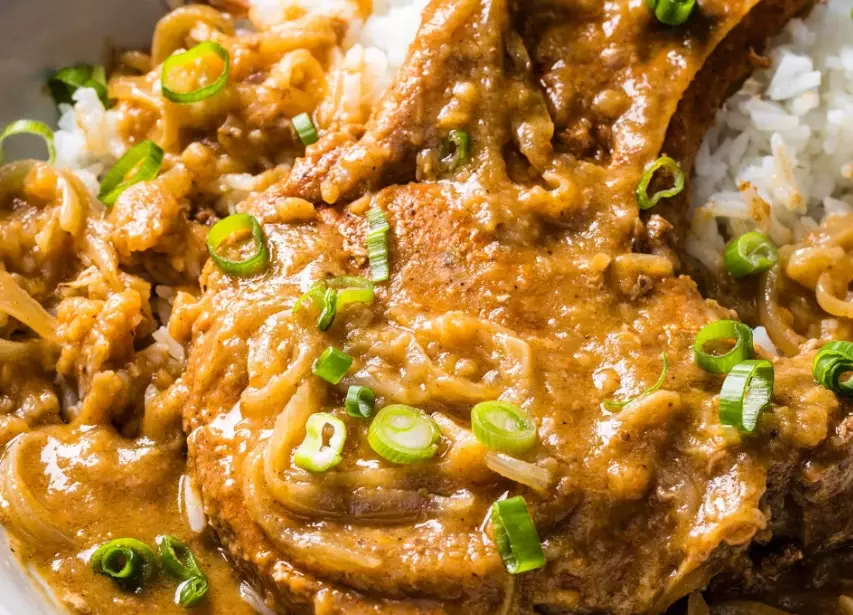
2. Beurre Manié (Kneaded Butter)
This is your emergency "oops, it's too thin" fix. Mash equal parts soft butter and flour into a smooth paste. Whisk small pieces of this paste into the simmering liquid in your slow cooker. The butter melts, dispersing the flour evenly without clumps. It's incredibly forgiving and adds a lovely richness. Use about one tablespoon of paste per cup of liquid you need to thicken.
3. Gluten-Free Flour Blends
If you're avoiding gluten, a good all-purpose gluten-free flour blend (like those from Bob's Red Mill or King Arthur) can often be used in a roux or slurry just like regular flour. Rice flour and oat flour are also effective when made into a slurry with cold water. They have a more neutral flavor than some other alternatives.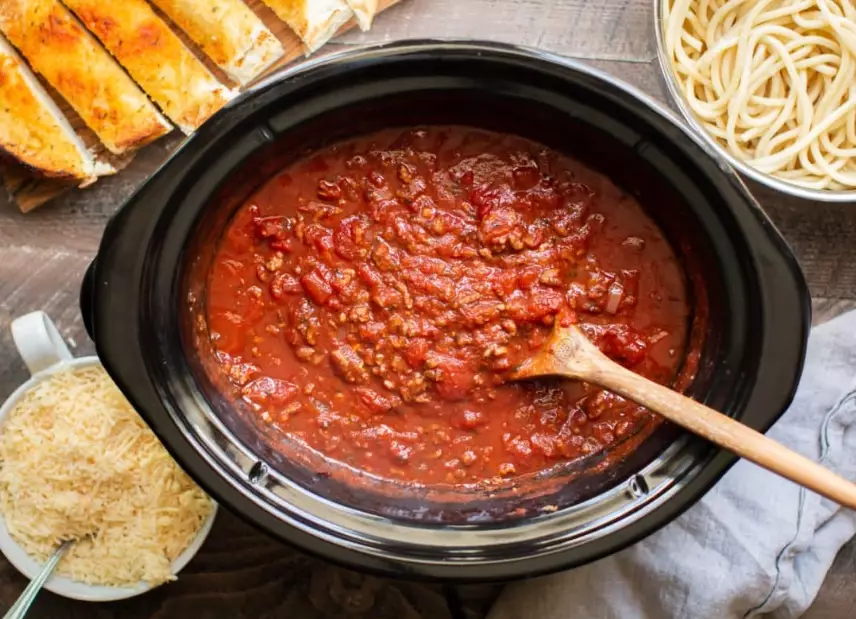
Veggie Power: The Natural Thickener
This is my favorite method for health-conscious cooking and adding hidden nutrition. Starchy vegetables break down during the long cook time, releasing their natural starches and fibers to thicken the surrounding liquid.
Potatoes & Sweet Potatoes: Dice a medium potato or sweet potato and add it at the beginning. By the time your stew is done, it will have largely dissolved, thickening the broth beautifully. For a quicker fix, mash cooked potatoes or instant potato flakes directly into the finished dish. Start with a quarter cup of flakes and go slow—they work fast.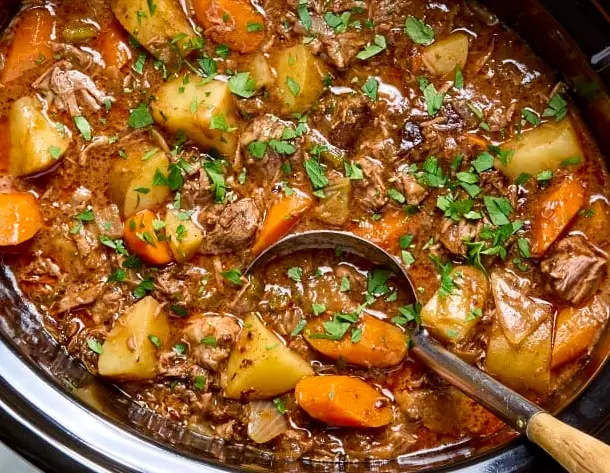
Root Vegetables: Turnips, parsnips, and carrots, especially when diced small, will soften and contribute to body. I find a combination works best.
Lentils or Split Peas: A handful of red lentils will completely disintegrate in a slow cooker, acting as a thickener and protein booster. They're perfect for curries and hearty soups.
I once made a chicken stew where I replaced half the potatoes with celery root. Not only did it thicken the sauce to a velvety consistency, but it added a subtle, sophisticated flavor that had everyone asking for the secret ingredient.
Dairy & Nut Thickeners: For Creamy Results
When you're after a creamy, indulgent texture, look to your fridge and pantry.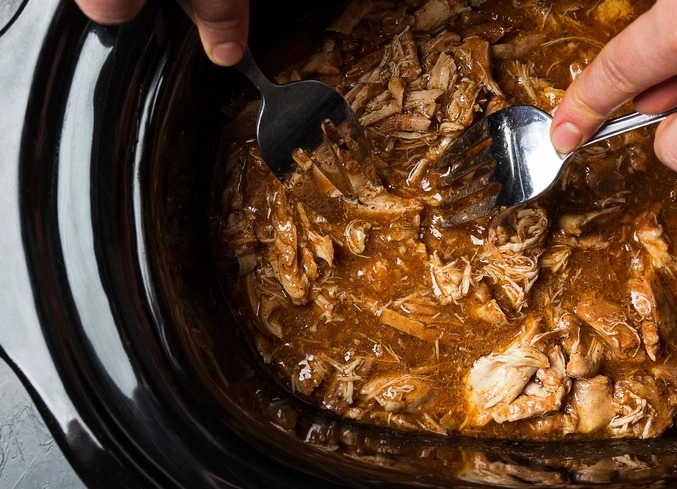
Heavy Cream & Cream Cheese: Stirring in a half-cup of heavy cream or a few ounces of softened cream cheese during the last 30 minutes adds richness and body. The fat content helps emulsify and thicken the sauce. Sour cream or Greek yogurt work too, but you must temper them first. Take a spoonful of the hot stew liquid, mix it into the cold dairy in a separate bowl, then stir that mixture back in. This prevents curdling.
Nut and Seed Butters: This is a game-changer for certain dishes. A tablespoon or two of smooth, unsweetened almond butter or tahini (sesame seed paste) whisked into a curry or African peanut stew adds incredible depth, creaminess, and protein. It's a flavor-thickener two-for-one.
The Reduction Technique: Patience Pays Off
Sometimes the simplest method is the oldest: boiling off excess water. If your stew is just slightly thin and you have time, remove the lid, turn the slow cooker to HIGH, and let it simmer uncovered for 45-60 minutes. The steam will escape, concentrating the flavors and naturally thickening the sauce. This method intensifies everything, so make sure your seasoning is balanced before you start. It's not the fastest, but for flavor concentration, it's unbeatable.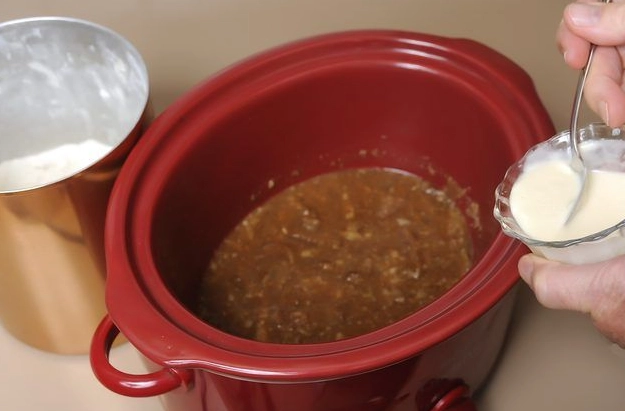
Choosing Your Weapon: A Quick Comparison
Here’s a breakdown to help you pick the right thickener for your next slow cooker meal.
| Thickener | Best For | How to Use | Key Consideration |
|---|---|---|---|
| All-Purpose Flour (Roux) | Gravies, beef stews, pot pies | Make a paste with equal parts fat & flour, cook 2 min, then whisk into stew. | Needs to cook for 20+ min to lose raw taste. Not gluten-free. |
| Mashed Potato/Flakes | Hearty soups, chowders, any stew | Stir in cooked mashed potato or instant flakes at the end until desired thickness. | Very fast acting. Can make stew overly starchy if overused. |
| Heavy Cream/Cream Cheese | Creamy soups, stroganoffs, chicken dishes | Stir in during final 30 minutes of cooking. | Adds richness and calories. Can curdle if not tempered (yogurt/sour cream). |
| Red Lentils | Curries, vegetarian stews, lentil soup | Add 1/4 to 1/2 cup dry lentils at the beginning with other ingredients. | Disintegrates completely, adding protein and fiber. Changes dish character. |
| Uncovered Reduction | Any sauce that is slightly too thin | Remove lid and cook on HIGH for 45-60 mins. | Requires no extra ingredients but takes time. Concentrates saltiness. |
Your Thickening Questions, Answered
My sauce is still thin after adding flour. What did I do wrong?
Heat is likely the culprit. Flour needs to reach a near-boil to activate its thickening power. If you added it late in the game and your slow cooker was on LOW, it might not have gotten hot enough. After adding a flour-based thickener, turn the cooker to HIGH, cover, and let it bubble gently for at least 20-30 minutes. Also, double-check your ratio. For a medium-thick sauce, you typically need about 1.5 tablespoons of flour per cup of liquid.
What's the best gluten-free substitute for cornstarch in a slow cooker?
For a clear, glossy thickener similar to cornstarch, arrowroot powder is your best bet. Make a slurry with cold water and stir it in during the last 15-20 minutes of cooking. Avoid boiling it for a long time, as it can break down. Tapioca starch/flour is another great option—it gives a slightly chewy, glossy texture perfect for fruit pie fillings and some Asian-style sauces. You can find nutritional data on these starches from sources like the USDA FoodData Central.
Can I use instant mashed potatoes to thicken any stew?
Technically yes, but flavor-wise, proceed with caution. Instant potato flakes are very neutral, but they can impart a distinct "instant potato" taste if you use too much. They work brilliantly in potato-based soups, chowders, or rustic stews where that flavor profile fits. I'd avoid using them in a delicate chicken and herb stew or a spicy Thai curry. Start with a small amount (2 tablespoons) and whisk thoroughly, letting it cook for 5 minutes before adding more.
Is it better to thicken at the beginning or the end of slow cooking?
It depends on the method. Vegetable-based thickeners (potatoes, lentils) should go in at the beginning. Flour-based thickeners (roux, beurre manié) are best added during the last 30-60 minutes to ensure they don't break down from prolonged cooking. Dairy and slurries made with pure starches (arrowroot) should always go in at the very end to preserve their texture and prevent curdling or thinning. When in doubt, thicken towards the end—you can always add more, but you can't take it out.
Reader Comments