Quick Guide
- Why the "Wrong" Cut is Actually the Right One for Swiss Steak
- The Top Contenders: Breaking Down the Best Cuts
- Swiss Steak Meat Comparison: A Quick-Reference Table
- Cuts to Avoid (Save Your Money!)
- What About...? Other Cuts and Common Questions
- From Store to Pot: How to Prepare Your Chosen Cut
- Your Swiss Steak Questions, Answered (FAQ)
- Final Thoughts: Confidence in the Meat Aisle
If you've ever stood in the meat aisle, staring at a dozen different packages of beef and wondering "what cut of meat is good for swiss steak?", you're not alone. I've been there. You grab a recipe that just says "beef for swiss steak," and suddenly you're playing a guessing game with your dinner and your wallet. Get it wrong, and you end up with something tough, chewy, and frankly, a bit sad. Get it right, and you have a melt-in-your-mouth, soul-warming classic that feels like a hug in a bowl.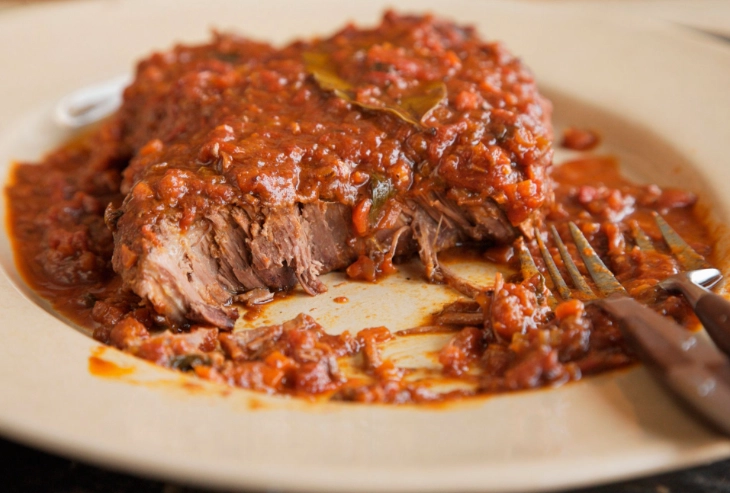
So let's get straight to the point. The absolute best cuts of meat for swiss steak are the tougher, less expensive cuts from the shoulder and leg of the cow. We're talking about cuts rich in connective tissue and collagen. Why? Because swiss steak isn't a quick sear. It's a braise. A long, slow, moist cooking process that transforms that tough tissue into unbelievably rich, silky gelatin. It's culinary alchemy.
The Short Answer: The top contenders for the perfect swiss steak are Round Steak (especially top round or bottom round) and Chuck Roast (cut into steaks). Arm Roast and Brisket (flat cut) are also excellent, less common choices. Forget the tenderloin or ribeye—they'll just turn to mush and cost you a fortune.
But that's just the start. Picking the right cut is the single most important decision you'll make for your swiss steak. It's more important than the brand of tomato you use, honestly. Let's dive deep into the why and how, so you never have to guess again.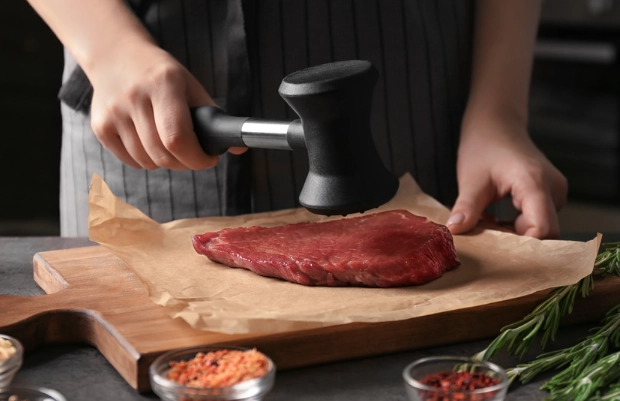
Why the "Wrong" Cut is Actually the Right One for Swiss Steak
This is the part most recipes skip, but it's the key to understanding. Swiss steak is a braising or slow-cooking method. The meat is typically pounded, dredged in flour, browned, and then simmered in a liquid (like tomatoes, broth, or wine) for a couple of hours.
But why does it matter so much? Think of a cow's muscles. Muscles that work hard—like the shoulder (chuck) and the leg (round)—are tough. They're full of strong muscle fibers and lots of connective tissue (that white, silvery stuff you sometimes see). That connective tissue is made of collagen.
Here's the magic: when collagen is exposed to low, moist heat for a long time, it breaks down and melts into gelatin. Gelatin is what gives properly cooked swiss steak, pot roast, or short ribs that luxurious, mouth-coating richness and that fall-apart tenderness. A lean, tender cut like sirloin has very little collagen. If you braise it for hours, the muscle fibers will just dry out and shred, giving you a stringy, dry mess. I've made this mistake myself, trying to be "fancy," and it was a total waste.
So, when you're figuring out what cut of meat is good for swiss steak, you're really hunting for collagen. It's your best friend.
The Top Contenders: Breaking Down the Best Cuts
Let's meet the champions. These are the cuts that will give you the authentic, tender, flavorful swiss steak you're dreaming of.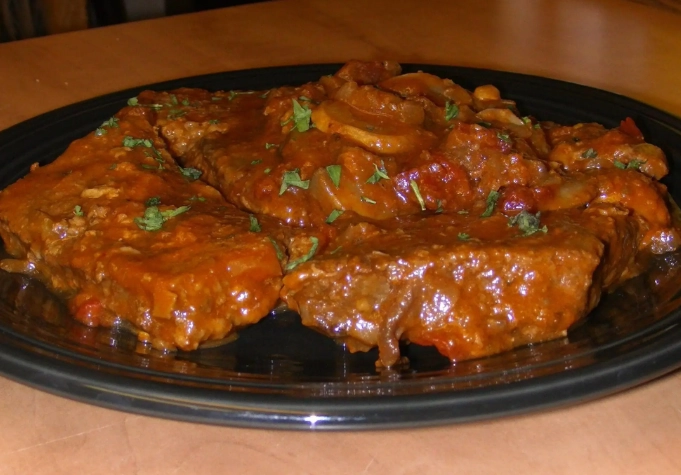
Top Pick: Round Steak (Top Round or Bottom Round)
This is the classic, most common answer to "what cut of meat is good for swiss steak?" for a reason. It comes from the cow's hind leg, a well-exercised area. It's lean but packed with the right kind of connective tissue for braising.
- What to look for: In the store, it's often just labeled "Round Steak." It's usually a large, flat, relatively thin cut. You might see "Top Round Steak" or "Bottom Round Steak." Both work great. It often has a layer of fat on one side and maybe some of that desirable silverskin (connective tissue) running through it. Don't trim it all off!
- The Good: Widely available, usually the most affordable option specifically marketed as "steak" for this purpose. It has the perfect balance of lean meat and connective tissue to become super tender.
- The Not-So-Good: Because it's lean, it can dry out if you're not careful. It needs that long, slow cook with plenty of liquid. Don't rush it.
- Pro Tip: Round steak can be a bit thick. Don't be afraid to ask your butcher to run it through the cubing machine (the one with the little blades). This mechanically tenderizes it and is traditional for many swiss steak recipes. Or, you can pound it at home with a meat mallet.
The Flavor Champion: Chuck Roast (Cut into "Steaks")
If round steak is the reliable classic, chuck is the flavor bomb. Coming from the shoulder, it has more intramuscular fat (marbling) than round steak. This fat melts during cooking, basting the meat from the inside and resulting in an incredibly juicy and beefy swiss steak.
My Personal Go-To: I almost always use a chuck roast these days. I buy a whole chuck roast and either cut it myself into 1-inch thick "steaks" or ask the butcher to do it. The extra fat means a bit more flavor and a bigger safety net against drying out. It's a bit more expensive than round steak per pound, but the results are, in my opinion, superior.
- What to look for: Look for a well-marbled chuck roast. Ask the butcher to slice it into steaks about 3/4 to 1 inch thick for you. If you see packages labeled "Chuck Steak" or "Chuck Eye Steak," those are perfect too.
- The Good: Unbeatable flavor and juiciness due to marbling. Very forgiving during the long cook.
- The Not-So-Good: Can be a bit fattier, so you might want to skim some fat off the sauce at the end. Slightly less lean than round.
The Underdog: Arm Roast or Arm Steak
This is another cut from the shoulder, right next to the chuck. It's sometimes called a "round bone roast" because of the distinctive round bone in it. It's very similar to chuck—tough, flavorful, and ideal for braising.
- The Good: Often a great value. It has fantastic beefy flavor and plenty of connective tissue.
- The Not-So-Good: Can be harder to find, and the bone can make it trickier to cut into neat steaks. But if you see it, grab it!
The Bold Choice: Brisket (Flat Cut)
Now we're getting adventurous. Brisket is the king of barbecue, but its flat cut is lean and very tough, loaded with collagen. When braised like swiss steak, it becomes extraordinarily tender and flavorful.
- The Good: An incredibly rich, beefy result. If you love the texture of good braised brisket, you'll love it in swiss steak form.
- The Not-So-Good: Can be expensive, as brisket prices have soared. It's also a very large cut, so you'll need to cut it down. It requires a very, very long braise (think 3+ hours) to fully break down.
Swiss Steak Meat Comparison: A Quick-Reference Table
Here's a side-by-side look to help you decide in the store. This table sums up the key points when you're deciding what cut of meat is good for swiss steak.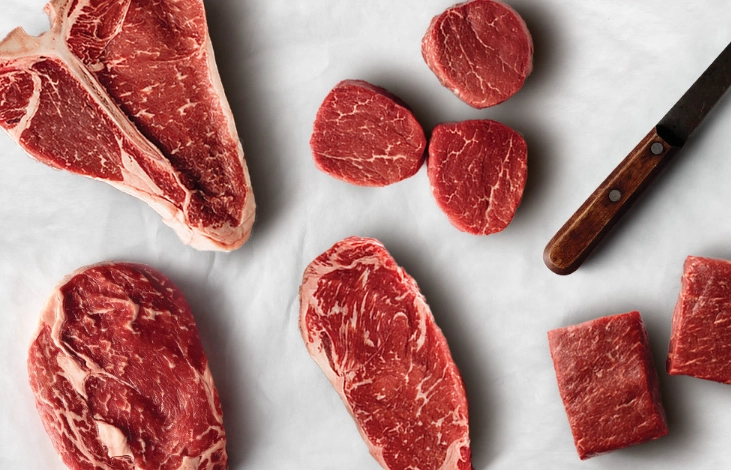
| Cut of Meat | Where It's From | Best Quality | Potential Drawback | Best For... |
|---|---|---|---|---|
| Round Steak (Top/Bottom) | Hind Leg | Lean, classic texture, widely available & affordable | Can dry out if overcooked | The traditionalist, budget-conscious cooks |
| Chuck Roast/Steak | Shoulder | Superior flavor & juiciness from marbling, very forgiving | A bit fattier, may need skimming | Flavor seekers, those wanting a foolproof result |
| Arm Roast/Steak | Shoulder (near chuck) | Great value, hearty beef flavor | Less common, often has a bone | Adventurous shoppers looking for a deal |
| Brisket (Flat Cut) | Breast/Lower Chest | Extremely rich flavor, becomes incredibly tender | Expensive, requires the longest cook time | Special occasions, brisket enthusiasts |
Cuts to Avoid (Save Your Money!)
Just as important as knowing what to buy is knowing what not to buy. Using a premium steak for swiss steak is like using champagne to make vinegar—it's a waste of good ingredients and money.
Do NOT use these for Swiss Steak: Filet Mignon (Tenderloin), Ribeye, Strip Steak (New York Strip), Sirloin Steak, Porterhouse, T-Bone. These are "tender" cuts meant for quick, high-heat cooking (grilling, pan-searing). Their low collagen content means they will become dry, tough, and mealy when subjected to a long braise. Trust me, I learned this the expensive way.
Think of it this way: swiss steak is a technique that creates tenderness. You start with a tough cut. If you start with a tender cut, the technique has nothing to work on and just ruins it.
What About...? Other Cuts and Common Questions
You might see other cuts mentioned or have questions. Let's clear those up.
Is "Cube Steak" the same thing?
Often, yes! Cube steak is usually round steak that has been run through a mechanical tenderizer (the cubing machine). It's pre-tenderized and is perfectly acceptable for swiss steak. In fact, many old-school recipes specifically call for cube steak. It's a fantastic shortcut. Just be aware it might cook a touch faster.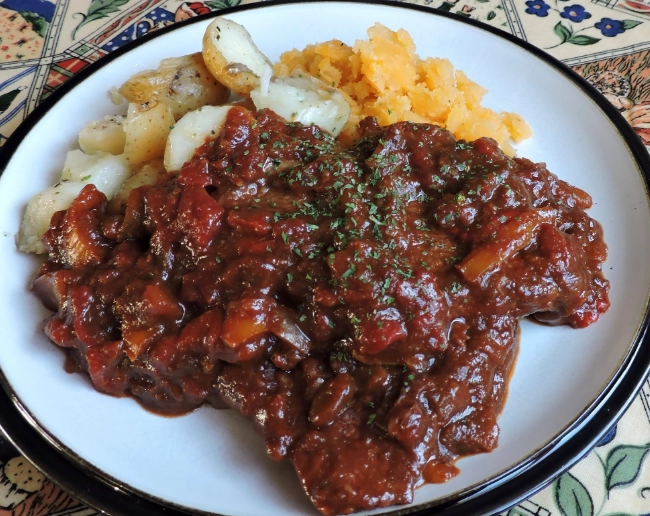
Can I use a rump roast or eye of round?
Rump roast is from the hindquarters, near the round. It's lean and tough—a good candidate! Eye of round is also from the leg and is very lean. It can work, but it's one of the leanest cuts, so it requires extra care to not dry out. I'd choose bottom round over eye of round if given the choice.
What about blade steak or 7-bone steak?
Yes! These are cuts from the chuck (shoulder) area. They are fantastic choices. They have great flavor and connective tissue. The bone just adds more flavor to your braising liquid.
From Store to Pot: How to Prepare Your Chosen Cut
Okay, you've picked your perfect cut. Now what? A few simple prep steps make a world of difference.
- Pound It (Optional but Recommended): If your steaks are thicker than 3/4 inch, place them between two pieces of plastic wrap and gently pound them to an even thickness (about 1/2 inch). This ensures even cooking and helps break down fibers. This is the "swissing" in swiss steak!
- Season Generously: Pat the steaks dry with a paper towel. Season liberally with salt and black pepper on both sides. Do this before dredging.
- The Dredge is Key: Dredge each steak in all-purpose flour. Shake off the excess. This flour does two things: it creates a lovely browned crust when you sear, and it thickens the braising liquid into a gorgeous, velvety gravy later. It's non-negotiable for the classic texture.
- Sear Hard: In a heavy pot (Dutch oven is ideal), heat a couple tablespoons of oil over medium-high heat until shimmering. Sear the floured steaks for 2-3 minutes per side until they develop a deep, brown crust. Don't crowd the pan; do it in batches. This step builds massive flavor. Don't skip it.
- Low and Slow Braise: After removing the steaks, deglaze the pot with a bit of liquid (water, broth, wine), scraping up all the tasty browned bits (fond). Add your braising liquid (crushed tomatoes, beef broth, etc.), return the steaks, bring to a simmer, then cover and transfer to a 300°F (150°C) oven or keep on the stovetop on the lowest possible simmer. Cook for 1.5 to 2.5 hours, until the meat is fork-tender.
Don't Peek! Resist the urge to lift the lid often. Every time you do, you let heat and steam escape, extending the cooking time. Trust the process. Check once at the 1.5-hour mark.
Your Swiss Steak Questions, Answered (FAQ)
Final Thoughts: Confidence in the Meat Aisle
Figuring out what cut of meat is good for swiss steak isn't about finding the most expensive option. It's about understanding the method. You're looking for a hardworking muscle that will reward your patience with incredible tenderness and flavor.
So next time you're planning this classic comfort food, walk past the fancy steaks. Head straight for the round steak or the chuck roast. Remember the table, remember the collagen, and remember that low, slow heat is your secret weapon. Armed with this knowledge, you're guaranteed a result that's far better than anything you'd get in a diner.
Now go forth, grab that chuck roast, and make some magic. Your family (and your taste buds) will thank you.
P.S. If you want to dive deeper into the science of meat cuts and braising, the Beef. It's What's For Dinner. website, funded by the Beef Checkoff, has fantastic, authoritative resources. For official food safety guidelines on handling and cooking beef, the USDA Food Safety and Inspection Service is the go-to source. Always cook your beef to a safe minimum internal temperature of 145°F (62.8°C) as measured with a food thermometer, followed by a rest time.
Reader Comments