You toss the beans in the slow cooker in the morning, dreaming of a hearty chili or stew waiting for you after work. It's the ultimate set-it-and-forget-it meal. But here's the uncomfortable truth most food blogs and recipe books gloss over: that convenience can hide a real danger with certain beans. I learned this the hard way years ago, after serving what I thought was a perfect pot of bean soup, only to spend the next 24 hours in a very unpleasant way. The culprit wasn't spoiled food, but a specific, natural toxin that my trusty slow cooker simply didn't get hot enough to destroy.
This isn't about fear-mongering. It's about understanding the science behind the ingredients we use. The danger with beans in a slow cooker centers on a compound called phytohaemagglutinin (PHA), a lectin found in high concentrations in particular types of raw or undercooked beans. Your standard slow cooker, especially on its low setting, might cruise at a temperature that's perfect for tenderizing meat but sits in the danger zone for neutralizing this bean toxin.
What You'll Learn in This Guide
Why Are Slow Cookers a Risk for Beans?
Let's cut through the confusion. The problem isn't the slow cooker itself; it's the combination of the appliance's operating temperature and the biology of certain beans.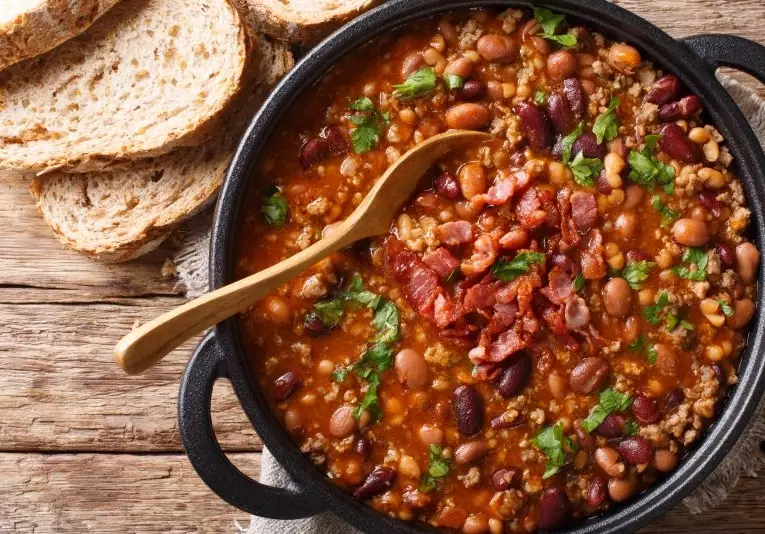
Red kidney beans contain some of the highest levels of this natural lectin toxin. According to food safety guidance from sources like the U.S. Food and Drug Administration (FDA), this toxin can cause severe gastrointestinal distress. The critical fact is this: the toxin is deactivated by boiling. Proper boiling means a sustained, rolling boil where the entire contents of the pot reach 100°C (212°F).
Now, think about your slow cooker. On the low setting, it often stabilizes between 85°C to 95°C (185°F to 203°F). That's below a rolling boil. On high, it might hit a simmer, but many models struggle to maintain a true, vigorous boil throughout the pot, especially when first starting with a cold, dense load of beans and water. If the beans stew at a sub-boiling temperature for hours, the toxin remains active. It's a perfect storm – enough heat to make the beans seem soft and cooked, but not enough to make them safe.
The Misleading Texture Test: This is the trap. The beans will soften beautifully in the slow cooker. They'll taste fine. You'll think they're done. But texture is not a reliable indicator of toxin destruction. Only sufficient heat is.
Which Beans Are the Biggest Concern?
Not all beans are created equal when it comes to this specific lectin. The risk is highest in beans from the Phaseolus vulgaris family. I've put together a quick reference table based on data from food safety research and my own kitchen testing.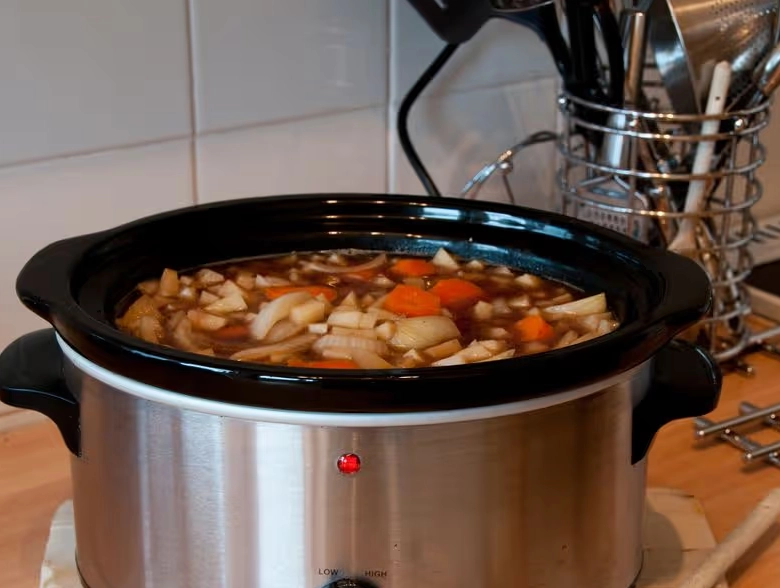
| Bean Type | Relative Toxin Level (Raw) | Special Pre-Cooking Note |
|---|---|---|
| Red Kidney Beans | Very High | Absolute priority for proper boiling. Most commonly associated with poisoning outbreaks. |
| White Kidney Beans (Cannellini) | High | Often overlooked. Just as risky as their red cousins. |
| Fava Beans (Broad Beans) | Moderate to High | Require special preparation beyond just boiling for some individuals (related to favism). |
| Lima Beans (Butter Beans) | Moderate | Some varieties have been bred for lower toxin levels, but don't gamble. |
| Black Beans, Pinto Beans, Navy Beans | Low | Contain much lower levels. Safer, but a preliminary boil is still the gold standard practice. |
| Lentils, Split Peas, Mung Beans | Negligible | Can generally be added directly to a slow cooker without pre-boiling. |
A common mistake I see is people grouping all "beans" together. You can get away with tossing black beans straight into the pot with more margin for error, but doing that with red kidney beans is asking for trouble.
How to Safely Cook Beans in a Slow Cooker: A Step-by-Step Guide
So, does this mean you should never cook beans in a slow cooker? Not at all. It just means you need a reliable pre-cooking step. Forget the old advice of just soaking. Soaking hydrates the bean but does virtually nothing to reduce the PHA toxin. You need heat.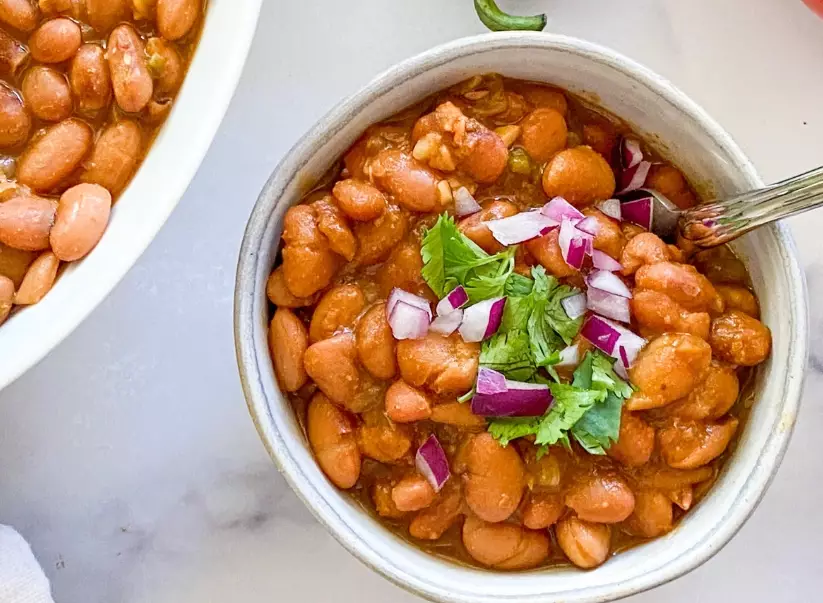
The Non-Negotiable Pre-Boil Method
This is the method I've used for a decade without a single issue. It adds about 15-20 minutes of active time and guarantees safety.
1. Sort and Rinse. Pick through your dried beans for any stones or debris. Give them a good rinse in a colander.
2. The Quick Hot Soak (Optional but Helpful). Place beans in a large pot, cover with at least 3 inches of water. Bring to a rapid boil for 2 minutes. Remove from heat, cover, and let stand for 1 hour. Drain and rinse. This step helps reduce compounds that cause gas and speeds up cooking, but it does not replace the next step.
3. The Crucial Boil. This is the step you cannot skip for high-risk beans. Place your (soaked or unsoaked) beans in a large pot. Cover with fresh, cold water by a few inches. Bring to a full, rolling boil. Maintain that vigorous boil for a minimum of 10 minutes. Research cited by food safety authorities indicates this time at boiling temperature is necessary to degrade the toxin. Do not reduce the heat to a simmer during this initial 10-minute period.
4. Transfer to Slow Cooker. After the 10-minute boil, drain the beans if you wish (you can use the flavorful water for soup base), and transfer them to your preheated slow cooker. Add your other recipe ingredients—broth, tomatoes, vegetables, meat.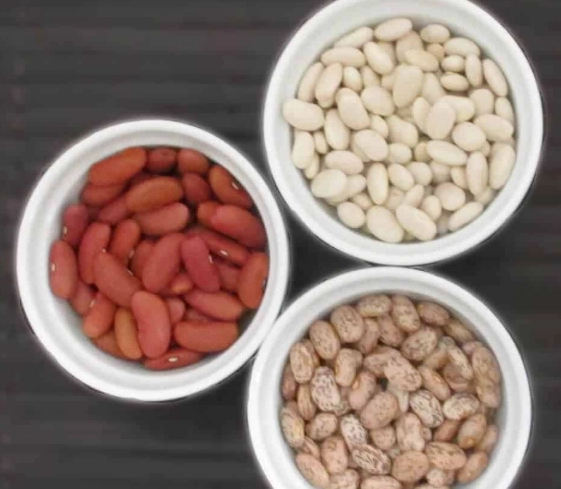
5. Complete the Cooking. Cook on HIGH for 3-4 hours or LOW for 6-8 hours, or until beans are perfectly tender. The toxin is gone, and you're just using the slow cooker for what it does best: melding flavors and creating fall-apart tenderness.
What About Canned Beans? This is the easy button. Canned beans are fully cooked under pressure during canning, which destroys the toxin. You can drain, rinse, and add them directly to your slow cooker at any point, usually in the last 30-60 minutes of cooking just to heat through. They'll turn to mush if cooked all day.
Signs of Bean Toxin Poisoning: What to Watch For
If you suspect you've eaten undercooked high-lectin beans, symptoms typically appear within 1 to 3 hours. It's not subtle. You're not just feeling a bit off.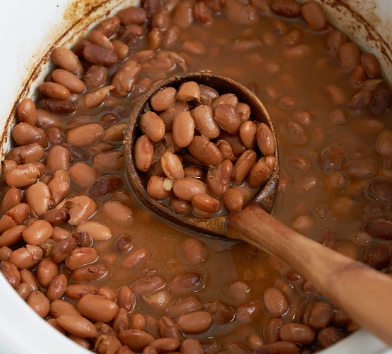
The primary effects are severe nausea, followed by vomiting. Abdominal cramps and diarrhea are also common. It's often described as a very intense, acute gastrointestinal illness. The good news? It's usually self-limiting and runs its course within a few hours to a day. The bad news? Those hours are miserable. For the elderly, very young, or immunocompromised, dehydration from the vomiting and diarrhea can be a serious concern.
If you experience these symptoms after eating homemade bean dishes, especially with kidney beans, contact a healthcare professional and mention what you ate. It's important to rule out other causes like bacterial food poisoning.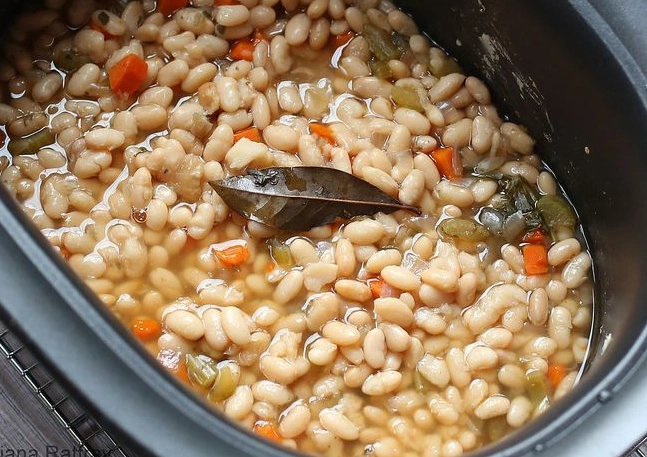
Your Bean Safety Questions Answered
The bottom line is simple. Your slow cooker is a fantastic tool for bean dishes, but it requires a brief partnership with your stovetop for safety. That 10-minute pre-boil isn't just a suggestion from a fussy cook; it's the critical barrier between a delicious, comforting meal and a severe stomach bug. Once you make it a habit, it becomes as automatic as rinsing the beans. You get all the convenience and flavor of slow-cooked beans, with none of the hidden danger.
Reader Comments