Your Stew Journey Map
Let's be honest. You've probably tried a few beef stew recipes online. Some turn out okay, a bit bland maybe. Others promise the world but leave you with tough meat and watery gravy. I've been there too. I remember one winter, I followed a "foolproof" recipe to the letter, only to end up with something my partner kindly called "beef-flavored soup." Not great.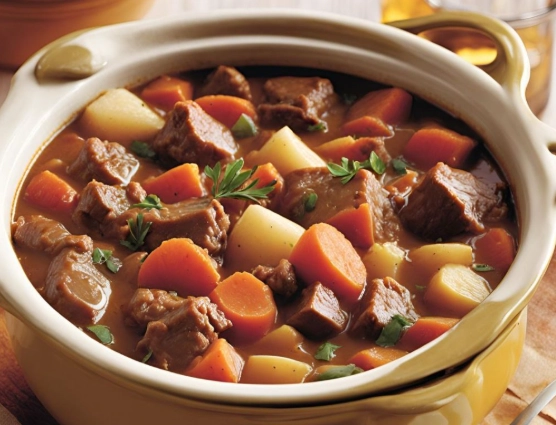
That frustration is what sent me down the rabbit hole. I talked to butchers, read old cookbooks (the ones with actual stains on the pages), and made more stew than my freezer could handle. What I learned is that a truly great traditional beef stew recipe isn't about fancy tricks. It's about understanding a few core principles and then executing them without stress.
This guide is the result. It's not just a list of steps. It's the why behind each step, the choices you have, and how to fix things if they go sideways. We're going to build flavor layer by layer, from the first sear to the final simmer. Think of it as your friendly, slightly obsessive guide to stew nirvana.
Why listen to me? Well, after that soup incident, I made it my mission. I've used chuck roast, brisket, even oxtail. I've thickened with flour, with potato starch, with nothing at all. I've learned the hard way so you don't have to. This traditional beef stew recipe is the culmination of all those trials, and it works every single time.
Why This Traditional Beef Stew Recipe Works (The Science of Comfort)
Before we dive into the pot, let's talk about what we're actually doing. A traditional beef stew recipe is a masterclass in low-and-slow cooking. It's about transforming inexpensive, tough cuts of beef into something unbelievably tender. How? It's all about collagen.
Those cheaper cuts are full of connective tissue, which is made of collagen. When you simmer it gently in liquid for a long time, that collagen melts into gelatin. Gelatin is what gives a great stew its luxurious, silky mouthfeel and body. It's the difference between meat that's merely soft and meat that falls apart at the gentle nudge of a fork.
The other hero here is the Maillard reaction. That's the fancy term for the browning that happens when you sear the beef. It creates hundreds of new flavor compounds—nutty, roasty, deeply savory notes that boiling could never achieve. Skipping this step is the single biggest mistake you can make. You're essentially leaving half the flavor on the table.
So, this recipe is engineered to maximize both processes. We sear aggressively for flavor, then simmer patiently for texture. It's a simple one-two punch that delivers every time.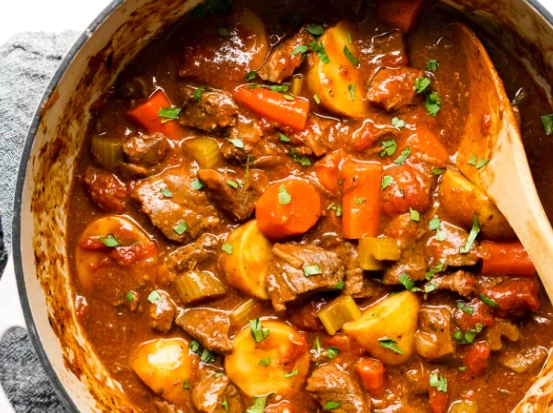
The Building Blocks: Choosing Your Ingredients Wisely
You can't build a great house with cheap bricks, and the same goes for stew. Let's break down each component.
The Beef: The Star of the Show
This is the most important decision. You want a cut with lots of marbling (intramuscular fat) and connective tissue. Forget filet mignon or sirloin—they'll just get dry and chalky. You need a cut that wants to be stewed.
Here’s a quick rundown of your best bets:
| Cut of Beef | Why It's Good for Stew | Flavor & Texture Notes | My Personal Preference |
|---|---|---|---|
| Chuck Roast (from the shoulder) | Perfect balance of fat and connective tissue. The gold standard. | Rich, beefy flavor. Becomes incredibly tender and shreddy. | This is my #1 choice, 95% of the time. Reliable and fantastic. |
| Brisket (point cut) | Extremely high collagen content. | Intense flavor, can be a bit more fibrous than chuck. | Great for a deeper, more unctuous stew. Requires longer cooking. |
| Short Ribs (boneless or bone-in) | Extremely marbled, bones add flavor. | Unbeatable richness and succulence. Almost buttery. | A special-occasion choice. More expensive, but the results are sublime. |
| Oxtail | Bone-in, gelatin-rich. Makes the most unctuous gravy. | Deep, mineral flavor. Meat is concentrated around the bones. | For the adventurous. The flavor is incredible, but there's less meat per pound. |
| Round or Rump Roast | Leaner. Often sold as "stew meat." | Can become dry if overcooked. Less forgiving. | I tend to avoid it. It lacks the fat needed for a truly great traditional beef stew. |
Look for meat that's well-marbled with white flecks of fat. Cut it yourself into 1.5 to 2-inch chunks. Pre-cut cubes are often too small and will overcook. A bigger chunk gives you a better contrast between the flavorful, seared crust and the tender interior.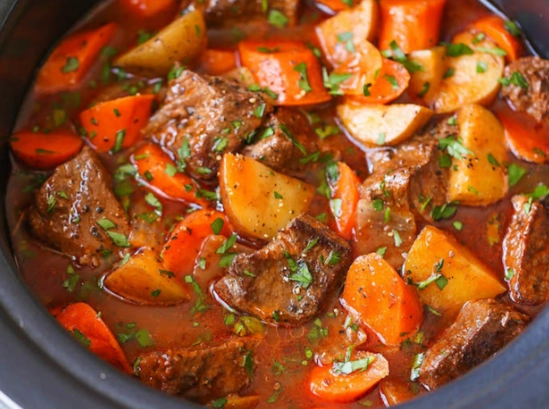
The Aromatics & Vegetables: The Supporting Cast
Onions, carrots, and celery (the classic mirepoix) are non-negotiable. They form the sweet, savory base of the stew. Use yellow onions for their all-purpose flavor. Chop them roughly—they're going to cook for ages anyway.
Garlic? Absolutely. Add it later so it doesn't burn. Tomato paste is your secret weapon for umami and color. You'll cook it until it darkens, which gets rid of any tinny flavor and adds a sweet richness. Don't skip this step.
For the vegetables that go in at the end, I'm a purist: carrots and potatoes. Peel them and cut them into large chunks, bigger than you think. Baby potatoes work great whole. Mushrooms are a fantastic addition—brown them separately and add them near the end to keep their texture. Peas? Toss them in right before serving for a pop of color and sweetness.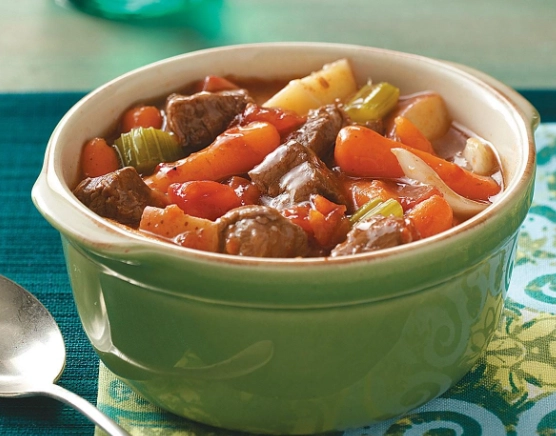
The Liquid: Building Your Flavor Base
Water is a no-go. You need flavor. A good beef broth is essential. I like to use a combination of broth and something with a bit of acidity to help break down the meat.
- Beef Broth: Use the best you can find or make your own. Low-sodium is best so you can control the salt.
- Red Wine: A dry, drinkable red like Cabernet Sauvignon or Merlot adds incredible depth. The alcohol cooks off, leaving behind complex fruit and tannic notes. Don't use "cooking wine"—it's terrible.
- Alternative: If you don't want wine, use a dark beer (like a stout) or even just more broth with a tablespoon of red wine vinegar or Worcestershire sauce added for acidity.
When you add the wine after searing the meat and vegetables, let it simmer and reduce for a few minutes. This is called "deglazing," and it lifts all the flavorful browned bits (the fond) from the bottom of the pot. It's liquid gold.
Herbs & Seasoning: The Finishing Touches
Bay leaves are classic for a reason—they add a subtle, almost floral woodsy note. Fresh thyme is my favorite herb for stew. You can tie a few sprigs together with kitchen twine for easy removal. Rosemary is powerful, so use it sparingly (maybe one small sprig).
Salt and pepper are crucial. Season your beef generously before searing. Season again in layers as you build the stew. Taste the broth before the long simmer and adjust. Remember, the liquid will reduce and concentrate.
The Step-by-Step Guide to a Perfect Traditional Beef Stew
Alright, let's get cooking. This isn't a rushed process. Plan for about 3 hours, most of which is hands-off simmering. Perfect for a lazy Sunday.
Step 1: Prep and Sear the Beef (Don't Rush This!)
Pat your beef chunks very dry with paper towels. This is critical. Wet meat steams; dry meat browns. Season liberally with salt and pepper. Heat a tablespoon of oil in a heavy-bottomed pot or Dutch oven over medium-high heat until it's shimmering.
Now, add the beef in a single layer with plenty of space between pieces. If you crowd the pot, the temperature drops and the meat releases liquid, leading to a gray steam instead of a brown sear. Work in batches. It feels tedious, but trust me, it's the foundation of your flavor.
Sear until you get a deep, crusty brown on all sides. This takes a few minutes per side. Don't move the pieces around constantly. Let them sit and develop that crust. Transfer the browned beef to a bowl.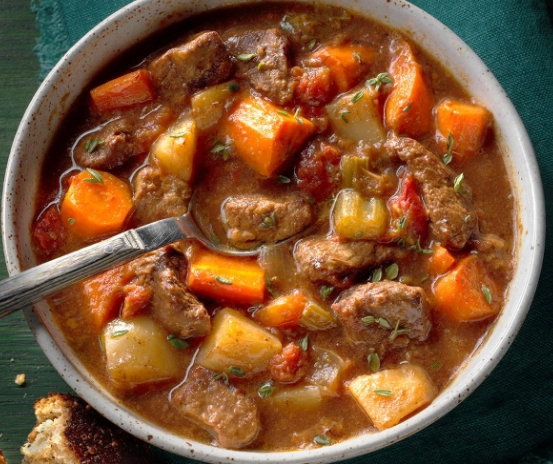
Step 2: Build the Flavor Foundation
In the same pot (with all those glorious browned bits), add a bit more oil if needed, and toss in your chopped onions, carrots, and celery. Cook them for 5-7 minutes until they soften and start to take on a little color. You're building sweetness here.
Push the veggies to the side and add the tomato paste right onto the hot surface of the pot. Let it cook for a minute or two, stirring, until it turns from bright red to a rusty, brick red color. This caramelizes the sugars and deepens the flavor immensely.
Now, add your minced garlic and cook for just 30 seconds until fragrant. Pour in your red wine (or alternative) to deglaze. Use a wooden spoon to scrape up every last bit of fond. Let it bubble and reduce by about half.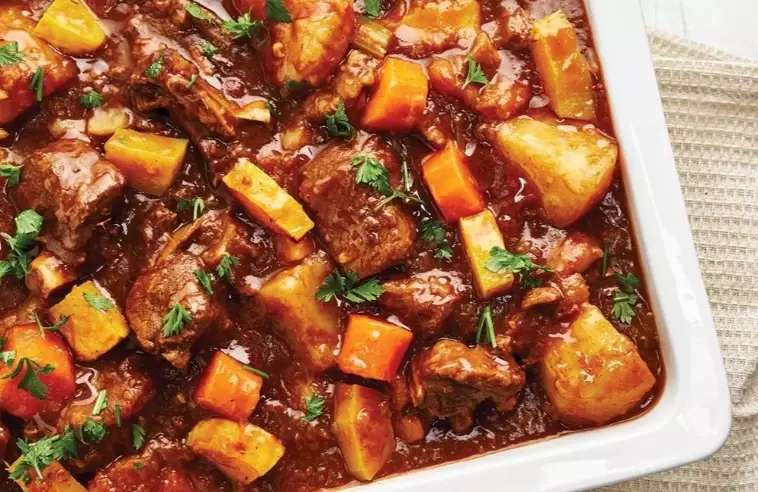
Step 3: The Long, Slow Simmer
Return the seared beef and any accumulated juices to the pot. Add your beef broth until the meat is just barely submerged. Don't drown it. Tuck in your bay leaves and thyme sprigs.
Bring it to a very gentle simmer. You should see just a few small bubbles breaking the surface here and there. A rolling boil will make the meat tough. Cover the pot with the lid slightly ajar.
Now, walk away. Seriously. Let it simmer for about 1.5 to 2 hours. Check occasionally to ensure it's not boiling and to give it a stir. The beef should be starting to become tender but not quite fall-apart yet.
Step 4: Add the Vegetables and Final Cook
After the initial simmer, add your large carrot and potato chunks. Push them down into the liquid. If the liquid level seems low, add a splash more broth or water. Continue to simmer, covered, for another 45 minutes to an hour, or until both the beef and vegetables are fork-tender.
This is the time to adjust your seasoning. Taste the broth. Does it need more salt? A grind of black pepper? A splash of Worcestershire sauce for extra umami? This is where you make it yours.
Step 5: Thicken and Serve
Is your stew brothy or thick? If you want it thicker, you have a couple of options. Mix a couple tablespoons of flour or cornstarch with an equal amount of cold water to make a smooth slurry. Stir this into the simmering stew and cook for 5-10 minutes until thickened. Alternatively, you can simply mash a few of the potato chunks against the side of the pot—they'll release starch and thicken the stew naturally.
Fish out the bay leaves and thyme stems. Stir in any final-minute additions like frozen peas or those separately cooked mushrooms. Let it heat through for a couple of minutes.
And there you have it.
Ladle it into deep bowls. The meat should be succulent and shred with a fork. The carrots and potatoes soft but not mushy. The gravy should be rich, glossy, and coat the back of a spoon. This is what a proper traditional beef stew recipe delivers.
Troubleshooting Your Stew: FAQs Answered
Even with a great recipe, things can happen. Here are answers to the questions I get asked most often.
This almost always means it hasn't cooked long enough. The collagen hasn't had time to fully convert to gelatin. Put the lid back on and keep simmering. Check it every 20 minutes. It will get there. Undercooking is fixable; overcooking to mush is not.
First, try simmering it uncovered for 15-20 minutes to allow some liquid to evaporate and concentrate. If that's not enough, use a slurry (flour/cornstarch mixed with cold water) as described above. Add it slowly, stirring constantly. You can always add more, but you can't take it out.
Too thick is an easy fix—just stir in a bit more broth or water until it reaches your desired consistency. Too salty is trickier. Adding more liquid will dilute it, but also dilute flavor. Your best bets are to add a peeled, raw potato chunk and simmer for 20-30 minutes (the potato can absorb some salt, discard it after), or add a pinch of brown sugar to balance, or simply serve it over unsalted mashed potatoes or polenta.
Instant Pot/Pressure Cooker: Use the "Sauté" function for steps 1 and 2. Add everything except the final vegetables. Cook on High Pressure for 35-40 minutes, followed by a 15-minute natural release. Quick release any remaining pressure, add the carrots and potatoes, then cook on High Pressure for another 4-5 minutes with a quick release.
It keeps beautifully. In the fridge, it's good for 3-4 days in an airtight container. In fact, it often tastes better the next day as the flavors meld. For freezing, cool it completely and freeze for up to 3 months. Thaw overnight in the fridge. The texture of the potatoes may suffer a bit upon reheating from frozen, which is why I sometimes cook them separately. The U.S. Department of Agriculture's guidelines on leftovers and food safety are a great resource for storage times.
Beyond the Basics: Variations on the Classic
Once you've mastered this core traditional beef stew recipe, the world is your oyster. Here are a few twists I love.
- Guinness Beef Stew: Replace half the broth with a stout like Guinness. Adds a wonderful malty, bitter note. Perfect with a chunk of soda bread.
- French-Style Beef Bourguignon: This is the fancy cousin. Use a whole bottle of good red Burgundy (Pinot Noir), add pearl onions and sautéed mushrooms at the end, and finish with a bit of butter for extra shine. The recipe from Serious Eats is a fantastic deep dive into this classic.
- Herb-Forward Stew: Add a bouquet garni with parsley stems, thyme, and a bay leaf. Finish the stew with a handful of chopped fresh parsley.
- Spicy Twist: Add a diced chipotle pepper in adobo sauce when you add the tomatoes. It gives a smoky, slow heat.
The beauty of a traditional beef stew recipe is its flexibility. It's a canvas. Start with the classic, then make it your own.
So, there you have it. Not just a recipe, but a framework. A understanding of why we do what we do. No more mystery, no more bland soups masquerading as stew. Just deep, comforting, soul-warming bowls of goodness.
Now go grab a chuck roast, fire up that pot, and get stewing. Your kitchen is about to smell incredible.
Reader Comments