Let's cut to the chase. A slow cooker chicken stew is the ultimate weeknight lifesaver and weekend comfort food hero. You toss in ingredients, turn it on, and hours later you're rewarded with a pot of tender chicken and vegetables in a rich, savory broth. It sounds simple, and it is—but there are a few subtle tricks that separate a good stew from a great one. I've made my share of watery, bland, or mushy stews over the years. This guide is the recipe I wish I had from the start, packed with the lessons learned from those mistakes.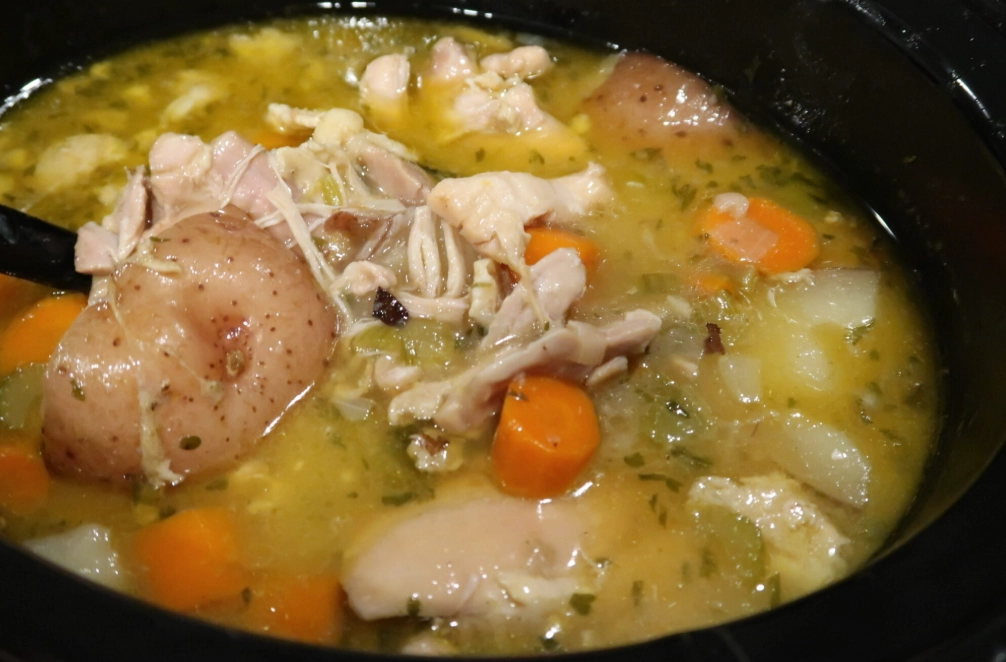
What You'll Find in This Stew Guide
Why a Slow Cooker is Perfect for Chicken Stew
It's all about low and slow. The gentle, prolonged heat does two things exceptionally well. First, it breaks down the connective tissue in cheaper cuts of chicken (like thighs) without squeezing out all the moisture, resulting in meat that's fall-apart tender. Second, it allows flavors from herbs, aromatics, and liquid to meld together deeply. You get a complexity of taste that a 30-minute stovetop simmer just can't match.
It's also a set-it-and-forget-it dream. Imagine this: you prep for 15 minutes in the morning before work. You come home 8 hours later to a house that smells amazing and dinner that's ready. No frantic stirring, no timing multiple pots. That's the real magic.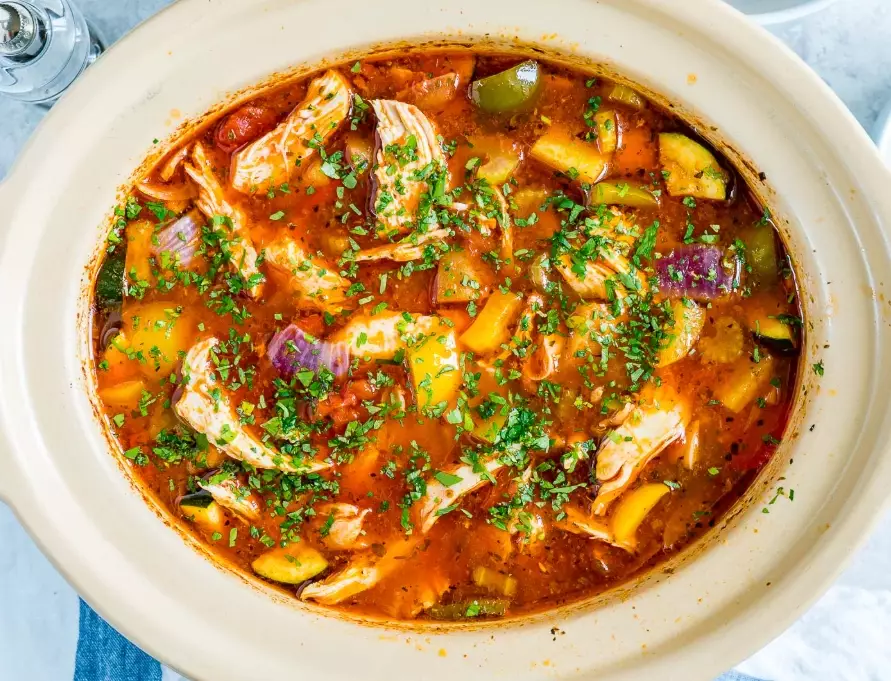
What You Need Before You Start
You don't need fancy gear. A standard 6-quart slow cooker is ideal for a family-sized stew. If you have a smaller one, just halve the recipe.
For ingredients, focus on freshness for your aromatics—onion, garlic, carrots, celery. Don't skimp here. Dried herbs are actually perfect for the long cook; their flavor infuses steadily. Fresh herbs are best added at the end.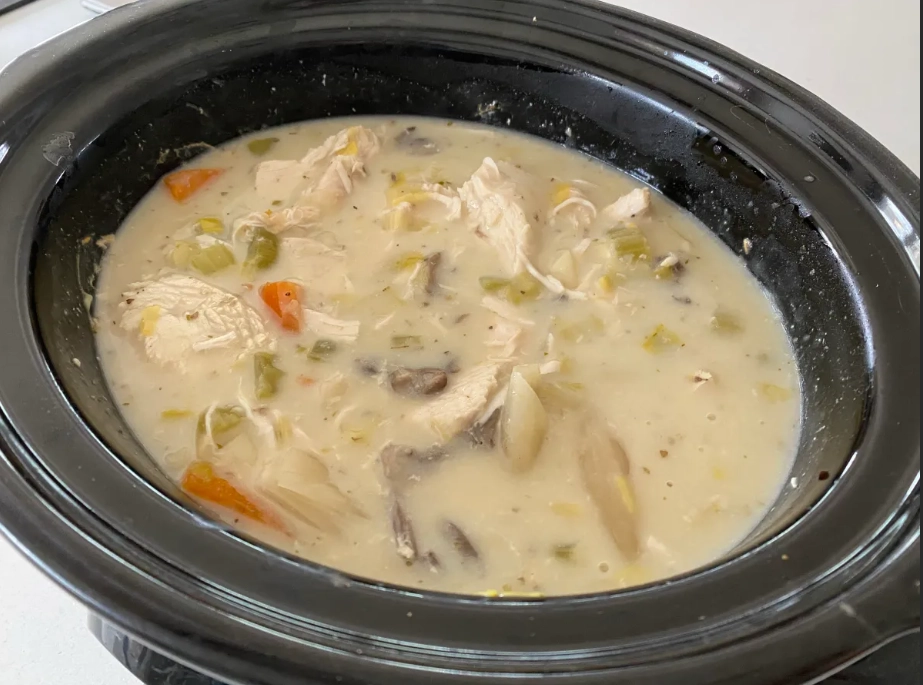
The Recipe: Ingredients & Step-by-Step
Gathering Your Ingredients
The Foundation:
- 2 to 2.5 lbs boneless, skinless chicken thighs (trust me, thighs over breasts here)
- 1 large yellow onion, chopped
- 3 cloves garlic, minced
- 3 medium carrots, cut into 1-inch chunks
- 3 stalks celery, cut into 1-inch chunks
- 1.5 lbs Yukon Gold potatoes, cut into 1.5-inch chunks
The Flavor Builders:
- 4 cups chicken broth (low-sodium recommended)
- 1/4 cup tomato paste
- 2 tablespoons all-purpose flour
- 1 teaspoon dried thyme
- 1 teaspoon dried rosemary
- 2 bay leaves
- 1 cup frozen peas
- Salt and black pepper to taste
- 2 tablespoons olive oil
The Process: It's More Than Just Dumping
Step 1: The Quick Sear (Optional but Game-Changing). Heat the oil in a skillet. Pat the chicken thighs dry and season with salt and pepper. Sear them for 2-3 minutes per side until golden brown. You're not cooking them through, just building a flavor foundation called the Maillard reaction. This step adds a deep, savory layer that pure slow cooking lacks. Transfer the chicken to the slow cooker.
Step 2: Build the Base. In the same skillet, add the onion, carrots, and celery. Sauté for 5 minutes until the onion softens. Add the garlic and tomato paste, cooking for another minute until fragrant. Sprinkle the flour over the vegetables and stir for 30 seconds—this will help thicken the stew later. Scrape this entire mixture into the slow cooker.
Step 3: The Slow Cook. Add the potatoes, thyme, rosemary, bay leaves, and chicken broth to the slow cooker. Stir gently to combine. Place the seared chicken thighs on top. Cover and cook on Low for 7-8 hours or on High for 4-5 hours.
Step 4: The Final Touch. About 30 minutes before serving, remove the chicken thighs to a plate and shred them with two forks. They should be incredibly tender. Return the shredded chicken to the pot. Stir in the frozen peas. Let everything cook for another 20-30 minutes on High to heat the peas and allow the stew to thicken slightly further. Discard the bay leaves. Taste and adjust seasoning with salt and pepper.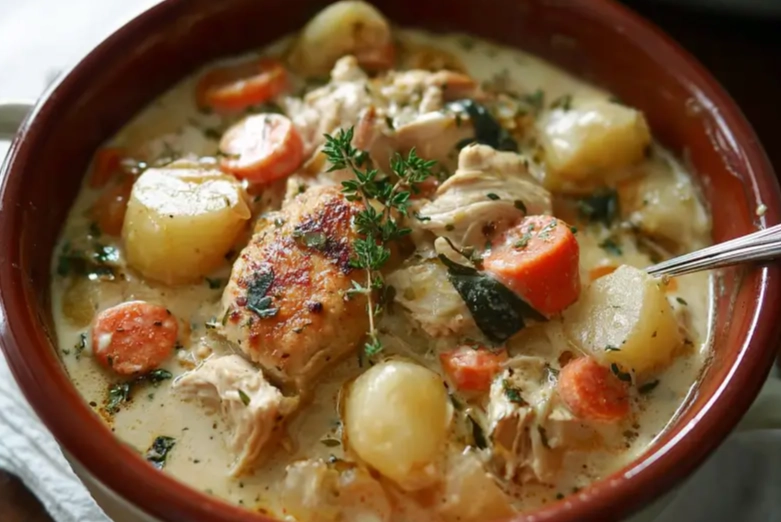
Common Mistakes & How to Fix Them
I've seen (and made) these errors. Avoiding them is key.
Mistake 1: Using only chicken breasts. Breasts are lean. Cook them for 8 hours and they'll become dry and stringy. Chicken thighs have more fat and connective tissue, which transforms into gelatin during the long cook, keeping the meat juicy and enriching the broth. If you must use breasts, add them during the last 2-3 hours on Low.
Mistake 2: Adding dairy too early. Want to add a creamy finish with a splash of heavy cream or a dollop of sour cream? Do it in the last 15 minutes. Adding it at the beginning can cause it to curdle or separate over the long cook.
Mistake 3: Overfilling the pot. Your slow cooker should be between half and three-quarters full for optimal cooking. Too full, and it won't heat evenly; too empty, it may cook too quickly and burn.
Mistake 4: Lifting the lid. Every time you peek, you release heat and steam, adding 15-20 minutes to your cooking time. Resist the urge until it's near the end of the suggested cook time.
How to Make This Stew Your Own
This recipe is a canvas. Here are some variations I love:
For a richer flavor: Substitute 1 cup of the chicken broth with a dry white wine or a dark beer. Or, add a Parmesan rind to the pot while it cooks (remove it before serving).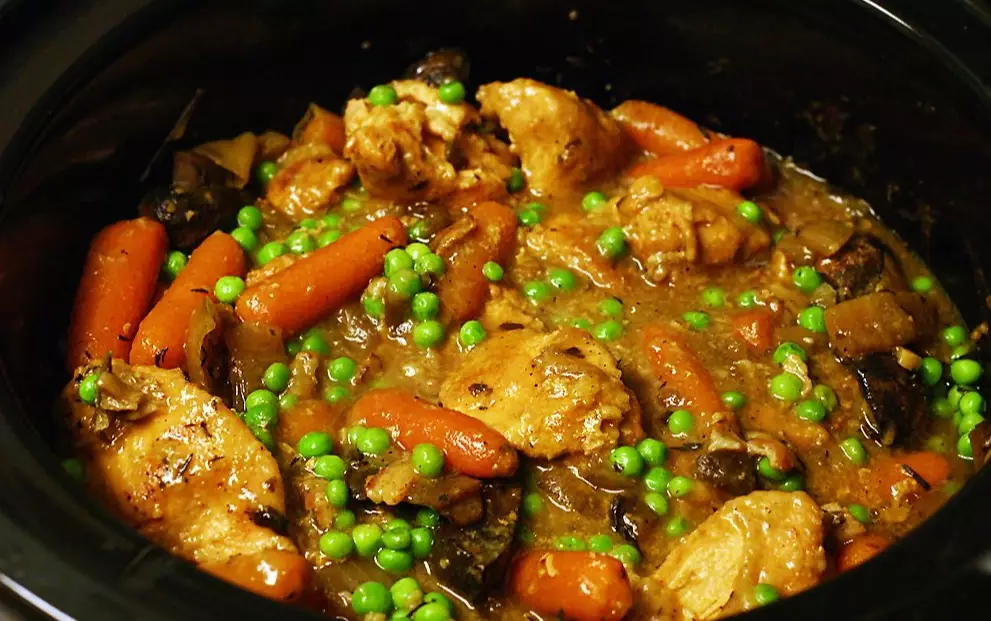
For a different protein: The method works for beef chuck roast (cut into cubes) or even turkey thighs. Adjust cooking time—beef may need the full 8 hours on Low.
For a thicker stew: Mix 2 tablespoons of cornstarch with 3 tablespoons of cold water at the end to create a slurry. Stir it in during the last 30 minutes on High.
For an herby fresh finish: Stir in a handful of chopped fresh parsley or dill right before serving.
Your Slow Cooker Stew Questions Answered
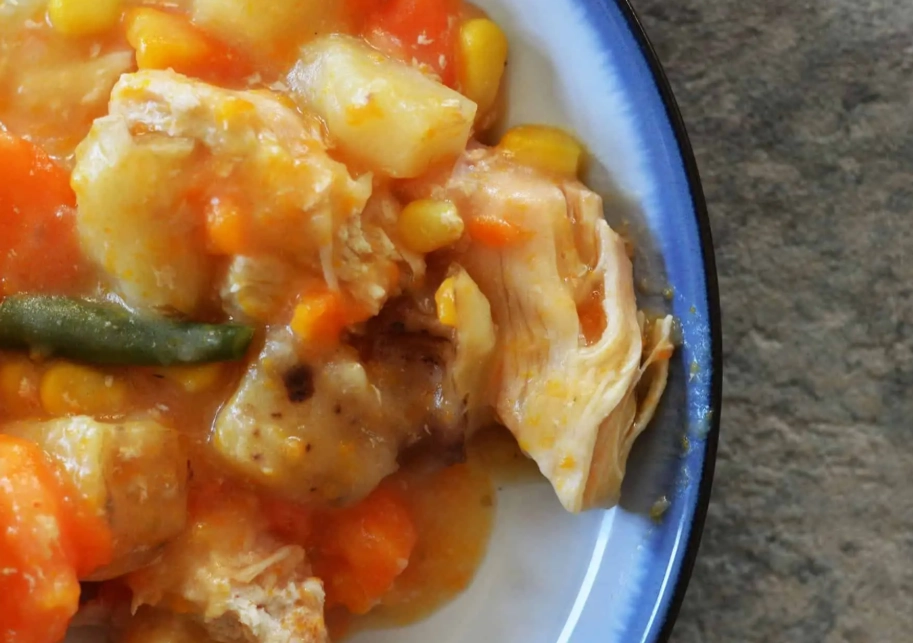 How can I prep this slow cooker chicken stew the night before?
Reader Comments