Let's be honest. The idea of a homemade chicken stew is fantastic—comforting, hearty, and filling. The reality of making one on a Wednesday night after work? Not so much. That's where your crock pot (or slow cooker) becomes a lifesaver. A good crock pot chicken stew recipe isn't just about throwing ingredients in a pot. It's about understanding how to build flavor with minimal effort and ensuring your chicken turns out fork-tender, not dry and stringy. After a decade of testing recipes (and eating the failures), I've nailed down a system that works every single time.
What You'll Find in This Guide
How to Make the Best Crock Pot Chicken Stew: A Step-by-Step Blueprint
This is my go-to base recipe. It's a "dump-and-go" style but with one crucial, flavor-building step most people skip. You'll need about 15 minutes of prep in the morning for 8 hours of heavenly smells and a zero-effort dinner.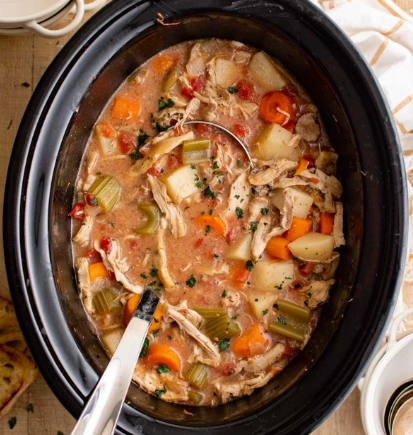
Pro Tip: The 10-Minute Flavor Boost
Don't just dump raw chicken and veggies in the pot. Take five minutes to brown your chicken thighs in a skillet first. You don't need to cook them through, just get a golden sear. This creates fond—those tasty browned bits at the bottom of the pan. Deglaze the pan with a splash of your cooking liquid (broth, wine, or even water) and pour that liquid gold into the crock pot. This one step adds a depth of flavor that simulates hours of stovetop reduction.
Gathering Your Ingredients
Here's what you'll need for a stew that serves 6 generously. I prefer bone-in, skin-on chicken thighs for unbeatable juiciness, but I'll cover substitutions later.
| Ingredient | Quantity & Notes | Purpose |
|---|---|---|
| Chicken Thighs | 2.5 to 3 lbs, bone-in, skin-on | Provides rich flavor and stays tender during long cooking. |
| Yukon Gold Potatoes | 1.5 lbs, chopped into 1-inch chunks | Holds its shape better than russets and adds a buttery texture. |
| Carrots & Celery | 3 large carrots, 3 stalks celery, chopped | Classic aromatics for the stew base. |
| Yellow Onion | 1 large, diced | Sweetens as it cooks, forming the flavor foundation. |
| Garlic | 4 cloves, minced | Essential aromatic. Don't use powder here. |
| Low-Sodium Chicken Broth | 4 cups | Liquid base. Using low-sodium lets you control saltiness. |
| Tomato Paste | 2 tablespoons | The secret umami booster. Sauté it with the onions if you have time. |
| Dried Thyme & Bay Leaf | 1 tsp thyme, 1-2 bay leaves | Herbal backbone. Fresh thyme is great if you have it. |
| All-Purpose Flour | 3 tablespoons | For thickening the stew at the end. |
| Frozen Peas | 1 cup | Added at the end for a pop of color and sweetness. |
The Cooking Process: Low and Slow is the Way to Go
Layer your ingredients wisely. Place the harder vegetables (potatoes, carrots) at the bottom of the crock pot, where they'll be closer to the heat source. Then add the celery, onion, and garlic. Place the seared chicken thighs on top. Pour in the broth and deglazing liquid. This layering helps everything cook evenly.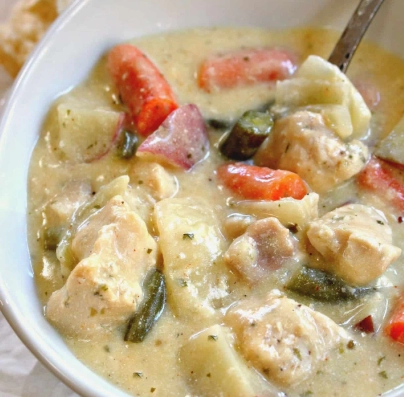
Cook time is critical. For this recipe, set your slow cooker to LOW for 7-8 hours. High heat for 3-4 hours can work in a pinch, but the LOW setting gives the chicken connective tissue time to melt into gelatin, resulting in that fall-off-the-bone texture. Trust the process.
The final thickening. About 30 minutes before serving, remove the chicken and shred it, discarding skin and bones. In a small bowl, whisk the flour with 1/2 cup of the hot stew liquid until smooth. Stir this slurry back into the crock pot along with the shredded chicken and frozen peas. Let it cook on HIGH for the last 20-30 minutes to thicken and heat the peas through. This method prevents a floury taste and gives you perfect consistency.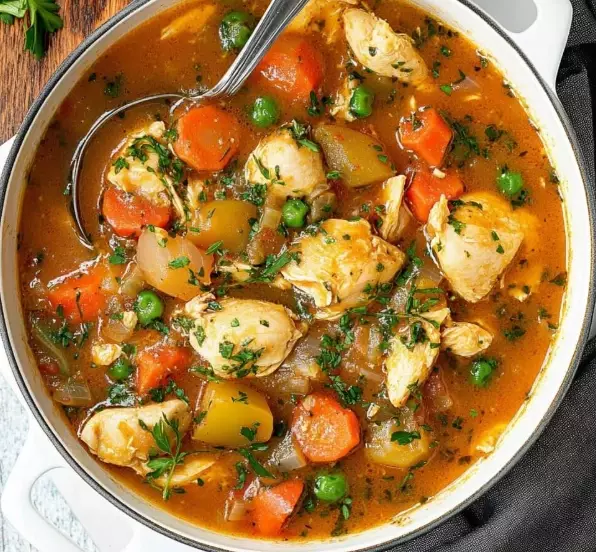
What is the Secret to Tender Chicken in a Slow Cooker?
It's all about the cut and the collagen. I see so many recipes call for chicken breasts, and that's often a path to disappointment. Chicken breast is very lean. Cook it for 8 hours and it dries out, becoming tough and chalky.
Chicken thighs and legs, on the other hand, are darker meat with more fat and connective tissue. The long, moist, gentle heat of a crock pot breaks down that collagen into rich, silky gelatin. The meat stays incredibly juicy. If you must use breast, add it during the last 2-3 hours of cooking on LOW, or use a whole, cut-up chicken. The bones from the thighs also impart more flavor to the broth.
Another subtle mistake? Over-stirring. Once you set the lid, leave it alone. Every time you lift the lid, you release a significant amount of heat and steam, increasing the cooking time and potentially drying things out. Set it and forget it.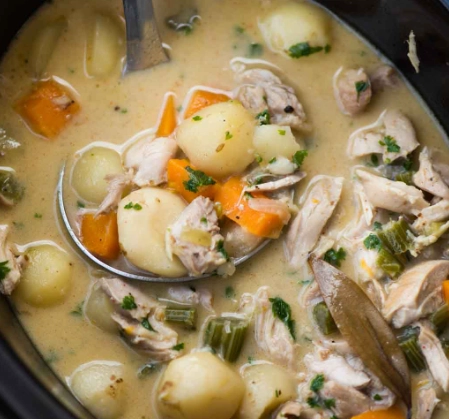
Three Flavor-Packed Crock Pot Chicken Stew Variations
Once you master the basic blueprint, the world is your oyster. Here are three of my favorite spins, each with a unique flavor profile.
1. Creamy Herb and Mushroom Chicken Stew
Swap half the carrots for 8 oz of sliced cremini mushrooms. Use 3 cups of broth and add 1 cup of heavy cream during the final thickening stage instead of the flour slurry. Add a tablespoon of Dijon mustard and swap thyme for tarragon. The result is decadent and restaurant-worthy.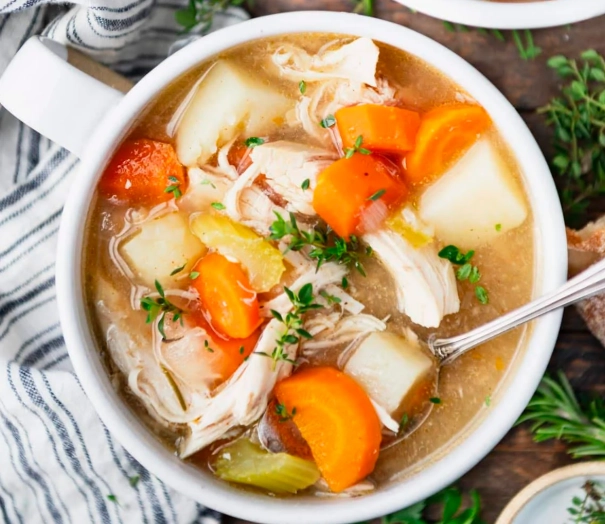
2. Southwest Chicken & Corn Stew
Replace the potatoes with 1 can of drained black beans and 1.5 cups of corn kernels (frozen is fine). Use a can of diced tomatoes with green chiles (like Rotel) and reduce the broth by 1 cup. Season with 1 tbsp chili powder, 1 tsp cumin, and a pinch of smoked paprika. Top with cilantro and a squeeze of lime before serving.
3. Coq au Vin Style Stew
This is for when you want to impress. Use 1 cup of red wine (like a Pinot Noir) and 3 cups of broth as your liquid. Add 8 oz of pearl onions (frozen work perfectly) and 8 oz of thickly sliced bacon, cooked and chopped. Use rosemary instead of thyme. The wine reduces into a deeply savory, complex sauce.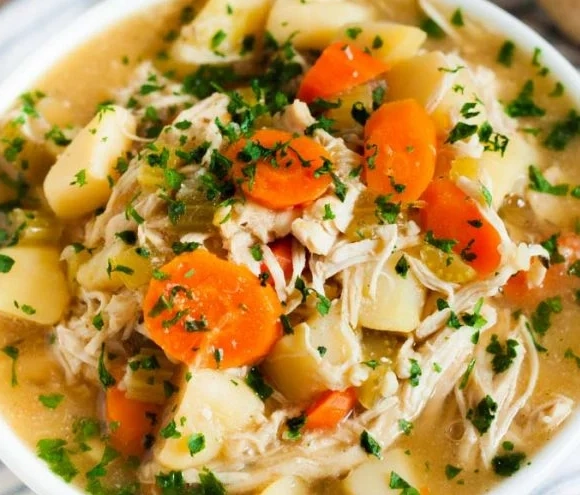
Common Crock Pot Stew Mistakes and How to Avoid Them
- Using only breast meat: As discussed, mix in thighs or use all dark meat for guaranteed tenderness.
- Adding dairy too early: Milk, cream, or sour cream will curdle if added at the beginning. Stir them in during the last 30 minutes.
- Overfilling the pot: Your slow cooker should be no more than 2/3 full to ensure proper heating and prevent overflow.
- Underseasoning: Slow cooking can mute flavors. Don't be shy with salt, pepper, and aromatics. Always taste and adjust seasoning at the end.
- Adding delicate veggies at the start: Ingredients like peas, spinach, or zucchini turn to mush. Add them in the last 15-30 minutes of cooking.
Your Crock Pot Chicken Stew Questions Answered
Can I use frozen chicken in my crock pot stew?
The USDA says it's safe, but I don't recommend it for stew. Frozen chicken lowers the pot's temperature for too long, putting the other ingredients in the "danger zone" for bacterial growth longer than ideal. More practically, it releases a ton of water, making your stew broth watery and diluting flavor. Thawing your chicken first (in the fridge overnight) gives you a much better texture and control over the final result.
My stew turned out too watery. How can I fix it?
It happens. First, try removing the lid and cooking on HIGH for the last 30-60 minutes to allow evaporation. If it's still too thin, make a cornstarch slurry: mix 2 tablespoons of cornstarch with 3 tablespoons of cold water until smooth. Stir this into the bubbling stew and cook for 10-15 minutes until thickened. Cornstarch creates a glossier finish than flour. For future batches, remember that vegetables like potatoes and celery release water, so you may need slightly less broth than you think.
How long can I store leftover chicken stew?
Cool the stew quickly and store it in an airtight container in the refrigerator. It will keep for 3-4 days. The flavor often improves on the second day. You can also freeze it for up to 3 months. Portion it into freezer bags, lay them flat to save space. Thaw in the fridge overnight before reheating gently on the stove or in the microwave, adding a splash of broth if needed.
Is it better to cook chicken stew on LOW or HIGH in the crock pot?
For texture and flavor development, LOW is almost always superior for a stew. The gentle, prolonged heat is what breaks down tough fibers and connective tissue without toughening the protein. Cooking on HIGH can cause the meat to seize up and become dry, even submerged in liquid. Reserve the HIGH setting for the final thickening step or for recipes with very short cook times. Think of LOW as braising and HIGH as boiling—you want a braise for stew.
What can I use instead of flour to thicken my stew (gluten-free)?
You have several great options. Cornstarch (as mentioned above) is my top pick for a clear, glossy thickener. Arrowroot powder works similarly. For a more rustic, hearty thickener, mash some of the cooked potatoes against the side of the pot and stir them back in. Alternatively, about 30 minutes before serving, stir in 2-3 tablespoons of instant mashed potato flakes—they dissolve quickly and add body without a distinct flavor.
Reader Comments