Let's be honest. There are a million recipes out there for chicken stew. Some are fancy, some are "healthy" versions that taste like dishwater, and some are just plain confusing. But what you're probably searching for, what I was searching for years ago, is that old fashioned chicken stew in a crock pot recipe. The one your grandma might have made, the one that fills the whole house with a smell that just means "home." Not fussy, not pretending to be something it's not. Just deep, savory, hearty comfort in a bowl.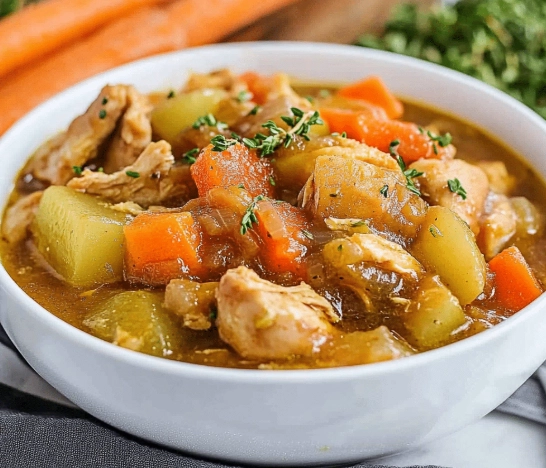
I messed up my fair share of batches before I got it right. Mushy vegetables, bland broth, rubbery chicken – you name it, I've created it. So this guide isn't just a recipe. It's everything I wish I'd known, bundled up to save you the trouble. We're going to talk about why this method works, how to choose your ingredients, the little tricks that make a big difference, and how to fix things if they go sideways. This is the only guide you'll need.
The magic of an old fashioned chicken stew isn't in a secret ingredient. It's in the patience of the slow cook and the balance of simple, honest flavors.
In This Stew Guide
- Why a Crock Pot is Your Secret Weapon for the Best Stew
- Building Your Flavor Foundation: The Non-Negotiable Ingredients
- The Step-by-Step: From Pile of Ingredients to Perfect Stew
- Your Old Fashioned Chicken Stew Troubleshooting Guide
- Beyond the Basic: Delicious Variations to Try
- Storing, Freezing, and Reheating Like a Pro
- Answers to the Questions You're Actually Asking
- Wrapping It All Up
Why a Crock Pot is Your Secret Weapon for the Best Stew
You could make stew on the stove. But why would you? The crock pot, or slow cooker, is practically invented for dishes like this old fashioned chicken stew. The low, steady heat does something extraordinary. It coaxes the flavor out of bones and vegetables slowly, melting connective tissue in the chicken until it's fall-apart tender, and allowing all the different flavors in the pot to get to know each other intimately. It's a gentle simmer that lasts for hours, not a violent boil. The result? Depth. A richness that you just can't rush.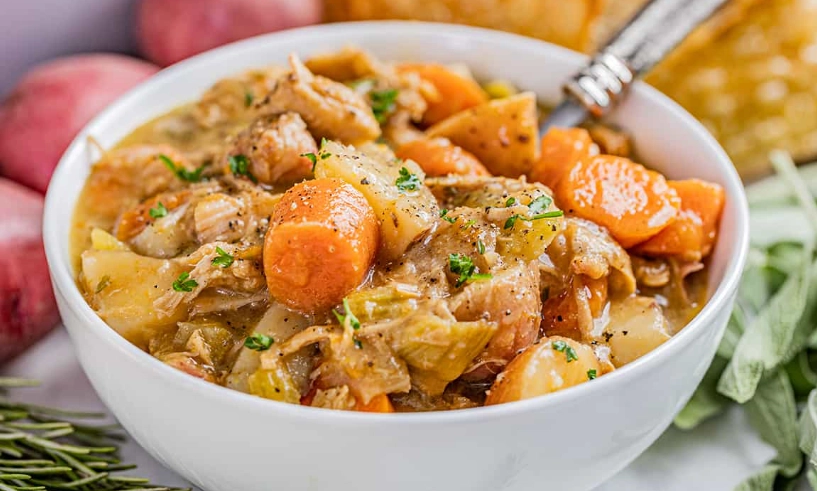
And the convenience is unbeatable. Dump (most of) your ingredients in the morning, go about your day, and come home to a meal that's ready. It's a weekday lifesaver that tastes like a weekend project.
No babysitting a pot on the stove. That's the real win here.
Building Your Flavor Foundation: The Non-Negotiable Ingredients
Great stew starts with great ingredients. You don't need exotic stuff. In fact, that's the opposite of what we want. We need the classics, but we need to choose them wisely.
The Chicken: Bones are Gold
This is where most people take a shortcut that costs them flavor. Boneless, skinless chicken breasts? Please, don't. They'll dry out and turn to stringy chalk over a long cook. For a proper crock pot old fashioned chicken stew, you want bone-in, skin-on chicken thighs. Why? Fat and collagen. The bones and skin impart an incredible richness to the broth, and the dark meat of thighs stays juicy and flavorful for the duration. A mix of thighs and drumsticks is perfect. If you must use breast, use it in addition to thighs, not instead of. The National Chicken Council's guide to cuts confirms that darker meat holds up better to moist-heat cooking like stewing.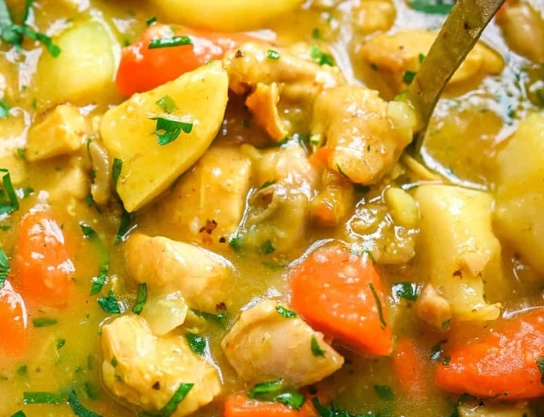
The Holy Trinity of Vegetables (Plus One)
Onions, carrots, celery. This is the base of so many great dishes for a reason. They provide sweetness, earthiness, and aroma. Cut them into hearty chunks—they should be a substantial part of the stew, not an afterthought. The "plus one" is potatoes. Russets will break down and thicken the stew a bit, while Yukon Golds or red potatoes hold their shape better. I'm a Yukon Gold person myself; they have a buttery flavor that's just perfect.
My Go-To Ingredient List
- Chicken: 2-3 lbs of bone-in, skin-on chicken thighs & drumsticks.
- Vegetables: 1 large yellow onion (chopped), 3-4 carrots (cut into 1-inch pieces), 3-4 celery stalks (cut into 1-inch pieces), 1.5 lbs Yukon Gold potatoes (cut into 1.5-inch chunks).
- Aromatics & Herbs: 4 cloves garlic (minced), 2 bay leaves, 1 tsp dried thyme (or a few fresh sprigs).
- Liquid: 4 cups low-sodium chicken broth (homemade if you have it!), 1/2 cup dry white wine (optional, but great for acidity).
- Thickener: 1/4 cup all-purpose flour, 1/4 cup water or cold broth (mixed into a slurry).
- Finishers: 1 cup frozen peas, 1/4 cup fresh parsley (chopped), salt and black pepper to taste.
The Step-by-Step: From Pile of Ingredients to Perfect Stew
Okay, let's get cooking. This isn't complicated, but the order matters.
Prep Work is Everything
Chop all your veggies to roughly the same size so they cook evenly. Pat your chicken dry with paper towels – this helps it brown if you're doing that step. Make your flour slurry by whisking the flour and cold liquid in a small bowl until completely smooth. A lumpy slurry makes a lumpy stew. Nobody wants that.
Get everything ready before you even turn on the crock pot. It makes the process feel smoother.
The Layering Technique (Optional but Effective)
Some people just throw it all in. I like to layer. Harder vegetables (carrots, potatoes) on the bottom, closer to the heat source. Then the chicken. Then the softer aromatics (onions, celery, garlic) on top. Pour the broth and wine over everything. The herbs go in last. This isn't a hard rule, but I find it helps.
The Long, Slow Cook
This is the easy part. Cover and set your crock pot. Low for 7-8 hours or High for 4-5 hours. Low is almost always better for an old fashioned chicken stew in a crock pot. It gives the flavors more time to develop. Resist the urge to open the lid! Every time you do, you let out heat and steam, adding significant time to your cook.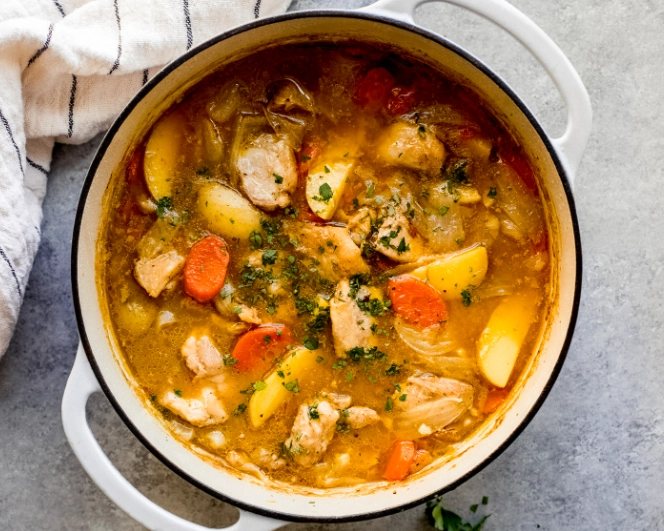
The Final Act: Thickening and Finishing
When the cook time is up, carefully remove the chicken pieces to a plate. They'll be crazy tender. Let them cool slightly, then shred the meat, discarding the skin and bones.
Now, turn your crock pot to High if it isn't already. Stir in the smooth flour slurry. This will thicken the broth into a proper, luscious gravy. Let it cook for another 20-30 minutes, uncovered, to get rid of the raw flour taste and allow it to thicken.
Stir the shredded chicken back in. Add the frozen peas. Let everything heat through for about 10-15 minutes. Right before serving, stir in the fresh parsley. Taste it. Does it need more salt? Probably. Pepper? Definitely. Adjust now.
Your Old Fashioned Chicken Stew Troubleshooting Guide
Things don't always go perfectly. Here's how to fix common issues.
| Problem | Likely Cause | How to Fix It |
|---|---|---|
| Stew is too thin / watery | Not enough reduction, not enough thickener, or too many watery vegetables. | 1. Make a cornstarch slurry (1 tbsp cornstarch + 2 tbsp cold water). Stir in and cook on High for 15 mins. 2. Mash some of the potatoes against the side of the pot to thicken. 3. Simmer with the lid off for 30-60 mins to reduce. |
| Stew is too thick / gloppy | Too much flour, or not enough liquid to start. | Simply stir in additional warm chicken broth, a half-cup at a time, until it reaches your desired consistency. |
| Stew tastes bland | Underseasoned. Salt is crucial for bringing out flavors. | Season in layers. Salt the chicken before browning. Salt the vegetables as you add them. And always do a final taste and season at the end. Acid is also a flavor brightener – a splash of cider vinegar or a squeeze of lemon juice at the end can work miracles. |
| Vegetables are mushy | Cooked too long, or cut too small. | Cut veggies into larger, hearty chunks. For root vegetables like carrots and potatoes, consider adding them halfway through the cook time on a long, low setting. |
| Chicken is dry | Using lean breast meat only, or overcooking. | Use bone-in, skin-on dark meat (thighs/legs). If using breast, add it later in the cooking process (last 2-3 hours on Low). |
Beyond the Basic: Delicious Variations to Try
The classic is perfect, but sometimes you want to mix it up. Here are some ideas that still feel true to the spirit of an old fashioned crock pot chicken stew.
- Herb Garden Version: Swap the thyme for rosemary or tarragon. Add a tablespoon of fresh chopped dill with the parsley at the end.
- Cozy Curry Twist: Stir in 2 tablespoons of curry powder with the flour. Use coconut milk for half of the broth. Finish with cilantro instead of parsley.
- Hearty Biscuit-Topped: Pour the finished stew into a baking dish. Top with refrigerated biscuit dough or drop biscuit batter. Bake according to biscuit instructions until golden brown – a de facto chicken pot pie.
- White Wine & Mushroom: Use all white wine for the liquid (reduce broth accordingly). Sauté a pound of sliced cremini mushrooms and add them with the peas.
Storing, Freezing, and Reheating Like a Pro
One of the best things about this old fashioned chicken stew in crock pot is that it makes fantastic leftovers. The flavors often meld and improve overnight.
Storing: Let the stew cool completely. Store in airtight containers in the refrigerator for up to 4 days. According to the USDA's food safety guidelines, cooked stews should be refrigerated within two hours of cooking.
Freezing: This stew freezes beautifully for up to 3 months. Freeze in portion-sized containers. Potatoes can sometimes become a bit grainy after freezing and thawing, but it's still perfectly tasty. To thaw, place in the refrigerator overnight.
Reheating: Gently reheat on the stovetop over medium-low heat, stirring occasionally, until piping hot. You can use the microwave, but stir it every minute to ensure even heating. You may need to add a splash of broth or water when reheating if it has thickened up in the fridge.
Answers to the Questions You're Actually Asking
Can I just use chicken breasts?
You can, but I really don't recommend it as the sole chicken. The stew will lack depth and the meat is likely to be dry. If you must, use a combination of breasts and thighs, and add the breast pieces in the last 2-3 hours of cooking on Low.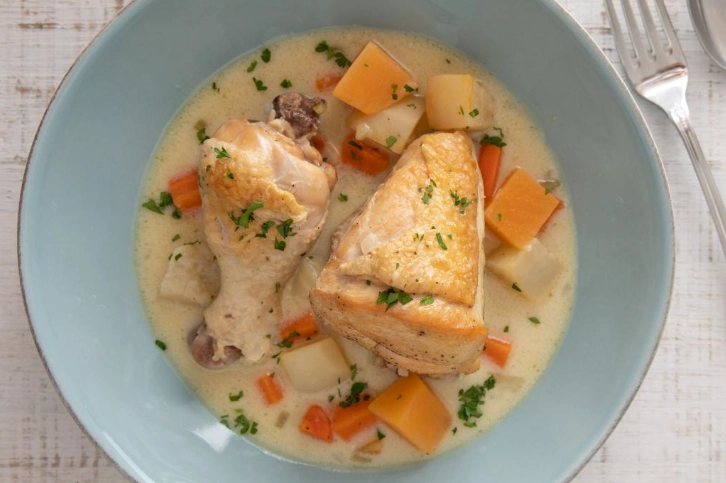
Do I have to brown the chicken first?
No, it's not mandatory. The crock pot will cook it through safely. But skipping this step means skipping a huge flavor opportunity. The difference is noticeable. If I'm in a huge rush, I'll skip it. But 90% of the time, I take the 10 minutes to do it.
My stew is bland. What can I do now?
First, add salt, a pinch at a time, tasting after each addition. If it's still flat, add acid: a squeeze of lemon juice or a dash of cider vinegar. A pinch of sugar can also help balance if the tomatoes or wine are too sharp. Finally, a crack of fresh black pepper or a dash of a condiment like Worcestershire sauce can add complexity.
Can I put raw chicken directly in the crock pot?
Yes, absolutely. That's one of the main points of the appliance. As long as your crock pot reaches a safe temperature (which it will on Low or High over several hours), it will safely cook raw chicken. The USDA confirms that slow cookers are safe for cooking meat when used properly. Just ensure the chicken is fully submerged in liquid and the cooker is turned on.
What's the best way to thicken the stew?
I prefer a flour slurry (as in the recipe) for that classic, gravy-like texture. Cornstarch slurry creates a glossier, clearer thickener. You can also mash some of the potatoes against the side of the pot. For a lower-carb option, try a tablespoon of tomato paste or puree some of the stew with an immersion blender.
Can I cook this on High instead of Low?
Yes, the general rule is 4-5 hours on High or 7-8 hours on Low for a stew like this. Low is almost always better for flavor and tenderness, but High is a great option if you started later in the day. Just keep an eye on it towards the end.
Wrapping It All Up
Making an incredible old fashioned chicken stew in a crock pot isn't about culinary wizardry. It's about understanding a few simple principles: use flavorful chicken with bones, don't be shy with salt, thicken properly at the end, and let time do the heavy lifting. It's a forgiving recipe. Even if your vegetables are a bit uneven or you forget the wine, you'll still end up with a pot of something warm, nourishing, and deeply satisfying.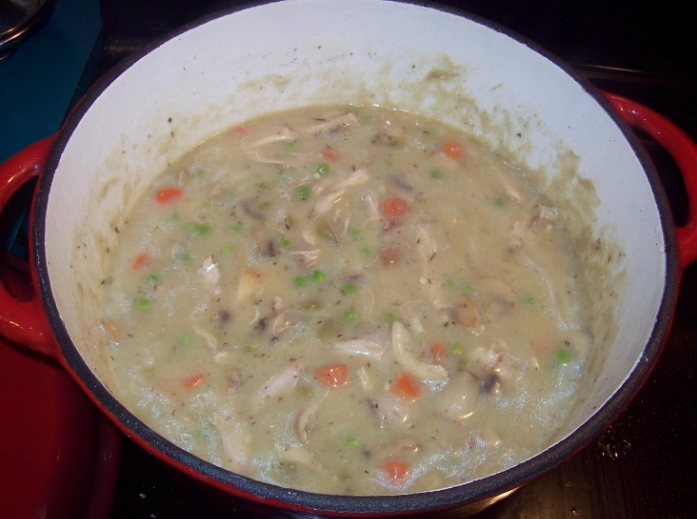
This is the kind of food that gathers people. It's what you make when someone needs comfort, or when you just want a quiet, hearty dinner that promises leftovers. I hope this guide gives you the confidence to make it your own. Don't just follow the recipe—understand it. Taste as you go. Adjust. Make it the way you like it. After all, that's the most old-fashioned principle of all: cooking from the heart, with what you have, for the people you care about.
Now, go forth and stew. Your crock pot is waiting.
Reader Comments