Quick Guide
Let's be real. You're staring at a tough cut of round steak or chuck roast, you've got your slow cooker sitting on the counter, and you're dreaming of that melt-in-your-mouth, gravy-smothered comfort food classic: Swiss steak. But the big question hanging in the air is, how long to cook Swiss steak in a crock pot to get it just right? Not chewy, not dry, but perfectly tender.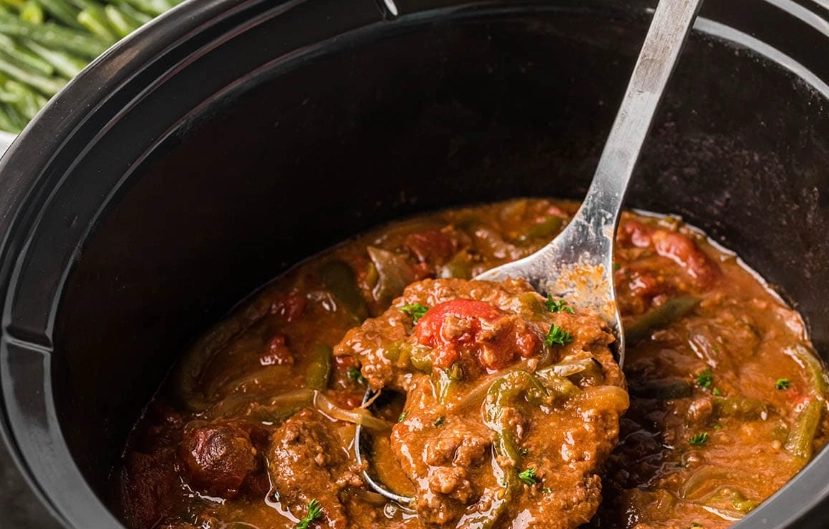
I've been there. I've also, in my early slow-cooking days, pulled the plug too early and ended up with something that needed a steak knife and a lot of jaw work. Not ideal. The good news? Getting it right is incredibly simple once you understand the why behind the time. It's not a random number; it's science and patience working together.
The Short Answer (But Please, Read On!): For fork-tender Swiss steak, cook it on LOW for 7 to 9 hours. If you're in a pinch, you can do HIGH for 4 to 5 hours, but low and slow is the undisputed champion for texture.
Why such a long time? We're dealing with collagen. Those tougher, cheaper cuts of beef are packed with it. Collagen is like the body's connective glue. Apply low, moist heat for a long time, and that rigid collagen slowly melts into rich, silky gelatin. That's the magic. That's what transforms a budget cut into a luxurious meal. Rushing it means the collagen doesn't fully break down, leaving you with rubbery meat.
What You Really Need to Know Before You Start
Before we dive into the step-by-step, let's clear up a couple of things. "Swiss" doesn't mean it's from Switzerland. Most food historians think it refers to "swissing," an old method of tenderizing meat by pounding or rolling it. So, at its heart, this is a tenderized, braised steak dish.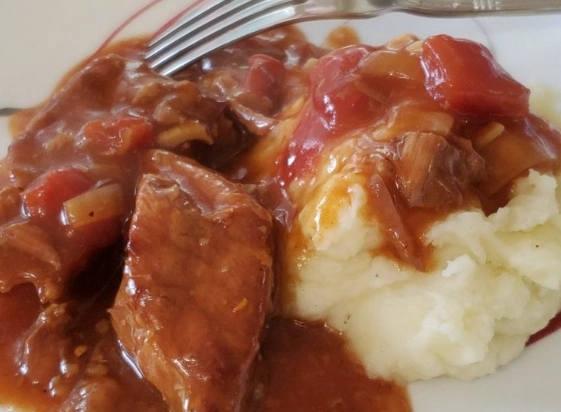
And your slow cooker? It's the perfect, hands-off tool for this job. The sealed, moist environment is ideal for the long, gentle braise Swiss steak requires. You can't really mess it up if you get the time right.
Picking the Right Beef: It Matters More Than You Think
You can't make great Swiss steak from a lean sirloin. It'll just dry out. You need a cut with marbling and connective tissue. Here are your best bets, ranked from my personal favorite to still-pretty-good.
Best Cuts of Beef for Swiss Steak
| Cut of Beef | Why It Works | My Personal Notes |
|---|---|---|
| Beef Chuck Roast | Top choice. Fantastic fat marbling and collagen content. Shreds beautifully and stays juicy. | This is my go-to. It might be a bit more expensive than round, but the result is consistently superior and foolproof. |
| Bottom Round Roast / Steak | The classic, budget-friendly choice. Leaner than chuck but has good connective tissue. | You must cook this long enough. Undercook it by even 30 minutes, and it can be tough. Be patient. |
| Top Round Steak | Works in a pinch. The leanest option here. | I find it can dry out more easily. If this is all you have, don't skimp on the cooking liquid and maybe add an extra 30 minutes on low. |
See? Not all beef is created equal for this job. If you want the best, grab a chuck roast and cut it into steaks yourself. It's a game-changer.
The Step-by-Step: From Fridge to Fork-Tender
Okay, let's get cooking. This isn't just about tossing things in a pot. A few simple steps at the beginning make a massive difference in the final flavor.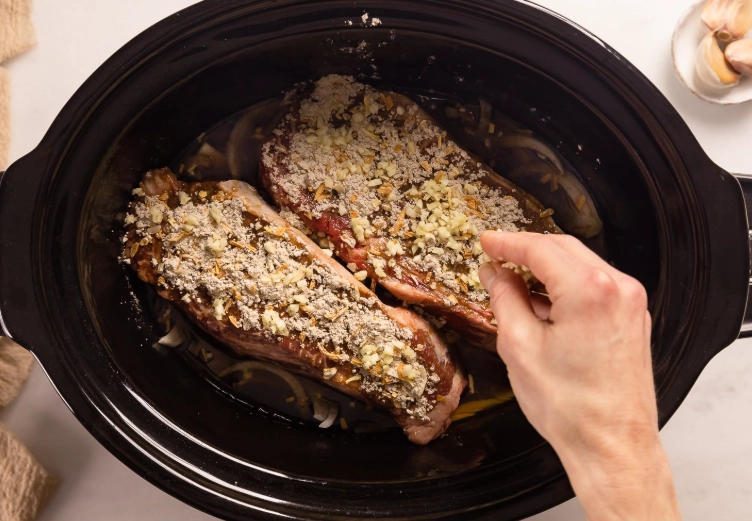
Step 1: The (Optional but Recommended) Sear
I know, I know. It's an extra pan to wash. But hear me out. Taking 5-10 minutes to sear your seasoned (salt and pepper!) beef steaks in a hot skillet creates a incredible fond (those browned bits) on the bottom of the pan. When you deglaze that pan with a bit of your cooking liquid (broth, wine, even water) and pour it into the slow cooker, you're adding a deep, complex, roasted flavor that you just can't get from boiling alone. It's the difference between "good" and "wow."
If you're truly in a rush, you can skip it. The slow cooker will still tenderize the meat. But the flavor profile will be simpler, more one-note.
Step 2: Building Your Flavor Base in the Crock
While your meat is searing (or if you skipped it), get your slow cooker insert ready. I like to create a "bed" for the meat. Thinly slice an onion and maybe a bell pepper or some carrots and scatter them on the bottom. This lifts the meat slightly, allows heat and steam to circulate, and the veggies flavor the gravy as they cook down into oblivion.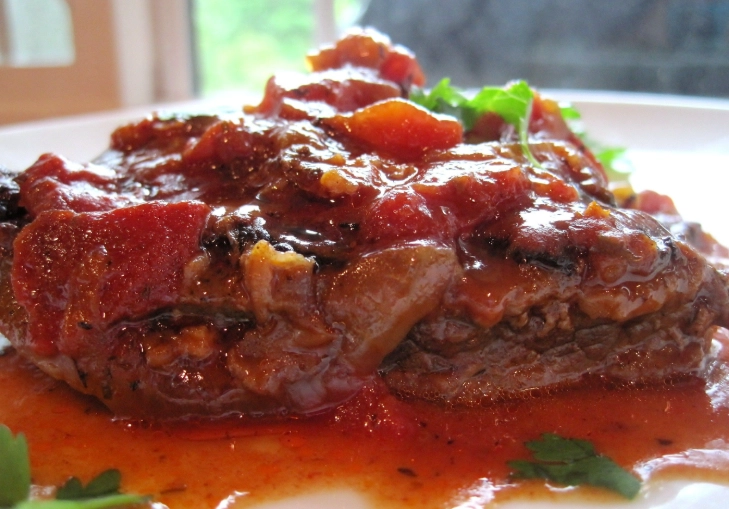
Then, place your seared or raw steaks on top of the veggie bed. Don't overcrowd them; they can be close but try not to stack them directly on top of each other if possible.
Step 3: The Liquid and Seasonings
This is where you customize. The goal is enough liquid to come about halfway up the sides of the meat, not submerge it. You're braising, not boiling.
- Base Liquid (1 to 1.5 cups): Beef broth is standard. A can of diced tomatoes with their juice is also fantastic and traditional. I often use a combination—like a cup of broth and a cup of tomatoes.
- Flavor Boosters: This is your playground. A tablespoon or two of Worcestershire sauce. A spoonful of tomato paste for richness. A couple of minced garlic cloves. A bay leaf. A sprinkle of dried thyme or paprika. Don't go overboard; you want the beef to shine.
Pour your liquid and seasonings over the meat.
Step 4: The Main Event: Setting the Time
Here's the core answer you searched for: how long to cook Swiss steak in a crock pot.
The Golden Rule: LOW for 7 to 9 hours. HIGH for 4 to 5 hours. I cannot stress the LOW setting enough. The slower breakdown of collagen yields a more tender, more evenly cooked result. The high setting can sometimes make the outer parts of the meat a bit stringy before the very center is fully tender.
Put the lid on. Do not open it during the first 3/4 of the cooking time. Every time you lift that lid, you release a significant amount of heat and steam, which can add 15-20 minutes to your total cook time. Trust the process.
How to Know When It's Actually Done
Time is your primary guide, but don't be a slave to the clock. The best test is the fork test. At the 7-hour mark (on low) or 4-hour mark (on high), take a fork and try to pull apart a piece of meat. If it offers little resistance and shreds easily, it's done. If the fork meets tension or the meat doesn't want to separate, give it another 30-60 minutes and check again.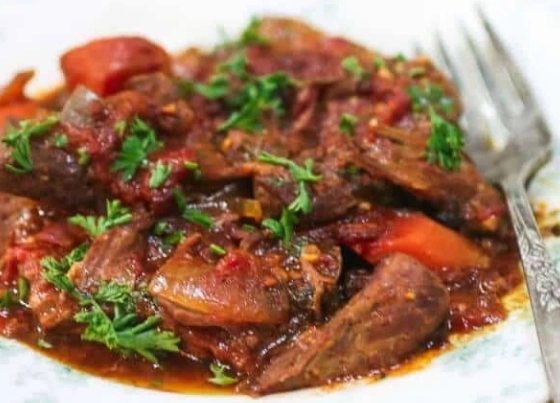
The meat should be falling-apart tender. That's your sign. For food safety, the USDA recommends a minimum internal temperature of 145°F for beef, but braised dishes like this are typically cooked well beyond that for tenderness, often reaching 190°F or more, which is perfectly safe. You can reference safe cooking temperatures on the USDA Food Safety website for more info.
Another clue? The gravy will have thickened slightly from the dissolved collagen (gelatin) and reduced a bit. It should coat the back of a spoon.
Finishing Touches and Serving Ideas
Once your Swiss steak is tender, you might find the gravy is a bit thin. That's an easy fix. Remove the steaks and veggies to a platter and tent with foil. Then, you have two great options:
- Cornstarch Slurry: Mix 2 tablespoons of cornstarch with 3 tablespoons of cold water until smooth. Turn your slow cooker to HIGH, whisk in the slurry, and let it cook for 10-15 minutes until the gravy bubbles and thickens.
- Make a Roux (My Preferred Method): Melt 2 tbsp butter in a saucepan, whisk in 2 tbsp flour, and cook for a minute. Slowly ladle in the hot cooking liquid from the slow cooker, whisking constantly, until you have a smooth, thickened gravy. You get more control over the thickness this way.
Season the gravy with salt and pepper to taste. Pour it back over the meat.
What to serve with it? The classics are the best: creamy mashed potatoes, buttery egg noodles, or fluffy rice to soak up all that glorious gravy. A simple green vegetable like steamed green beans or roasted broccoli on the side cuts the richness perfectly.
Answers to Your Burning Questions (FAQ)
I get a lot of questions about this dish. Here are the ones that pop up most often.
Yes, absolutely. The slow cooker will safely cook raw meat to a safe temperature. Searing is for flavor, not safety.
Almost always, it's undercooking. The collagen hadn't fully converted. Next time, extend the time by an hour on LOW. Also, double-check you used an appropriate cut (chuck or round), not a lean steak.
It's hard, but possible. On LOW, going past 10-11 hours can start to make the meat mushy and cause it to lose its shape entirely. It'll still taste good, but the texture won't be ideal. Stick to the 7-9 hour window.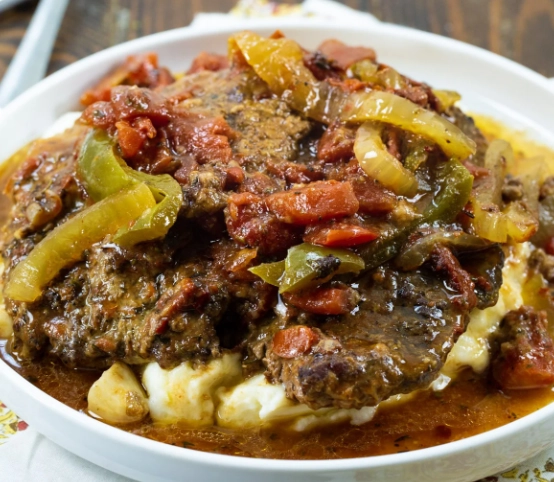
You can, but be strategic. If you add raw, dense vegetables like carrots and potatoes at the beginning, they'll turn to mush by the time the meat is tender. If you want them to hold their shape, add chunked potatoes and carrots during the last 2-3 hours of cooking on LOW.
Great question! Swiss steak starts with a whole, tenderized cut of beef. Salisbury steak is made from ground beef formed into a patty, like a meatloaf burger. Completely different texture and cooking method.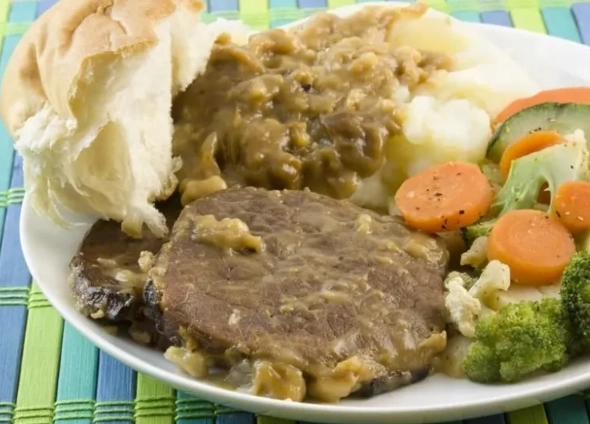
A Few Parting Thoughts From My Kitchen
Mastering how long to cook Swiss steak in a crock pot is really about embracing patience. It's a dish that rewards planning. I love putting it on before I leave for work on a chilly morning and coming home to a house that smells incredible and a dinner that's essentially ready.
The beauty of this method is its flexibility and forgiveness. Once you nail the timing—remember, 7-9 hours on LOW—you can play with the flavors. Use mushrooms. Add a dash of soy sauce for umami. Use fire-roasted tomatoes. Make it yours.
So, grab that chuck roast, dust off your slow cooker, and give it the time it deserves. You'll be rewarded with one of the most satisfying, comforting meals you can make with minimal effort. No more guessing about how long to cook Swiss steak in a crock pot—you've got the map now. Just follow it, and enjoy.
Reader Comments