Quick Guide
- Why a Slow Cooker is the Ultimate Weekday MVP
- Choosing Your Weekday Kitchen Partner: What to Look For
- The Art of the Morning Dump: Streamlining Your Routine
- Can't-Fail Weekday Slow Cooker Recipes & Strategies
- Common Pitfalls and How to Avoid Them
- Answering Your Top Slow Cooker for Busy Life Questions
- Making It a Habit: Your Weekday Slow Cooker Game Plan
Let's be honest. The last thing you want to do after a long day of work, meetings, school runs, and life's general chaos is stand in the kitchen for an hour figuring out dinner. You're tired, maybe a bit hangry, and the temptation to just order takeout is real. I've been there more times than I care to admit. That's where the humble slow cooker transforms from a kitchen appliance into a genuine lifesaver for your busy weekdays.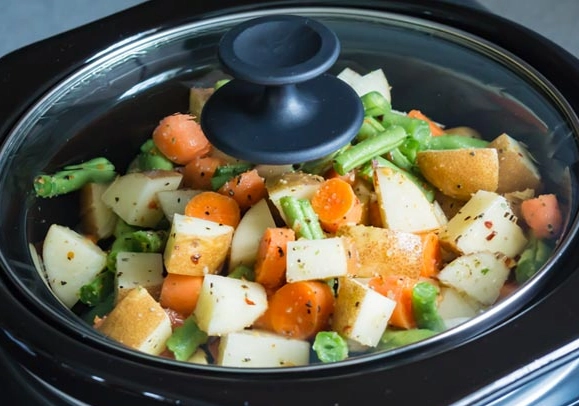
It's not just about throwing ingredients in a pot. Using a slow cooker for busy weekdays is a strategy, a way to reclaim your evenings and ensure your family eats something wholesome without the stress. This isn't about fancy gourmet cooking—it's about practical, reliable, and downright easy meals that practically cook themselves while you're living your life.
Think about it: you spend 15 minutes in the morning (or the night before) prepping. You press a button. Then, you walk away for 8, 10, even 12 hours. When you walk back in the door, the smell of a ready-made dinner greets you. It's magic for the modern schedule.
Why a Slow Cooker is the Ultimate Weekday MVP
Everyone talks about meal prep, but standing in the kitchen for hours on a Sunday isn't always feasible. The slow cooker offers a different kind of prep—active prep time is minimal, but the payoff is huge. It aligns perfectly with the rhythm of a busy weekday.
First, it's a massive time-saver. The actual hands-on work is condensed into a short window. Second, it's incredibly forgiving. Unlike a stovetop dish that can burn in seconds, a slow cooker's low, steady heat is gentle. You can be stuck in a late meeting and your pot roast won't mind. Third, it often makes enough for leftovers, solving the next day's lunch problem too. And let's not forget the cost savings—cooking from scratch with affordable cuts of meat (which slow cooking tenderizes beautifully) is way easier on the wallet than daily takeout.
I remember one particularly brutal week where I had back-to-back deadlines. If I hadn't had a beef chili simmering away on Monday, we would have eaten cereal for dinner. Instead, we had a hearty, nutritious meal with zero evening effort. That's the real power.
Choosing Your Weekday Kitchen Partner: What to Look For
Not all slow cookers are created equal, especially when your goal is seamless weekday integration. The market is flooded with options, from basic dial models to fancy programmable ones with Wi-Fi. Here’s what actually matters for a busy life.
My top tip? Prioritize a programmable timer with an automatic "keep warm" function. This is non-negotiable for safety and convenience. It means your food won't overcook if you're late getting home.
Size is crucial. A 6-quart model is the sweet spot for most families (3-5 people). It's large enough for a big batch of stew or a small roast, but not so huge that it's awkward. For singles or couples, a 3-4 quart model might be perfect. Shape matters too—oval pots fit roasts and whole chickens better than round ones.
Features like a locking lid for transport (great for potlucks) or a searing function are nice, but not essential. The removable stoneware insert, however, is a must for easy cleaning. Trust me, scrubbing a fixed pot is a chore you don't want.
I made the mistake of buying a huge 8-quart model once, thinking bigger was better. For my small household, it was overkill. Recipes didn't cook right because the pot was too empty, and it took up half my counter. Lesson learned.
Key Features Breakdown for the Busy User
| Feature | Why It Matters for Weekdays | My Recommendation |
|---|---|---|
| Programmable Timer | Switches to "keep warm" automatically. No rushing home; dinner waits for you. | Essential. Don't compromise here. |
| Removable Stoneware | Makes cleaning a breeze. Just lift it out and wash it. | Must-have. Saves so much time. |
| Size (6-Quart) | Ideal for family meals with leftovers. Versatile for most recipes. | The goldilocks size—just right. |
| "Warm" Setting | Holds food at a safe temperature for hours after cooking. | Comes standard with most programmers. Crucial. |
| Clear Glass Lid | Lets you check on progress without losing heat and moisture. | Very handy, but not a deal-breaker. |
The Art of the Morning Dump: Streamlining Your Routine
This is the core habit that makes the slow cooker for busy weekdays system work. "Morning dump" just means assembling your ingredients in the pot before you start your day. With a little planning, this can take less than 10 minutes.
Here’s my personal routine: I decide what's for dinner tomorrow, tonight. I pull the meat from the freezer to thaw in the fridge overnight. In the morning, while my coffee brews, I chop any veggies (onions, carrots, potatoes), dump them in the bottom of the pot, add the meat, pour over sauce or broth, give it a quick stir, set the timer, and I'm done. The whole kitchen is clean by 7:15 AM.
You can take this even further with freezer meals. Spend one afternoon prepping and bagging complete meals (meat, veggies, seasoning), then freeze them flat. On a busy morning, you just grab a bag, dump the frozen block into the pot, and go. The cooking time will be a bit longer, but it works brilliantly.
A word of caution: Always ensure frozen meat goes into a pre-heated slow cooker on High for the first hour to move it through the "danger zone" temperature quickly, or thaw it safely in the fridge first. The USDA has clear guidelines on slow cooker safety that are worth a quick read.
What foods work best? Tougher, cheaper cuts of meat are slow cooker royalty—chuck roast, pork shoulder, chicken thighs. They become fall-apart tender. Root vegetables (potatoes, carrots, parsnips) hold up well. Delicate things like fish, dairy (milk, cream), or fresh herbs should be added at the very end.
Can't-Fail Weekday Slow Cooker Recipes & Strategies
You don't need a library of cookbooks. You need a handful of reliable, flexible templates. These are my go-to categories for busy weekdays.
The Soup & Stew Template
This is the easiest entry point. Formula: Protein + Hard Veggies + Broth/Stock + Seasoning. Cook on Low for 7-8 hours. Add tender veggies (like spinach or zucchini) or pasta in the last 30 minutes. Think: Classic Beef Stew, Hearty Chicken Noodle, White Chicken Chili.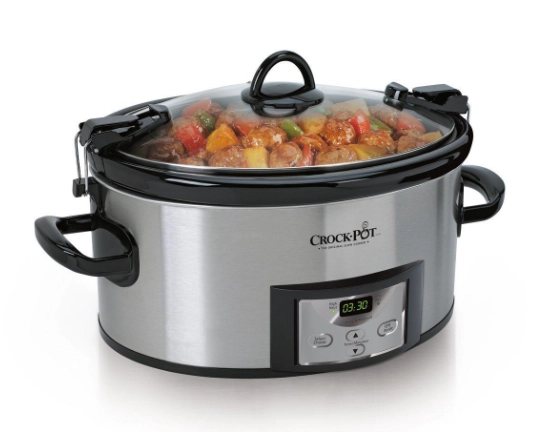
The "Shredded Something" Template
This is for tacos, sandwiches, bowls, and salads. Formula: Large cut of meat (pork butt, chicken breasts) + 1 cup liquid (salsa, BBQ sauce, broth) + seasoning. Cook on Low for 6-8 hours until shreddable with forks. The versatility is endless. Shredded chicken can be BBQ sandwiches one night and taco salads the next.
"The slow cooker doesn't just make dinner; it makes the foundation for two or three meals. A big pork shoulder becomes pulled pork, then tacos, then ends up in a soup. That's true weekday efficiency."
The Whole Chicken or Roast Template
Yes, you can cook a whole chicken in a slow cooker! Pat it dry, season it generously, place it on a bed of onions or potatoes (to lift it off the bottom). No added liquid needed—it creates its own juices. Cook on High for 4-5 hours or Low for 6-8. You get tender meat and a base for gravy. It feels like a Sunday dinner on a Tuesday.
One of my favorite resources for reliable, tested recipes is the slow cooker section on Budget Bytes. The recipes are practical, cost-effective, and perfect for real-life cooking.
Common Pitfalls and How to Avoid Them
Slow cooking is simple, but a few missteps can lead to bland or mushy food. Let's troubleshoot.
Bland Food: The slow cooker mutes flavors. You must season aggressively. Don't be shy with salt, pepper, garlic, and dried herbs. Browning your meat in a skillet first (a step called "searing") adds a ton of flavor through the Maillard reaction. I know it's an extra pan to wash, but for a roast, it's 100% worth it.
Watery Sauce: Because the lid is sealed, liquid doesn't evaporate. Use less broth than you think. A good rule is about half to two-thirds of what a stovetop recipe calls for. To thicken at the end, mix a tablespoon or two of cornstarch with cold water, stir it into the pot, and let it cook on High for 15-20 minutes.
Mushy Vegetables: Place hard, root vegetables (carrots, potatoes) at the bottom where it's hottest. Put more delicate items on top. Or, add things like peas, corn, or bell peppers in the last hour of cooking.
Overcooked Meat: Even on Low, a slow cooker can eventually turn meat dry and stringy if left too long. Chicken breasts only need 3-4 hours on Low. Use the recommended times as a guide, especially the first few times you try a recipe.
A little forethought prevents a lot of disappointment.
Answering Your Top Slow Cooker for Busy Life Questions
Making It a Habit: Your Weekday Slow Cooker Game Plan
Adopting the slow cooker for busy weekdays lifestyle is about creating a system, not just following a recipe. Here's a sample plan to get you started.
Sunday Evening: Glance at your week. Pick 2-3 slow cooker meals. Make a shopping list. This takes 10 minutes tops.
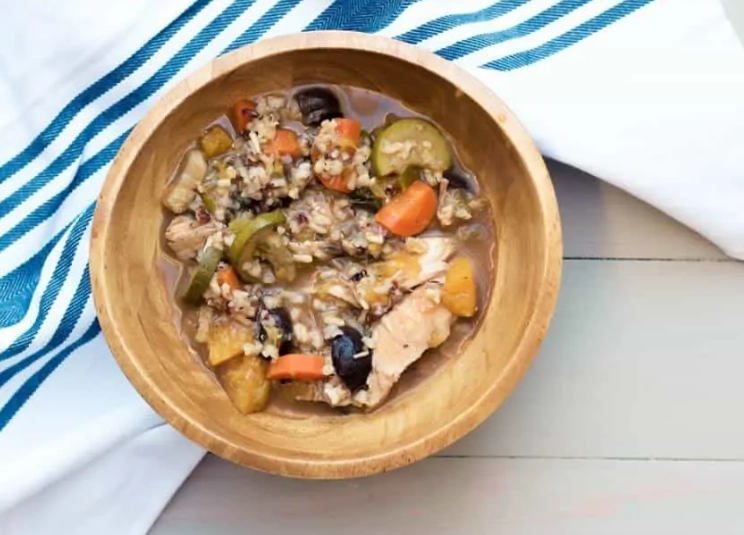
Monday Morning: Assemble a hearty soup or stew (like a minestrone or beef & barley). Set for 8 hours on Low. Dinner is ready when you walk in. Portion leftovers for Tuesday lunch.
Tuesday Evening: (Yes, evening!). Before bed, quickly toss chicken breasts, salsa, and taco seasoning into the pot insert. Cover and refrigerate.
Wednesday Morning: Place the cold insert into the base. Set for 6 hours on Low. Come home to easily shredded chicken for tacos or taco bowls.
Thursday: Maybe it's a leftover night or a quick pasta. Give yourself a break.
Friday Morning: Treat yourself. A simple pot roast with potatoes and carrots. The weekend-feeling meal without the work.
The goal isn't perfection. It's progress. Maybe you only use it twice next week. That's still two nights you didn't stress about dinner. Two nights you saved money. Two nights you fed your family something good.
It's about giving yourself a break. In the chaos of the modern busy weekday, your slow cooker is a quiet, reliable partner that handles dinner so you can handle everything else. Plug it in, let it do its thing, and reclaim your evening. You've got this.
Reader Comments