Let's be honest. You've probably tried a slow cooker beef stew recipe before. Maybe it was good. But was it great? Did the beef melt in your mouth, and was the gravy so rich you wanted to drink it? If not, you're in the right place. This isn't just another dump-and-go recipe. This is a method that builds layers of flavor, resulting in a stew that tastes like it simmered for days, not hours. The secret isn't one magical ingredient—it's a series of small, intentional steps that most recipes gloss over.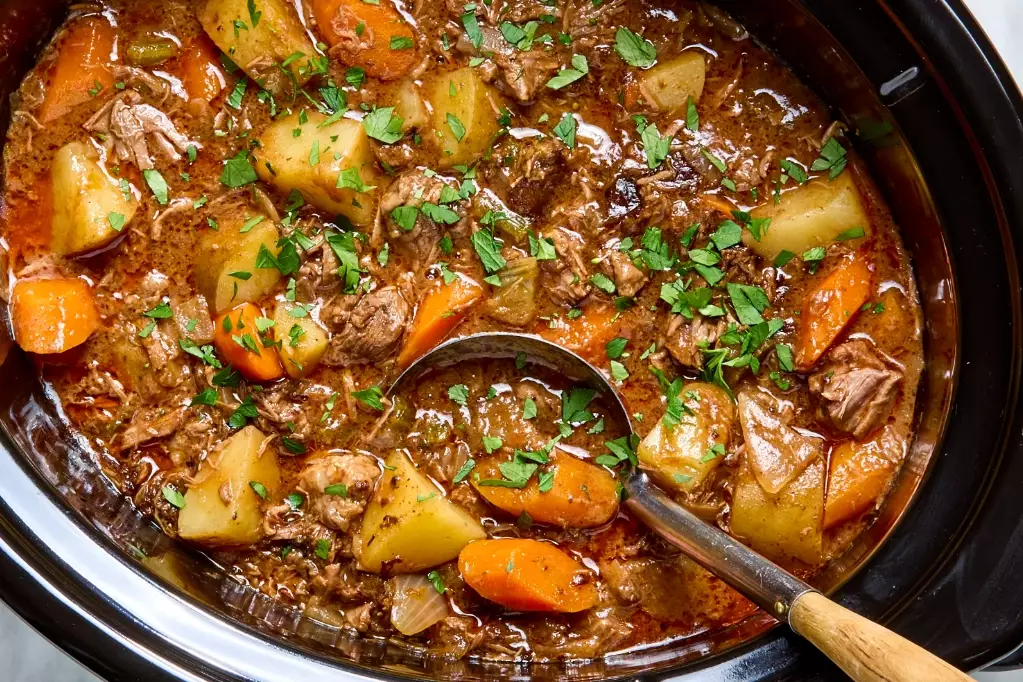
I learned this the hard way. My first attempts yielded bland, watery stew with chewy beef. It was edible, but disappointing. After years of tweaking (and eating a lot of stew), I landed on this formula. It works every single time.
What You'll Find in This Stew Guide
Why This Slow Cooker Beef Stew Recipe Works
Most recipes fail because they treat the slow cooker like a flavor blender. You throw everything in, and hope for the best. This method is different. It respects the physics of cooking.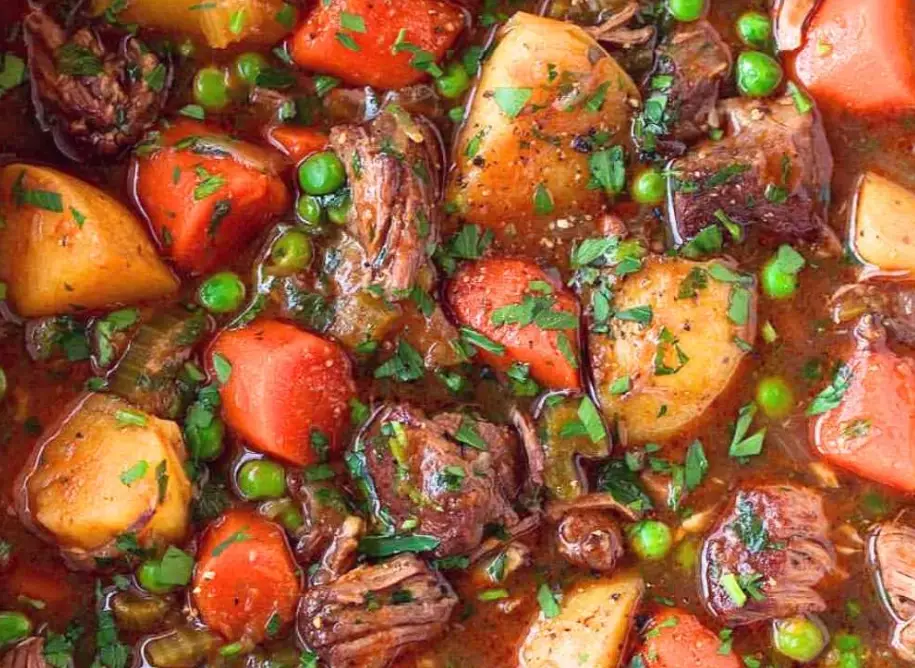
The 'Secret' Step Most Recipes Skip (But You Shouldn't)
Browning the beef. I know, I know. The whole point of a crockpot is convenience. But hear me out. That brown crust on the meat (chefs call it the Maillard reaction) creates hundreds of new flavor compounds. It's the difference between boiled beef and braised beef. It takes one extra pan and 10 minutes. It's non-negotiable for the best flavor.
Another thing? Deglazing that pan with your cooking liquid. Those browned bits stuck to the bottom are pure flavor. Pouring your broth or wine over them and scraping them up is like adding a free flavor bomb to your stew.
Step-by-Step Recipe Instructions
Here's your roadmap to stew success. Read through it once before you start.
Prep Time: 25 minutes | Cook Time: 8 hours on LOW or 4-5 hours on HIGH | Serves: 6-8
Ingredients You'll Need
- Beef: 3 pounds chuck roast, cut into 1.5-inch cubes (see below for why chuck is king)
- Veggies: 1 large yellow onion (chopped), 4 cloves garlic (minced), 4 large carrots (cut into 1-inch chunks), 1.5 pounds Yukon Gold potatoes (cut into 1.5-inch chunks), 8 oz mushrooms (halved)
- Liquid & Flavor Base: 3 cups beef broth (low sodium), 1 cup dry red wine (like Cabernet Sauvignon), 2 tbsp tomato paste, 2 tbsp Worcestershire sauce
- Herbs & Thickener: 2 bay leaves, 1 tsp dried thyme, 1/3 cup all-purpose flour, 1 tbsp olive oil
- Finishing Touch: 1 cup frozen peas, salt and black pepper to taste
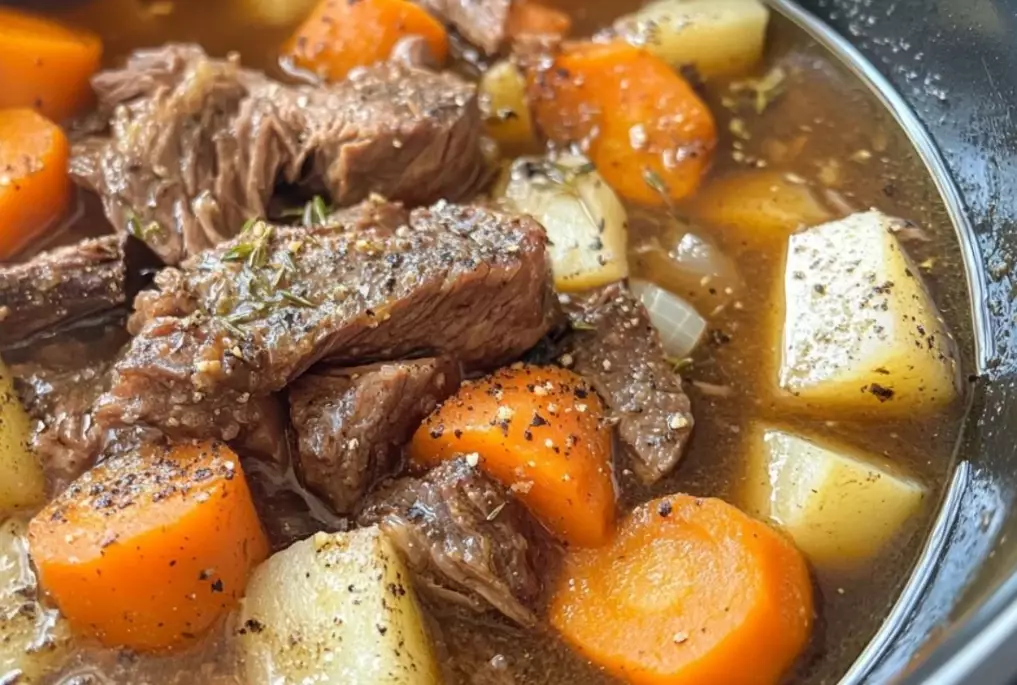
The Method
- Brown the Beef: Pat the beef cubes completely dry with paper towels. Season generously with salt and pepper. Toss with the 1/3 cup flour until evenly coated. Heat oil in a large skillet or Dutch oven over medium-high heat. Working in batches, brown the beef on all sides. Don't rush this. Good color equals good flavor. Transfer the browned beef to your slow cooker.
- Build the Base: In the same skillet (don't wash it!), add the chopped onion. Cook for 3-4 minutes until softened. Add the garlic and tomato paste, cooking for another minute until fragrant. Pour in the red wine and beef broth. Use a wooden spoon to scrape up all those delicious browned bits from the bottom of the pan. This is deglazing. Let it simmer for a minute, then pour this entire mixture over the beef in the slow cooker.
- Add the Remaining Ingredients: To the slow cooker, add the carrots, potatoes, mushrooms, Worcestershire sauce, thyme, and bay leaves. Gently stir to combine everything.
- Slow Cook: Cover and cook on LOW for 7-8 hours or on HIGH for 4-5 hours. The stew is done when the beef is fork-tender and easily shreds.
- Finish and Serve: In the last 30 minutes of cooking, stir in the frozen peas. Once done, taste and adjust seasoning with more salt and pepper if needed. Remove the bay leaves. For a thicker gravy, you can make a quick slurry: mix 2 tbsp cornstarch with 2 tbsp cold water, stir into the stew, and let it cook on HIGH for an additional 15-20 minutes.
How to Choose the Best Beef for Stew?
This is where many go wrong. You want a cut with lots of connective tissue and marbling. As it cooks low and slow, that collagen melts into gelatin, making the meat incredibly tender and enriching the gravy. Lean cuts like sirloin will just become dry and tough.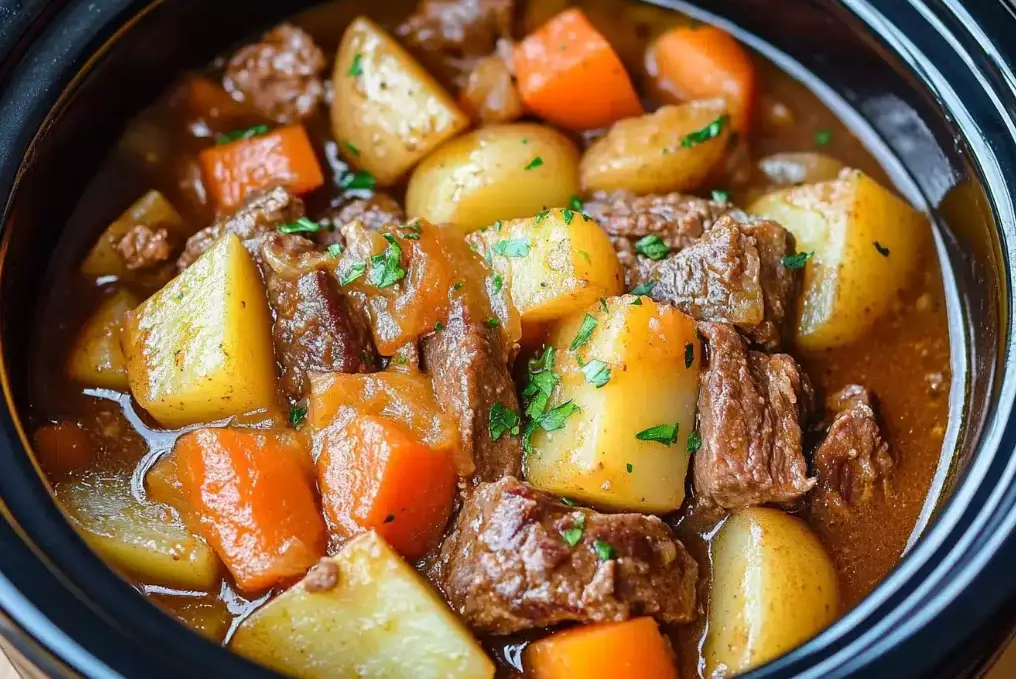
| Cut of Beef | Best For Stew? | Why |
|---|---|---|
| Chuck Roast/Shoulder | YES - The Gold Standard | Perfect balance of fat and connective tissue. Becomes succulent and shreddable. |
| Brisket | Yes, but... | Very flavorful, but can be leaner. May require longer cooking to become tender. |
| Round or Rump Roast | Not Ideal | Too lean. Will likely become dry and chewy with long cooking. |
| Stew Meat (pre-cut) | Proceed with Caution | Often a mystery mix of trimmings. It can work, but quality and tenderness are inconsistent. |
My unequivocal recommendation: buy a whole chuck roast and cut it yourself. Pre-cut "stew meat" is frequently uneven and can include pieces from leaner cuts. Cutting it yourself ensures uniform size (for even cooking) and guarantees you're getting the right cut.
Common Slow Cooker Beef Stew Problems (And How to Fix Them)
Let's troubleshoot before you even have an issue.
Problem: The stew is too watery.
Fix: You have options. The easiest is the cornstarch slurry mentioned in the recipe. Alternatively, you can remove some of the cooked potatoes, mash them, and stir them back in—a natural thickener. For next time, make sure you're using the flour coating on the beef and not adding extra liquid beyond the recipe.
Problem: The vegetables are mushy or disappeared.
Fix: You added them too early. Starchy vegetables like potatoes and carrots can handle the long cook, but if you want firmer veggies (like peas, green beans, or zucchini), add them in the last 30-60 minutes of cooking. Also, ensure you're cutting them into large, hearty chunks.
Problem: The flavor is bland.
Fix: Season in layers. Salt the beef before browning. Use a flavorful liquid base (good broth is key—I swear by Better Than Bouillon paste). Don't forget the acid at the end: a splash of red wine vinegar or Worcestershire sauce just before serving can brighten everything up.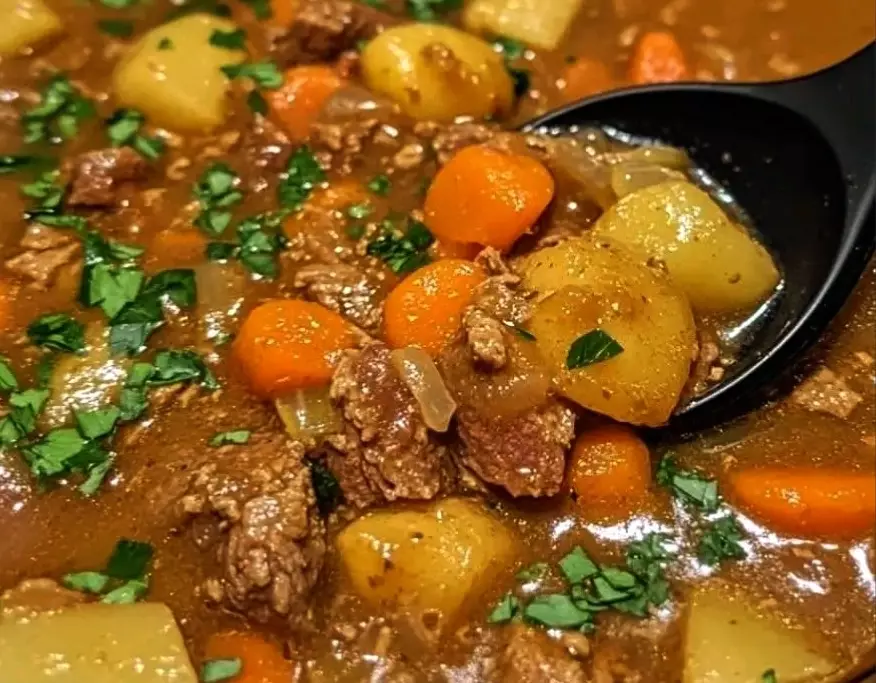
Serving Suggestions and Storage
This stew is a meal in a bowl, but it loves company. Serve it with a thick slice of crusty bread for dunking, or over a bed of creamy mashed potatoes for the ultimate comfort food. A simple green salad on the side cuts the richness.
Storing: Let the stew cool completely before transferring it to airtight containers. It will keep in the fridge for 3-4 days. The flavors often improve on day two.
Freezing: This stew freezes beautifully for up to 3 months. Thaw overnight in the fridge and reheat gently on the stove, adding a splash of broth if needed.
Frequently Asked Questions
Can I skip browning the beef? Doesn't it just cook in the slow cooker anyway?
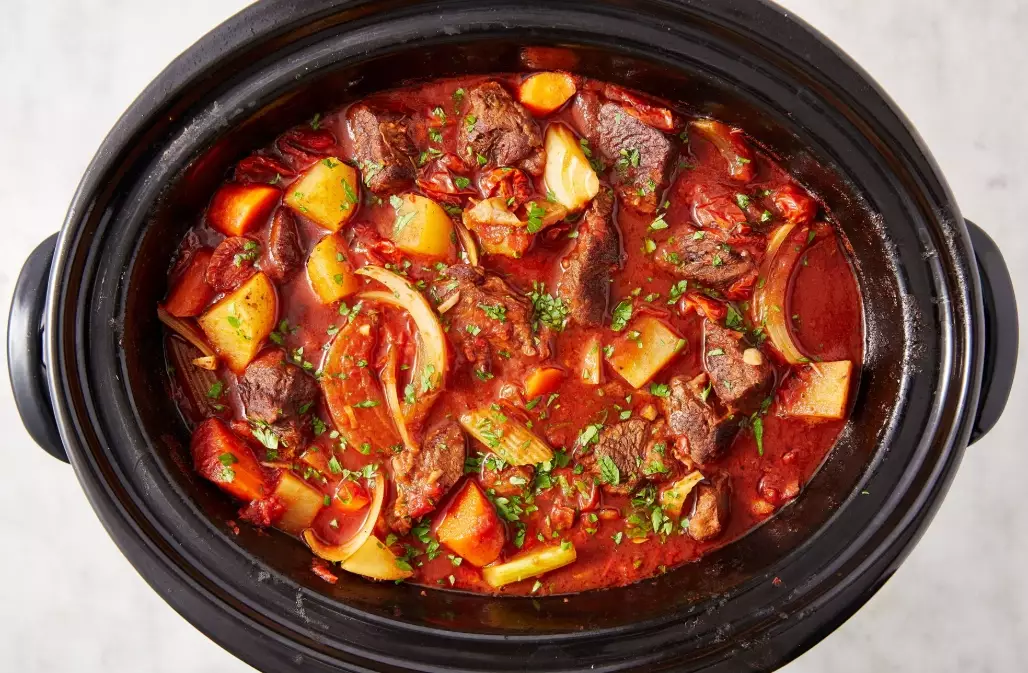 Why did my potatoes turn to mush in the slow cooker?
How long can I safely keep leftover beef stew in the refrigerator?
I don't have red wine. What's a good non-alcoholic substitute in beef stew?
Reader Comments