Let's be honest. Round steak can be a gamble. You buy it because it's affordable, but without the right treatment, it turns into shoe leather. That's where the magic of the slow cooker comes in. This Crock Pot Swiss Steak recipe isn't just another dump-and-go meal; it's a methodical transformation of a tough cut into something spectacularly tender, bathed in a savory gravy that begs to be soaked up with mashed potatoes. Forget dry, chewy results. I've made this dozens of times, tweaking it after a few disappointing early attempts, and what I'm sharing here is the foolproof version that works every single time.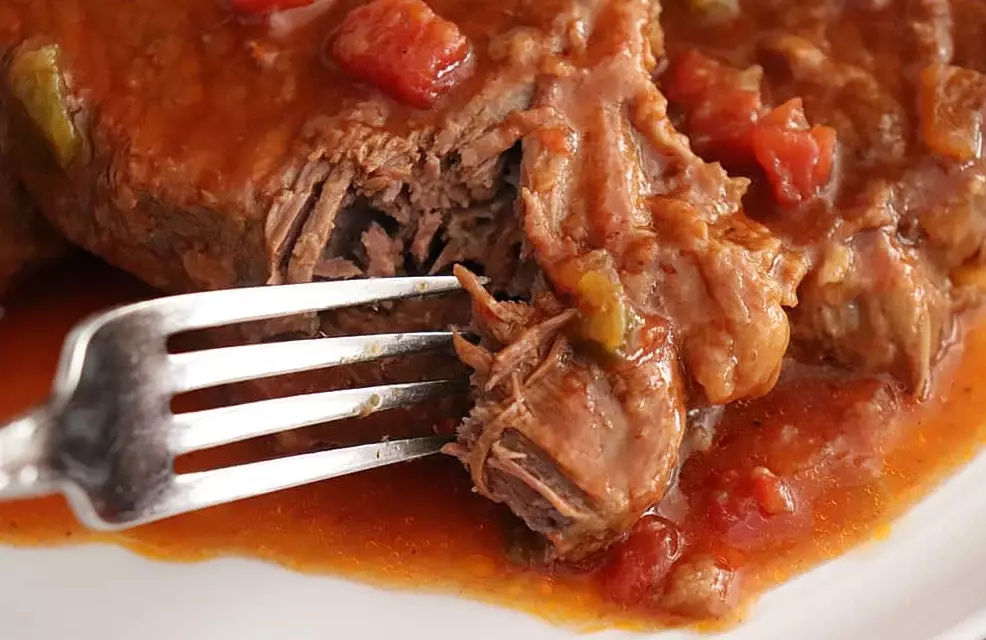
在这篇文章中
Gathering Your Swiss Steak Arsenal: What You Need
Swiss steak is more about technique than exotic ingredients. The goal is to build layers of flavor that penetrate the meat during the long, slow cook. Here’s your shopping and prep list.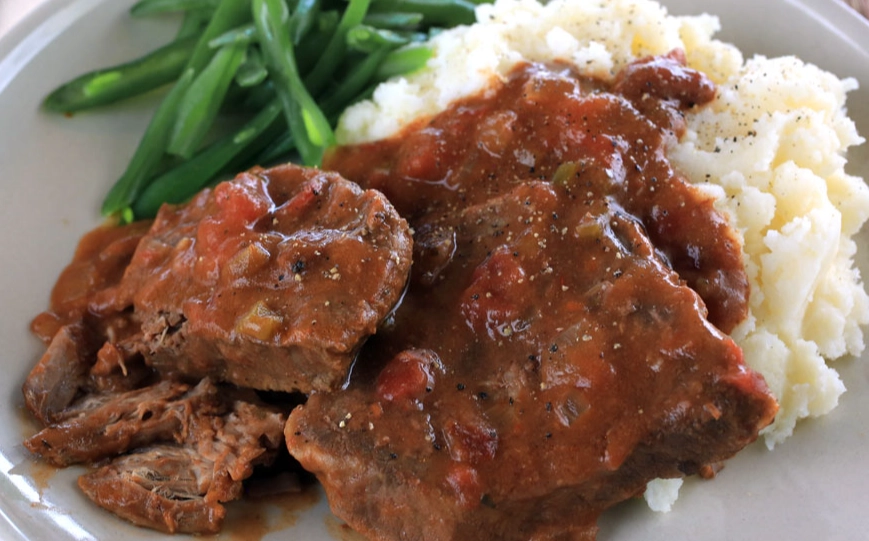
The Core Ingredients (Serves 4-6)
The Steak: 2 to 2.5 pounds of bottom round steak or top round steak, about 3/4 inch thick. Don't get chuck roast here—you want a defined steak you can tenderize. I find bottom round has slightly better marbling for the slow cooker.
The Coating & Sear: 1/2 cup all-purpose flour, 2 teaspoons paprika (smoked paprika is a game-changer), 1 teaspoon garlic powder, 1 teaspoon onion powder, 1/2 teaspoon black pepper, 1 teaspoon salt. 2-3 tablespoons of a high-smoke-point oil (like canola or avocado oil) for searing.
The Braising Liquid & Veggies: 1 large yellow onion, sliced into half-moons. 2-3 cloves garlic, minced. 1 green bell pepper, sliced (optional, but classic). 1 (14.5 oz) can of diced tomatoes, undrained. 1 (8 oz) can of tomato sauce. 1 tablespoon Worcestershire sauce. 1 cup beef broth (low-sodium recommended). 1 teaspoon dried thyme. 2 bay leaves.
Equipment is simple: your trusty 6-quart or larger slow cooker, a large skillet, a meat mallet (or a heavy pan), and some tongs.
The Step-by-Step Guide to Perfect Slow Cooker Swiss Steak
This process has three critical phases: prepping the meat, building a flavor base, and the patient slow cook. Skipping a phase is where most recipes fail.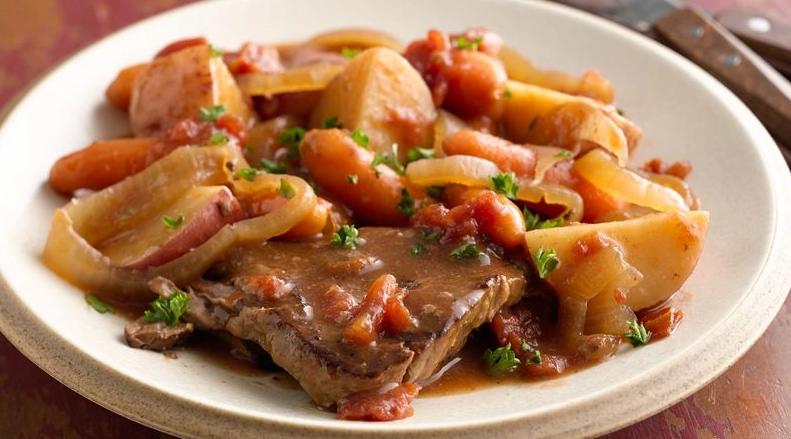
Phase 1: The Meat Prep (Non-Negotiable)
Pat your round steaks completely dry with paper towels. This is crucial for the flour to stick and for a proper sear. If your steak is in one large piece, cut it into 4-6 serving-sized portions.
Now, the tenderizing. Place a piece of steak between two sheets of plastic wrap or inside a large zip-top bag. Using the spiky side of a meat mallet, pound it evenly to about 1/2-inch thickness. No mallet? The bottom of a heavy skillet works. You're not pulverizing it, just breaking down those tough muscle fibers. This step is what makes "Swiss" steak Swiss steak—it's a mechanical tenderizing method.
Phase 2: The Flavor Foundation
Mix the flour, paprika, garlic powder, onion powder, salt, and pepper in a shallow dish. Dredge each pounded steak piece thoroughly in the mixture, shaking off the excess. This flour layer will not only help with searing but will also thicken the gravy as it cooks.
Heat the oil in your skillet over medium-high heat. Once hot, sear the steaks for 2-3 minutes per side, until a nice brown crust forms. Don't crowd the pan; do it in batches. This Maillard reaction isn't just for looks—it adds a deep, complex flavor base that you can't get from just tossing raw meat into the pot. Transfer the seared steaks to the slow cooker.
Phase 3: The Slow Cooker Assembly & Cook
In the same skillet (with all those delicious browned bits), add a touch more oil if needed and sauté the onions and bell pepper for 4-5 minutes until softened. Add the garlic and cook for another 30 seconds. Pour in about 1/4 cup of the beef broth to deglaze the pan, scraping up all the flavorful bits. This liquid gold goes straight into the slow cooker.
Arrange the seared steaks in the slow cooker. Pour over the diced tomatoes, tomato sauce, Worcestershire sauce, the remaining beef broth, thyme, and bay leaves. Gently stir the liquid around the steaks.
Cook time: Cover and cook on LOW for 7-8 hours or on HIGH for 4-5 hours. Low and slow is always my recommendation for the most tender, shreddable result. The steak is done when it easily pulls apart with a fork.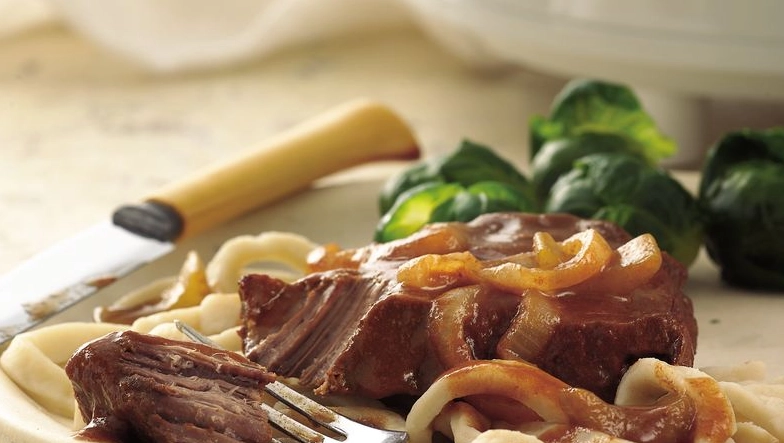
Pro Tips & Common Pitfalls (From My Kitchen to Yours)
My Top 3 Insights You Won't Find Everywhere
1. The Flour Mistake: Don't just use plain flour for dredging. The spice blend mixed into the flour seasons the meat directly and creates a more flavorful gravy base. That paprika isn't just for color.
2. The Liquid Ratio Secret: If your gravy looks too thin after cooking, don't just add more flour. Mix 2 tablespoons of cornstarch with 3 tablespoons of cold water into a slurry. Stir this into the hot liquid in the slow cooker, set it to HIGH, and let it cook uncovered for 15-20 minutes. It thickens perfectly without risk of lumps.
3. The "Tough Meat" Salvage: If you check the steak and it's still tough, it hasn't cooked long enough. Round steak has a lot of collagen that needs time to melt. Don't panic. Just give it another hour on LOW. Adding acid (like a splash of red wine vinegar) can help, but time is the real solution.
Avoid adding potatoes or carrots at the beginning if you want them to hold shape. Add them in the last 2-3 hours of cooking on LOW. Fresh herbs like parsley should be stirred in right at the end.
Serving, Storing, and Making It Your Own
When it's done, remove the bay leaves. The steak should be fall-apart tender. Serve it generously ladled over: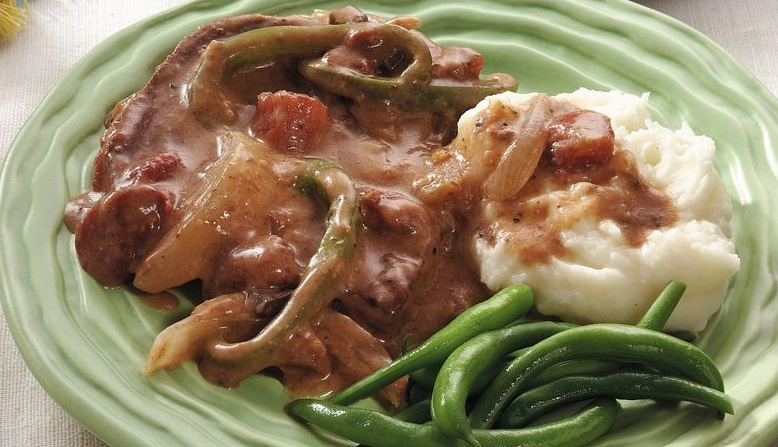
- Buttery mashed potatoes (the classic choice)
- Egg noodles or wide pappardelle
- Creamy polenta
- Even a simple bed of rice to soak up the gravy
Store leftovers in an airtight container in the fridge for up to 4 days. The flavors often meld and improve the next day. You can also freeze it for up to 3 months. Thaw overnight in the fridge and reheat gently on the stove or in the microwave.
Feel free to customize: add sliced mushrooms with the onions, use fire-roasted diced tomatoes, or swap the thyme for Italian seasoning. It's a forgiving recipe.
Your Swiss Steak Questions, Answered
 What's the best cut of meat to use if I can't find round steak?
Reader Comments