Quick Navigation
- The Core of a Truly Simple Chicken Stew Recipe
- The Step-by-Step: How to Make This Easy Chicken Stew
- Making It Yours: Variations on the Basic Recipe
- Choosing Your Chicken: A Quick Guide
- Answering Your Chicken Stew Questions (FAQs)
- Common Pitfalls and How to Avoid Them
- Serving Ideas and What to Do With Leftovers
- The Final Simmer: Why This Recipe Works
Let's be honest. You search for a simple chicken stew recipe because you want comfort food without the hassle. You don't want to juggle fifteen pans or source weird ingredients. You want something warm, filling, and forgiving. A meal that feels like a hug. That's exactly what this is.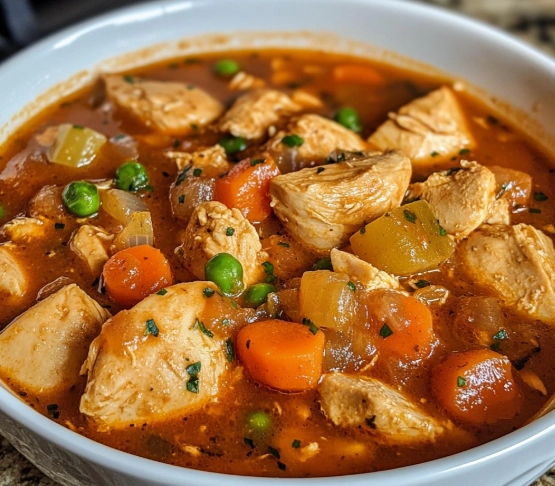
I've messed up plenty of stews in my time. Too watery. Bland chicken. Mushy vegetables. It took me a while to figure out the balance. This recipe is the result of all those trials. It's not fancy, but it's reliable. It's the one I make on a busy Tuesday when I need dinner to just work.
The Core of a Truly Simple Chicken Stew Recipe
Every great stew starts with understanding the basics. It's not magic; it's just a good method. We're going to use a one-pot approach because washing extra dishes is nobody's idea of a good time. The goal is tender chicken, soft vegetables, and a rich, savory broth that's not too thick, not too thin.
You'll need a large, heavy-bottomed pot or Dutch oven. This is key for even cooking and preventing burns. A thin pot will let you down here.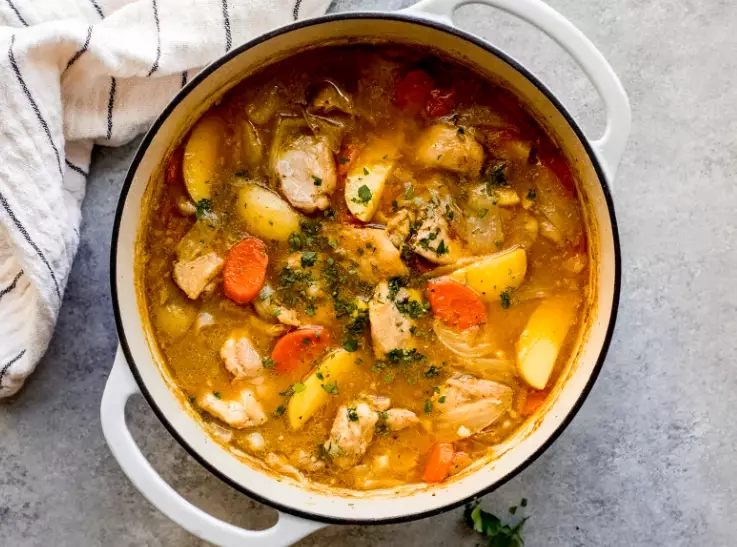
What You'll Need: The Ingredients Breakdown
Here's the shopping list. Nothing out of the ordinary, I promise.
- Chicken: 2 lbs of boneless, skinless chicken thighs. Yes, thighs. Breast meat dries out too easily in a long cook. Thighs stay juicy and flavorful. It's the single best tip for a foolproof simple chicken stew recipe.
- Veggies: The classic trio: 1 large onion, 3-4 carrots, 3-4 celery stalks. Also, 2-3 cloves of garlic.
- Potatoes: About 1.5 lbs of Yukon Gold or red potatoes. They hold their shape better than russets.
- Liquid: 4 cups of low-sodium chicken broth. Using low-sodium lets you control the salt. You can also use a mix of broth and a splash of dry white wine if you have it (add it after browning the chicken to deglaze the pot).
- Flavor Boosters: 2 tablespoons of tomato paste, 1 teaspoon of dried thyme (or a few fresh sprigs), 2 bay leaves, salt, and black pepper.
- Thickener: 3 tablespoons of all-purpose flour. This will give the stew body.
- Fat: 2 tablespoons of olive oil or butter for browning.
The Step-by-Step: How to Make This Easy Chicken Stew
Ready? Let's cook. This isn't a race. Give yourself about 15 minutes of active prep and 45 minutes of mostly hands-off simmering.
Step 1: Prep and Brown. Pat your chicken thighs dry with a paper towel. This is crucial for getting a good sear. Cut them into large, bite-sized chunks. Season generously with salt and pepper. Heat the oil in your big pot over medium-high heat. Add the chicken in a single layer (you might need to do this in two batches to avoid crowding). Let it sit and get a good brown crust on one side before turning. This takes about 3-4 minutes per side. Don't stir it around constantly. Remove the browned chicken to a plate.
Step 2: Build the Base. In the same pot, with all those delicious browned bits, add your chopped onion, carrots, and celery. Cook for 5-7 minutes until they start to soften. Add the garlic and tomato paste, stirring for another minute until fragrant. Sprinkle the flour over the vegetables and stir for another minute. This cooks the raw flour taste out and will thicken your stew later.
Step 3: Simmer to Perfection. Slowly pour in the chicken broth while scraping the bottom of the pot with a wooden spoon. All those flavorful bits will dissolve into the liquid. Add the thyme and bay leaves. Bring it to a gentle boil, then reduce the heat to a low simmer. Return the chicken (and any juices from the plate) to the pot. Add the chopped potatoes. Cover the pot, leaving the lid slightly ajar, and let it simmer gently for 30 minutes.
Step 4: Final Adjustments. After 30 minutes, check the potatoes and carrots with a fork. They should be tender. The chicken will be fall-apart tender. Taste the broth. This is where you adjust. Does it need more salt? A few grinds of black pepper? Remove the bay leaves. If the stew is too thin for your liking, you can mix a tablespoon of cornstarch with two tablespoons of cold water and stir it in, letting it simmer for another 2-3 minutes to thicken.
Making It Yours: Variations on the Basic Recipe
The beauty of this simple chicken stew recipe is its flexibility. Stuck inside? Want to use your slow cooker? Need a creamy version? Here you go.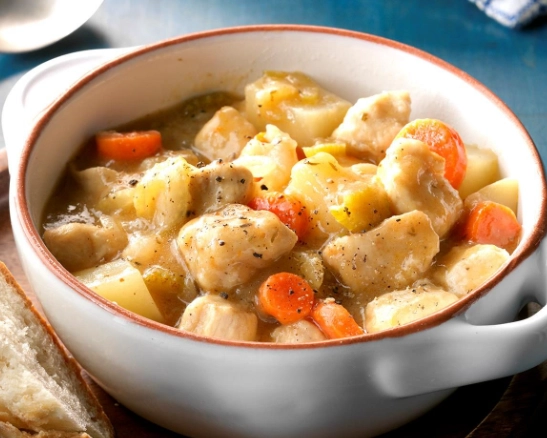
Slow Cooker Chicken Stew Recipe
This is the ultimate hands-off method. I love it for days I'm working from home.
Follow steps 1 and 2 on the stovetop to brown the chicken and cook the veggies/flour. This step is important for flavor—don't just dump everything raw into the slow cooker. Transfer the browned chicken and veggie mixture to your slow cooker. Add the potatoes, broth, and herbs. Stir. Cook on LOW for 6-7 hours or HIGH for 3-4 hours. The chicken will be incredibly tender.
Adding a Creamy Twist
For a richer, creamier stew, stir in 1/2 cup of heavy cream or full-fat coconut milk during the last 5 minutes of cooking. Don't boil it after adding the cream, just warm it through. It adds a lovely velvety texture.
Herb Swaps and Add-Ins
Don't have thyme? Try rosemary (use less, it's potent) or tarragon. Fresh parsley stirred in at the end is always a winner. For extra veggies, toss in a cup of frozen peas or corn right at the end of cooking. They just need to heat through.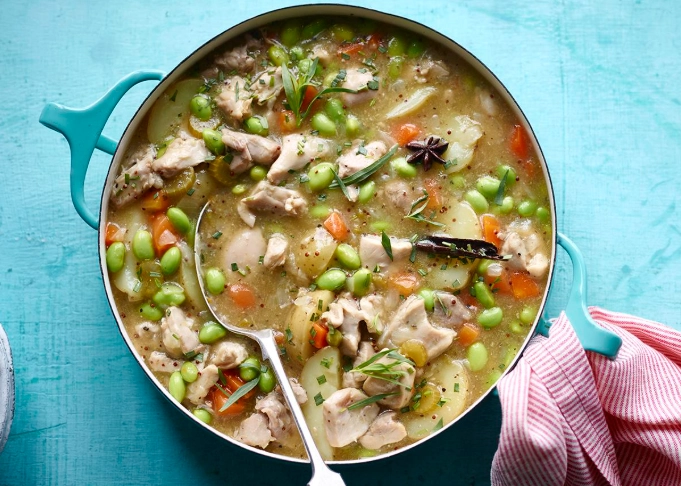
Choosing Your Chicken: A Quick Guide
Not all chicken is created equal, especially for stew. Here's a simple breakdown to help you decide.
| Cut of Chicken | Best For Stew? | Why? | Cook Time Note |
|---|---|---|---|
| Boneless, Skinless Thighs | Top Choice | High fat content, stays juicy and flavorful during long cooking. Forgiving. | 30-40 min simmer is perfect. |
| Bone-In, Skin-On Thighs | Excellent (more flavor) | Bones and skin add incredible depth to the broth. Remove skin before eating. | May need 45-50 min. Remove meat from bones before serving. |
| Boneless, Skinless Breast | Not Recommended | Very lean, tends to become dry, stringy, and tough with prolonged simmering. | If you must, add in the last 15-20 min only. |
| Whole Chicken, Cut Up | Good (traditional) | Gives a mix of white and dark meat. Great flavor from bones. | Longer cook time (~1 hr). Need to debone before serving. |
For reliable food safety information on handling and cooking poultry, I always double-check guidelines from authoritative sources like the USDA's Food Safety and Inspection Service. It's a good habit.
Answering Your Chicken Stew Questions (FAQs)
Over the years, I've gotten the same questions from friends and family. Here are the answers I wish I had when I started.
Three likely culprits: 1) Not enough salt. Salt brings out the natural flavors of the ingredients. Season in layers—on the chicken, in the veggies, and at the end. 2) Didn't brown the chicken properly. That Maillard reaction (the browning) is non-negotiable for flavor. 3) Using water instead of broth, or a very weak broth. Your liquid is the base of the entire dish. Use a good-quality, low-sodium chicken broth.
Absolutely! In fact, stews often taste better the next day after the flavors have melded. Let it cool completely, then store it in an airtight container in the fridge for up to 3-4 days. Reheat gently on the stovetop over low heat, adding a splash of broth or water if it's thickened up too much.
If you're at the end of cooking and it's too thin, here are two fixes: 1) Slurry: Mix 1 tbsp cornstarch with 2 tbsp cold water until smooth. Stir into the simmering stew and cook for 2-3 minutes until thickened. 2) Mash: Use a fork or potato masher to gently mash some of the potatoes against the side of the pot. They will release starch and thicken the broth naturally.
Stew freezes beautifully. Cool it completely first. Portion it into freezer-safe containers or heavy-duty bags, leaving some space for expansion. It will keep for 2-3 months. Thaw overnight in the fridge before reheating. Note: Potatoes can sometimes become a bit grainy after freezing, but the flavor is still great.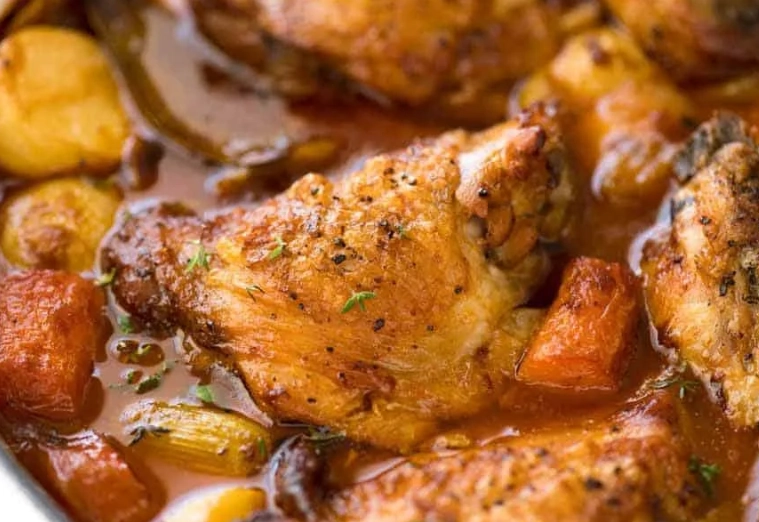
For more science-backed cooking techniques that explain the *why* behind steps like browning and deglazing, resources from reputable culinary science outlets like Serious Eats can be incredibly enlightening. They dive deep into the chemistry, which helps you become a more intuitive cook.
Common Pitfalls and How to Avoid Them
Let's learn from my mistakes so you don't have to make them.
- Overcrowding the Pot When Browning: This steams the chicken instead of searing it. You get pale, soggy meat and no fond. Do it in batches. It's worth the extra few minutes.
- Boiling Instead of Simmering: A violent boil will make your chicken tough and your vegetables disintegrate. After you add the broth and return everything to the pot, get it to a boil, then immediately reduce the heat to the lowest setting that maintains a few gentle bubbles.
- Using Chicken Breast: I know it's popular, but it's really not the right cut for a long-cooked stew. It lacks the connective tissue and fat of thighs. The result is almost always dry. Trust me on the thighs.
- Adding Dairy Too Early: If you're adding cream, sour cream, or milk, do it at the very end, off the heat or on very low heat. Boiling can cause it to curdle or separate.
Sometimes I wonder why so many "easy" recipes online skip these crucial details. Getting them right is what transforms a mediocre stew into a great one.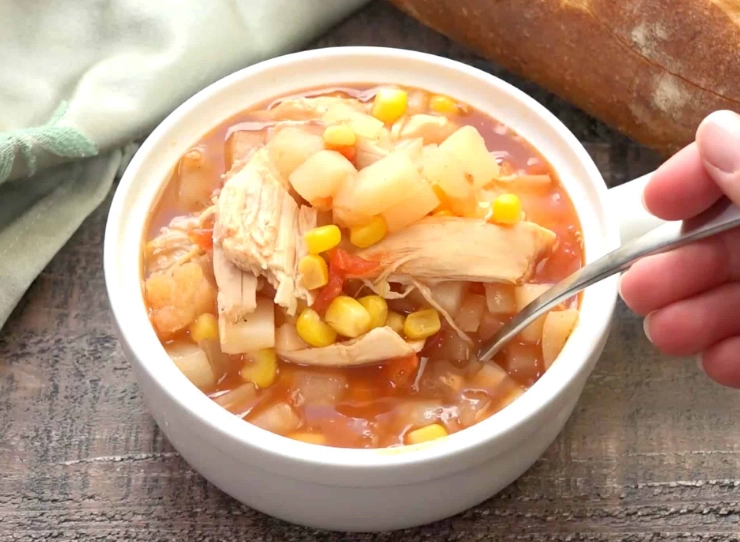
Serving Ideas and What to Do With Leftovers
This stew is a complete meal in a bowl, but it plays well with others.
Classic Pairings: A thick slice of crusty, buttered bread or a warm, flaky biscuit is perfect for sopping up the broth. A simple green salad with a sharp vinaigrette cuts through the richness nicely.
Leftover Magic: Don't let it go to waste! Day-two stew can be repurposed brilliantly. Shred any larger chicken pieces. You can: 1) Spoon it over a baked potato or a pile of egg noodles. 2) Use it as a filling for a pot pie (just top with puff pastry and bake). 3) Simmer it down slightly to thicken and use it as a hearty filling for savory hand pies or turnovers.
The Final Simmer: Why This Recipe Works
At its heart, this simple chicken stew recipe works because it respects the process without overcomplicating it. It focuses on technique (browning, layering flavors, gentle simmering) rather than a laundry list of exotic ingredients. It's designed to be forgiving and adaptable.
It uses affordable, easy-to-find ingredients to create something genuinely nourishing. It feeds a family, provides great leftovers, and fills your kitchen with an aroma that feels like home. Whether you follow it to the letter on the stovetop or adapt it for your slow cooker, the core principles will guide you to a pot of comfort.
So, grab your pot, some chicken thighs, and those basic veggies. Give it a try. Taste as you go. Make it your own. That's really what home cooking is all about.
And remember, for nutritional information or specific dietary concerns, consulting a trusted resource like the USDA's FoodData Central can help you analyze the recipe based on the exact brands and quantities you use. It's a powerful tool for mindful eating.
Reader Comments