Your Flavor Journey
- Why This Combo is a Weeknight Winner (And Where Others Go Wrong)
- The Beef: Picking the Right Star for Your Slow Cooker Show
- The Red Wine: Your Flavor Catalyst (No Fancy Bottles Needed)
- The Step-by-Step: From Fridge to Fall-Apart Tenderness
- Your Red Wine Beef Tips Slow Cooker Troubleshooting Guide
- Answering Your Burning Questions (The FAQ)
- Taking Your Red Wine Beef Tips to the Next Level
Let's be real for a second. You're probably here because you've seen those pictures online—deep, rich, glossy beef tips nestled in a sauce that looks like liquid velvet, promising a meal that's both fancy and fuss-free. You want that. I wanted that too. The first time I tried making red wine beef tips in my slow cooker, let's just say the results were... educational. The meat was chewy, the sauce was thin and bitter, and my dreams of an easy gourmet dinner were dashed.
But after more experiments than I'd like to admit (and some stubborn refusal to order takeout), I cracked the code. This isn't just another recipe. It's a full breakdown of how to transform affordable beef into a melt-in-your-mouth masterpiece with your slow cooker doing most of the work. We're talking deep flavor, zero stress, and a meal that makes you look like a kitchen hero.
Why This Combo is a Weeknight Winner (And Where Others Go Wrong)
What's the big deal about a red wine beef tips slow cooker recipe? It solves several dinner dilemmas at once. You get the deep, complex taste of a braised dish that usually needs hours of babysitting on the stove, but with the set-it-and-forget-it magic of your countertop appliance. It's economical, turning a less expensive cut of beef into something luxurious. And it's versatile—serve it over mashed potatoes, egg noodles, rice, or polenta, and you've got a complete, comforting meal.
The problem with most recipes? They skip the why. They'll tell you to dump everything in the pot, but they won't tell you that not searing the beef first is why your sauce tastes flat. Or that using the wrong cut of beef is why your tips are tough, not tender. Or that the type of red wine you grab matters way more than you think.
I learned these lessons the hard way so you don't have to.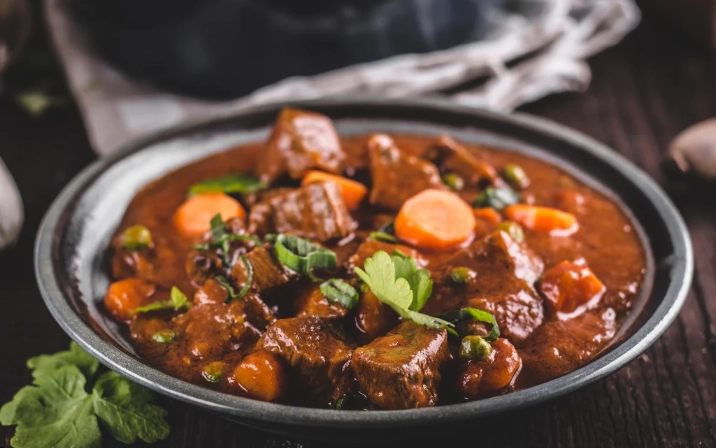
The Beef: Picking the Right Star for Your Slow Cooker Show
This is arguably the most important choice you'll make. "Beef tips" at the grocery store can be confusing—sometimes it's sirloin, sometimes it's stew meat, sometimes it's a mystery. For a slow cooker red wine beef tips dish, you need a cut with enough connective tissue and marbling to break down and become succulent over long, slow cooking.
| Beef Cut | Best For Slow Cooker? | Flavor & Texture Outcome | Price Point & Notes |
|---|---|---|---|
| Chuck Roast (cut into tips) | TOP CHOICE | Extremely flavorful, becomes fall-apart tender. High fat and collagen content melts into the sauce. | Very affordable. My go-to. Ask your butcher to cut a chuck roast into 1.5-inch cubes if you want to save time. |
| Sirloin Tips (Sirloin Steak) | Good, but not ideal | Leaner. Can become tender if not overcooked, but lacks the rich, unctuous quality of chuck. More steak-like. | Often more expensive. You risk it drying out if cooked too long. Better for quick sautés. |
| Stew Meat (pre-cut) | It depends | A gamble. Often a mix of trimmings from various cuts. Can be tough if it's from lean cuts. | Convenient, but inspect it. Look for pieces with good marbling. Avoid packs that are all lean, red meat. |
| Round or Rump Roast | Acceptable | Very lean. Can be tough if not cooked long enough, but can also become dry and stringy if overcooked. | Usually affordable. Requires careful timing. Not my first recommendation for this application. |
See the pattern? Fat and connective tissue are your friends in the slow cooker. They render down and self-baste the meat, creating that incredible mouthfeel. A lean cut will just toughen up. I made that mistake once with sirloin—eight hours later, I had little flavor-packed hockey pucks. Not great.
For a foolproof red wine beef tips slow cooker experience, go with chuck. Every single time.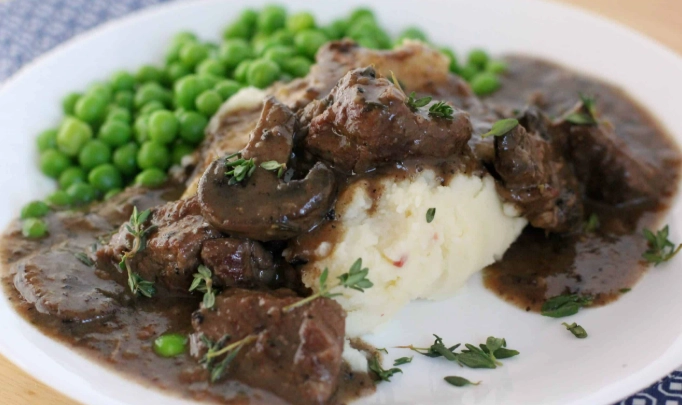
The Red Wine: Your Flavor Catalyst (No Fancy Bottles Needed)
You don't need to raid your cellar for a $50 bottle of Bordeaux. In fact, you shouldn't. But you also shouldn't use "cooking wine" from the supermarket aisle—it's loaded with salt and preservatives and tastes terrible.
The rule is simple: Cook with a wine you'd actually drink a glass of. The alcohol cooks off, but the flavor compounds intensify and concentrate. A harsh, bitter wine will make a harsh, bitter sauce.
- Cabernet Sauvignon: Bold, tannic, with dark fruit notes. It's a classic for beef and creates a robust, deeply colored sauce. This is my personal favorite for this dish.
- Merlot: Softer, fruit-forward, with plum flavors. Less tannic, so it results in a slightly smoother, rounder sauce. A very safe and excellent choice.
- Pinot Noir: Lighter bodied, earthy. It will give a more delicate, nuanced flavor. Works well if you want the beef to shine a bit more than the wine.
- Shiraz/Syrah: Peppery and jammy. Adds a nice spicy kick to the background of the sauce.
What about the rest of the bottle? Have a glass while you cook, or freeze the leftover wine in an ice cube tray for future sauces and stews. The technique of deglazing your pan with the wine after searing the beef is a chef's secret for capturing every last bit of flavor. Don't waste those browned bits!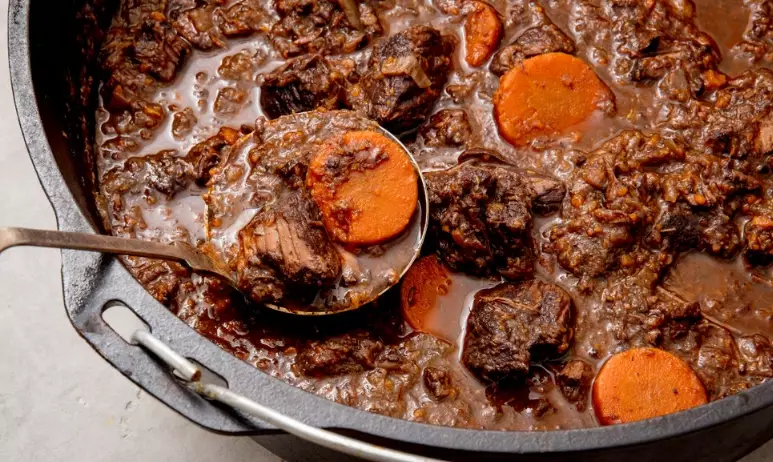
The Step-by-Step: From Fridge to Fall-Apart Tenderness
Here’s where we put it all together. This isn't a dump recipe. A few strategic steps at the beginning make a world of difference in the final product. Trust me on this.
Gathering Your Arsenal (The Ingredients)
For about 6 servings, you'll need:
- Beef: 3 pounds of beef chuck roast, cut into 1.5 to 2-inch cubes. Pat it DRY with paper towels—this is crucial for a good sear.
- Red Wine: 1.5 to 2 cups of your chosen dry red wine (like Cabernet).
- Aromatics & Veg: 1 large yellow onion (chopped), 4-5 cloves garlic (minced), 8 oz mushrooms (sliced, cremini or white).
- Liquid Foundation: 1.5 cups beef broth (low sodium is best).
- Flavor Builders: 2 tablespoons tomato paste, 2 tablespoons Worcestershire sauce, 1 tablespoon Dijon mustard.
- Herbs & Thickener: 2-3 sprigs fresh thyme (or 1 tsp dried), 2 bay leaves, 3 tablespoons all-purpose flour, salt and black pepper.
- Finishing Touch: 2 tablespoons of cold butter (optional, but glorious for a silky sauce).
The Cooking Process: A Timeline of Flavor
Step 1: The Sear (The Non-Negotiable 15 Minutes). Toss your dried beef cubes with salt, pepper, and the flour. The flour will help with browning and later thicken the sauce. Heat a tablespoon of oil in a large skillet over medium-high heat. Don't crowd the pan—sear the beef in batches until you get a deep brown crust on at least two sides of each piece. This isn't to cook the meat through, just to build flavor. Transfer the seared beef to your slow cooker.
Step 2: The Flavor Base. In the same skillet (with all those glorious browned bits), add a bit more oil if needed and sauté the onions and mushrooms until softened and starting to brown, about 5-7 minutes. Add the garlic and tomato paste and cook for another minute until fragrant. Now, pour in about 1 cup of the red wine to deglaze the pan. Scrape up all those stuck-on bits with a wooden spoon—that's pure flavor gold. Let it simmer for a minute, then pour this entire mixture over the beef in the slow cooker.
Step 3: The Slow Cooker Assembly. To the slow cooker, add the remaining red wine, beef broth, Worcestershire sauce, Dijon mustard, thyme, and bay leaves. Gently stir to combine everything, ensuring the beef is mostly submerged.
Step 4: The Long Wait. Cover and cook on LOW for 7-8 hours or on HIGH for 4-5 hours. LOW is always better for tough cuts like chuck. It gives the connective tissue more time to gently dissolve into gelatin, which is what gives you that succulent, tender bite and thickens the sauce naturally.
Can you smell it yet? That's patience paying off.
Step 5: The Finish. Once the beef is fork-tender, you have options. If your sauce is too thin, you can make a slurry of 1-2 tablespoons of cornstarch mixed with a few tablespoons of cold water. Stir it into the slow cooker, set it to HIGH, and let it cook uncovered for 20-30 minutes until thickened. For a restaurant-quality, glossy finish, turn off the heat and stir in 2 tablespoons of cold butter until it melts into the sauce. This step (called "monter au beurre") adds a beautiful sheen and a rich, rounded flavor. Don't forget to remove the bay leaves and thyme sprigs!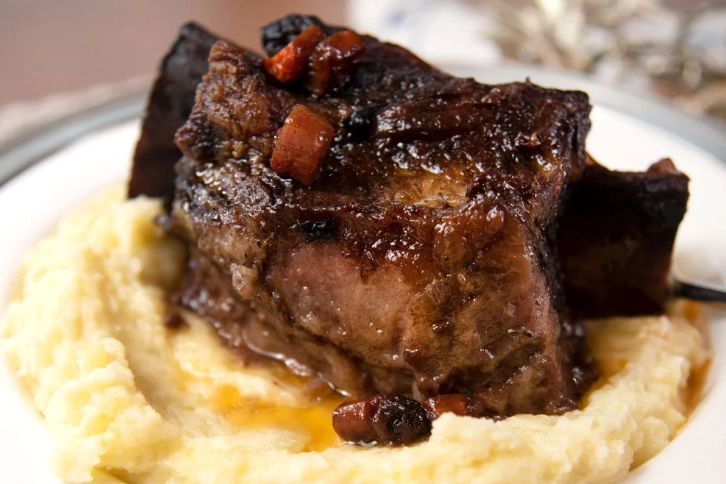
Your Red Wine Beef Tips Slow Cooker Troubleshooting Guide
Things don't always go perfectly. Here’s how to fix common issues based on my own kitchen blunders.
The Sauce is Too Thin
This is the most common issue. First, if you have time, remove the beef tips with a slotted spoon, set the slow cooker to HIGH, and let the sauce reduce uncovered for 30-45 minutes. If you're in a hurry, use the cornstarch slurry method mentioned above. Remember, the flour from the initial coating will have thickened it somewhat, but extra liquid from the mushrooms and onions can thin it out.
The Sauce is Too Thick
Easy fix. Just stir in a splash of beef broth, water, or even a bit more red wine until it reaches your desired consistency. Heat through for a few minutes.
The Beef is Still Tough
It hasn't cooked long enough. Chuck roast is a stubborn cut. Put the lid back on and give it another 30-60 minutes on LOW. Check for tenderness. True slow-cooked beef should offer almost no resistance when pierced with a fork.
The Beef is Dry or Stringy
Unfortunately, this usually means it's overcooked, or you used a very lean cut. With chuck, it's hard to truly "overcook" to dryness in a wet braise, but it can happen if cooked for an extremely long time (like 12+ hours). If it's dry, you likely used sirloin or round. For future reference, stick to chuck. For now, serve it with plenty of that delicious sauce to help mask the texture.
The Wine Taste is Too Strong or Bitter
You might have used a very tannic wine or not cooked it down enough during deglazing. To balance it, try adding a pinch of sugar (brown sugar works well) or a tablespoon of balsamic vinegar to round out the sharp edges. A bit more Dijon or Worcestershire can also help balance bitterness.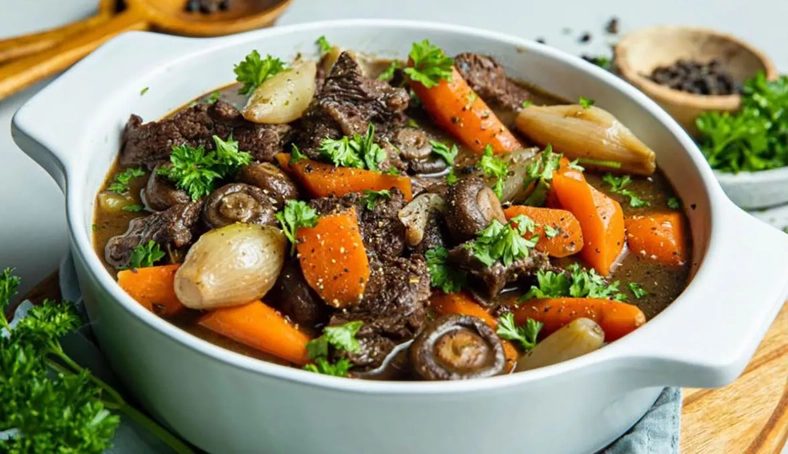
Answering Your Burning Questions (The FAQ)
Technically, yes. You'll still get an edible meal. But will it be as good? No. Not even close. Searing creates hundreds of new flavor compounds through the Maillard reaction. Skipping it is like building a house without a foundation. The flavor will be one-dimensional and lack depth. If you're absolutely pressed for time, you can skip it, but I don't recommend it. The 10-minute investment pays massive dividends.
You want something to soak up that incredible sauce. Creamy mashed potatoes (regular, Yukon gold, or even cauliflower) are the classic and for good reason. Buttered egg noodles or wide pappardelle pasta are a close second. For a healthier twist, try creamy polenta or a hearty portion of brown rice. A simple green vegetable like roasted asparagus, garlic green beans, or a crisp salad helps cut the richness.
You can, but low and slow is the mantra for tough cuts. Cooking on high (4-5 hours) will get the meat tender, but the collagen breakdown isn't as gradual or complete. The texture might be slightly less "fall-apart" and more "firm-tender." Low heat (7-8 hours) yields a more superior, melt-in-your-mouth result. If you're short on time, high will work, but plan for low if you can.
Let the red wine beef tips slow cooker meal cool, then store it in an airtight container in the fridge for up to 4 days. The flavors often meld and improve on the second day. To reheat, do so gently on the stovetop over low heat, adding a splash of broth or water if the sauce has thickened too much. You can also microwave it in a covered dish, stirring occasionally. It also freezes beautifully for up to 3 months. Thaw in the fridge overnight before reheating.
Yes, but the flavor profile will change. The best substitute is a combination of liquids to mimic the acidity and fruitiness. Try using 1.5 cups of beef broth mixed with 1 tablespoon of red wine vinegar or balsamic vinegar, and 1-2 tablespoons of grape or pomegranate juice for a hint of fruit sweetness. It won't be identical, but it will still be a tasty beef stew.
Taking Your Red Wine Beef Tips to the Next Level
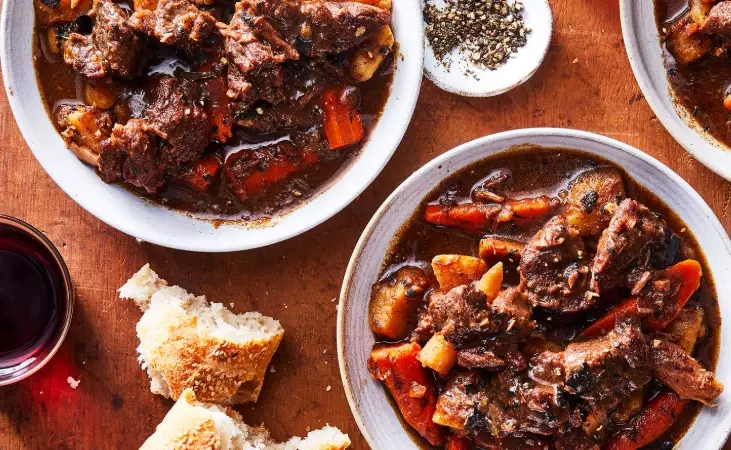
Once you've mastered the basic recipe, play around! Add 2-3 strips of chopped bacon when you sauté the onions for a smoky depth. Stir in a cup of frozen pearl onions during the last hour of cooking. For a Provençal twist, add a tablespoon of herbes de Provence with the thyme. A splash of balsamic glaze at the end can add a wonderful sweet-tart complexity.
The beauty of a slow cooker red wine beef tips recipe is its flexibility. It’s a template for comfort. It’s the answer to a busy day, a chilly evening, or the need to feed a crowd without fuss. It turns an inexpensive cut of meat into a celebration.
So grab that chuck roast, that bottle of Cabernet you've been meaning to open, and your trusty slow cooker. Don't rush the sear. Embrace the slow cook. And get ready for one of the most satisfying, flavor-packed meals your kitchen has ever produced. You've got this.
Reader Comments