Let's be honest. The idea of a crockpot chicken stew is appealing because it promises a hearty, home-cooked meal without you having to stand over a stove. You toss things in, leave for the day, and come home to perfection. But how often does that actually happen? Sometimes it's bland. Sometimes the chicken is dry. Sometimes the vegetables turn to mush.crockpot chicken stew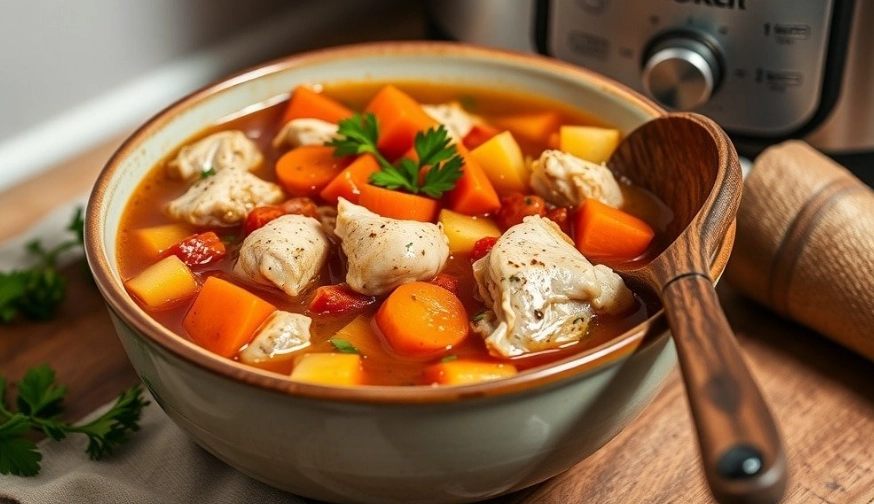
I've been there. After a decade of tweaking and testing, I've cracked the code. This isn't just another dump-and-go recipe. It's a blueprint for a stew with deep, layered flavor, chicken that falls apart tenderly, and vegetables that hold their texture. It's the difference between a mediocre meal and the kind of stew people ask you to make again.
Your Stew Roadmap
What Makes This Crockpot Chicken Stew So Good?
Most recipes stop at "combine ingredients." That's why they taste flat. This method focuses on building flavor in stages, even in a slow cooker.
The Foundation is Flavor, Not Just Liquid. Instead of just pouring in broth, we use a combination of broth, a splash of dry white wine (or extra broth), and tomato paste. The tomato paste is a secret weapon—it adds a subtle sweetness and richness that thickens the broth beautifully as it cooks. The wine adds acidity that brightens all the other flavors. If you skip it, your stew will taste one-dimensional.
Chicken Thighs are Non-Negotiable. This is my hill to die on. Chicken breasts have no place in a long-cooked stew. They lack the fat and connective tissue needed to stay juicy over 6-8 hours. They will become dry and stringy. Bone-in, skin-on chicken thighs are the champion here. The bones contribute to a richer broth, and the fat renders slowly, basting the meat from within. You end up with chicken so tender you can shred it with a fork in the pot. Trust me, I learned this the hard way after several disappointing batches.
Vegetable Timing is Everything. Potatoes and carrots go in at the start because they can handle the long cook. But delicate vegetables like peas and zucchini? Adding them in the last 30 minutes preserves their color, texture, and fresh taste. It's a simple trick that elevates the whole dish from a mushy mess to a stew with distinct, enjoyable components.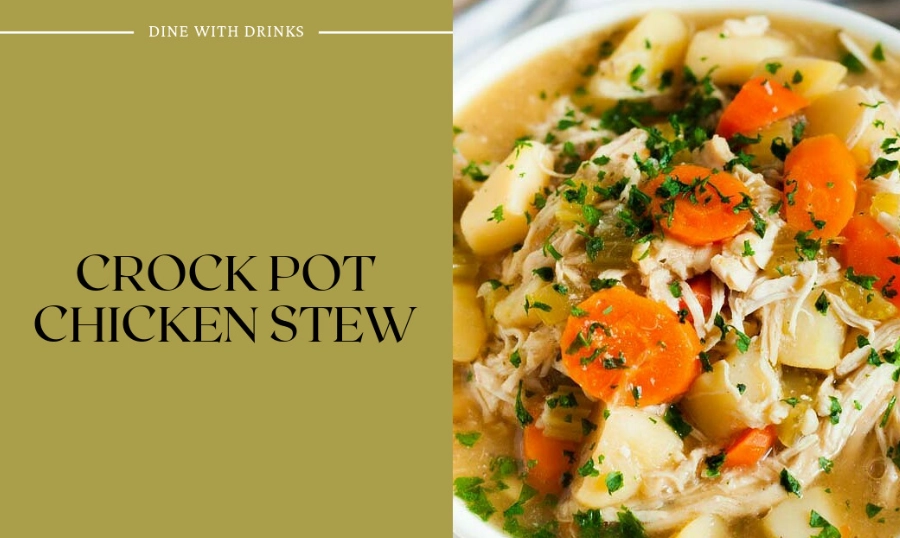
How to Make Crockpot Chicken Stew: A Step-by-Step Guide
Here’s everything you need. Don't let the list intimidate you—half of it is spices you probably own.
| Ingredient | Quantity & Notes |
|---|---|
| Bone-in, skin-on chicken thighs | 6-8 pieces (about 3 lbs). This is the key to moist meat. |
| All-purpose flour | 1/4 cup, for dredging |
| Olive oil | 2 tablespoons |
| Yellow onion, diced | 1 large |
| Garlic cloves, minced | 4-5 |
| Tomato paste | 2 tablespoons |
| Dry white wine (e.g., Sauvignon Blanc) or extra broth | 1/2 cup |
| Chicken broth (low-sodium) | 4 cups |
| Yukon Gold potatoes, cubed | 1.5 lbs |
| Carrots, sliced into 1-inch pieces | 3 large |
| Dried thyme | 1 teaspoon |
| Dried rosemary | 1/2 teaspoon, crushed |
| Bay leaf | 2 |
| Frozen peas | 1 cup |
| Zucchini, cubed (optional) | 1 medium, added at the end |
| Salt and black pepper | To taste |
| Fresh parsley, chopped (for garnish) | 1/4 cup |
The Process: It's More Than Dumping
1. Brown the Chicken. This is the single most impactful step you can take for flavor. Pat the chicken thighs dry, season with salt and pepper, and dredge lightly in flour. Heat the oil in a large skillet over medium-high heat. Brown the thighs, skin-side down first, for 4-5 minutes per side until golden. You're not cooking them through, just building a flavorful crust. Transfer them to the crockpot.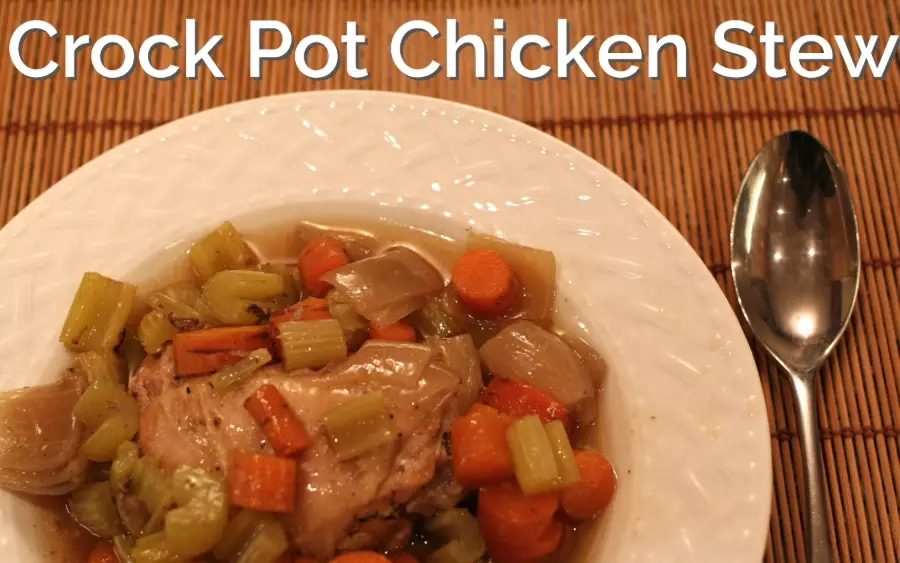
2. Sauté the Aromatics. In the same skillet with the chicken drippings, add the onion. Cook for 4-5 minutes until softened. Add the garlic and tomato paste, cooking for another minute until fragrant. Pour in the wine to deglaze the pan, scraping up all those delicious browned bits (the "fond"). Let it simmer for a minute, then pour this entire mixture over the chicken in the crockpot.
3. Layer and Cook. Add the broth, potatoes, carrots, thyme, rosemary, and bay leaves to the crockpot. The liquid should nearly cover the chicken and vegetables. Give it a gentle stir. Cover and cook on LOW for 7-8 hours or on HIGH for 4-5 hours. Low and slow is always better for tenderness.
4. The Final Touch. About 30 minutes before serving, carefully remove the chicken thighs to a plate. They will be fall-apart tender. Shred the meat, discarding the skin and bones. Skim any excess fat from the surface of the stew if desired. Stir the shredded chicken back into the pot along with the frozen peas and zucchini (if using). Cover and cook on HIGH for the final 30 minutes. This reheats the chicken and perfectly cooks the fresh veggies. Season with additional salt and pepper to taste, and garnish with parsley.
No Time to Brown? If you're truly in a rush, you can skip browning and sautéing. Just add raw chicken, raw onions, garlic, and tomato paste to the pot. But know this: the flavor will be lighter, more boiled than roasted. It'll still be good, but not unforgettable. The fond in the skillet is pure flavor gold.
Pro Tips & Tricks for the Best Flavor
- Deglaze with Purpose: That step of adding wine to the hot skillet isn't just for show. It dissolves the concentrated flavors stuck to the pan and integrates them into your stew base. If you don't drink wine, use a bit of extra broth with a teaspoon of red wine vinegar or lemon juice added for acidity.
- Herb Freshness: If you have fresh thyme and rosemary, use them! Triple the amount (1 tablespoon fresh thyme, 1.5 teaspoons fresh rosemary). Add them in the last hour of cooking so their flavor stays bright.
- The Thickening Question: Like a thicker stew? In the last 30 minutes, mix 2 tablespoons of cornstarch with 3 tablespoons of cold water until smooth. Stir this slurry into the bubbling stew and let it cook uncovered for those final minutes to activate the thickener.
- Low-Sodium Broth is a Must: You control the salt. Regular broth can make the stew too salty as it reduces over hours.
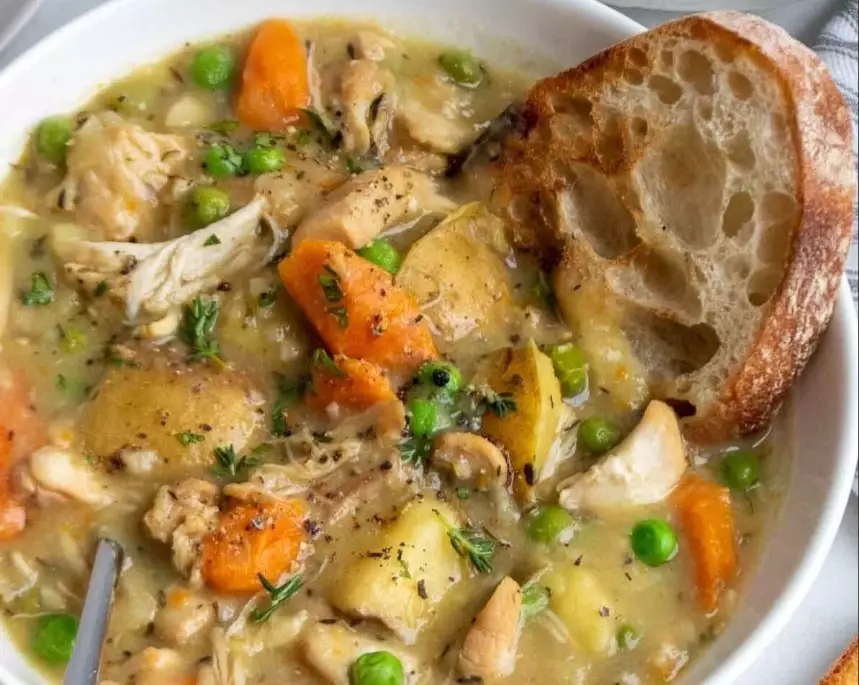
3 Common Crockpot Chicken Stew Mistakes (And How to Avoid Them)
I've seen these ruin more pots of stew than anything else.
1. Overfilling the Pot. Your crockpot should be no more than 2/3 full. If it's jam-packed, the heat won't circulate properly, leading to uneven cooking and potentially unsafe food temperatures (the center might not get hot enough). If your pot is small, scale the recipe down.
2. Adding Dairy Too Early. Thinking of adding a splash of cream or milk for richness? Do it right at the end, after you've turned off the heat. Adding dairy at the beginning and cooking it for hours can cause it to curdle and separate, giving your stew a grainy, unpleasant texture.
3. Lifting the Lid. Every time you lift the lid, you release a massive amount of heat and steam. It can add 15-20 minutes to your cooking time. Set it and forget it. Use the timer. Trust the process.
Food safety is critical. According to food safety guidelines from sources like the USDA, your stew must reach an internal temperature of 165°F (74°C) to be safely consumed. A good slow cooker will get well above this on the LOW setting over several hours. If you're ever unsure, use a meat thermometer to check the chicken before shredding.
Storing and Reheating Your Stew
This stew tastes even better the next day. Let it cool completely, then store it in airtight containers.
Refrigerator: Good for 3-4 days.
Freezer: Excellent for freezing for up to 3 months. Portion it into freezer-safe bags or containers. Thaw overnight in the fridge before reheating.
Best Reheating Method: Gently on the stovetop over medium-low heat, stirring occasionally. Add a small splash of broth or water if it seems too thick. You can microwave single portions, but stir well halfway through to avoid cold spots.
Your Crockpot Chicken Stew Questions, Answered
Can I use frozen chicken in crockpot chicken stew?
It's not recommended for this recipe. Starting with frozen chicken means it will spend too long in the "danger zone" temperature range (40°F - 140°F) as it thaws in the slow cooker, increasing the risk of bacterial growth. For safety and the best texture, always use thawed chicken. Thaw it in the fridge overnight.
My crockpot chicken stew turned out watery. How can I fix it?
This usually happens from not reducing the liquid at the end or adding too much broth initially. For an immediate fix, mix 2-3 tablespoons of cornstarch with an equal amount of cold water. Bring the stew to a simmer (you can transfer some to a saucepan), whisk in the slurry, and cook for 2-3 minutes until thickened. Next time, try using less broth by 1/2 cup, or cook the stew uncovered on HIGH for the final 30-45 minutes to allow excess liquid to evaporate.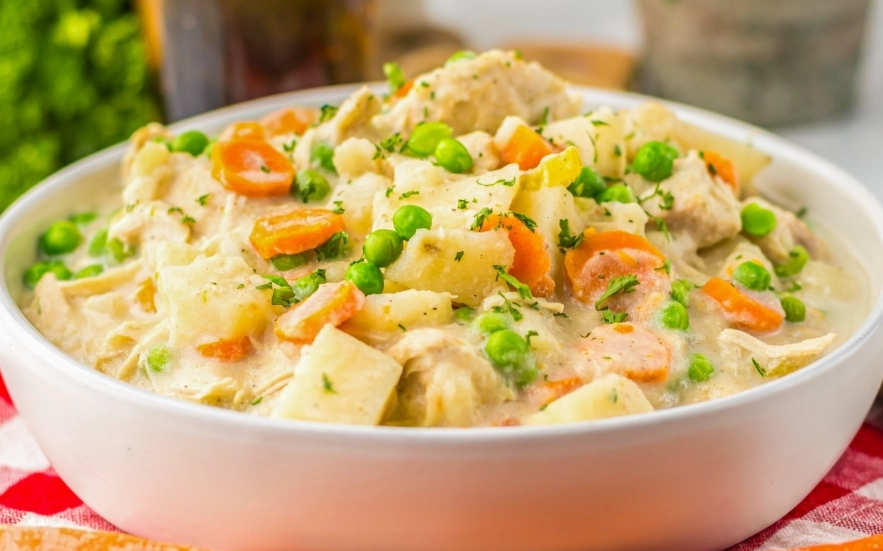
What are the best vegetables to add to chicken stew besides potatoes and carrots?
Think about cook times. For long-cooking (add at start): parsnips, turnips, or celery root. For medium-cooking (add in the last 2 hours): green beans or mushrooms. For last-minute (add in the last 30 minutes): corn, spinach, kale, or the peas and zucchini from our recipe. This staggered approach keeps every vegetable at its best.
Can I make crockpot chicken stew on high instead of low?
You can, but the texture suffers. Cooking on HIGH (usually 4-5 hours) is a more aggressive heat. The chicken and vegetables cook faster but don't have the same amount of time to break down connective tissue and meld flavors gently. The result is often tougher meat and a broth that tastes less unified. Low for 7-8 hours is the professional's choice for a reason—it's foolproof and yields superior tenderness.
Is it okay to leave the crockpot on warm after cooking?
Most modern slow cookers have a "Warm" setting that holds food at a safe temperature (usually above 140°F). It's fine to leave it on Warm for 1-2 hours after cooking is complete. However, don't leave it on Warm overnight or for extended periods, as continued heat can overcook the vegetables and meat, turning them mushy and dry. It's better to cool and refrigerate the stew within two hours of finishing the cook cycle.
Reader Comments