Quick Guide
- The Short Answer: Yes, But...
- The Science of Slow Cooking Broccoli
- Your Decision Guide: When to Add Raw Broccoli
- Step-by-Step: How to Put Raw Broccoli in a Slow Cooker (The Right Way)
- Common Problems & How to Fix Them
- Frequently Asked Questions (The Stuff You're Really Wondering)
- Final Verdict: Should You Put Raw Broccoli in a Slow Cooker?
So you're staring at a head of raw broccoli and your slow cooker, and the question pops into your head: can I put raw broccoli in a slow cooker? It's one of those kitchen dilemmas that seems simple but has a bunch of hidden layers. I've been there, tossing florets in at the start of an eight-hour soup marathon only to end up with something resembling green mush. Not my finest culinary moment.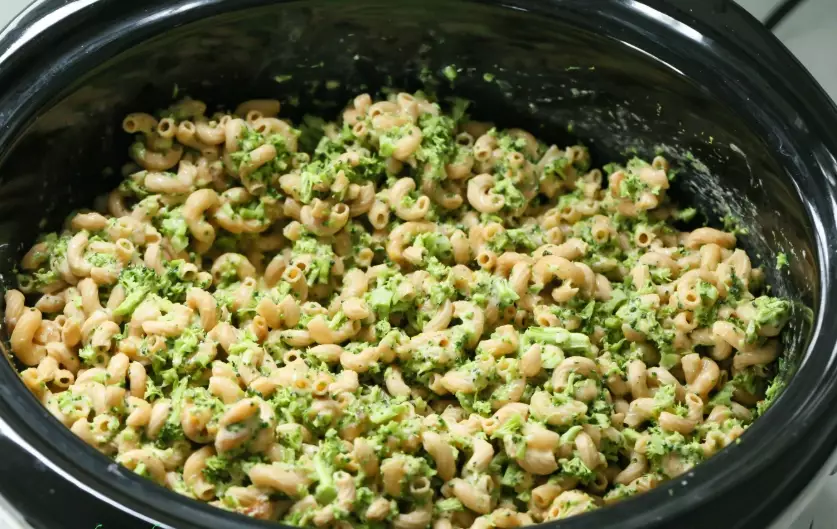
The short, quick answer you're probably looking for is yes, you absolutely can. Your slow cooker will cook it through. But whether you should, and how you should do it, that's where the real conversation starts. It's not just about safety—it's about texture, taste, and whether you're getting the most out of your veggie.
The Short Answer: Yes, But...
Let's be honest. When you ask "can I put raw broccoli in a slow cooker," you're really asking a few things at once. Will it cook? Will it taste good? Will it turn to mush? Will it still be healthy?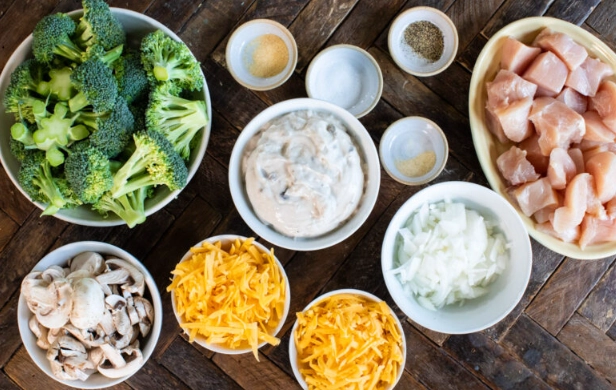
On the most basic level, a slow cooker provides enough low, steady heat to make raw broccoli tender and safe to consume. The real issue isn't safety—it's quality. Broccoli has a delicate cellular structure and contains sulfur compounds and water-soluble vitamins that don't always fare well under prolonged, moist heat.
I learned this the hard way with a broccoli cheddar soup. I dumped everything in raw, florets and all, and let it go on low for 7 hours. The flavor was fine, honestly. Cheesy and broccoliy. But the texture? Gone. Completely disintegrated. It thickened the soup, I'll give it that, but it offered zero bite, zero satisfaction from a distinct vegetable piece. It just... vanished into the cheesy background. That's when I realized the question isn't just can you, but why would you want to, and how can you do it right.
The Science of Slow Cooking Broccoli
To understand why timing matters so much, we have to peek at what happens to broccoli when it heats up. It's not magic; it's basic food science.
Texture Transformation
Broccoli florets are like tiny, dense trees held together by pectin, a structural carbohydrate in plant cell walls. When heated, the pectin breaks down. A little breakdown gives you tender-crisp. A lot of breakdown gives you soft. Prolonged heating, especially in a moist environment like a slow cooker, turns that soft into mushy and eventually can cause complete structural failure—where the floret just falls apart into individual "buds" or dissolves.
The slow cooker is a particularly effective tool for breaking down pectin because it holds in all the steam and moisture. There's no escaping it. So when you put raw broccoli in a slow cooker at the beginning, you're subjecting it to a long, steamy bath that relentlessly softens it.
Nutrient Retention
This is a big one for a lot of people. Broccoli is a powerhouse of nutrients like vitamin C and certain B vitamins, which are water-soluble and heat-sensitive. A publication from the Harvard T.H. Chan School of Public Health on cooking methods notes that water-based cooking can leach these nutrients out into the cooking liquid. That's fine if you're making a soup or stew you'll eat entirely, but not great if you're planning to drain the broccoli.
Furthermore, that iconic "green" color comes from chlorophyll. Long cooking turns bright green broccoli into a dull, olive-drab color. It's still edible, but it's less appetizing. The chemical reaction is accelerated in an acidic environment, so watch out if your slow cooker recipe has tomatoes, wine, or vinegar.
Flavor and Aroma
Raw broccoli has those sulfurous compounds (glucosinolates) that can, when cooked too long, break down into compounds that give a more pronounced, sometimes bitter, cabbage-like smell and taste. Quick cooking preserves a fresher, sweeter flavor. Slow cooking from raw can mellow it out, but in some dishes, it might amplify that earthy, cruciferous note in a way you don't love.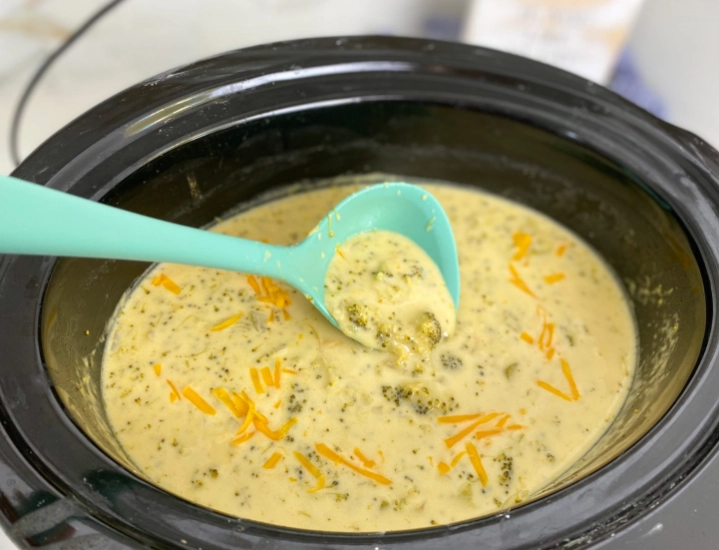
Will raw broccoli cook in a slow cooker? Scientifically, yes. But the outcome is a spectrum from "perfectly tender" to "flavorless green mush," and you control the dial with timing.
Your Decision Guide: When to Add Raw Broccoli
This is the practical heart of the matter. Your approach changes based on what you're making. Throwing raw broccoli in a slow cooker isn't a one-size-fits-all action.
| Your Cooking Goal | Best Time to Add RAW Broccoli | Why This Works | Watch Out For |
|---|---|---|---|
| Soup or Stew (where texture matters) | Last 30-60 minutes on HIGH or LOW | Gives florets time to become tender but not disintegrate. They'll hold their shape in the bowl. | If added too early, they'll vanish and just thicken the soup. |
| Casserole or Pasta Bake | Last 60-90 minutes on LOW | The broccoli cooks through and softens enough to blend with other ingredients without turning to complete mush. | The top layer can dry out. Consider a quick steam before adding for more predictable results. |
| Pulled Apart / "Melted" Texture (e.g., for a creamy dip or soup where you'll blend it) | At the beginning with everything else | Long, slow cooking breaks it down completely, making it easy to puree and integrate seamlessly. | You lose all distinct broccoli texture. Nutrient loss may be higher. |
| Pot Roast or Meat Dish | Last 60 minutes for firm-tender, Last 30 minutes for al dente | The broccoli cooks in the flavorful juices but doesn't overcook. It becomes a perfect side within the main dish. | Can become soggy if buried in liquid. Place on top of other ingredients if possible. |
See? It's all about intent. If your goal is a chunky soup where you can see and taste the broccoli, adding it raw at the end is non-negotiable. If you want it to disappear into a cheesy sauce, start it early.
Step-by-Step: How to Put Raw Broccoli in a Slow Cooker (The Right Way)
Let's get tactical. Here’s exactly how I handle raw broccoli for a standard soup or stew where I want those perfect, tender bites.
- Prep Your Broccoli: Cut your raw broccoli into evenly sized florets. Not too small, or they'll cook too fast. Aim for bite-sized. Wash and drain them well—excess water can thin your sauce.
- Cook Your Base: Start your slow cooker with all the other ingredients—meat, beans, broth, spices, hard veggies like carrots or potatoes. Let this cook for as long as the recipe requires (e.g., 6-7 hours on low for a stew).
- The Timing Window: About 60 minutes before you plan to eat, stir the pot. If you're on LOW, you can often switch to HIGH to give it a boost. Now, stir in your raw broccoli florets. Push them down into the liquid if you want them softer, or let them sit on top for a firmer, more steamed texture.
- The Final Check: After 45-60 minutes, test a floret with a fork. It should pierce easily but still offer a slight resistance, not fall apart. If it's not done, give it another 15 minutes. Remember, it will continue to soften a bit from residual heat after you turn the cooker off.
- Serve Immediately: Once the broccoli is done to your liking, serve the dish. Leaving the cooked broccoli sitting in the hot liquid for another hour will continue to overcook it.
Common Problems & How to Fix Them
Even with the best plans, things go wrong. Here's a quick trouble-shooter for your slow cooker broccoli adventures.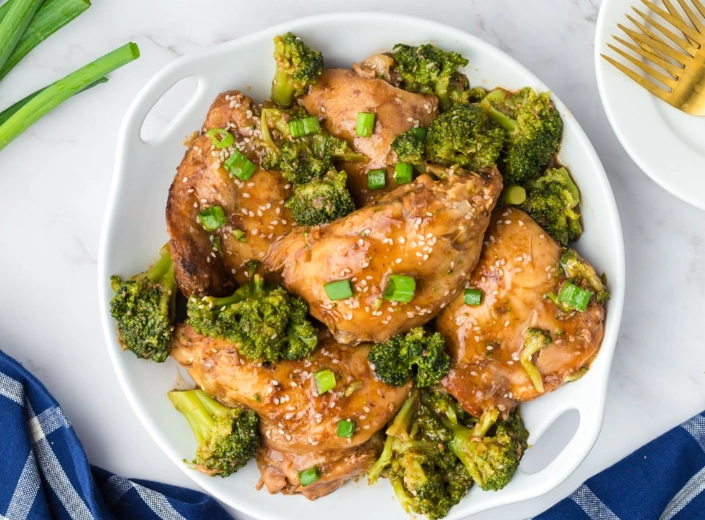
Problem: My broccoli is mushy.
Cause: Added too early, cooked too long, or pieces were cut too small.
Fix for next time: Treat it as a finishing vegetable. Add it last. If it's already mushy in a soup, you can use an immersion blender to puree it partially and thicken the soup—turn a bug into a feature.
Problem: My broccoli is still hard and crunchy.
Cause: Added too late, not enough liquid around it, or slow cooker was on "Keep Warm" instead of a cooking temperature.
Fix now: Ladle some hot broth over the top florets, put the lid back on, and check every 10 minutes. For the future, ensure florets are submerged in or at least touching hot liquid.
Problem: The broccoli turned a drab, ugly color.
Cause: Prolonged heat and/or an acidic cooking environment.
Fix for next time: Shorter cook time is the only real fix for color. The dull color is safe to eat but less appealing.
Problem: The whole dish tastes bitter or too strongly of broccoli.
Cause: The long, slow cooking can break down compounds into stronger-tasting ones, especially if the broccoli was very mature.
Fix now: Balance with a pinch of sugar or a splash of cream. Next time, use younger broccoli crowns and add them even later.
Frequently Asked Questions (The Stuff You're Really Wondering)
Let's tackle those specific, sometimes quirky, questions that pop up when you're deciding to put raw broccoli in a slow cooker.
Can you put frozen broccoli in a slow cooker?
You can, but I'm not a big fan of it for texture reasons. Frozen broccoli is already blanched, so it's partially cooked and much softer. Adding it frozen will release a lot of water, potentially watering down your dish. If you must use it, treat it like a very delicate vegetable and add it only in the last 20-30 minutes of cooking. Thawing and draining it first is a better bet.
Does broccoli lose its nutrients in a slow cooker?
It can, particularly water-soluble vitamins like vitamin C. The extent depends on time, temperature, and how much liquid is present. According to resources from the USDA on food composition, any prolonged cooking can reduce certain nutrient levels. The key is to minimize cooking time for the broccoli itself. By adding it late, you get the convenience of the slow cooker for the tough stuff (like meat and beans) while giving the broccoli a relatively quick cook, which helps preserve more nutrients.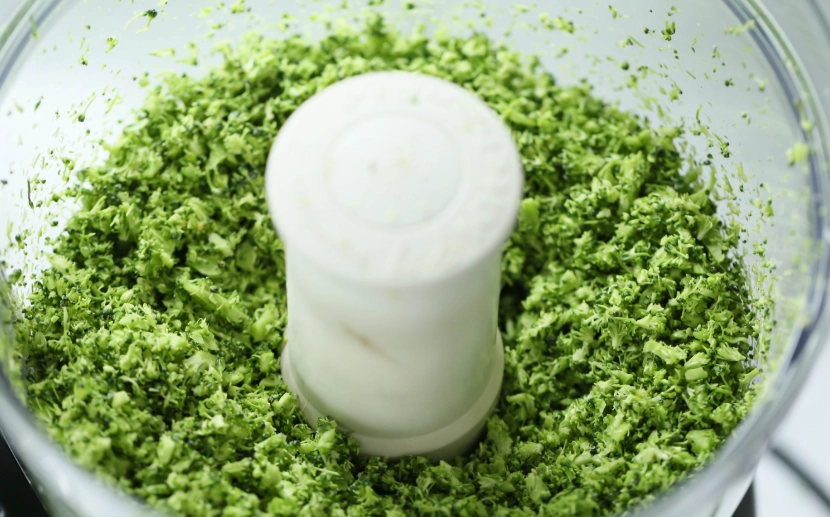
What are the best slow cooker recipes for broccoli?
Recipes where broccoli is a star added at the end, or where it's meant to be soft. Think: Broccoli beef (add florets last hour), creamy potato broccoli soup (add broccoli last 30-60 mins, then blend some for creaminess), or chicken divan (add broccoli in last 90 mins). Avoid recipes where it's the only vegetable cooking for 8 hours.
Is it better to steam broccoli separately?
From a pure texture and nutrient standpoint, yes, steaming it separately just before serving is almost always superior. You get perfect, bright green, crisp-tender florets every time. But that defeats the "set it and forget it" convenience of the slow cooker. It's a trade-off. My compromise is the late addition method. It gives me 85% of the texture with 100% of the one-pot convenience.
Final Verdict: Should You Put Raw Broccoli in a Slow Cooker?
So, circling back to the original question: Can I put raw broccoli in a slow cooker?
The answer is a definitive, nuanced YES.
You have the green light.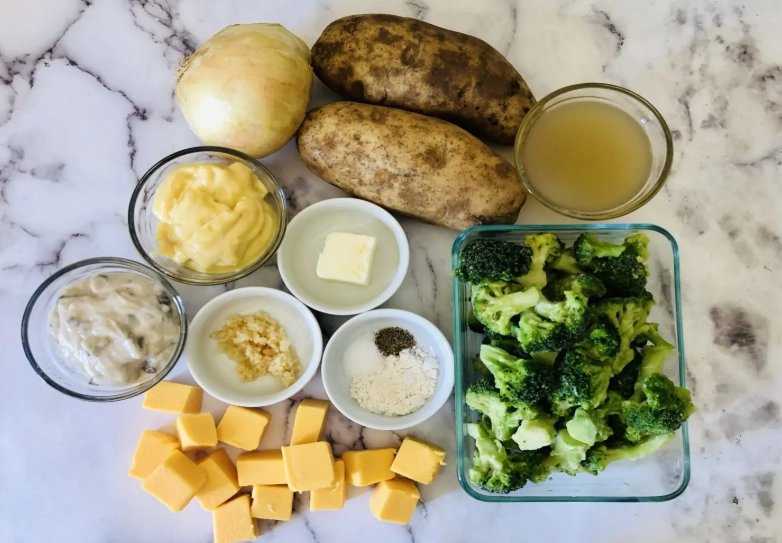
But with that yes comes responsibility. You now know that simply dumping it in with everything else is a gamble on texture. It's the difference between a vegetable that's a celebrated part of the meal and one that's a sad, forgotten mush.
The magic formula is almost always: Cook your long-cooking ingredients first, then add your raw broccoli in the final 30 to 60 minutes. This simple habit transforms your results. It lets you harness the convenience of your slow cooker while serving broccoli that has body, color, and a fresher flavor.
I've ruined enough batches of soup to tell you that the extra bit of timing awareness is worth it. It turns the question from "can I" to "how can I do this brilliantly?" And that's a much more satisfying place to be in your kitchen.
Give the late-add method a shot in your next stew or soup. You might just find that your slow cooker and raw broccoli can live in perfect harmony after all.
Reader Comments