I remember the first time I used a slow cooker. I dumped in some beef, potatoes, and a can of cream of mushroom soup, crossed my fingers, and left for work. Eight hours later, I came home to... edible mush. It was food, but it wasn't good. That experience taught me something crucial: a slow cooker isn't a magic box that fixes bad technique. It's a tool, and like any tool, you get amazing results when you know how to use it. Over the last decade of turning that initial disappointment into a deep love for set-and-forget cooking, I've learned what separates a forgettable stew from a legendary one. This guide is about skipping the mush phase entirely.
What's Inside This Guide?
Why Soups and Stews are Slow Cooker Royalty
Let's be honest. The promise of the slow cooker is freedom. Freedom from staring at a pot, freedom from last-minute dinner panic, freedom to have your house smell amazing all day. Soups and stews are the perfect vehicle for this promise because their entire purpose is long, gentle cooking. Tough, inexpensive cuts of meat like chuck roast or pork shoulder have connective tissue that needs time and low heat to break down into gelatin. That's what gives you that fall-apart tenderness you can't get from a 30-minute sauté.
Vegetables soften and sweeten, herbs and spices meld into the broth, and flavors deepen in a way that feels alchemical. It's not just convenience cooking; it's arguably the best way to cook these dishes. The low, steady heat of a Crock-Pot (yes, that's a brand name, but we all use it) is more consistent and forgiving than most home ovens.
How to Choose the Right Slow Cooker for You
If you're buying your first one or replacing an old relic, the choices can be overwhelming. Round or oval? Manual dial or digital? Let's cut through the noise.
The most important decision is size. Get this wrong, and you'll either have overflowing messes or dried-out food.
> Takes up counter space, but great for big batches to freeze.| Capacity (Quarts) | Best For | My Notes |
|---|---|---|
| 3-4 Quarts | Singles/Couples, Side Dishes, Dips | Too small for most family-sized soups. I rarely use mine. |
| 5-6 Quarts | Most Families (4-6 people) | The sweet spot. Fits a decent-sized chuck roast, makes enough for dinner and leftovers. |
| 7-8 Quarts | Large Families, Meal Preppers, Entertaining |
Shape matters too. Oval cookers fit roasts and whole chickens better. Round ones are fine for most soups. As for controls, I have a strong opinion. I prefer a simple manual dial (Low, High, Warm) over digital. Why? Fewer things to break. I've had a digital one fail where the display died, rendering the whole unit useless. My 15-year-old manual model? Still chugging along. Digital timers that switch to "warm" are nice, but not essential. You can buy a cheap outlet timer for that function.
3 Foundation Recipes You Can Master Tonight
Instead of a giant list, let's focus on three classics. Master these, and you can riff on them endlessly.
1. The Unbeatable Beef Stew
This is the benchmark. The one that should convert any skeptic.
The Secret: It's all in the sear. Don't skip browning the beef. Those crispy, browned bits (the "fond") stuck to your pan are pure flavor. Deglaze that pan with a bit of your broth and scrape every last bit into the slow cooker.
Rough blueprint: Toss 2 lbs of cubed chuck roast in flour seasoned with salt and pepper. Brown in batches in a skillet with oil. Transfer to cooker. In the same skillet, sauté a chopped onion, 3 sliced carrots, and 3 sliced celery stalks for 5 minutes. Add 3 minced garlic cloves for the last 30 seconds. Throw that in. Add 1 lb of baby potatoes (halved), 2 bay leaves, a few sprigs of fresh thyme, 4 cups of beef broth, and a tablespoon of tomato paste. Cook on LOW for 8 hours. Stir in a cup of frozen peas 30 minutes before serving. Taste and adjust salt.
2. Creamy Chicken Noodle Soup (That Won't Get Mushy)
The classic problem? Noodles turn to sludge if cooked all day. The fix is simple: cook them separately.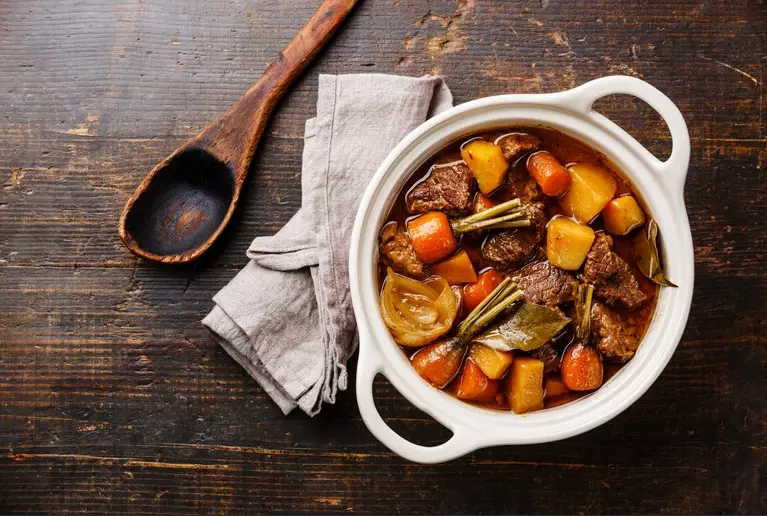
Rough blueprint: Place 1.5 lbs of boneless, skinless chicken thighs (more flavor than breasts), a chopped onion, 3 sliced carrots, 2 sliced celery stalks, a teaspoon of poultry seasoning, and 6 cups of chicken broth in the cooker. Cook on LOW for 6-7 hours. Shred the chicken with two forks right in the pot. In a separate pot, cook your egg noodles al dente according to the package. To finish, mix a half cup of milk with 3 tablespoons of flour until smooth. Stir this slurry into the hot soup to thicken it gently. Then, stir in the cooked noodles just before serving. The noodles stay perfect.
3. A "Set It and Truly Forget It" Vegetarian Chili
No browning required. Just dump and go.
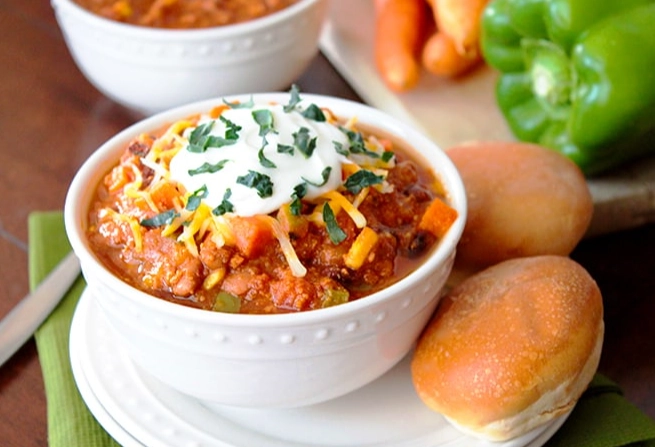
Rough blueprint: In the cooker, combine two 15-oz cans of beans (kidney and black, rinsed), a 28-oz can of crushed tomatoes, 1 chopped bell pepper, 1 chopped onion, 1 cup of frozen corn, 2-3 tablespoons of chili powder, 1 teaspoon of cumin, and 2 cups of vegetable broth. Stir. Cook on LOW for 8 hours. The long cook time deepens the spices beautifully. Serve with avocado, cheese, or a dollop of sour cream.
The Pro Moves Nobody Talks About
Here's where that "10 years of experience" comes in. These aren't in the manual.
"Low" Isn't Always Better. Many recipes default to LOW for 8 hours. But if you're home, HIGH for 4-5 hours often gives a better texture, especially for vegetables. They hold their shape more. LOW is great for when you're out all day, but don't be afraid of HIGH.
Layer Intelligently. Hard, dense vegetables (potatoes, carrots) go on the bottom, near the heat source. Meat goes next. Softer veggies (zucchini, peas) and delicate herbs go on top for the last hour. This prevents the bottom from overcooking while the top stays raw.
Fat is Your Friend (But Manage It). Don't trim all the fat off your meat; it adds flavor. However, if you have a greasy stew at the end, here's a trick: skim the visible fat with a spoon, or drag a slice of bread across the surface. It soaks it right up. Or, chill the whole pot overnight—the fat solidifies on top for easy removal.
3 Common Pitfalls (And How to Dodge Them)
I've made these mistakes so you don't have to.
Your Slow Cooker Questions, Answered
Can I put frozen meat directly into my slow cooker?
Why is my slow cooker stew always bland, even with herbs?
 How do I convert a traditional stew recipe for a slow cooker?
My 8-hour recipe is done in 5 hours. What went wrong?
The real goal here isn't just to follow a recipe. It's to gain the confidence to open your fridge, see what you have, and know you can turn it into a comforting, hands-off meal. Start with one of the foundation recipes, pay attention to the texture and how the flavors change, and soon you won't need a recipe at all. That's when the slow cooker stops being just an appliance and starts being your most reliable kitchen helper.
Reader Comments