Quick Guide
If you've ever stood in front of the meat counter, staring at all the options and wondering what is the best meat to cook low and slow, you're not alone. I've been there too, wallet in hand, hoping I don't pick the wrong cut and ruin a perfectly good Sunday. The truth is, there isn't just one magic answer. But there is a perfectly clear science to it, and once you get it, you'll never second-guess yourself again.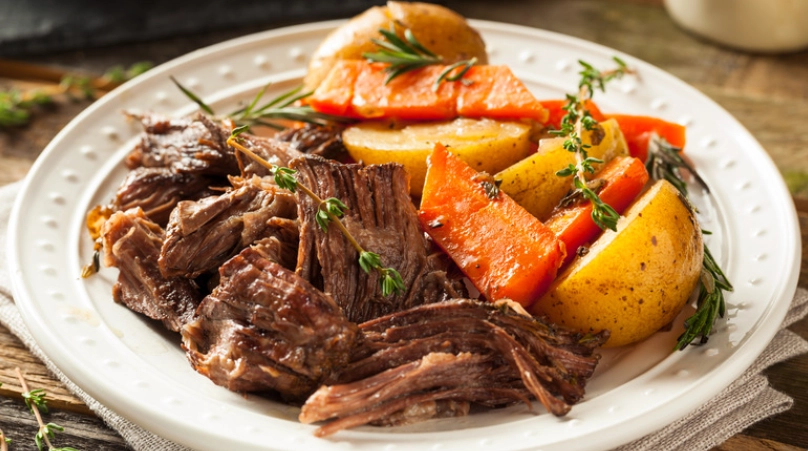
Low and slow cooking isn't just a method; it's a transformation. It's about taking the underdogs of the meat world—the tough, chewy, often cheaper cuts—and turning them into the most tender, flavor-packed meals you've ever had. The secret? It's all about connective tissue. That gristly, rubbery stuff that makes a cheap steak miserable on a grill is exactly what melts into silky, luxurious gelatin after hours of gentle heat. So when we ask what meat is best for this, we're really asking: which cuts have the most of that magical tissue in just the right balance with fat and muscle?
The Top Tier: Your Best Bets for Low and Slow Success
Let's cut to the chase. Based on years of trial, error, and a few sadly dry experiments, here are the champions. I've ranked them not just by flavor, but by forgiveness, availability, and that magical "fall-apart" factor.
| Meat Cut | Why It's Great for Low & Slow | Target Internal Temp | Approx. Cook Time | Flavor Profile |
|---|---|---|---|---|
| Beef Brisket (whole packer) | The undisputed king. Massive fat cap, intense marbling, and loads of collagen. A true test of patience and skill. | 200-205°F (93-96°C) | 12-16 hours | Deep, beefy, rich, smoky |
| Pork Shoulder (Boston Butt) | The people's champion. Forgiving, fatty, consistently turns out amazing pulled pork. Hard to mess up. | 195-205°F (90-96°C) | 10-14 hours | Sweet, savory, takes rubs and smoke beautifully |
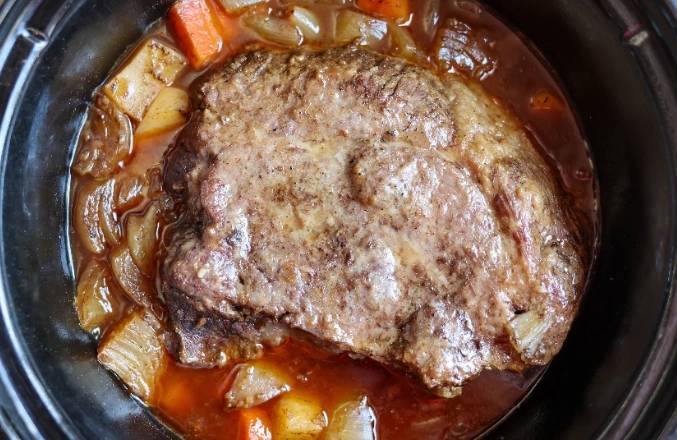
| Beef Chuck Roast | Brisket's more affordable, smaller cousin. Perfect for pot roast or "poor man's burnt ends." Incredibly flavorful. | 195-205°F (90-96°C) | 6-8 hours | Rich, hearty, classic beef stew flavor |
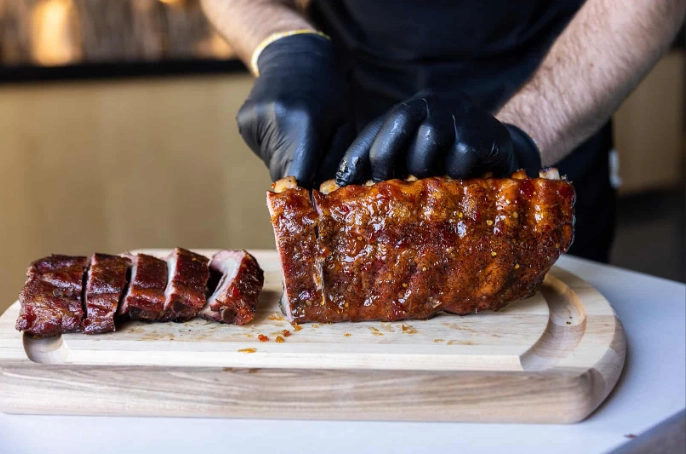
| Pork Spareribs / Baby Back Ribs | Less about "fall-apart" and more about "bite-off-the-bone" tender. Connective tissue between bones breaks down beautifully. | 195-203°F (90-95°C) | 5-7 hours (3-2-1 method) | Sweet, porky, sticky, caramelized |
| Lamb Shanks | An often-overlooked gem. The bone marrow melts into the meat, creating an unbelievably rich and luxurious gravy. | 195-205°F (90-96°C) | 4-5 hours (braised) | Gamey, rich, earthy, perfect for herbs |
See a pattern? High collagen, good fat content, and often a bone right in the middle. That's your checklist.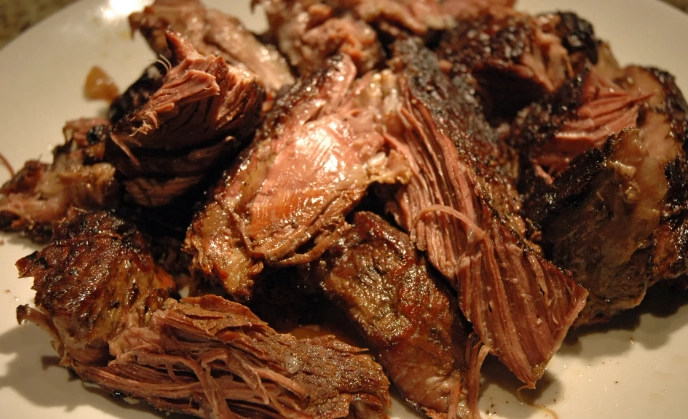
Beef Brisket: The Long-Haul Legend
When most pitmasters think about the best meat for low and slow cooking, brisket is the first thing that pops into their heads. It's the ultimate project. You buy a huge, intimidating slab of beef, you season it simply (salt and pepper is the Texas way, and for good reason), and you commit to a full day of tending the fire. The reward? Something that can be transcendent—peppery bark, a smoky ring, meat so tender you can pull it apart with your fingers. But here's my honest take: it can also be a diva. One wrong move in the temperature, and you get a dry, tough, expensive lesson. If you're a beginner, maybe start with a pork shoulder. But if you want to climb the mountain, brisket is the peak.
Pork Shoulder: The Reliable Workhorse
This is where I tell most friends to start. Why? Because it's almost bulletproof. The fat content is so high that it basically bastes itself for 12 hours. Even if you overshoot the temperature a bit, it's still going to be juicy and delicious. The question of what is the best meat to cook low and slow often has a practical answer: the one that guarantees a win. Pork shoulder is that answer. You can smoke it, braise it in the oven with cider, throw it in a slow cooker with some onions—it just works. It feeds a crowd, it's cheap, and the leftovers make killer tacos, sandwiches, and hash.
Beef Chuck Roast: Your Secret Weapon
Chuck roast is what you get when you want brisket flavor on a Tuesday night without the marathon cook. It's sold everywhere, it's usually well-marbled, and it has all the right connective tissue to break down. I use it for classic pot roast, but my favorite hack is to cube it, season it like brisket, smoke it for a few hours, then finish it in a pan with some braising liquid to make "burnt ends." They're incredible. It's a fantastic cut that proves you don't need a whole smoker to answer the question of the best meat for slow cooking—a Dutch oven in your home oven works miracles.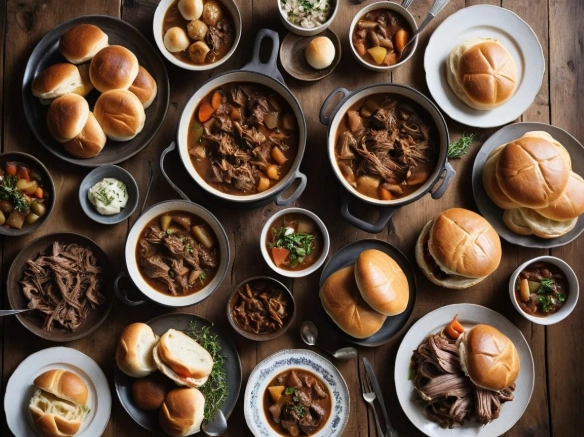
The Cuts to Avoid (Or, How to Disappoint Yourself)
This is just as important. I learned this the hard way with a very expensive, very lean piece of sirloin tip. I thought, "Hey, it's beef, low and slow fixes everything!" Nope. It turned into a dry, stringy brick. Lean cuts are the enemy of this method.
Steer Clear (Mostly): Tenderloin, sirloin, strip steak, pork tenderloin, chicken breasts. These are muscles that didn't work much. They're already tender and are best cooked quickly to a medium-rare or medium to preserve their moisture. Slow cooking them just drives out all the juice with nowhere for it to go.
Now, there's an exception: whole birds. A whole chicken or turkey can be cooked low and slow beautifully because the skin and fat protect the breast, and the dark meat (thighs, legs) loves the extra time. But individual breast pieces? Forget it.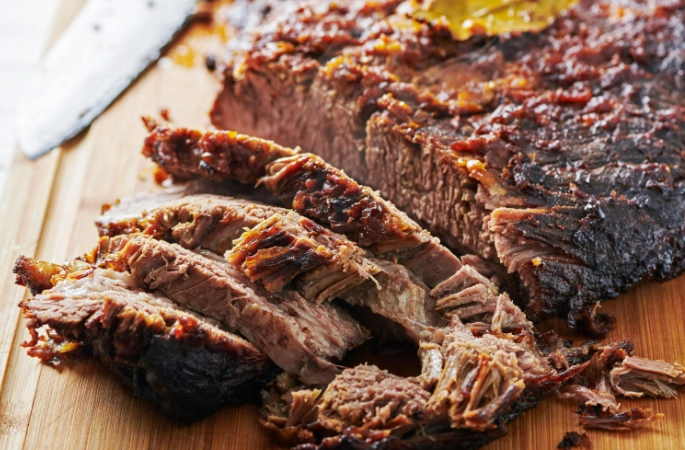
Beyond the Basics: Choosing and Preparing Your Meat
Okay, so you've picked your cut. Now what? Picking the right package at the store is step two.
Look for Marbling: Those little white streaks of fat inside the muscle. More marbling usually means more flavor and a more forgiving cook. The fat renders and bastes the meat from the inside.
Color Matters: For beef, look for a bright cherry-red color. For pork, a pinkish-red. Avoid any meat that looks grayish or has a slimy surface.
Don't Fear the Bone-In: Bones add flavor and can help conduct heat gently. A bone-in pork shoulder often has a better shape for cooking evenly.
To Trim or Not to Trim?
This depends on the cut. For brisket, you need to trim the hard fat down to about 1/4 inch so it can render. For pork shoulder, I'm pretty lazy—I just score the fat cap in a diamond pattern to help the rub penetrate. For a chuck roast, you might want to trim off any huge, hard chunks of external fat, but leave the marbling alone. The USDA's food safety guidelines are a good reference for handling raw meat properly before you even start cooking, which is always step one (FSIS Safe Food Handling).
The Simple Magic of Salt (and Time)
My number one tip for better flavor? Salt your meat well in advance. I mean, the night before. This dry-brining pulls moisture to the surface, which then dissolves the salt and gets re-absorbed deep into the meat, seasoning it throughout and helping it retain more juice during the long cook. It's a game-changer. For more on the science behind this, resources like Serious Eats have done deep dives that changed how I prep everything.
The Low and Slow Process: It's Not Just Set It and Forget It
A lot of folks think low and slow means you put it in and walk away for 12 hours. Not quite. There are phases, and understanding them removes the mystery.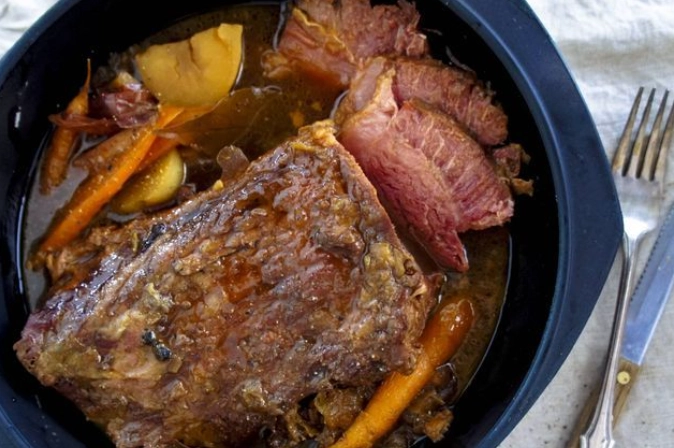
- The Stall (The Frustrating Part): Around 150-170°F, the meat's internal temperature will seemingly stop rising for hours. Don't panic! This is just evaporative cooling—moisture on the surface is evaporating and cooling the meat like sweat. It's a sign you're on the right track. You can ride it out, or wrap the meat in butcher paper or foil (the "Texas Crutch") to power through it faster.
- The Probe Test is Everything: Time is a guide, but tenderness is the goal. When your thermometer says the meat is in the 195-205°F range, start probing it with a skewer or your thermometer probe. It should slide in and out with little to no resistance, like pushing into room-temperature butter. If it feels tight or rubbery, it needs more time, even if the temp "says" it's done.
- The Rest is Non-Negotiable: You spent 14 hours cooking it; spend at least one hour resting it. Wrap the finished meat tightly in foil and a towel, and put it in an empty cooler (no ice!). This lets the juices, which are all rushed to the center, redistribute evenly throughout the meat. Cutting it early means all those juices end up on your cutting board.
Your Low and Slow Cooking Method Toolkit
You don't need a $2000 smoker. Any of these can work:
- Smoker/Pellet Grill: For the ultimate smoky flavor. The fire management is part of the hobby.
- Charcoal Grill (Indirect Heat): Set up your coals on one side, meat on the other. Add a water pan and some wood chunks. More hands-on, but fantastic results.
- Oven: Seriously, your kitchen oven is a perfectly fine low-and-slow machine. It won't be smoky (unless you use a drop or two of liquid smoke in your rub, which is controversial but works), but it will be incredibly tender. Set it to 250-275°F.
- Slow Cooker: Ideal for braises like pot roast or pulled pork where you want a lot of liquid. It won't develop a bark, but the convenience is unbeatable for a weekday meal.
FAQs: Answering Your Real Questions
Wrapping It Up (Like a Perfect Brisket)
So, after all this, what is the best meat to cook low and slow? If I had to pick one for a beginner, it's pork shoulder (Boston butt). For the ultimate challenge and reward, it's beef brisket. For everyday, affordable, unbelievable flavor, it's beef chuck roast.
The beauty of this method is that it turns inexpensive, tough cuts into celebratory feasts. It teaches patience. It rewards attention to detail. And once you understand the simple principle of collagen + fat + time + low heat = magic, you can confidently walk up to any meat counter and know exactly what you're looking for.
Now go grab a chuck roast or a pork shoulder this weekend and give it a shot. Don't overthink the rub. Just salt it tonight, cook it tomorrow, and prepare to be amazed by what low and slow can do. You might just find your new favorite answer to that eternal question.
Reader Comments