I ruined my first crockpot beef stew. It wasn't terrible, but the beef was chewy, the potatoes were disintegrating, and the flavor was just... flat. Like brown water with chunks in it. I followed a popular online recipe to the letter. What went wrong? Everything, as it turns out. I was using the wrong cut of beef, I didn't brown it, and I dumped all the ingredients in at once like a "dump dinner." The result was a lesson in mediocrity.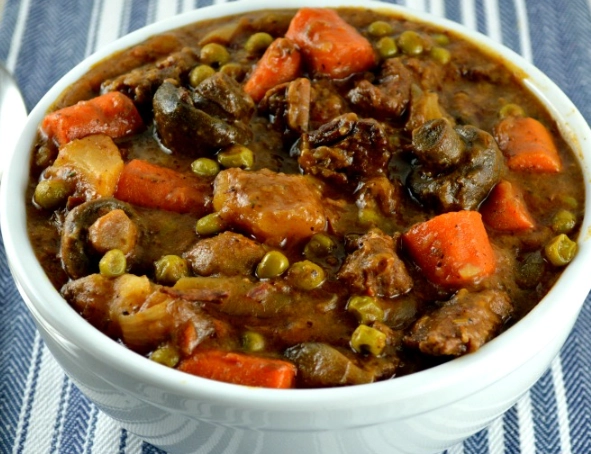
That failure sent me down a rabbit hole. I talked to butchers, read old cookbooks (like the foundational Mastering the Art of French Cooking), and made a stew nearly every week for a year. The goal: absolute, foolproof, fall-apart perfection using nothing more than my trusty slow cooker. This guide is everything I wish I'd known.
The beauty of a beef stew crockpot recipe isn't just ease—it's transformation. It turns an affordable, tough cut of meat into something luxurious. But the "set it and forget it" mantra is a half-truth. A few small, intentional steps separate a good stew from a legendary one.
What You'll Find in This Guide
The #1 Meat Mistake Everyone Makes
You grab a package labeled "stew meat" from the grocery store. This is where most recipes go off the rails before they even start. That pre-cut meat is often a mystery blend of trimmings from lean, tough cuts like round or sirloin. They won't break down; they'll tighten up and become rubbery.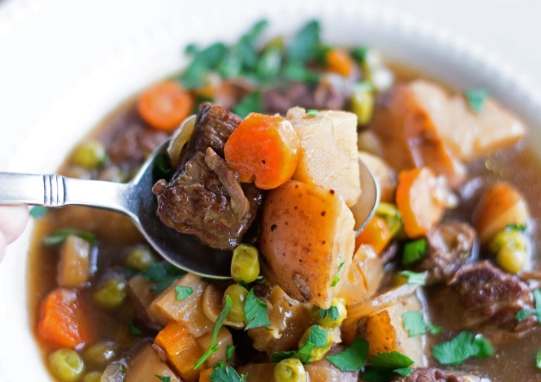
The fix is simple and non-negotiable: Buy a whole chuck roast. Go to the meat counter and ask for a 2.5 to 3-pound chuck roast. See all that white marbling running through it? That's intramuscular fat and connective tissue (collagen). During the long, slow, moist heat of the crockpot, that collagen melts into gelatin. This process, called braising, is what gives you that succulent, pull-apart-with-a-fork texture. Lean meat has no collagen to melt, so it dries out.
Cut it yourself into 1.5 to 2-inch chunks. Bigger is better here—they shrink and hold their shape. This one choice elevates your stew from "okay" to "restaurant-quality."
The One Non-Negotiable Step for Maximum Flavor
I know, I know. The appeal of the crockpot is dumping everything in raw. But hear me out. Skipping the sear is like building a house without a foundation. That beautiful browning on the meat isn't just for color—it's the Maillard reaction, creating hundreds of new, deep, savory flavor compounds.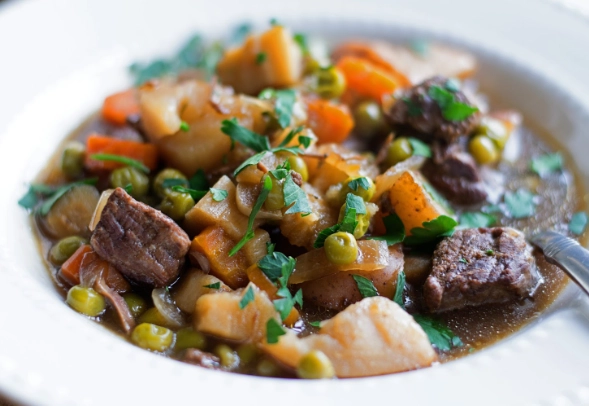
You don't need a fancy skillet. Just get a heavy pan (or even use a multi-cooker's sauté function) nice and hot with a little oil. Pat your beef chunks very dry with paper towels—this is crucial for a good sear, not steam. Don't crowd the pan. Work in batches, giving each piece a minute or two on a couple of sides until you get a nice, dark crust. You're not cooking it through, just building flavor.
Here's the bonus: those browned bits stuck to the pan (the fond)? After you sear the beef, throw your chopped onions into the same pan. They'll deglaze it, soaking up all that incredible flavor. Scrape every last bit into your crockpot. This 10-minute step adds an hour's worth of simmered flavor.
My Foolproof, Weeknight-Friendly Crockpot Beef Stew Recipe
This is my workhorse recipe. It balances deep flavor with practical weeknight steps. I often do the searing and veggie prep the night before, store everything in the fridge in the crockpot insert, and just pop it in the base in the morning.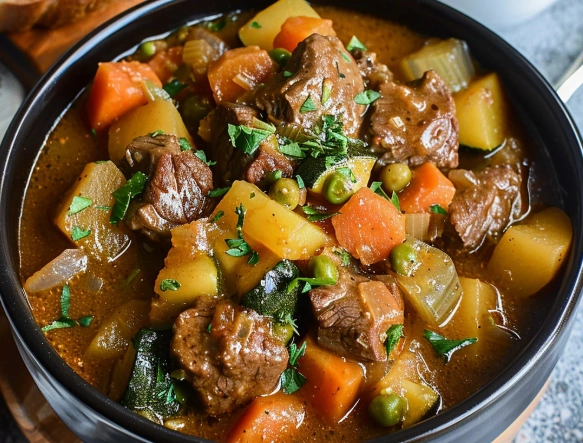
Ultimate Fall-Apart Crockpot Beef Stew
Prep: 25 mins | Cook: 8 hrs LOW / 5 hrs HIGH | Serves: 6
What You Need:
- 3 lbs chuck roast, cut into 1.5" cubes
- 3 tbsp all-purpose flour (or gluten-free 1:1 blend)
- 2 tsp kosher salt, plus more to taste
- 1 tsp black pepper
- 2 tbsp olive oil, for searing
- 1 large yellow onion, chopped
- 4 cloves garlic, minced
- 1/4 cup tomato paste (that small can is perfect)
- 4 cups beef broth (low-sodium is best)
- 2 tbsp Worcestershire sauce
- 1 tbsp soy sauce (sounds weird, adds umami)
- 2 bay leaves
- 1 tsp dried thyme (or 3 sprigs fresh)
- 1 lb baby potatoes, halved (Yukon Gold or red)
- 4 large carrots, cut into 1" chunks
- 3 celery stalks, cut into 1" chunks
- 1 cup frozen peas
- Fresh parsley, chopped (for garnish)
What You Do:
- Dry & Coat: Pat beef chunks extremely dry. Toss with flour, 2 tsp salt, and pepper in a large bowl.
- Sear: Heat oil in a large skillet over med-high. Sear beef in batches until browned on 2-3 sides. Transfer to crockpot.
- Build Flavor: In same skillet, add onion. Cook 3-4 mins until softening. Add garlic, cook 1 min. Stir in tomato paste, cook 1 more minute. Pour in 1 cup of the broth to deglaze, scraping up all the browned bits. Pour this entire mixture into the crockpot.
- The Braise: Add remaining broth, Worcestershire, soy sauce, bay leaves, and thyme to the crockpot. Stir gently to combine.
- Cook (Stage 1): Cover and cook on LOW for 6 hours or HIGH for 3.5 hours. Do not add the carrots, celery, or potatoes yet.
- Add Veggies (Stage 2): After the first stage, stir in the potatoes, carrots, and celery. Submerge them in the liquid as best you can. Cover and cook on LOW for another 2 hours or HIGH for 1.5 hours, until veggies and beef are tender.
- Finish: Stir in frozen peas 10 minutes before serving. They just need to heat through. Discard bay leaves. Taste and adjust salt/pepper. Garnish with parsley.
Mastering Timing & Texture: The Two-Stage Veggie Method
This is the subtle trick that most recipes miss, and it's a game-changer for texture. If you add carrots and potatoes at the beginning of an 8-hour cook, they will be flavorless, waterlogged mush by the time the beef is done.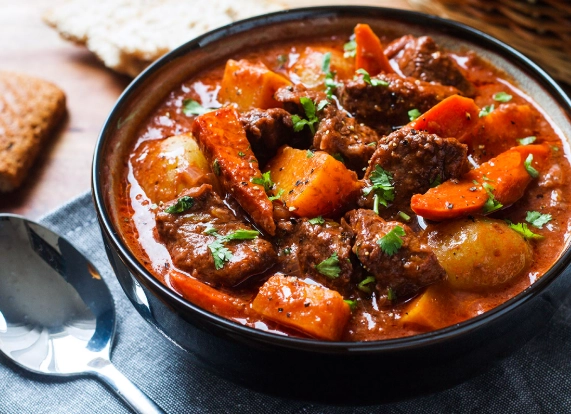
The two-stage method respects each ingredient's cooking time. The beef gets a long, uninterrupted braise to become tender. The hardy vegetables get just enough time to cook through while retaining their shape and a slight bite. The peas go in at the end for a pop of freshness and color.
Think of your crockpot not as a black box, but as a gentle, timed oven. This small adjustment guarantees perfect results every single time.
Troubleshooting & Pro Moves for the Best Stew
Even with a great recipe, things can happen. Here’s how to fix them and level up.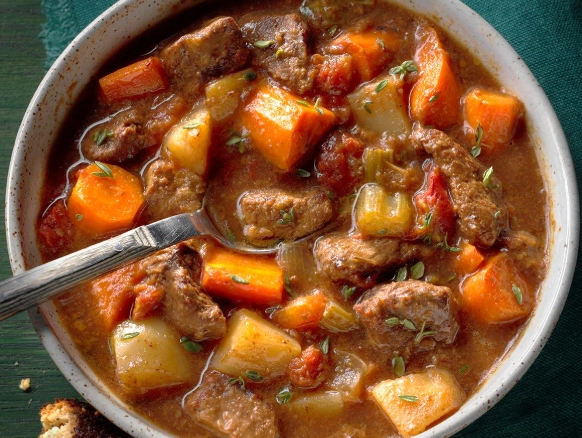
Stew is too thin? At the end, mix 1 tbsp cornstarch with 2 tbsp cold water into a smooth slurry. Stir it into the stew, cover, and cook on HIGH for 15-20 minutes. The lid-on heat will activate the cornstarch without reducing liquid too much. For a richer thickener, mash a few of the cooked potatoes against the side of the pot and stir them in.
Stew is too thick? Easy. Just stir in a splash of extra broth, water, or even a glug of red wine until it's your preferred consistency.
Lacking depth? Next time, add a splash of red wine vinegar or balsamic vinegar at the end with the peas. Acidity is the secret weapon that makes all the other flavors pop. A teaspoon of fish sauce (really!) will add incredible savory depth without tasting fishy.
The Upgrade: For a truly next-level experience, after the stew is done, ladle a few cups of the hot broth into a blender. Add a handful of the cooked vegetables (carrots, onions, a potato) and blend until perfectly smooth. Stir this puree back into the pot. It thickens the stew luxuriously and makes the flavor coat every spoonful. This is a classic French technique called liaison.
Your Beef Stew Questions, Answered
After making this for friends and family for years, I've heard all the questions. Here are the real ones that come up again and again.
The real secret to the best beef stew crockpot recipe isn't a secret ingredient. It's understanding the why behind each step. Choosing chuck, taking the time to sear, and adding vegetables in stages—these aren't extra work. They're investments that pay off in every single bite. Your kitchen will smell incredible, and you'll have a meal that feels like a hug in a bowl. Give this method a shot. I promise you won't go back to the "dump and pray" method again.
Reader Comments