You've done it. You've chopped the veggies, cubed the beef, tossed everything into your trusty slow cooker, set it on low for 8 hours, and walked away dreaming of a rich, hearty stew. But when you lift the lid, you're met with a watery, bland, or strangely textured mess. What went wrong? Chances are, you broke one of the slow cooker's unspoken rules. This isn't about following a recipe—it's about understanding the science of low-and-slow cooking to avoid the pitfalls that turn a would-be masterpiece into a dinnertime disappointment.
Let's talk about what not to put in your stew slow cooker, why these ingredients fail, and the simple swaps that guarantee success.
Quick Navigation
The Big No-Nos: Ingredients That Will Ruin Your Stew
Some ingredients are fundamentally incompatible with the slow cooker's moist, gentle environment. Putting these in at the start is asking for trouble.
Dairy Products (Milk, Cream, Sour Cream, Yogurt)
This is the number one mistake. Dairy curdles. The prolonged heat causes the proteins to coagulate and separate, leaving you with a grainy, broken sauce dotted with unpleasant white flecks. I learned this the hard way trying to make a creamy potato soup. It looked like someone had stirred cottage cheese into it.
What to do instead: If your recipe calls for cream or milk, add it in the last 30 minutes of cooking. For thicker soups and chowders, create a cream base with a roux (butter and flour cooked together) at the beginning, or use full-fat coconut milk, which is much more stable under heat. For a tangy finish, stir in sour cream or yogurt off the heat, just before serving.
Delicate Seafood (Fish Fillets, Scallops, Shrimp)
Slow cookers are for tough cuts that need breaking down, not for delicate proteins that cook in minutes. Fish will turn into a dry, overcooked, rubbery mess long before your stew is done. Shrimp become impossibly tough.
What to do instead: Cook your stew base fully. In the last 15-30 minutes of cooking (on HIGH is best here), add your seafood. It will gently poach to perfection. For a cioppino or bouillabaisse-style stew, this is the only way.
Fresh Herbs Like Basil, Cilantro, Parsley, or Dill
Tossing in a handful of fresh basil at the start is like throwing money away. The volatile oils that give these herbs their bright flavor and color are destroyed by long cooking. You'll be left with dark, bitter, slimy strands.
What to do instead: Treat fresh herbs as a garnish. Chop them finely and stir them in right before serving. For herbal depth during cooking, use hardy herbs like rosemary, thyme, or bay leaves. Their woody structures hold up.
Timing is Everything: When Good Ingredients Go Bad
Even ingredients that belong in a stew can ruin it if added at the wrong time. The slow cooker doesn't forgive poor timing.
| Ingredient | If Added Too Early... | The Right Time to Add |
|---|---|---|
| Potatoes & Root Veggies (Carrots, Turnips) | Can become mushy and fall apart, thickening the stew too much. | Start of cooking is usually fine for chunks. For diced, consider adding halfway if you want firmness. |
| Green Beans, Peas, Corn | Lose all color, texture, and taste. Become army-green and slimy. | Last 30-60 minutes of cooking. |
| Leafy Greens (Spinach, Kale) | Wilt into nothingness, can impart a bitter flavor. | Last 5-10 minutes. They just need to wilt. |
| Wine or Vinegar (for acidity) | Bright flavor cooks off completely, can sometimes leave a harsh, tinny taste. | Last 45-60 minutes. It will mellow slightly but retain its purpose. |
| Pre-Cooked Pasta or Rice | Will absorb all the liquid and turn into a bloated, starchy paste. | Cook separately and add to individual bowls. For uncooked pasta, add in last 30 mins with extra liquid. |
Texture Traps: Avoiding Mushy or Tough Results
Texture issues often come from a misunderstanding of the ingredients themselves.
Lean Cuts of Meat (Chicken Breast, Pork Tenderloin)
It seems logical, but lean meat hates the slow cooker. Without ample fat and connective tissue to break down, it dries out and becomes stringy and tough. That chuck roast or pork shoulder turns tender because its collagen melts into gelatin. A chicken breast has none of that.
What to do instead: Use chicken thighs, not breasts. For pork, use shoulder (butt) or country-style ribs. For beef, chuck, brisket, and round are your friends. If you must use lean meat, cut it into large chunks and don't overcook it—use the low setting for a shorter time (3-4 hours).
Too Much Liquid
The slow cooker lid is virtually sealed. Very little evaporation occurs. If you pour in the same amount of broth you'd use for a stovetop stew, you'll get soup.
What to do instead: Reduce the liquid in your standard recipe by about one-third. You can always add more later if it's too thick. Vegetables like onions, tomatoes, and mushrooms also release a lot of water as they cook.
Flavor Fixes: Why Your Stew Tastes Bland
If your stew is safe but boring, you're missing the flavor-building steps that happen before the slow cooking even begins.
The #1 Flavor Killer: Not Browning the Meat. That beautiful brown crust (the Maillard reaction) is pure flavor. Skipping this step means your stew will taste boiled, not rich and deep. Do it in batches in a hot skillet. Don't crowd the pan. Get a good sear on all sides. Those browned bits (fond) left in the pan are gold—deglaze the pan with a splash of wine or broth and pour it all into the cooker.
The #2 Flavor Killer: Adding Raw Aromatics. Onions and garlic need to be sautéed until soft and fragrant. Raw onions can have a harsh, sulfurous taste that never fully cooks out in the slow cooker's gentle heat. Take 10 minutes to sauté them in the same pan after the meat.
Salt is another big one. Season in layers. Season your meat before browning. Season your sautéed veggies. And then, crucially, taste and season again at the end. Slow cooking can mute spices and salt over time.
FAQ & Rescue Missions
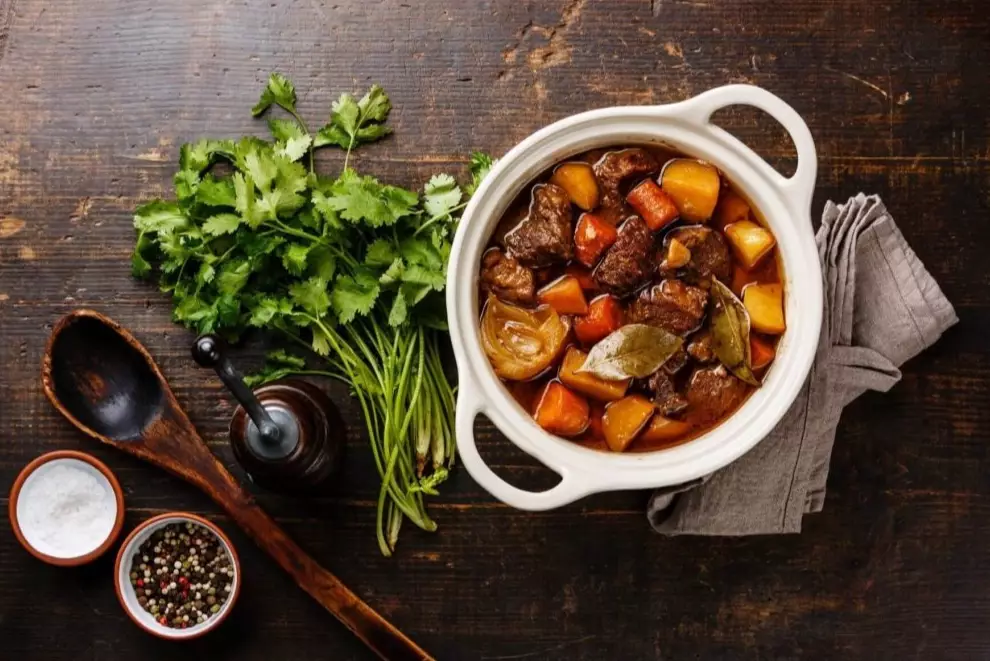 The beauty of the slow cooker is its simplicity, but that simplicity demands a bit of know-how. It's not a magic box where anything goes. Think of it as a gentle, finishing oven for flavors you've already built and ingredients chosen for their resilience. Avoid the dairy, sear the meat, time your add-ins, and you'll never have to wonder "what went wrong?" again. Your reward will be a perfect, hands-off stew every single time.
Reader Comments