Let's be honest. We've all done it. You dump everything into the slow cooker in the morning, dreaming of a hearty stew, only to come home to a pot of mushy, flavorless vegetables floating in a sad broth. The meat is perfect, but the veggies are a disaster. It happens because not all vegetables are created equal for the long, moist heat of a slow cooker. Some turn to slime, others lose all personality, and a few can even make your whole meal taste bitter.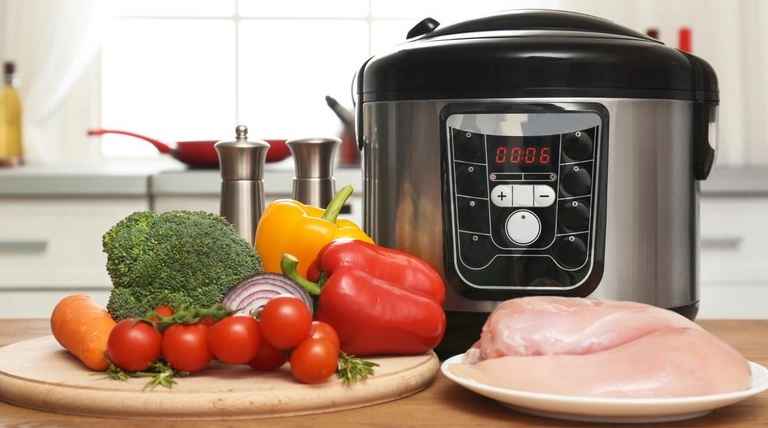
This isn't about good vs. bad vegetables. It's about texture, timing, and a bit of food science. Getting it right means the difference between a mediocre dump-and-go meal and a truly fantastic one where every component shines.
What’s Inside?
Why Some Vegetables Fail in the Slow Cooker
Slow cookers work by surrounding food with gentle, steady heat for hours. This is magic for tough cuts of meat, breaking down collagen into gelatin. For vegetables, it's a different story. The two main enemies are texture breakdown and flavor loss.
Vegetables have cell walls made of things like cellulose and pectin. Prolonged heat, especially in a watery environment, breaks these down completely. That's why a carrot goes from crisp to soft to finally disintegrating into the sauce. Delicate vegetables just can't hold their structure.
Then there's flavor. Many volatile compounds that give vegetables their fresh, bright taste are literally cooked off and evaporated over many hours. What's left can be dull, or worse, concentrated bitter notes from compounds that only appear with overcooking. A study referenced by the USDA's National Agricultural Library on thermal processing of foods shows how heat-sensitive many plant-based nutrients and flavors are.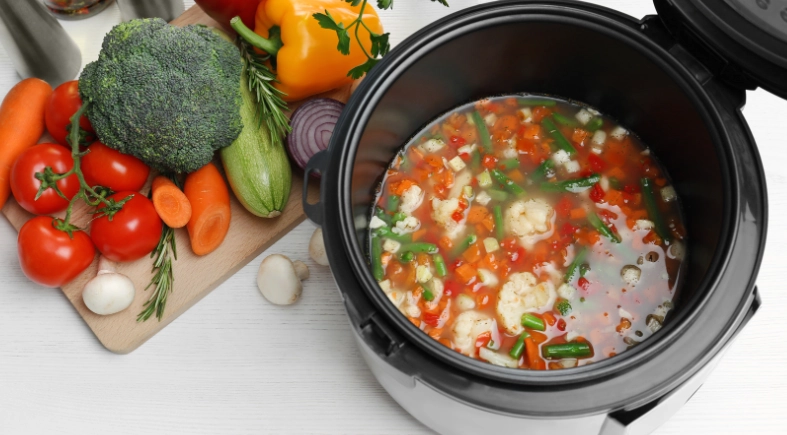
I learned this the hard way with zucchini. I once added beautiful, fresh slices to a beef stew at 9 AM. By 6 PM, they had vanished completely, leaving behind only a vague greenish tint and a slightly slimy mouthfeel in the broth. Never again.
The Vegetables to Think Twice About
Here’s a clear breakdown of the usual suspects. This isn't a never-ever list, but a "handle with care" warning.
| Vegetable | The Core Problem | If You Must Use It... |
|---|---|---|
| Leafy Greens (Spinach, Kale, Chard) | They wilt in minutes. Over hours, they turn into stringy, bitter mush that can overpower the dish. | Stir in during the last 15-30 minutes of cooking, just until wilted. |
| Broccoli & Cauliflower Florets | They become sulfurous, mushy, and lose all vibrancy. The florets fall apart. | Add in the last 60-90 minutes. Better yet, roast them separately and mix in before serving. |
| Peas (Fresh or Frozen) | They turn from sweet and bright to dull, grayish, and mealy. | A perfect "last-minute" veg. Stir in frozen peas 15-20 minutes before serving. |
| Green Beans | Lose their snap, color, and fresh flavor. They go limp and bland. | Use frozen beans added in the last hour, or quick-blanch fresh ones first. |
| Zucchini, Summer Squash, Eggplant | High water content + long cooking = total structural collapse. They disappear into the sauce. | Add large chunks in the last 45-60 minutes. They should be tender but still hold shape. |
| Mushrooms (Button, Cremini) | Can become unpleasantly slimy and rubbery if just raw-dumped. They also release a ton of water. | Sauté them first to brown and drive off moisture, then add. This adds immense flavor. |
| Corn on the Cob | Can become tough and chewy as the prolonged heat toughens the kernels. | Use frozen corn kernels added at the end, or cook cobs separately. |
A Non-Consensus Tip: Everyone says to avoid broccoli, but I've found the stems are an exception. Peel and chop them into small cubes—they behave more like a dense root vegetable and hold up reasonably well. The florets, however, are a lost cause from the start.
What About Potatoes and Carrots?
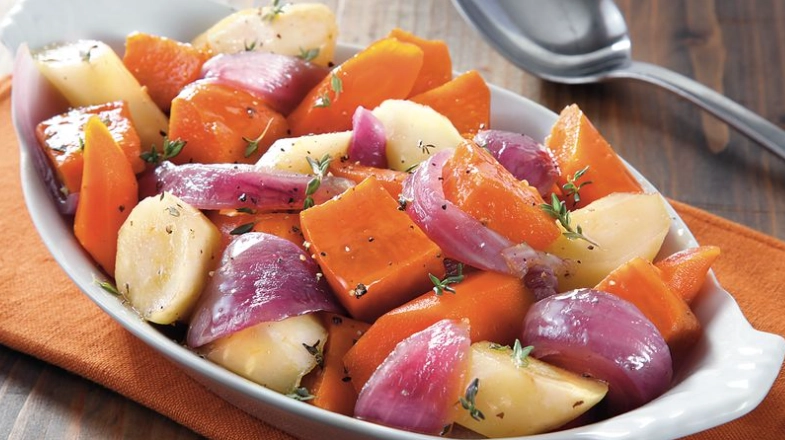
These are slow cooker staples, but you need the right kind. Waxy potatoes (Red Bliss, Yukon Gold, fingerlings) hold their shape. Starchy potatoes (Russets) will fall apart and thicken your stew—which is fine if that's what you want, but you won't have distinct potato chunks.
Carrots are generally fine, but if you cut them too small (diced), they'll practically dissolve. Go for large chunks or "coins" at least 1/2-inch thick.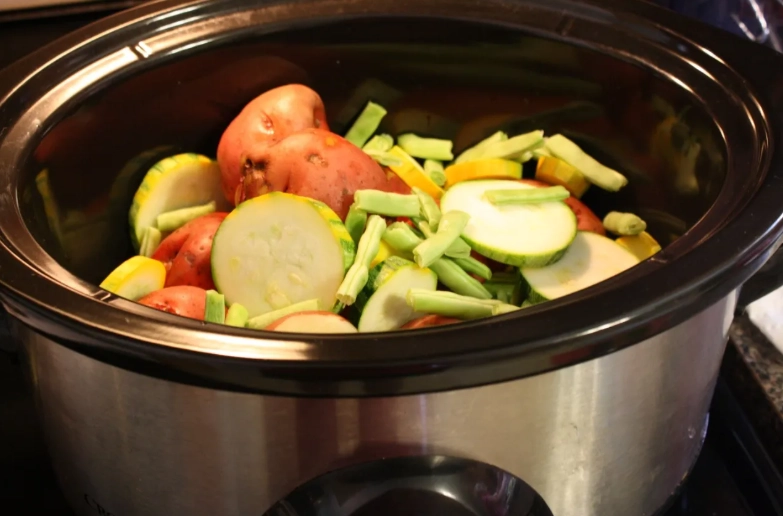
The Biggest Texture Killer: Adding dairy (milk, cream, sour cream) or tender vegetables like zucchini at the beginning. The dairy will likely curdle, and the veggies will be gone. Always add these in the final 30-60 minutes.
How to Adapt Recipes for Better Vegetable Results
You don't have to abandon your favorite recipes. A few simple adjustments make all the difference.
1. The Layering Method. Hard, dense vegetables (carrots, potatoes, parsnips) go on the bottom and around the sides, where it's hottest. Meat goes in the middle. Delicate vegetables (peas, zucchini) go on top. This creates a natural steam-and-cook timeline.
2. Embrace the Frozen Aisle. Frozen vegetables are often blanched before freezing, which partially cooks them. Frozen carrots, corn, and green beans can often go in at the start or midway with better results than fresh. They're a huge time-saver.
3. The "Two-Stage" Add. This is my go-to method for weekday meals. In the morning, I load the slow cooker with meat, broth, aromatics (onions, garlic), and hard veggies. Then, I prep my delicate veggies (bell peppers, zucchini, peas) and leave them in a container in the fridge. When I get home, I stir them in, turn the cooker to High, and let it go for 30-45 minutes while I set the table. Perfect texture every time.
4. Sauté for Flavor First. Don't underestimate the power of a 5-minute pre-cook. Sautéing mushrooms, onions, or even bell peppers in a skillet before adding them deepens their flavor immensely and drives off excess water that would thin your sauce.
Think of your slow cooker not as a one-step magic box, but as the main stage for a performance where timing matters. A little planning gives you a standing ovation of a meal.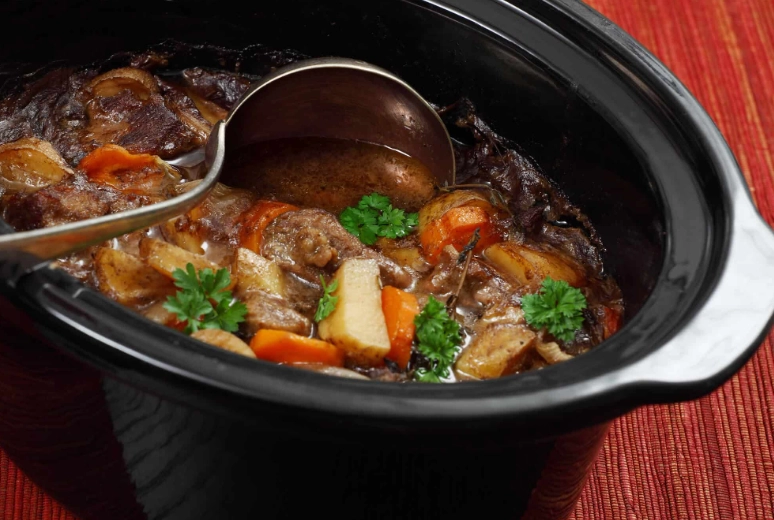
Your Slow Cooker Vegetable Questions Answered
 My slow cooker stew always has soggy vegetables. What am I doing wrong?
Reader Comments