Quick Guide Highlights
Let's be honest. The idea of making beef stew can feel a bit intimidating. You picture hours of simmering, complicated steps, and the dreaded possibility of tough, chewy meat. I've been there. My first attempt years ago was... let's just say it was more like beef soup with rubber chunks. Not great.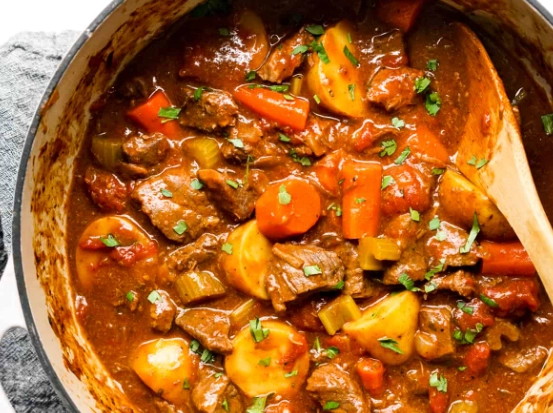
But here's the thing. A truly easy beef stew recipe on stove isn't a myth. It's entirely possible, and it's one of the most rewarding things you can make in your kitchen. The smell alone is worth it. It fills your whole house with this warm, savory, comforting aroma that just says "home." And the taste? When done right, it's pure magic. Tender meat that falls apart, vegetables that soak up all that rich flavor, and a gravy that you'll want to eat with a spoon.
After countless pots (and a few early failures), I've nailed down a method that works every single time. No fancy equipment, no obscure ingredients. Just your trusty stove, a heavy pot, and a little bit of patience. This guide isn't just a recipe; it's the full breakdown of why each step matters, so you understand the process, not just follow it blindly. That's the real secret to making this stovetop beef stew a staple in your recipe rotation.
Why This Stovetop Method Beats Everything Else
You might wonder why we're focusing on the stove and not a slow cooker or Instant Pot. Don't get me wrong, those appliances have their place. But for building deep, complex flavor, the stovetop is king. It gives you control.
With a slow cooker, you just dump and go. The flavors muddle together, and you often miss out on the crucial first step: browning. On the stove, you're actively developing flavor in layers. You brown the meat and get those tasty browned bits (called fond) stuck to the bottom of the pot. You sauté the onions and garlic until they're fragrant. You deglaze with wine or broth, scraping up all that flavor. This active cooking process creates a stew with a richness that passive methods struggle to match.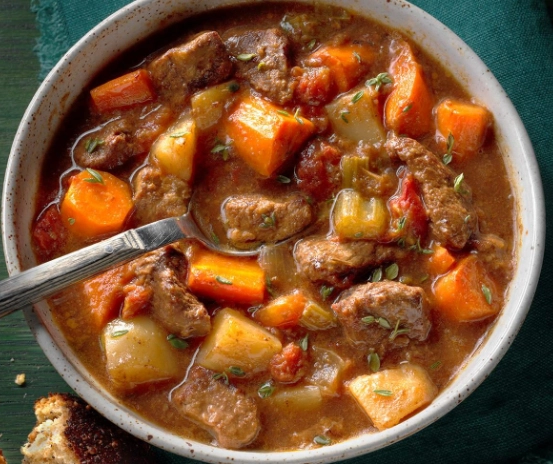
It's also faster than you think. The active cooking time is maybe 30-45 minutes. The rest is just letting it bubble away quietly while you do other things. The result? A more flavorful, robust stew in about the same total time as many slow-cooker recipes claim.
Gathering Your Arsenal: Ingredients & Equipment
Great stew starts with great ingredients. You don't need anything exotic, but choosing the right foundation makes all the difference.
The Beef: Choosing the Right Cut
This is the most important decision. You want a tough, fatty cut of meat that becomes meltingly tender with long, slow cooking. Do not use steak. Steak is for grilling. Stew meat needs to break down.
- Chuck roast is the absolute champion. It's well-marbled with fat and connective tissue (collagen), which transforms into gelatin during cooking, giving you that incredible tenderness and body to the sauce. Ask your butcher for a chuck roast and cut it into 1.5 to 2-inch cubes yourself. Pre-cut "stew meat" is often a mystery mix of trimmings and can be uneven.
- Brisket or short ribs (boneless) are also fantastic, though often pricier. They have incredible flavor.
The Vegetable Crew
This is the supporting cast that soaks up all the beefy goodness.
- Onions & Garlic: The flavor base. Yellow onions are perfect. Don't skimp.
- Carrots, Celery, Potatoes: The classics. Use waxy potatoes like Yukon Gold or red potatoes—they hold their shape better than russets, which can turn to mush.
- Tomato Paste: This little tube is a flavor bomb. It adds umami and a slight sweetness that balances the savory notes.
- Broth: Use a good-quality, low-sodium beef broth. You can control the salt better. Chicken broth works in a pinch, but beef is ideal.
- Flour: For coating the meat and thickening the stew. All-purpose is fine.
- Red Wine (optional but highly recommended): A dry red like Cabernet Sauvignon, Merlot, or Pinot Noir adds a fantastic layer of complexity. The alcohol cooks off, leaving behind acidity and fruitiness. If you don't cook with alcohol, use extra broth.
- Herbs: Bay leaves, thyme, and rosemary. Dried are perfectly fine here, as they have time to rehydrate and infuse.
Here's a quick-reference table for your shopping list and possible swaps:
| Ingredient | My Recommendation | Best Substitutes | Why It Works |
|---|---|---|---|
| Beef | Chuck Roast (self-cubed) | Brisket, Boneless Short Ribs | High collagen content breaks down into tender, flavorful gelatin. |
| Cooking Fat | Vegetable Oil or Avocado Oil | Canola Oil, Grapeseed Oil | High smoke point for good browning without burning. |
| Liquid | Low-Sodium Beef Broth + Dry Red Wine | All Beef Broth, Beef Stock, Dark Beer (e.g., Stout) | Broth provides base, wine/beer adds depth and cuts richness. |
| Thickener | All-Purpose Flour (on meat) | Cornstarch Slurry (at the end), Arrowroot | Flour browns with meat for flavor; cornstarch is a clear, gluten-free finisher. |
| Potatoes | Yukon Gold | Red Potatoes, Fingerlings | Waxy texture holds up to long cooking without disintegrating. |
The Essential Pot
You need a heavy-bottomed pot. This distributes heat evenly and prevents the bottom from burning during the long simmer.
- Dutch Oven: The gold standard. Enameled cast iron (like Le Creuset or Lodge) is perfect—it retains heat beautifully and the enameled surface makes cleanup easy.
- Heavy Stockpot: A thick-bottomed stainless steel pot works very well too.
A thin, cheap pot will likely give you hotspots and scorching. If that's all you have, just stir more frequently and keep the heat very low during the simmer.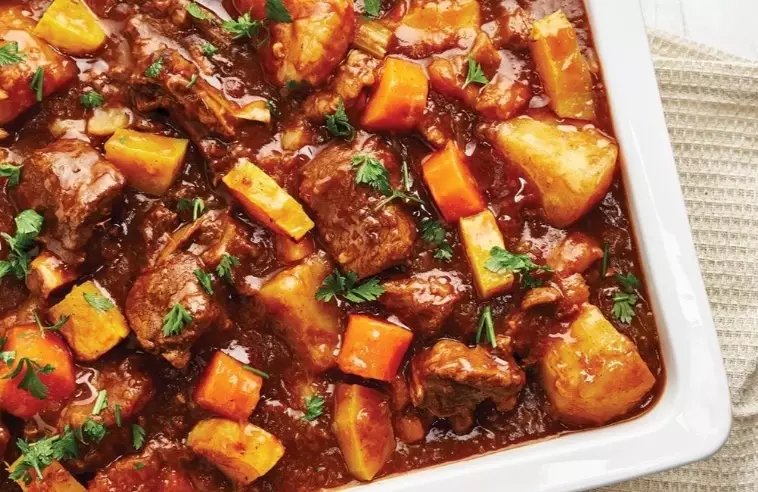
The Step-by-Step: Your Roadmap to Stew Success
Okay, let's get cooking. This is the core easy beef stew recipe on stove process, broken down so you know exactly what's happening and why.
Step 1: Prep is Everything (The "Mise en Place")
Don't just start chopping as you go. Get everything ready first. Pat your beef cubes very dry with paper towels. This is non-negotiable. Wet meat steams instead of browns. Season the dry beef generously with salt and pepper, then toss with about 1/4 cup of flour until lightly coated. The flour will help with browning and thicken the stew later.
Chop your onions, carrots, and celery into large, hearty chunks (they'll cook for a long time). Mince the garlic. Have your tomato paste, broth, and wine measured and ready. This prep makes the actual cooking process calm and smooth, not chaotic.
Step 2: Brown the Meat – Don't Rush This!
Heat 2 tablespoons of oil in your Dutch oven over medium-high heat until it shimmers. Add the beef in a single layer with space between the pieces. Do not crowd the pot! If you dump it all in, you'll steam the meat and it will turn gray and sad.
Work in batches. Let the pieces sit undisturbed for 3-4 minutes until a deep brown crust forms on one side, then flip and brown the other side. This browning (the Maillard reaction) is where a huge amount of flavor comes from. Those browned bits left in the pot are liquid gold.
Transfer the browned beef to a bowl and set aside.
Step 3: Build the Flavor Base
In the same pot (with all those tasty bits), add a bit more oil if needed. Turn the heat down to medium. Add the onions, carrots, and celery. Cook, stirring occasionally, for about 8-10 minutes until the onions are soft and translucent. Add the garlic and cook for just 1 minute until fragrant—garlic burns easily.
Now, stir in the tomato paste. Cook it for 1-2 minutes, stirring constantly. This "toasts" the tomato paste, mellowing its raw acidity and boosting its sweetness and umami. You'll see the color darken slightly and smell a richer aroma.
Step 4: The Big Deglaze and Simmer
Pour in the red wine (or a cup of broth if not using wine). Use your wooden spoon to scrape vigorously all over the bottom of the pot. This is deglazing. All those flavorful browned bits will dissolve into the liquid. Let it bubble and reduce by about half.
Return the browned beef (and any juices) to the pot. Add the remaining beef broth—it should just about cover the meat and vegetables. Throw in the bay leaves and thyme. Bring it to a gentle boil, then immediately reduce the heat to the lowest setting that maintains a very gentle simmer (a few small bubbles breaking the surface).
Cover the pot with the lid slightly ajar. This allows some steam to escape and helps the sauce reduce and thicken slightly. Now, you wait. Let it simmer gently for about 1.5 to 2 hours. The meat should be starting to become tender.
Step 5: Add the Potatoes and Final Simmer
After the first long simmer, add your chopped potatoes. Stir them in, submerging them as best you can. Cover again (still slightly ajar) and continue to simmer gently for another 45 minutes to 1 hour. The stew is done when the beef is fork-tender (it should shred easily with gentle pressure) and the potatoes are cooked through.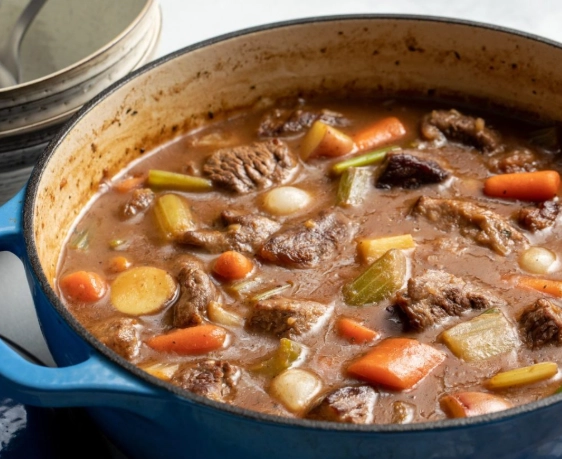
Step 6: The Finish – Taste and Adjust
Turn off the heat. Fish out and discard the bay leaves. Now, taste it. This is the most important step. Does it need more salt? Probably. A few grinds of black pepper? Maybe a splash of red wine vinegar or a squeeze of lemon juice to brighten all the rich flavors? Adjust until it tastes perfect to you.
Let the stew sit, covered, for 15-20 minutes off the heat before serving. This resting time allows the flavors to meld even more and the stew to thicken up to its perfect consistency.
Solving Your Biggest Beef Stew Problems (FAQ)
This is the number one complaint. Two main reasons:
1. Wrong Cut: You used a lean cut. Go back to chuck roast.
2. Undercooked: Tough cuts need time. If the meat is still tough, it hasn't cooked long enough. Keep simmering gently. It can take 2.5 to 3 hours total sometimes. The meat should practically fall apart when pressed with a spoon. Rapid boiling will also make meat tough, as it tightens the fibers violently. Always simmer gently.
If you're near the end and it's still soupy, here are your options:
- Cornstarch Slurry: Mix 1 tablespoon cornstarch with 2 tablespoons cold water until smooth. Stir this into the simmering stew. Bring back to a simmer for 1-2 minutes until thickened. This gives a clear, glossy thickener.
- Mashed Potato Power: Take a ladleful of the stew (mostly potatoes and carrots), mash it thoroughly with a fork in a bowl, then stir it back into the pot. This thickens and adds body naturally.
- Simmer Uncovered: Just take the lid off and let it bubble gently for 15-20 minutes. The excess liquid will evaporate, concentrating the flavors and thickening the sauce.
You can, but you'll sacrifice some flavor depth for convenience.
For Slow Cooker: You must brown the meat and sauté the veggies on the stove first. Then transfer everything to the slow cooker. Add liquid (slightly less, as slow cookers trap steam). Cook on LOW for 7-8 hours or HIGH for 4-5. Add potatoes in the last 2 hours (on LOW) or 1 hour (on HIGH).
For Instant Pot: Use the Sauté function to brown meat and veggies. Deglaze with wine/broth, scraping the bottom clean (this is crucial to avoid a "burn" warning). Add everything except potatoes. Pressure cook on High for 35 minutes, then Natural Release for 15 minutes. Open, add potatoes, pressure cook on High for 4-5 more minutes, Quick Release.
In the fridge, in an airtight container, it's good for 3-4 days. In fact, it tastes better on days two and three. You can freeze it for up to 3 months. Cool it completely first, then freeze in portions. Thaw overnight in the fridge before reheating gently on the stove with a splash of broth or water to loosen it up.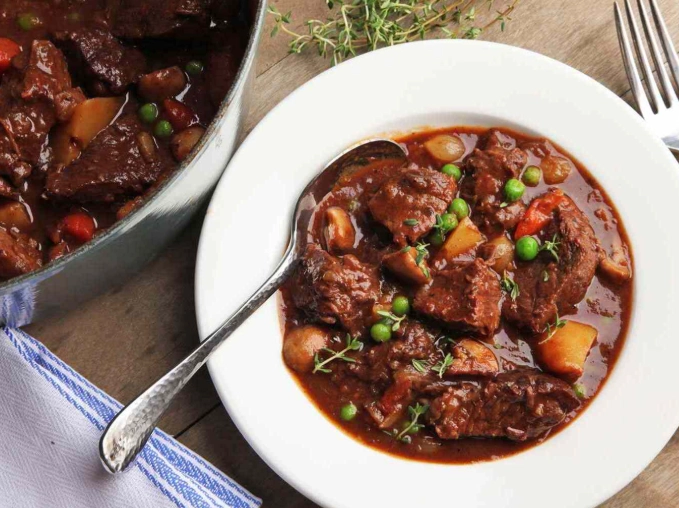
Always on the stove over low-medium heat, stirring occasionally. The microwave can heat it unevenly and make the potatoes rubbery. Add a small splash of water or broth if it seems too thick.
Leveling Up Your Stew Game
Once you've mastered the basic easy beef stew recipe on stove, try these tweaks to make it your own.
- Umami Boost: Add a tablespoon of soy sauce or Worcestershire sauce when you add the broth. A few dried porcini mushrooms (soaked in hot water, then chopped, using the soaking liquid as part of your broth) is a game-changer.
- Herb Swap: Try a bundle of fresh herbs (parsley, thyme, rosemary) tied with kitchen twine (a bouquet garni). Remove before serving.
- Veggie Variations: Swap potatoes for peeled, cubed parsnips or turnips. Add frozen peas or pearl onions in the last 10 minutes of cooking for a pop of color and sweetness.
- Spice It Up: A pinch of red pepper flakes with the garlic, or a teaspoon of smoked paprika with the tomato paste, adds a nice warmth.
The beauty of this stovetop beef stew is its versatility. It's a blank canvas. The core technique of browning, building flavor, and slow simmering remains the same. Once you have that down, you can play with the ingredients endlessly.
So, grab your pot. Take your time. And get ready for the most comforting, satisfying meal you'll make all week. This easy beef stew recipe on stove is a keeper.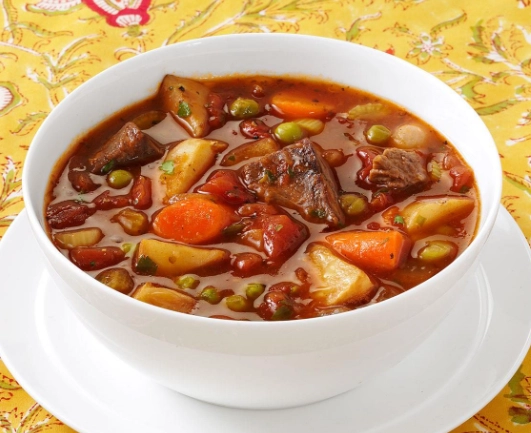
Reader Comments