Let's be honest. Most slow cooker beef stew recipes promise greatness but deliver a bland, watery broth with tough meat and mushy vegetables. You end up with a meal that's merely "fine," not the soul-warming, flavor-packed experience you craved. I've been there. My first attempt tasted like beef-flavored water. The problem wasn't the slow cooker; it was the method.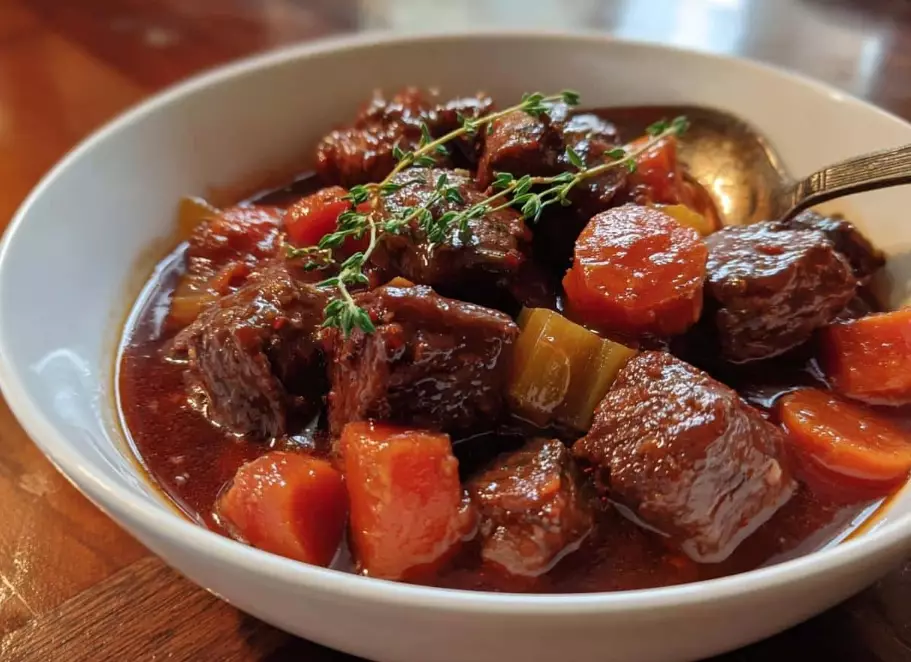
This recipe is different. It's built on a few non-negotiable steps that transform your humble ingredients into something spectacular. We're talking about tender chunks of beef that melt in your mouth, a sauce so rich and glossy you'll want to drink it, and vegetables that hold their texture. And yes, a good glug of red wine is the magic trick that ties it all together.
What's Inside This Stew Guide?
Why This Stew Works: The Flavor Science
Good stew isn't about throwing everything in a pot. It's about building layers of flavor. The slow cooker is brilliant for the long, gentle cook, but it needs help at the start. Here's what we do differently:
Searing is non-negotiable. That brown crust on the beef (the Maillard reaction) creates hundreds of new flavor compounds. It's the difference between steamed beef and roasted beef. Skipping this is the #1 reason for bland stew.
We use less liquid. Slow cookers trap all evaporation. If you fill it like a stockpot, you'll get soup. We start with just enough broth and wine to barely cover the ingredients. The vegetables release more moisture as they cook.
Tomato paste gets cooked. Don't just dollop it in. Cooking it in the fat for a minute caramelizes it, mellowing the acidity and adding a sweet, deep umami base. This is a chef's trick that home cooks often miss.
Red wine adds backbone. The alcohol cooks off, leaving behind the wine's fruit, tannin, and acidity. It cuts through the richness and gives the sauce a complexity you can't get from broth alone. A study published in the Journal of Agricultural and Food Chemistry notes how alcohol helps release flavor molecules from other ingredients.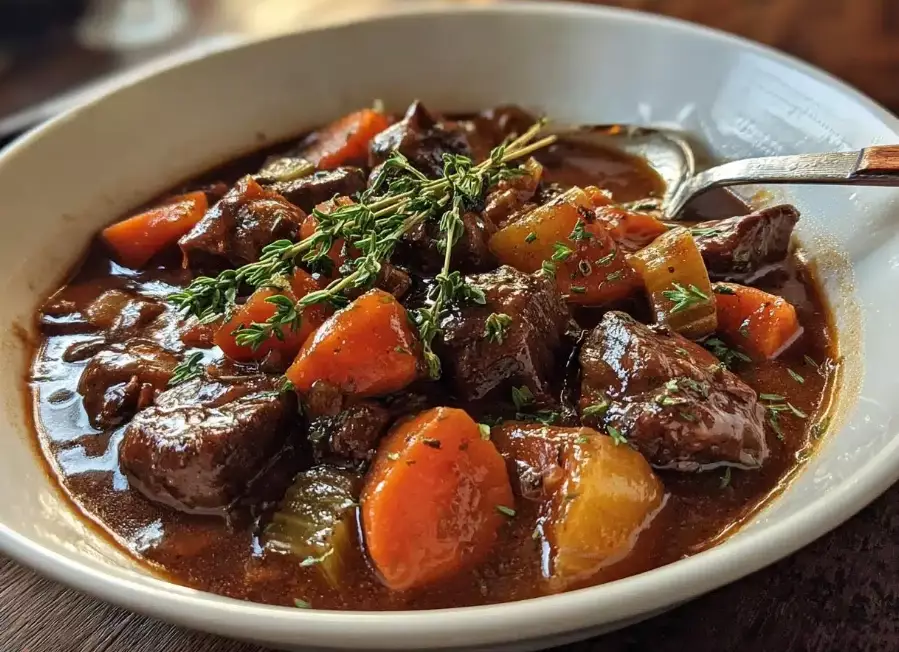
The Ingredients: What to Buy (& What to Avoid)
Let's get specific. The quality of your stew is directly tied to your ingredients.
The Core Shopping List
| Ingredient | What to Look For | Why It Matters |
|---|---|---|
| Beef (3 lbs) | Chuck roast, cut into 2-inch cubes. Look for marbling. | Chuck is a hard-working muscle with connective tissue (collagen) that breaks down into gelatin during slow cooking, making it incredibly tender and flavorful. Lean cuts like sirloin will dry out. |
| Red Wine (1 ½ cups) | A dry, drinkable red like Cabernet Sauvignon, Merlot, or Syrah. | Avoid "cooking wine." Use wine you'd enjoy in a glass. The flavor concentrates. |
| Broth (2 cups) | Low-sodium beef broth. Homemade is great, but a good carton works. | Low-sodium lets you control the salt level. The reduced sauce can become too salty with regular broth. |
| Tomato Paste (2 tbsp) | From a tube, not a can (if possible). | Tube paste lasts longer in the fridge after opening, reducing waste. |
| Vegetables | Yellow onions, carrots, celery, Yukon Gold potatoes, garlic. | Yukon Golds are waxy and hold shape better than Russets over long cooks. |
| Flour (¼ cup) | All-purpose. Can sub with gluten-free 1:1 flour. | Coats the beef and helps thicken the sauce later. |
You'll also need basics like olive oil, salt, black pepper, fresh thyme (or dried), and a couple of bay leaves. Don't underestimate the bay leaves—they add a subtle, almost floral depth.
Step-by-Step Method: Your Roadmap to Perfect Stew
This isn't a dump-and-go recipe. The 20 minutes of prep you do on the stovetop make all the difference for 8 hours of hands-off cooking.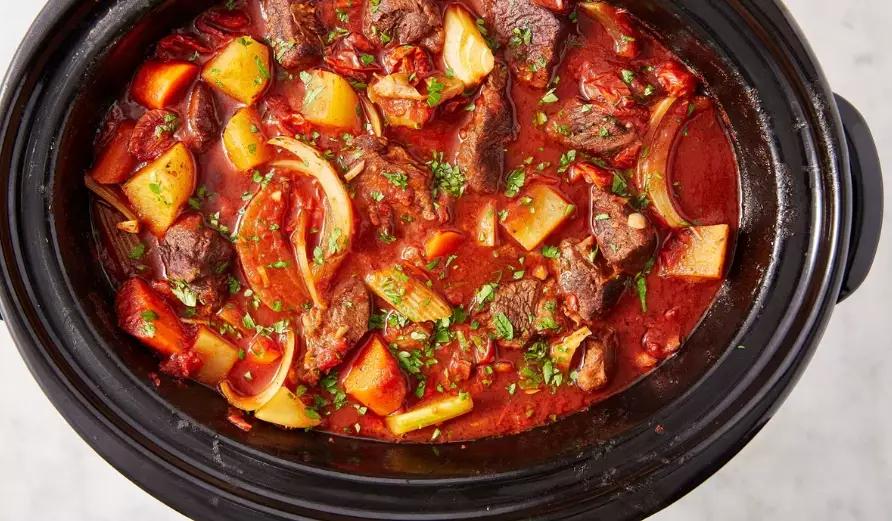
Step 1: The Critical Sear
Pat your beef cubes very dry with paper towels. This is crucial. Wet meat steams; dry meat browns. Toss them with the flour, salt, and pepper. Heat a tablespoon of oil in a large skillet or Dutch oven over medium-high heat. Don't crowd the pan—work in batches. Get a deep brown crust on at least two sides of each piece. This takes about 4-5 minutes per batch. Transfer the beef to your slow cooker.
Step 2: Building the Flavor Base
In the same skillet, add a bit more oil and throw in your chopped onions, carrots, and celery. Cook for 5-6 minutes until they start to soften and pick up the browned bits (fond) from the pan. Add the garlic and cook for 1 minute until fragrant. Now, push the veggies to the side and add the tomato paste to the center of the pan. Let it cook and darken slightly for about a minute, then stir it into the vegetables.
Step 3: The Slow Cooker Assembly
Add the cooked vegetable mixture to the slow cooker on top of the beef. Add your chunked potatoes, thyme, and bay leaves. Pour in the remaining red wine and the beef broth. The liquid should come about 3/4 of the way up the ingredients, not completely submerge them.
Cover and cook on LOW for 7-8 hours or on HIGH for 4-5 hours. Low and slow is always better for tougher cuts like chuck.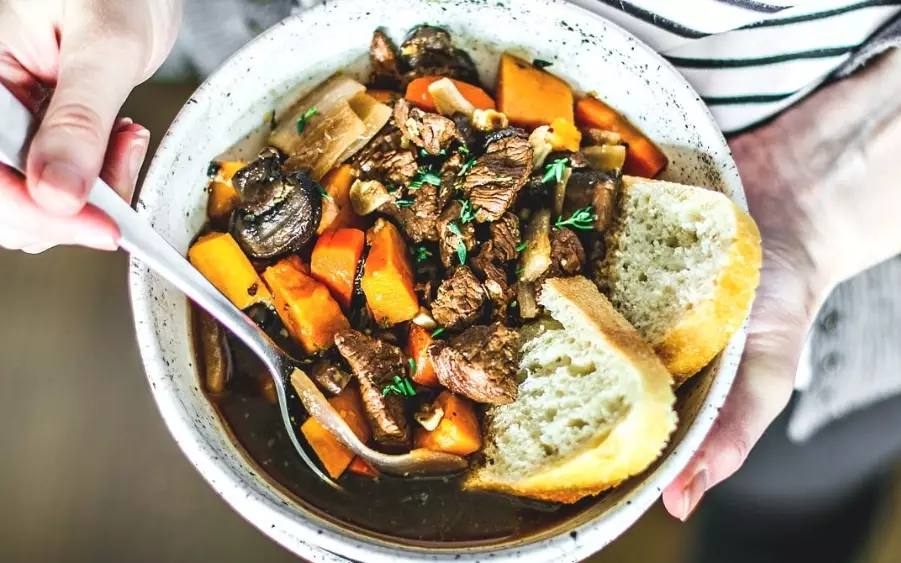
Step 4: The Final Touch
When the beef is fork-tender, it's time to finish. If the sauce seems too thin, you have options. Remove the lid for the last 30 minutes on HIGH to let it reduce. For a quicker fix, make a slurry: mix 2 tablespoons of cornstarch with 2 tablespoons of cold water or stew liquid until smooth. Stir this into the stew and cook on HIGH for 15-20 minutes until thickened. Taste and adjust seasoning with salt and pepper. Stir in a handful of frozen peas for a pop of color and freshness right before serving.
Common Mistakes & How to Fix Them
I've made these so you don't have to.
Mistake: Stew tastes flat, like boiled meat.
Fix: You almost certainly didn't sear the meat properly. Next time, ensure the meat is dry and the pan is hot. For now, try stirring in a teaspoon of Worcestershire sauce or a splash of balsamic vinegar to add depth and acidity.
Mistake: Vegetables are mushy or disintegrated.
Fix: You cut them too small or used a starchy potato. For long cooks, cut carrots and potatoes into large, hearty chunks (1.5-2 inches). Use waxy potatoes. If you want tender-crisp veggies like green beans, add them in the last hour of cooking.
Mistake: The sauce is greasy.
Fix: Chuck roast can release a lot of fat. Before thickening, skim the fat off the top with a large spoon or use a fat separator for the liquid. Let the stew settle for 10 minutes first—the fat will rise to the top.
Serving, Storing, and Making It Your Own
Ladle the stew into deep bowls. It demands something to soak up the sauce. A crusty baguette is classic. Buttered egg noodles or creamy mashed potatoes are even better. A sprinkle of fresh parsley adds a bright finish.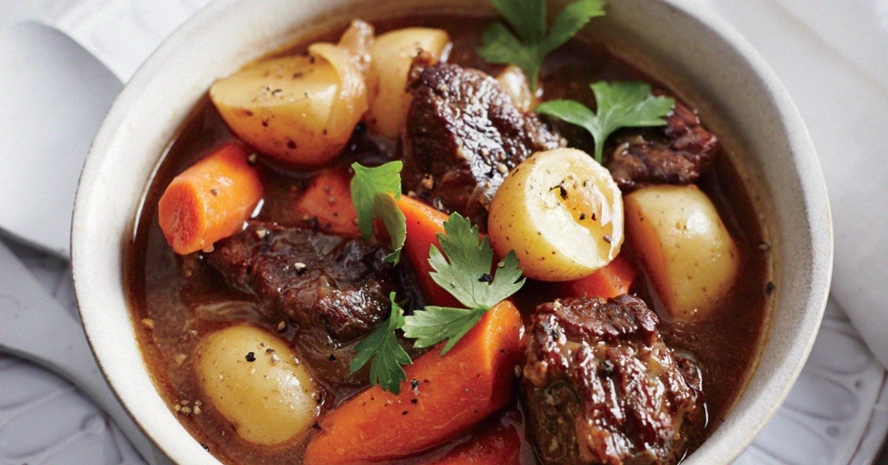
This stew tastes even better the next day. Let it cool completely, then store it in an airtight container in the fridge for up to 4 days. Reheat gently on the stovetop. It also freezes beautifully for up to 3 months. Thaw overnight in the fridge before reheating.
Make it yours. Add a handful of sliced mushrooms with the onions. Stir in a tablespoon of Dijon mustard for tang. For a smoky twist, use smoked paprika instead of regular. Swap half the broth for dark beer like a stout.
Your Stew Questions, Answered
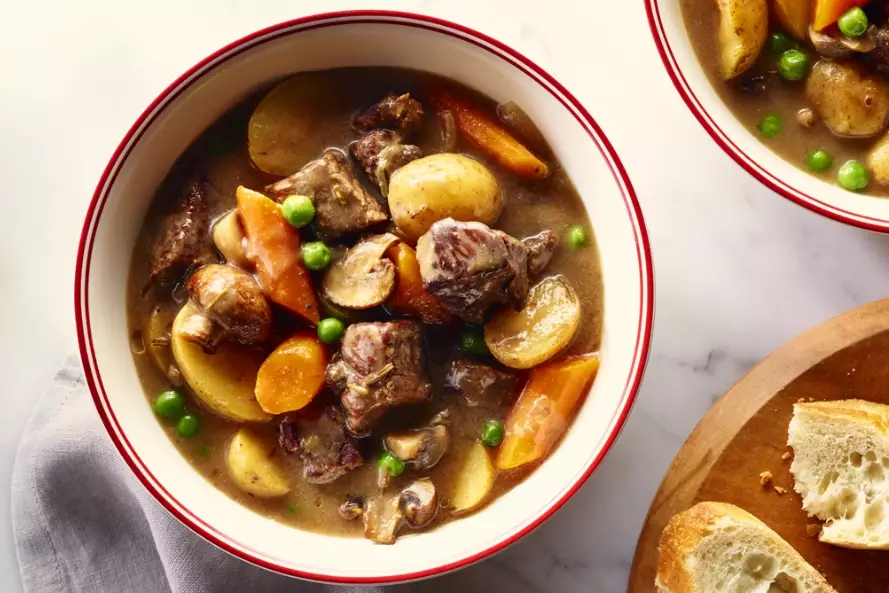 So there you have it. It's more than a recipe—it's a method for turning a few simple ingredients into a meal that feels like a hug. The slow cooker does the heavy lifting, but you lay the foundation of flavor. Give it a try this weekend. Your kitchen will smell incredible, and you'll have the ultimate comfort food waiting for you at the end of the day.
Reader Comments