Quick Navigation
You've got that beautiful, marbled piece of brisket sitting on your counter. The slow cooker is out. You're ready for that melt-in-your-mouth, fall-apart goodness. But then the question hits you, the one that's sparked more backyard debates than the best BBQ sauce: does brisket need to be covered in liquid in a slow cooker?
I remember the first time I faced this. I was following my grandma's old recipe card, stained with broth and love. It said "cover with beef stock." So I did. It was good. Then, a few years later, a friend from Texas swore up and down that real brisket shouldn't swim. He said the slow cooker's magic was in the steam, not a broth bath. I was skeptical, to say the least. I tried it his way. And you know what? It was also good. But different.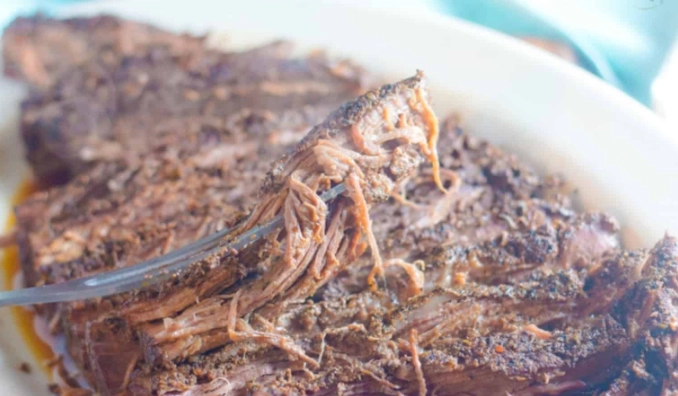
That's the real answer, right off the bat: No, brisket does not strictly *need* to be submerged in liquid to cook in a slow cooker. But whether you *should* add liquid depends entirely on what you're after—the texture, the flavor, the final product you're dreaming of.
Let's break it down.
The Science Behind the Sizzle (or Simmer)
Before we get into the how-to, let's talk about the why. A slow cooker, or Crock-Pot, works by surrounding food with low, steady, indirect heat. The lid is tight, trapping moisture that evaporates from the food itself. This creates a humid environment. So even if you don't add a cup of liquid, your brisket isn't cooking in a dry desert. It's steaming in its own juices.
When you add liquid—beef broth, beer, cola, you name it—you're doing a few things. First, you're guaranteeing that humid environment from the get-go. Second, you're creating a braising medium. The meat cooks partly submerged and partly steamed, which can lead to a different kind of tenderness. Third, and this is a big one, you're building a flavor base for a gravy or sauce.
But here's the thing a lot of recipes don't tell you: adding too much liquid can sometimes prevent the "bark" or flavorful crust from forming on the exposed top part of the meat. It can also dilute the intense beefy flavor that comes from the meat's own rendered fat and juices.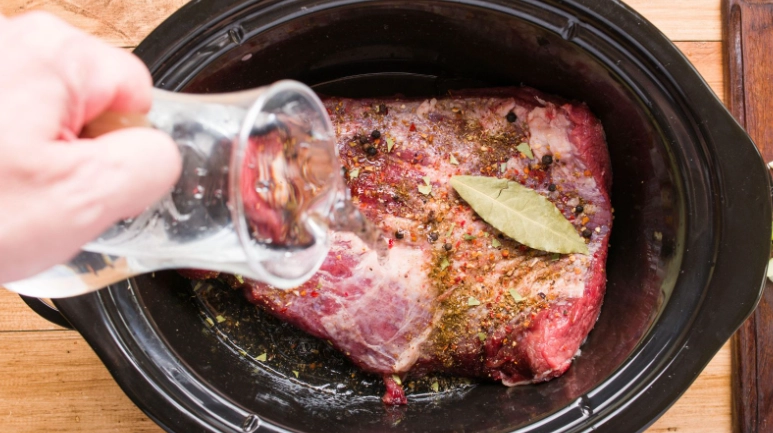
My Two Cents: I lean towards the no-liquid method for a pure, concentrated beef flavor. But I won't lie, when I'm feeding a crowd and want loads of gravy for mashed potatoes, I add a couple cups of good broth. It's a trade-off.
Method Showdown: Liquid vs. No-Liquid Brisket
So, what happens when you choose each path? Let's put them side-by-side. This isn't about right or wrong; it's about matching the method to your meal.
| Aspect | Brisket Cooked WITH Liquid (Braising) | Brisket Cooked WITHOUT Liquid (Steaming/Pot-Roasting) |
|---|---|---|
| Primary Cooking Method | Braising (combination of moist and dry heat) | Steaming/Pot-Roasting in its own juices |
| Texture | Extremely tender, often "fall-apart" shreddable. Can be softer throughout. | Firmly tender, more sliceable. Might have a slightly denser texture. |
| Flavor Concentration | Flavor infuses into the liquid, creating a fantastic sauce/gravy. Meat flavor can be slightly milder. | Intense, concentrated beef flavor in the meat itself. Less liquid for gravy. |
| Ease & Safety Net | Very forgiving. The liquid prevents any chance of drying out and ensures even heat transfer. | Requires a bit more attention to timing and the fat cap. The slow cooker must seal well. |
| Best For | Shredded brisket tacos, sandwiches, stews, or when you want lots of gravy. | Sliced brisket plates, leaner cuts where you want to maximize beef taste, low-sodium diets. |
| Potential Downside | Can lack a roasted texture. Flavor may be less "beef-forward" if liquid isn't reduced. | If cooked too long or with a poor seal, edges *can* become a bit dry. |
See? Two valid roads to deliciousness. The question "does brisket need to be covered in liquid in a slow cooker?" really morphs into "what's my end goal?"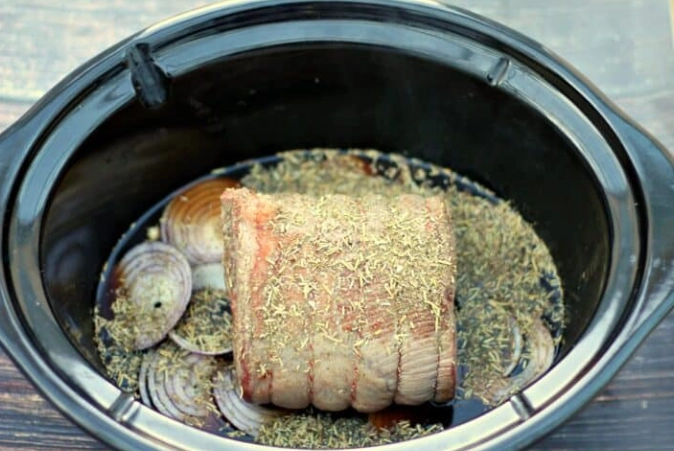
Your Step-by-Step Guide to Both Worlds
Alright, theory is great, but let's get practical. Here’s exactly how to handle your brisket, regardless of your liquid loyalty.
The Foundation (Do This Either Way)
- Choose Your Cut: A whole packer brisket is big for most slow cookers. You'll often find the "flat" cut, which is leaner, or the "point," which is fattier. The point is more forgiving, especially with less liquid.
- Trim, But Don't Overdo It: Trim the hard, thick fat cap down to about 1/4 inch. This fat is your friend—it will baste the meat as it renders. Don't strip it bare.
- Season Aggressively: Pat the brisket dry. Rub it generously with salt, pepper, garlic powder, paprika—whatever your heart desires. Do this at least 30 minutes before, or even overnight.
- Sear (The Game Changer): This is non-negotiable for me. Heat oil in a skillet until smoking hot. Sear the brisket on all sides until a deep brown crust forms. This Maillard reaction adds incredible flavor you can't get from slow cooking alone. It makes a huge difference in the no-liquid method.
Pro Tip: If you're short on time, you can skip the sear. But honestly, that 10 minutes of extra effort pays off in flavor dividends that make your whole kitchen smell like a winner.
Path A: The Liquid Route (The Braise)
- Place your seared brisket in the slow cooker, fat side up.
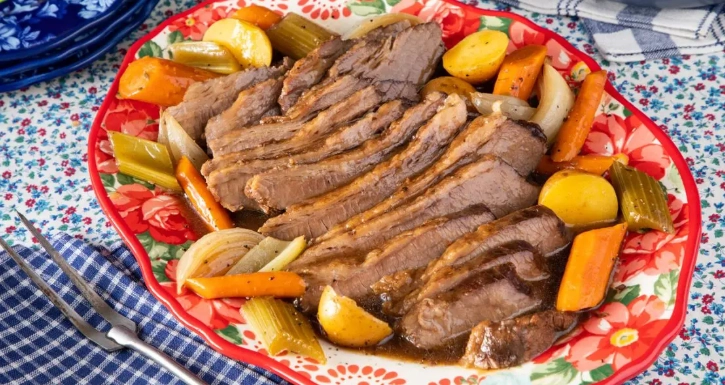
- Add aromatic vegetables (onion, carrot, celery chunks) around the sides.
- Pour in your liquid until it comes about 1/3 to 1/2 way up the side of the brisket. You do NOT need to fully submerge it. Good options:
- Beef broth or stock (low sodium is best)
- A dark beer or stout
- Broth mixed with a tablespoon of Worcestershire sauce or soy sauce for umami
- Cook on LOW for 8-10 hours, or on HIGH for 5-6 hours. The brisket is done when a fork twists easily in the meat.
- Remove the brisket to rest. Strain the liquid, skim the fat, and simmer it in a saucepan to reduce and thicken into a killer gravy.
Path B: The No-Liquid Route (The Steam-Roast)
- Place your seared brisket in the slow cooker, fat side up.
- Add a rough-cut onion or a few garlic cloves to the bottom to act as a natural rack and prevent direct contact with the hot surface, but this is optional.
- DO NOT ADD LIQUID. Seriously, not even a splash. Trust the process.
- Cook on LOW for 8-10 hours. I don't recommend HIGH for this method, as the gentler heat is better for rendering fat without boiling the juices.
- You'll know it's done when it's tender but still holds its shape for slicing. There will be a surprising amount of flavorful juices in the bottom of the pot—that's liquid gold! Use it as an au jus.
The first time you try the no-liquid method, you'll peek in after 4 hours in a panic. Resist the urge to add water! That steam you see is doing the job.
Common Pitfalls and How to Dodge Them
Even with a guide, things can go sideways. Here’s what usually goes wrong.
Overcooking is the #1 Enemy: Slow cookers vary. "Low" on one might be "hot" on another. Brisket is done when it's probe-tender (195°F to 205°F internal is the sweet spot for connective tissue breakdown), not necessarily after a set time. An extra hour can turn tender into mushy, especially with liquid.
Using the Wrong Cut: A very lean flat cut with little marbling is more prone to drying out, particularly with the no-liquid method. If that's all you have, consider adding some liquid or laying strips of bacon over the top for extra fat basting.
Lifting the Lid: Every time you peek, you let out precious steam and heat, adding significant time to your cook. Just don't do it for the first 2/3 of the cooking time.
Not Resting the Meat: You pull that brisket out and immediately try to slice it? Big mistake. All the juices will run out. Let it rest on a cutting board, loosely tented with foil, for at least 30 minutes. This lets the fibers reabsorb the moisture.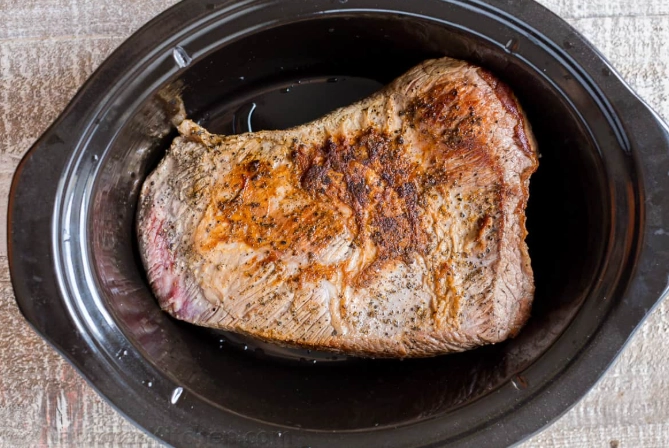
Answering Your Burning Questions (The FAQ)
Let's Talk Science and Authority
I'm not just making this up based on my kitchen trials. The principles here are grounded in food science. The magic of brisket is turning tough collagen into silky gelatin. That happens when the internal temperature stays between 160°F and 205°F for a prolonged period, whether surrounded by liquid or steam.
Renowned food science writer J. Kenji López-Alt has discussed how braising works by keeping the meat's surface at or below 212°F (the boiling point of water), preventing the exterior from overcooking before the interior tenderizes. This applies whether the liquid comes from a bottle or the meat itself. Resources like Serious Eats often delve into these mechanics, explaining why both methods can succeed.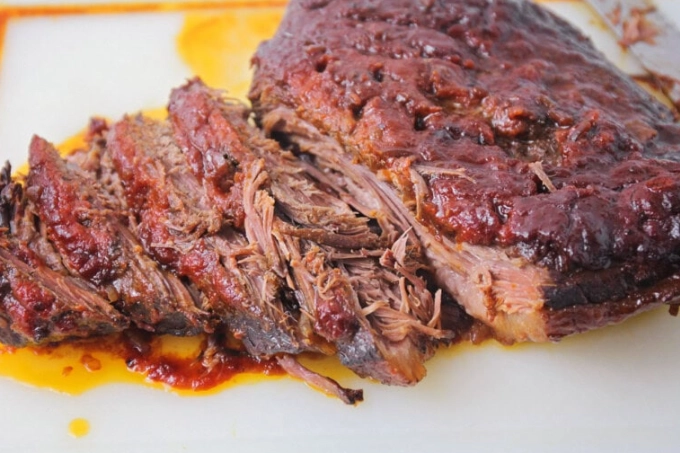
Furthermore, major slow cooker manufacturers like Crock-Pot themselves provide recipes for large cuts of meat that often call for only a small amount of liquid, or sometimes just vegetables and seasonings, relying on the appliance's sealed steam environment.
The bottom line? Your slow cooker is a mini, humid, low-temperature oven. Understanding that changes the whole game. You're not boiling meat; you're coaxing it into tenderness.
Final Verdict: To Liquid or Not to Liquid?
So, after all this, where do I land on the core question, does brisket need to be covered in liquid in a slow cooker?
Necessary? No. Not at all. The slow cooker's sealed environment creates enough steam from the meat's own moisture to cook it thoroughly and tenderly.
Recommended? It depends.
- Choose the LIQUID method if: You want foolproof, shreddable meat, a built-in gravy, or are using a very lean cut.
- Choose the NO-LIQUID method if: You want a more roast-like, sliceable texture, a more intense beefy flavor, and are using a well-marbled cut with a good fat cap.
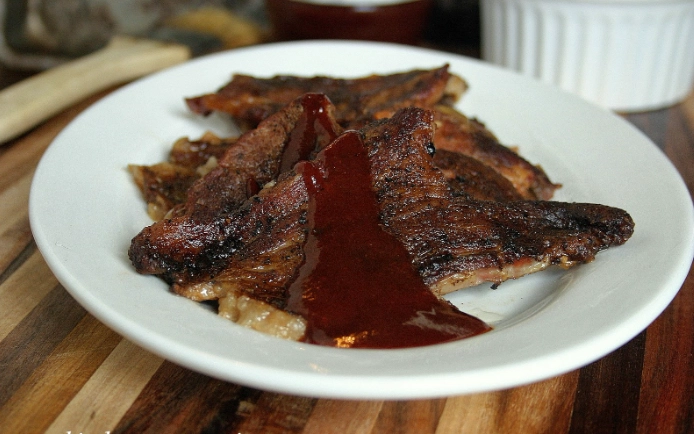
My personal go-to? I start most briskets without added liquid. I love the pure, unadulterated beef flavor. I sear it well, cook it low and slow with just an onion underneath, and marvel at the pool of rich jus I get at the end. For me, that's slow-cooker brisket at its best.
But next Sunday, when I'm making a big batch for sandwiches with lots of jus for dipping? I'll throw in that broth. Because in the end, the best method is the one that gets the result you and your family will love. Now go forth and cook that brisket with confidence.
Reader Comments