In This Stew Guide
- What Really Determines Your Chicken Stew's Clock?
- Method Showdown: How Long for Each Way?
- Your Step-by-Step Timeline (The Traditional Stovetop Way)
- Can You Make Chicken Stew Faster? (The Hacks)
- The Long Game: Slow Cooker & Oven Magic
- Answering Your Burning Stew Questions (FAQ)
- Final Thoughts: It's About Your Time, Not Just the Clock
Let's be honest, you probably clicked on this because you're hungry, you have some chicken, and you want a warm, comforting bowl of stew without spending your entire evening in the kitchen. I get it. I've been there too, staring at a recipe that says "total time: 2 hours" and wondering if it's worth it. The truth about how long it takes to prepare chicken stew isn't a single number. It's a range, and where you fall in that range depends entirely on the choices you make before you even turn on the stove.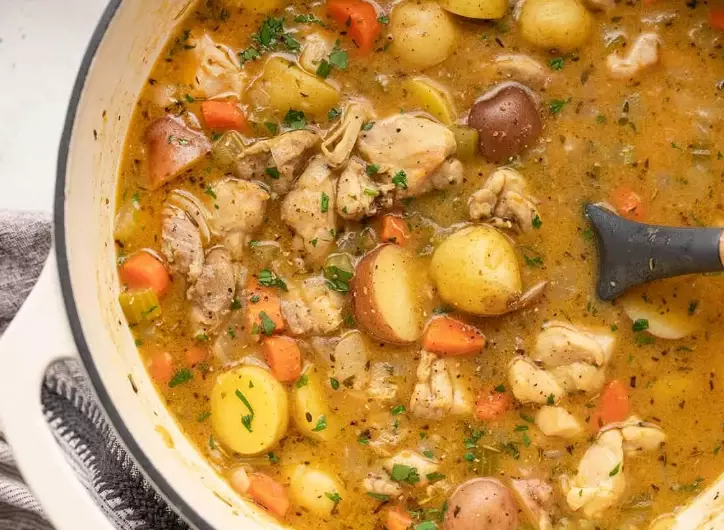
Some days you want that deep, fall-off-the-bone flavor that only comes from hours of gentle simmering. Other days, you need dinner on the table in under an hour. Both are valid. Both are delicious. The core question, how long does it take to prepare chicken stew, has answers from a speedy 45 minutes to a leisurely 6-8 hours. It all comes down to your method, your ingredients, and honestly, your patience level.
What Really Determines Your Chicken Stew's Clock?
Before we get to the timetables, let's break down the variables. These are the real bosses of your cooking time.
The Protein: It's All About the Cut
Your choice of chicken is the biggest time dictator. Boneless, skinless chicken breasts or thighs are the speed demons of the stew world. They cook through in 20-30 minutes of simmering. But if you're using bone-in, skin-on pieces (which, by the way, give way more flavor), you're looking at a minimum of 45 minutes to an hour just to get the meat tender and the flavor out of those bones. Stewing hens or whole chicken parts? Now you're in 1.5 to 2-hour territory for ultimate tenderness.
My personal favorite? Chicken thighs, bone-in and skin-on. I brown them first for that incredible fond in the pot, then let them simmer for a good hour. The meat is infinitely more flavorful than boneless. It's worth the extra 30 minutes, in my opinion.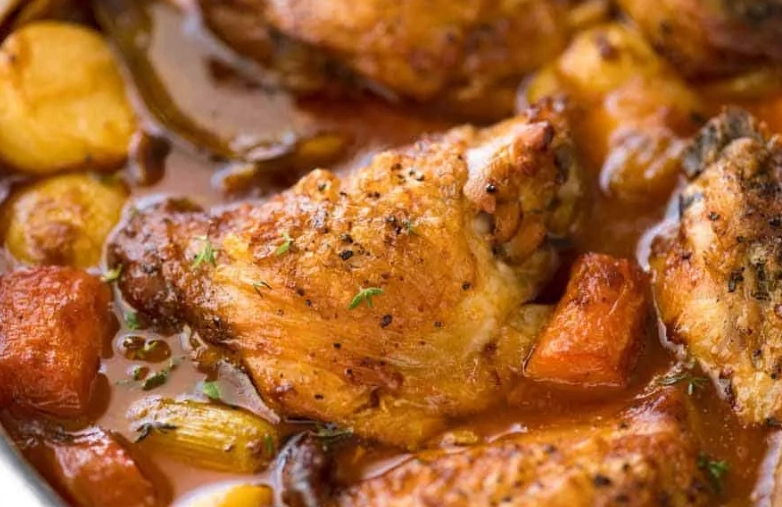
The Vegetable Squad: Size Matters
Dicing vs. chopping isn't just about looks. A 1-inch potato chunk will take nearly twice as long to become fork-tender as a 1/2-inch dice. Root vegetables (carrots, potatoes, parsnips) are slowpokes. Softer veggies (zucchini, mushrooms) are last-minute additions. If you throw everything in at once, you'll either have hard potatoes or disintegrated mushrooms. Not ideal.
The Flavor Foundation: Building vs. Borrowing
Are you starting from absolute scratch—chopping onions, mincing garlic, browning meat, deglazing the pot, toasting spices? That's active prep time right there, about 15-20 minutes before any simmering even begins. Using a pre-made mirepoix blend or a high-quality store-bought broth (like the ones from Swanson or College Inn) can cut that down. Some days, I'm all for the from-scratch ritual. Other days, a good boxed broth is my hero. There's no shame in it.
Method Showdown: How Long for Each Way?
This is where we get concrete. Let's compare the major cooking methods side-by-side. This table should give you a crystal-clear picture.
| Cooking Method | Active Prep Time | Simmer/Cook Time | Total Estimated Time | Best For |
|---|---|---|---|---|
| Stovetop (Quick Version) | 15-20 mins | 25-35 mins | 45-60 mins | Weeknight dinners, using pre-cut boneless meat. |
| Stovetop (Traditional) | 20-25 mins | 1 - 1.5 hours | 1.5 - 2 hours | Deep flavor development, bone-in chicken. |
| Slow Cooker / Crock-Pot | 20 mins | 4-8 hours (Low) | 4.5 - 8.5 hours | Hands-off cooking, all-day simmer, tenderizing tough cuts. |
| Instant Pot / Pressure Cooker | 15 mins (with sauté) | 15 mins (High Pressure) | 45-60 mins (includes pressurize/depressurize) | Speed without sacrificing tenderness. Game-changer. |
| Oven-Braised | 20-25 mins | 1.5 - 2 hours | 2 - 2.5 hours | Incredibly even, gentle heat. No stirring needed. |
See that spread? From 45 minutes to over 8 hours. That's the full spectrum of how long it takes to prepare chicken stew. The slow cooker is the ultimate "set it and forget it," but the Instant Pot is the modern miracle for getting slow-cooked texture in a fraction of the time. I use my Instant Pot for stew more than any other method now, especially on busy days.
The Pressure Cooker Revelation
If you're truly pressed for time, this is your answer. You can go from raw, bone-in chicken thighs to a deeply flavored, falling-apart stew in about an hour flat, including the time it takes for the pot to come to pressure and release. The high pressure forces flavor into the meat and breaks down connective tissue at an insane speed. It feels like cheating, but it works.
Your Step-by-Step Timeline (The Traditional Stovetop Way)
Let's walk through a classic, from-scratch timeline. This assumes bone-in chicken thighs, which is my recommended starting point for flavor.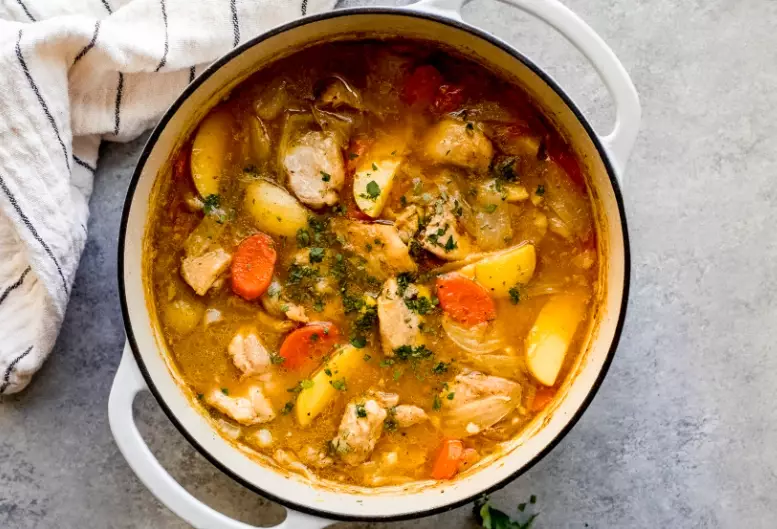
Phase 1: Prep & Brown (20-25 Minutes)
This is your active work. Chop your onions, carrots, celery. Mince garlic. Pat the chicken dry and season it. Heat your pot, add oil, and brown the chicken pieces in batches. Don't crowd the pan! This step is non-negotiable for flavor—those browned bits (fond) are liquid gold. Remove the chicken, sauté the veggies until softened. Add tomato paste, let it cook for a minute. Sprinkle flour to thicken later.
This phase sets the stage. Rushing here means a weaker flavor foundation.
Phase 2: The Simmer (1 - 1.5 Hours)
Add your liquid (broth, wine, water), scrape up the fond, return the chicken. Bring to a boil, then immediately reduce to the gentlest simmer you can manage. A few bubbles should barely break the surface. Cover partially. This is the waiting game. The chicken needs this low, slow heat to become tender and for the flavors to marry. At the 45-minute mark, check the chicken. It should be starting to pull away from the bone. Add your hardy vegetables now.
How do you know it's done? The meat should offer no resistance when pulled with a fork. If it's still clinging to the bone, give it more time. There's no shortcut here.
Phase 3: Final Touches (10 Minutes)
Chicken is tender, veggies are cooked. Remove the chicken, shred or chop the meat off the bone, discard skin and bones. Skim any excess fat from the stew surface if you want. Return the meat to the pot. Now add any delicate veggies (peas, corn, spinach) and fresh herbs. Taste. This is where you adjust—more salt? A squeeze of lemon? A dash of hot sauce? Let it heat through for 5 final minutes.
So, for a traditional stovetop stew, you're looking at a solid preparation time for chicken stew of about 1 hour 45 minutes, with only the first 25 minutes being hands-on. The rest is just your kitchen smelling amazing.
Can You Make Chicken Stew Faster? (The Hacks)
Absolutely. If the classic timeline gives you anxiety, here's how to compress it.
- Use Smaller Pieces: Buy pre-diced boneless chicken thigh meat. It cooks in 20 minutes.
- Pre-Cut Veggies: Grab a mirepoix mix from the produce section. Or use frozen diced onions and carrots—they go straight from freezer to pot.
- Boost with Flavor Shortcuts: A spoonful of good quality chicken base (like Better Than Bouillon) can add depth if your simmer time is short. A dash of fish sauce or soy sauce adds umami quickly.
- Thicken Smart: Instead of a flour roux that needs time to cook out, mix a tablespoon of cornstarch with two tablespoons of cold water and stir it in at the end. It thickens in one minute of boiling.
With these hacks, you can legitimately get a satisfying chicken stew on the table in 45-50 minutes total. It won't have the profound depth of an all-day stew, but it'll be hearty, delicious, and solve the dinner problem.
The Long Game: Slow Cooker & Oven Magic
On the other end of the spectrum, why would anyone choose to take 8 hours? Because the results are transcendent. The connective tissues and collagen in the chicken bones and skin have hours to slowly dissolve into the broth, creating a body and richness that is impossible to achieve quickly. The flavors from herbs, wine, and vegetables meld into a single, harmonious note.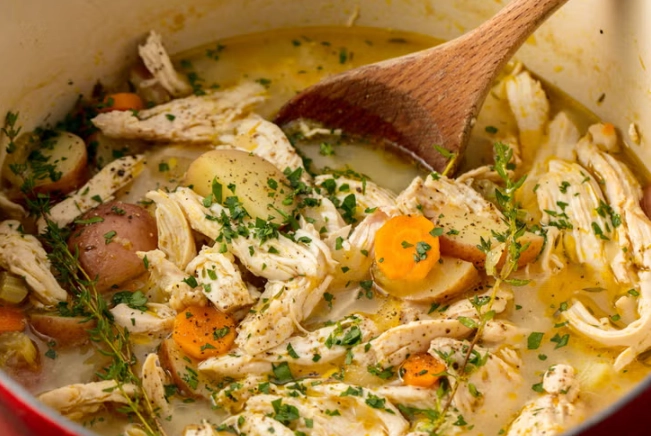
In a slow cooker, you do your quick sauté (if you want—though you can skip it and just dump everything in), then let time do the work. An oven, set at 300°F (150°C), provides the most consistent, even, gentle heat. You come home or pull it out of the oven to a meal that feels like a hug. The total cooking time for chicken stew here is long, but your active involvement is minimal. It's about planning, not labor.
Answering Your Burning Stew Questions (FAQ)
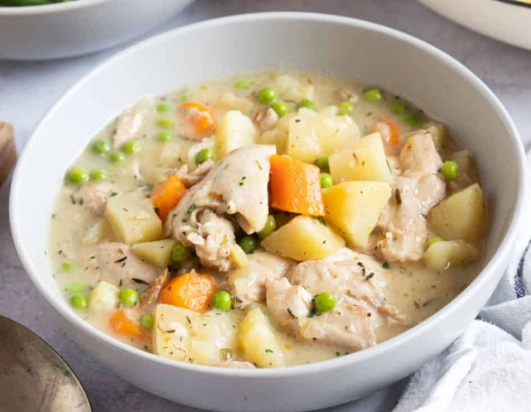
Final Thoughts: It's About Your Time, Not Just the Clock
So, after all this, what's the final answer to how long does it take to prepare chicken stew? It takes as long as you have, and as long as you want to invest. The beauty of this dish is its flexibility. It can be a quick weeknight savior or a weekend project that fills your home with incredible aromas for hours.
My advice? If you're new to this, try the traditional stovetop method once on a weekend. Get a feel for the simmer, the way the flavors change. Then, experiment. Try the pressure cooker for a speed run. Try the slow cooker for ultimate ease. The time will always be a factor, but it shouldn't be a barrier. With the right plan, you can have a pot of comforting, delicious chicken stew ready whenever you need it. Now, go check what's in your fridge. You're probably closer to a great stew than you think.
And remember, the best resource for recipe inspiration and technique is often other passionate cooks. Sites like Serious Eats dive deep into the science of cooking, which can help you understand the "why" behind the time, making you a more confident cook.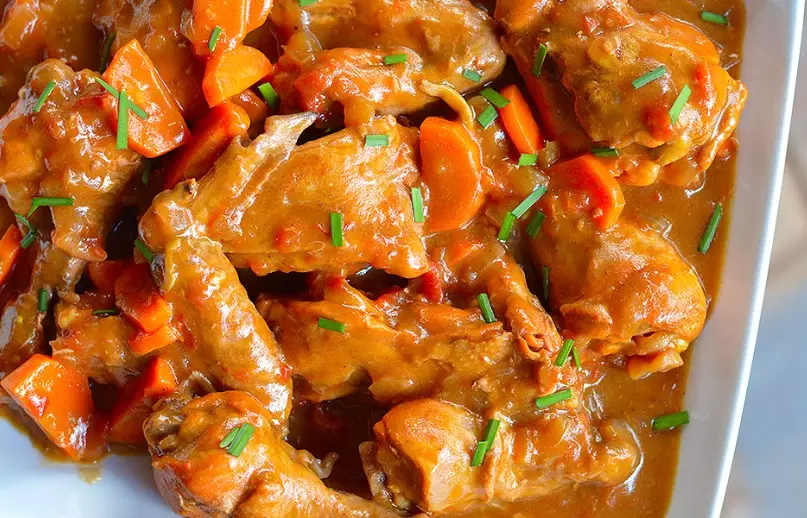
Reader Comments