Let's be honest. The idea of coming home to a ready-made, hearty vegetarian slow cooker soup is pure magic. No frantic chopping at 6 PM, no watching a pot boil over. Just warmth and flavor waiting for you. But too many recipes end up as a bland, mushy disappointment. I've been there—a pot of beige liquid with disintegrating vegetables that tasted like nothing.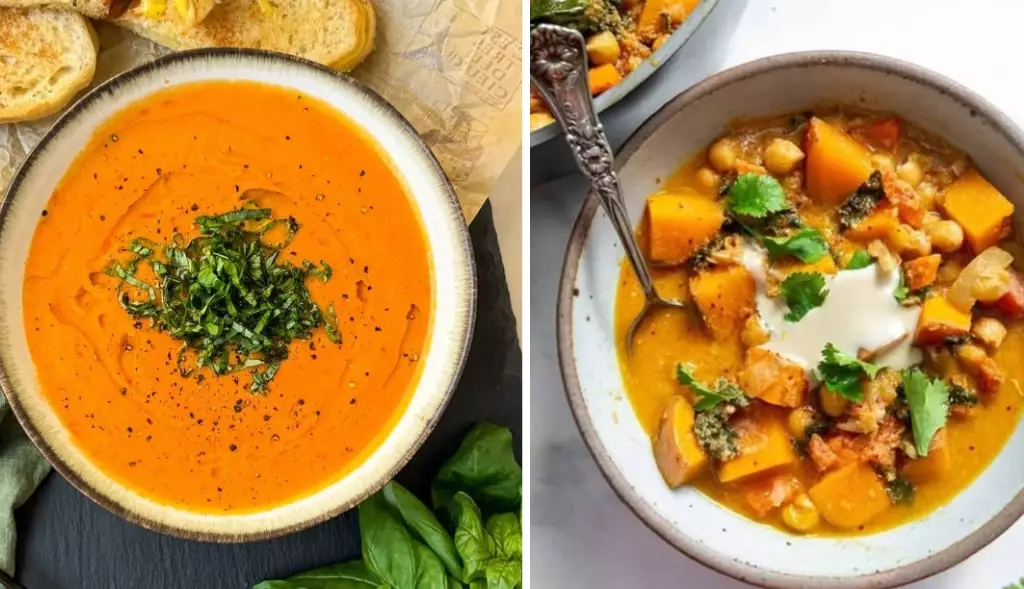
After a decade of tweaking and testing, I've cracked the code. It's not about fancy ingredients. It's about understanding how the slow cooker works for plant-based cooking. This guide will move you from hoping for the best to knowing exactly how to build deep flavor and perfect texture, every single time.
Your Soup Journey Starts Here
Why Vegetarian Slow Cooker Soups Are a Smart Choice
It's more than just convenience. A good slow cooker becomes your secret weapon for healthy, economical eating.
You save money by using dried beans and lentils (a fraction of the cost of canned). You control the sodium, unlike most store-bought soups. And nutritionally, you're packing in fiber, vitamins, and plant-based protein in a way that's incredibly satisfying. The long, gentle heat coaxes out sweetness from root vegetables and melds spices in a way a quick simmer just can't match.
But the real win? Mental space. On a busy Monday morning, spending 15 minutes layering ingredients feels manageable. It's a decision made, freeing you from the "what's for dinner?" dread that hits at 5 PM.
Building Your Soup Foundation: The Four Pillars
Think of your soup as a house. You need a solid foundation. These four elements are non-negotiable.
1. The Aromatics & Vegetables
Onions, garlic, carrots, and celery are the classic start. But don't stop there. For deeper flavor, consider a quick sauté in a pan before they go in the pot. It takes 5 minutes and adds a caramelized richness that raw veggies won't give you.
Sturdier vegetables are your friends: potatoes, sweet potatoes, parsnips, turnips, winter squash, mushrooms. They hold up for hours. Save delicate greens like spinach or zucchini for the last 30 minutes.
2. The Protein & Heartiness
This is where vegetarian soups get their staying power. You have options, and they behave differently.
| Protein | Best For | Prep & Timing Tip |
|---|---|---|
| Brown/Green Lentils | Hearty texture, holds shape | Add dry at the start (6-8 hrs on Low). |
| Chickpeas / Kidney Beans | Chewy, substantial bite | Use canned (add last hour) or soaked dry beans (add at start). |
| Red Lentils / Split Peas | Natural thickening, creamy result | Add dry at start; they will dissolve completely. |
| Quinoa | Light protein, adds body | Add uncooked during the last 2 hours. |
A common mistake? Using canned beans and adding them at the beginning. They turn to mush. Treat them like a finishing ingredient.
3. The Liquid & Seasoning
Vegetable broth is the go-to, but quality varies wildly. A good one makes a difference. I often use a combination of broth and water with a tablespoon of tomato paste or white miso stirred in—this builds an umami base layer.
Herbs and spices are key. Dried herbs (thyme, oregano, rosemary) can go in early. Always add fresh herbs (parsley, cilantro, dill) at the very end. Salt is tricky. Underseason at the beginning because the liquid reduces and flavors concentrate. You can always add more at the end. A splash of acid—lemon juice, vinegar, a dash of wine—added just before serving is the secret weapon that makes all the other flavors pop.
4. The Fat & Finish
A little fat carries flavor. Olive oil drizzled in at the start, or a swirl of coconut milk at the end for creamy soups. A tablespoon of butter or olive oil blended in at the end adds a luxurious mouthfeel to even the simplest lentil soup.
Three Slow Cooker Soup Recipes That Actually Work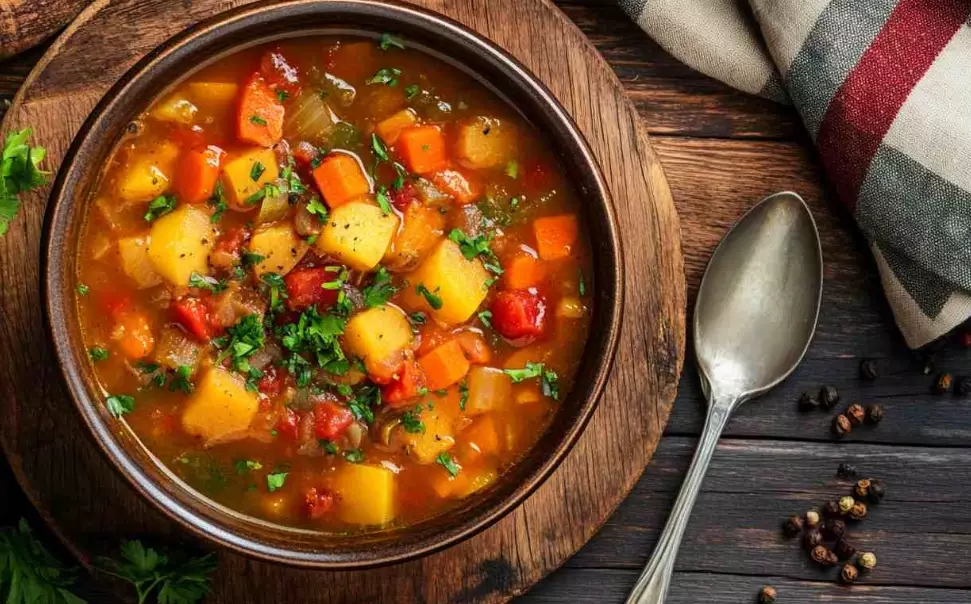
Here are three blueprints I rely on. They're templates—feel free to swap vegetables based on what's in your fridge.
1. The Weeknight Warrior: Hearty Lentil & Vegetable
This is my fallback. It's forgiving, nutritious, and freezes perfectly.
Chop 1 onion, 3 carrots, and 3 celery stalks. Toss them in the slow cooker with 1 cup of brown lentils (rinsed), a 14-ounce can of diced tomatoes, 4 cups of vegetable broth (not 6!), 2 bay leaves, 1 tsp dried thyme, and a good pinch of salt and pepper.
Cook on Low for 7-8 hours. Discard the bay leaves. Stir in a handful of chopped kale or spinach 30 minutes before serving. Finish with a squeeze of lemon juice. It's simple, but the lemon at the end makes it.
2. The Creamy Dream: White Bean & Rosemary with Kale
Comfort in a bowl, with no actual cream.
Sauté 1 diced onion and 3 minced garlic cloves in a pan until soft. Add to the slow cooker with 3 cans of drained and rinsed cannellini beans, 4 cups of broth, 2 sprigs of fresh rosemary, and the rind from a piece of Parmesan cheese (this is a magic trick for savoriness).
Cook on Low for 6 hours. Remove the rosemary stems and cheese rind. Use an immersion blender to puree about one-third of the soup right in the pot—this thickens it naturally. Stir in chopped kale, cook on High for another 20 minutes. Serve with black pepper and a drizzle of good olive oil.
3. The Flavor Bomb: Thai Coconut Curry Sweet Potato
This one wakes up your taste buds.
Whisk 1 can of coconut milk, 3 cups of broth, 2 tbsp red curry paste, 1 tbsp soy sauce, and 1 tbsp brown sugar in the slow cooker. Add 2 large sweet potatoes (peeled and cubed) and 1 chopped red bell pepper.
Cook on Low for 6 hours. Use a fork to mash some of the sweet potatoes against the side of the pot to thicken the broth. Stir in a cup of frozen peas and the juice of one lime. Serve topped with fresh cilantro and chopped peanuts.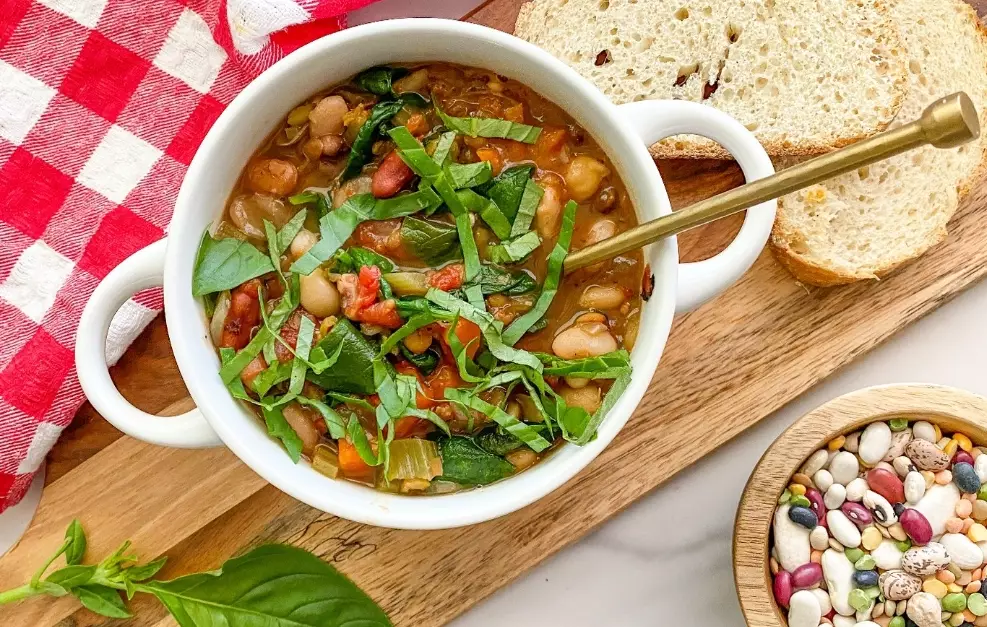
Pro Tips for Soup Perfection (Beyond the Recipe)
How to Layer Ingredients for Perfect Texture
Hard, dense vegetables and dry legumes go on the bottom, closer to the heat source. Softer vegetables and pre-cooked or canned beans go on top. Delicate greens and fresh herbs are added last.
How to Thicken Your Vegetarian Slow Cooker Soup
If your soup is too thin at the end, don't just add flour. Try these first:
- Use an immersion blender to puree a portion directly in the pot.
- Mash some of the beans or potatoes against the side.
- Make a slurry with 2 tbsp of cornstarch and 3 tbsp of cold water, stir it in, and cook on High for 15-20 minutes.
How to Boost Umami (The "Savory" Factor)
This is what makes soup satisfying. Add a tablespoon of tomato paste, a spoonful of white or red miso, a piece of dried mushroom, a strip of kombu seaweed, or a dash of soy sauce or Worcestershire sauce (check for anchovies if vegan).
Your Slow Cooker Soup Questions, Answered
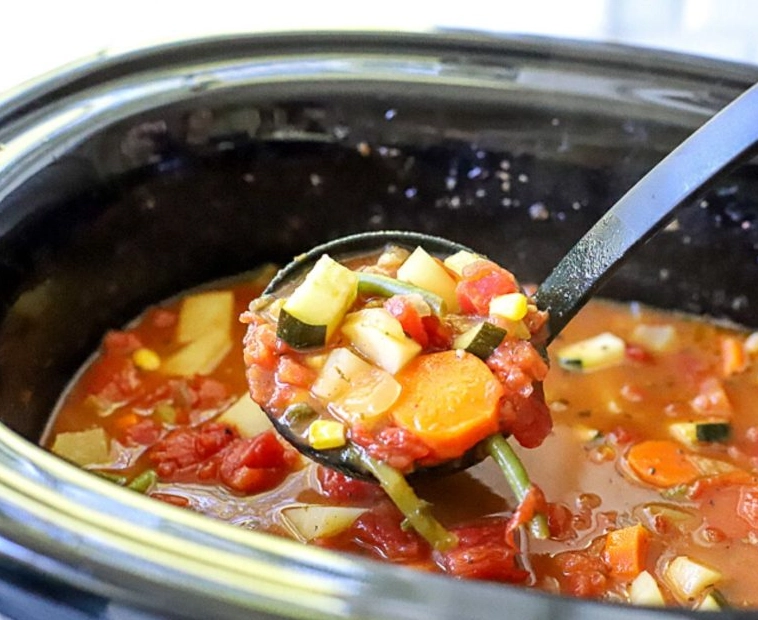 Why is my vegetarian slow cooker soup bland or watery?
The beauty of vegetarian slow cooker soups is their flexibility. Once you understand the framework—the foundation of aromatics, hearty elements, liquid, and seasoning—you can stop following recipes and start creating. Use what you have. Taste as you go, especially at the end. That final adjustment of salt and acid is what transforms a good soup into a great one.
 Your slow cooker isn't just for pot roasts. It's a tool for building effortless, nourishing, and deeply flavorful plant-based meals. Start with one of the blueprints above, and make it your own.
Reader Comments