Quick Navigation
- Why a Slow Cooker is Your Brisket's Best Friend
- The Core Recipe: Building Your Flavor Foundation
- Choosing Your Beef Brisket: A Quick Guide
- Answering Your Beef Brisket Casserole Questions
- Leveling Up: Flavor Variations for Your Casserole
- The Vegetable Medley: What Works and What Doesn't
- Essential Equipment & Final Thoughts
Let's be honest. The idea of a beef brisket casserole slow cooker recipe sounds like a weekend project, right? Something you need to babysit for hours. I used to think that too, until I figured out the slow cooker is actually the secret weapon for turning a tough, intimidating cut of meat into the most forgiving, flavorful, and hands-off dinner imaginable.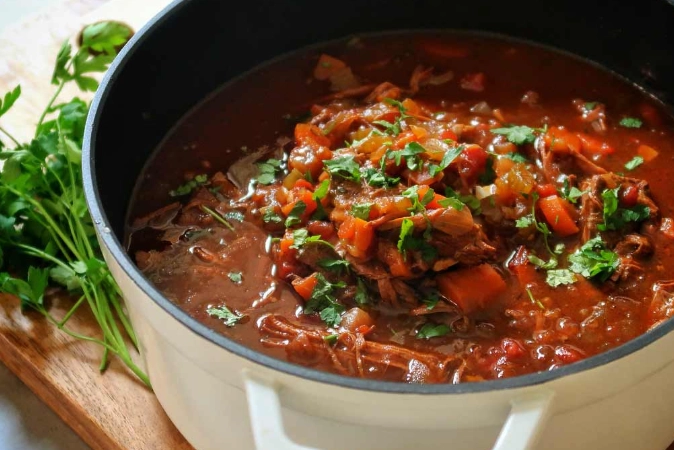
This isn't just another recipe. This is the full breakdown—the why, the how, and the "what went wrong"—for creating a beef brisket casserole that's fall-apart tender, packed with deep flavor, and makes you look like a kitchen hero with minimal effort. We're ditching the stress and focusing on pure, comforting results.
Why a Slow Cooker is Your Brisket's Best Friend
Brisket is a hardworking muscle. It's full of connective tissue (collagen) that needs time and low, gentle heat to break down and transform into gelatin. That's what gives you that incredible, juicy tenderness. Trying to rush it with high heat is a one-way ticket to tough, chewy meat.
I learned this the hard way early on. I tried a "quick" brisket in the oven and it was like eating a leather shoe. A total waste of a good piece of meat. The slow cooker eliminates that risk entirely.
Here’s the magic: the slow cooker provides that perfect, steady, low-temperature environment. It surrounds the beef brisket casserole ingredients with moist heat for hours, gently melting the collagen without boiling the meat or drying it out. You're essentially braising it in its own glorious juices, along with whatever vegetables and liquids you add. It's foolproof in a way that ovens and instant pots sometimes aren't, because the temperature control is so consistent.
You get to walk away for 8 hours. Go to work, run errands, take a nap. Come back to a house that smells incredible and a meal that's ready to go. That's the real win of the slow cooker beef brisket casserole.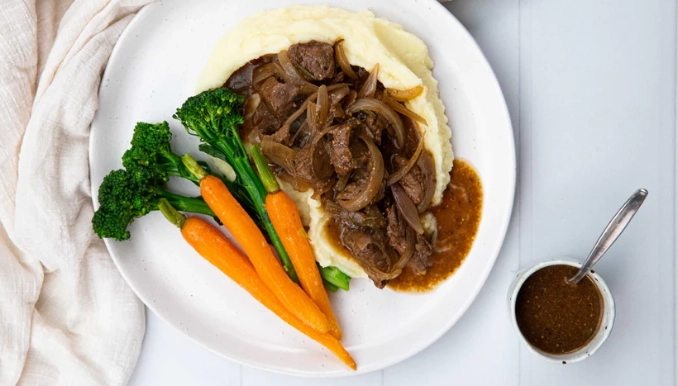
The Core Recipe: Building Your Flavor Foundation
This is the basic blueprint. Think of it as your canvas. We'll get to variations and pro tips in a second.
What You'll Need (The Shopping List)
The Star: A 3-4 pound beef brisket (flat cut is easier to find and fits in the pot better, point cut is more marbled and richer). More on choosing the right cut below.
The Aromatics: 2 large onions (sliced), 4-5 cloves garlic (minced), 2-3 carrots (chopped into chunks).
The Liquid Braise: 1 cup beef broth (low sodium is best), ½ cup red wine, BBQ sauce, or even just more broth. 2 tablespoons Worcestershire sauce. 1 tablespoon tomato paste.
The Flavor Builders: 1 tablespoon smoked paprika, 2 teaspoons dried thyme, 1 teaspoon onion powder, salt and black pepper.
The Casserole Element (added later): 1.5 pounds potatoes (Yukon Gold or red, cut into 1-inch chunks). Optional: a can of drained butter beans or a cup of frozen peas thrown in at the very end.
The Step-by-Step Process (It's Simpler Than You Think)
- Prep the Brisket: Pat it completely dry with paper towels. This is crucial for getting a good sear. Rub it all over with a mixture of salt, pepper, smoked paprika, and thyme. Don't be shy.
- Sear (Optional but Recommended): Heat a bit of oil in a heavy skillet over medium-high heat. Sear the brisket for 3-4 minutes per side, until you have a deep brown crust. This isn't to "lock in juices" (that's a myth), but to build incredible flavor through the Maillard reaction. That fond in the pan is liquid gold.
- Deglaze: If you seared, toss your onions into the hot skillet for a minute to soften slightly, then pour in a bit of your broth or wine to scrape up all those browned bits. If you skipped searing, just slice your onions.
- Layer the Slow Cooker: Place the onions (and any skillet juices) in the bottom of your slow cooker. Add the carrots and garlic. Place the seared (or raw) brisket on top. Whisk together the remaining broth, Worcestershire, tomato paste, and any other liquids, then pour it around—not directly over—the meat.
- The Long Wait: Cover and cook on LOW for 6-7 hours. This is the first phase, just for the meat. High heat is too aggressive for brisket; low and slow is the only way.
- Add the Potatoes: After 6-7 hours, carefully remove the brisket to a plate (it will be tender, use two spatulas). Skim any excess fat from the surface of the juices if you want. Add the potato chunks to the liquid and vegetables in the pot. Stir them to coat. Place the brisket back on top of the potatoes.
- Finish the Cook: Cover and cook on LOW for another 1.5 to 2 hours, until the potatoes are tender and the brisket is fork-tender.
- Serve: Transfer the brisket to a cutting board. Let it rest for 10 minutes, then slice it against the grain. This is non-negotiable for tenderness. Serve slices with the potatoes, carrots, and plenty of that amazing cooking liquid spooned over the top.
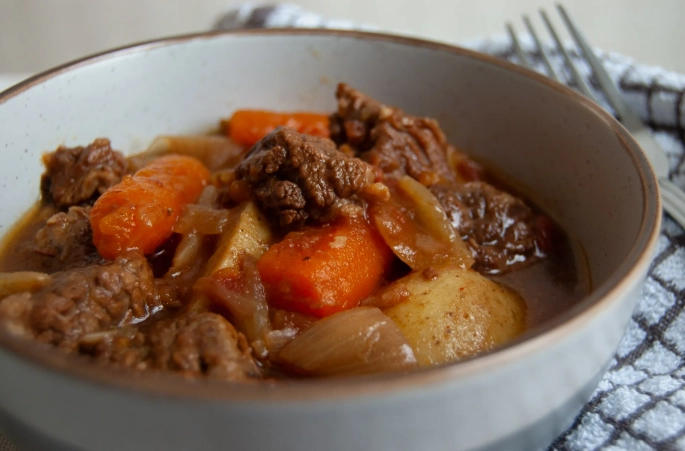
My #1 Tip: Don't skip searing. I know it's an extra pan to wash, but that browned crust adds a depth of flavor you just can't get otherwise. It takes a good beef brisket casserole slow cooker recipe and makes it a great one.
Choosing Your Beef Brisket: A Quick Guide
This trips up a lot of people. You go to the store and see a few different things labeled "brisket." Here’s the simple breakdown to make sure you get the right one for your casserole.
| Cut Name | What It Looks Like | Best For Slow Cooker Casserole? | Notes & My Take |
|---|---|---|---|
| Whole Packer Brisket | Very large (12+ lbs), includes both the flat and point muscles. | No. | This is for smoking a full Texas-style brisket. Too big for most slow cookers and too much meat for a standard casserole. |
| Flat Cut (First Cut) | Leaner, rectangular, uniform shape with a fat cap on one side. | Yes - Excellent. | This is the most common cut you'll find. It slices neatly, fits perfectly in the pot, and absorbs flavors well. Can dry out slightly if overcooked, but the slow cooker's moist environment prevents this. |
| Point Cut (Second Cut, Deckle) | Thicker, more irregular shape, with much more internal marbling (fat running through it). | Yes - Fantastic. | My personal favorite for a slow cooker beef brisket casserole. The extra fat melts during the long cook, making it incredibly juicy and rich. It's harder to find but worth asking your butcher for. |
| "Corned Beef" Brisket | Looks like a flat cut, but is cured and seasoned (often pink). | No, for this recipe. | This is already salted and spiced for corned beef and cabbage. Using it here would result in an overly salty, strangely flavored dish. Avoid for a traditional casserole. |
For food safety and handling tips when preparing any raw meat, including brisket, it's always good practice to refer to guidelines from authoritative sources like the USDA's Food Safety and Inspection Service.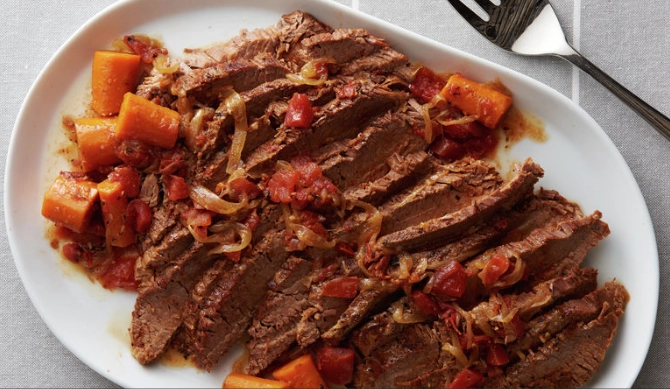
Answering Your Beef Brisket Casserole Questions
Here are the things I get asked most, or the problems people run into.
Can I just throw everything in at the start?
You can, but you shouldn't. Potatoes will turn to mush if cooked for 8+ hours. Adding them in the last couple of hours ensures they hold their shape and texture. It's a simple step that makes a big difference in the final dish.
My meat is tough! What happened?
It's undercooked. Brisket is done when it's probe-tender—a fork or skewer slides in with little to no resistance. Time is just a guide. If it's still tough after 8 hours on low, just let it keep going. Check every 45 minutes. Connective tissue breaks down at a specific temperature range (around 195-205°F internally), and it's done when it's done.
Can I cook it on HIGH to save time?
I strongly advise against it. High heat will make the muscle fibers contract and squeeze out moisture before the collagen has a chance to break down. You'll likely end up with a tough, dry brisket floating in liquid. The "slow" in slow cooker beef brisket casserole is the most important word. If you're short on time, choose a different cut of meat like chuck roast, which is more forgiving.
What can I use instead of wine?
No problem. Use more beef broth, a splash of apple cider vinegar or balsamic vinegar for acidity, unsweetened apple juice, or even a strong black coffee (sounds weird, but it adds amazing depth). The goal is liquid and flavor complexity.
How do I store and reheat leftovers?
This is one of those dishes that tastes even better the next day. Store the meat, vegetables, and gravy together in an airtight container in the fridge for up to 4 days. To reheat, do it gently—in a covered dish in the oven at 300°F, or in a saucepan on the stovetop with a splash of water or broth to keep it moist. The microwave can make the meat a bit rubbery.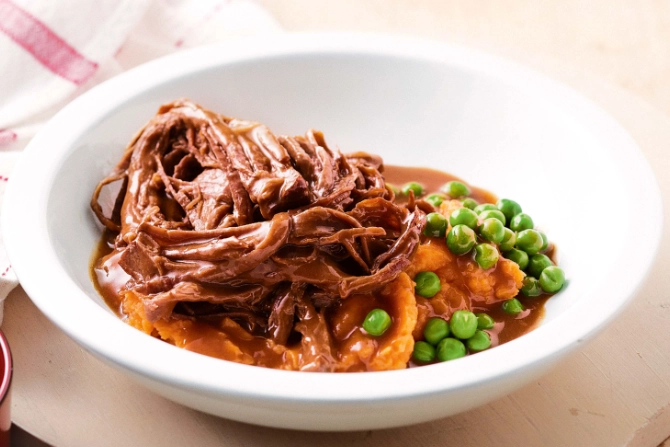
Leveling Up: Flavor Variations for Your Casserole
Once you've mastered the basic beef brisket casserole slow cooker method, the world is your oyster. Here are some of my favorite twists.
The BBQ Brisket Casserole: Swap the red wine for ¾ cup of your favorite BBQ sauce mixed with ¼ cup broth. Add a teaspoon of liquid smoke (sparingly!) if you want that smokey vibe. Serve with pickled onions on top.
The "Pot Roast" Style: Add a couple of sprigs of fresh rosemary and a handful of pearl onions along with the carrots. Use a dry red wine like Cabernet Sauvignon for the liquid.
The Mushroom & Herb Version: Sauté a pound of sliced cremini mushrooms after you sear the meat. Use a dry sherry or marsala wine instead of red wine. Finish with a handful of fresh chopped parsley.
The point is, this recipe is a template. Make it your own.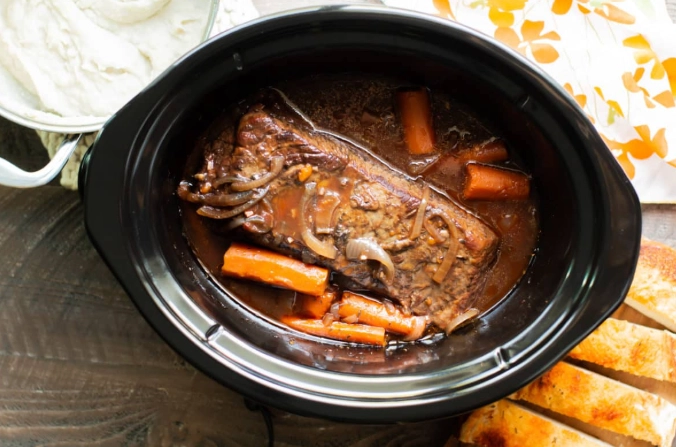
The Vegetable Medley: What Works and What Doesn't
Not all veggies are created equal for a long, slow cook.
Great Additions (Add at the start with carrots): Celery stalks (cut large), parsnips, turnips, whole garlic cloves. These hold up well.
Add Later (With the potatoes, last 1-2 hours): Potatoes (obviously), sweet potatoes (they soften faster), thick slices of bell pepper, chunks of zucchini or summer squash.
Add at the Very End (Last 15-30 minutes, just to heat through): Frozen peas, frozen corn, canned beans (drained and rinsed), leafy greens like spinach or kale.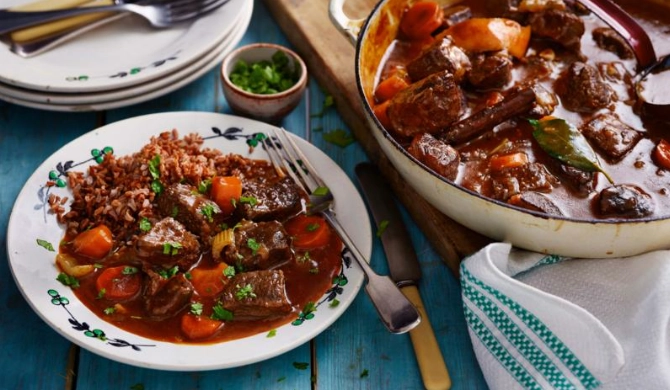
I once added broccoli florets at the beginning thinking "more veggies are better." Big mistake. They dissolved into a bitter, mushy green sludge. Learn from my error!
Essential Equipment & Final Thoughts
You don't need much. A good 6-quart or larger slow cooker is ideal. If you sear, a heavy-bottomed skillet (cast iron is perfect). A sharp knife for slicing against the grain. That's really it.
At its heart, a beef brisket casserole made in the slow cooker is about trust. Trust in the process, trust in the low heat, and trust that a little patience yields a spectacular reward. It’s the definition of comfort food—hearty, satisfying, and made with a simplicity that feels grounding.
So grab a brisket, layer it up, and let the slow cooker do what it does best. You’ll end up with a meal that feels like a warm hug, and honestly, who couldn’t use one of those?
Reader Comments