In This Stew Guide
- Why This Old School Stove Top Method Still Beats Everything Else
- The Beef: Your Single Most Important Decision
- The Holy Trinity (Plus One) of Aromatics
- The Liquid: Building Your Broth from Scratch
- The Vegetable Conundrum: When to Add What
- The Final Touch: Thickening and Finishing
- Storing, Reheating, and Why Leftovers Are Better
- Answering Your Beef Stew Questions (FAQ)
Let's be honest. Sometimes you just need a bowl of something that feels like a hug from the inside. That's the magic of a proper old fashioned beef stew recipe for the stove top. It's not about fancy techniques or obscure ingredients. It's about coaxing deep, rich flavor from humble things—a tough cut of beef, some onions, carrots, and time. I've made this a hundred times, messed it up a dozen, and finally landed on a method that works every single time.
Why fuss with the stove top instead of a slow cooker or Instant Pot? For me, it's about control. You develop flavors in layers. You get to babysit it a little, adjust the simmer, and the result has a depth that other methods sometimes miss. It's the classic way, and for good reason.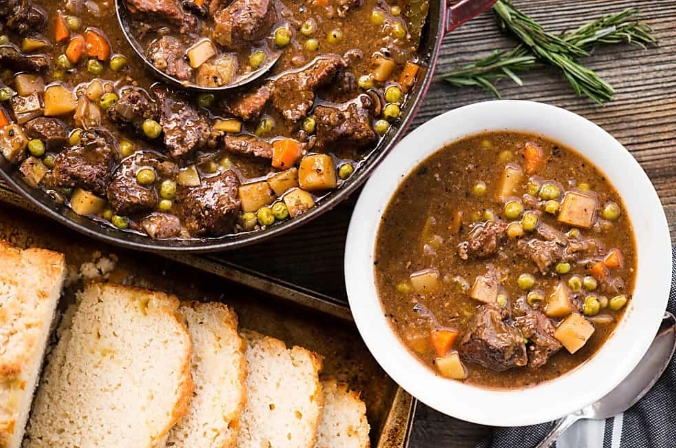
Why This Old School Stove Top Method Still Beats Everything Else
You'll see a million recipes out there. Many are fine. But the ones that truly taste like memory, like a chilly Sunday at your grandma's house, almost always follow this stove top path. The direct, adjustable heat of your burner lets you nail the initial sear (crucial for flavor) and then maintain that gentle, barely-there bubble that melts connective tissue without turning your veggies to mush.
I tried the slow cooker version for years, convinced it was easier. It is easier—dump and go. But I always missed the fond, those little browned bits stuck to the pot after searing the meat. That's pure flavor gold. On the stove top, you deglaze it right into your stew. No waste, all taste.
The Beef: Your Single Most Important Decision
Get this wrong, and no amount of simmering will save you. You want a cut with lots of connective tissue and marbling. This tissue breaks down over long, slow cooking into gelatin, which gives you that fall-apart tenderness and body to the sauce. Lean, tender cuts like sirloin or tenderloin will just become dry and tough—a total waste of money for this purpose.
Here’s the breakdown of the usual suspects:
| Beef Cut | Why It Works (or Doesn't) | Fat/Connective Tissue Level | My Personal Take |
|---|---|---|---|
| Chuck Roast/Stew Meat | The champion. Perfect marbling, great flavor, affordable. Breaks down beautifully. | High | My go-to 95% of the time. Consistent and reliable. |
| Brisket (point end) | Extremely flavorful, very rich. Can be a bit fattier, which some love. | Very High | Fantastic, but I often trim a bit more fat. Makes an unbelievably rich stew. |
| Short Ribs (boneless) | Ultra-beefy flavor, incredibly tender. Usually more expensive. | High | A special occasion choice. The flavor is deep and intense. |
| Round or Rump Roast | Leaner. Can work but risks being dry if not cooked perfectly. | Low-Medium | I avoid it for stew. It lacks the fat needed for that unctuous mouthfeel. |
| "Stew Meat" (pre-cut) | Convenient, but often a mystery mix of trimmings. | Variable | Check it carefully. If it looks lean, skip it. I prefer cutting my own from a chuck roast. |
See what I mean? Chuck is your friend. I buy a whole chuck roast and cube it myself. It takes five extra minutes and guarantees uniform, good-quality pieces. The USDA has a handy beef grading guide that explains marbling, but for stew, just look for meat with lots of little white streaks running through it.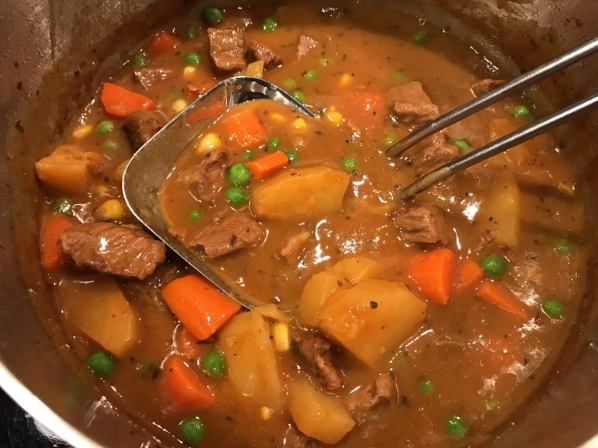
Prepping the Beef: A Dry Surface is a Browned Surface
This is the secret they don't always shout about. Pat your beef cubes very dry with paper towels. I mean, get them as dry as you can. Moisture is the enemy of browning. It creates steam. Then, season them generously with salt and pepper just before they hit the pot. Salting too early can draw out moisture again.
I use a mix of oil and a little butter for searing. The oil has a high smoke point, the butter gives flavor. Get your heavy pot (Dutch oven is ideal) good and hot over medium-high heat. Don't crowd it. Do it in batches. Walk away and let it sit for a few minutes to form a proper crust before you even think about moving it. This step builds the flavor foundation for your entire old fashioned beef stew recipe stove top.
The Holy Trinity (Plus One) of Aromatics
After the beef is seared and set aside, in go the flavor builders. This is where you make the gravy amazing.
- ? Onions: Yellow onions, diced. They sweeten and melt down.
- ? Garlic: Minced, added later so it doesn't burn.
- ? Carrots & Celery: The classic mirepoix base. I chop some fine here for the base, and save bigger chunks for later.
- ➕ The "Plus One": Tomato Paste. This is my non-negotiable extra. A big spoonful cooked for a minute or two until it darkens slightly. It adds a deep, savory backbone (umami) that rounds out everything.
You cook these in the leftover beef fat until they soften and smell incredible. That tomato paste should coat the veggies and start to stick a bit to the bottom of the pot. More fond! More flavor!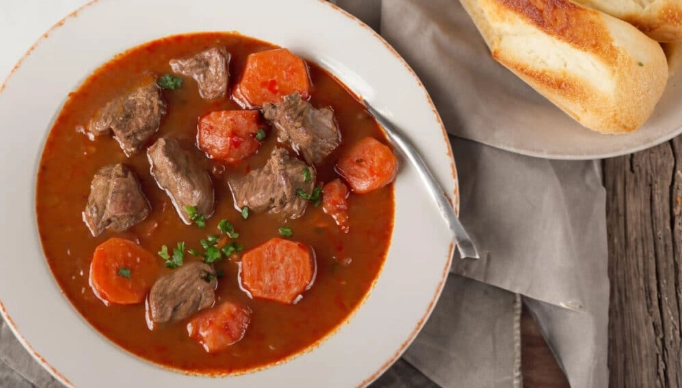
The Liquid: Building Your Broth from Scratch
Here's where the magic happens. You've got all these browned bits (the fond) stuck to the pot. Don't you dare scrub them off. You're going to deglaze.
- Deglaze with Red Wine (or not): A good glug of dry red wine like a Cabernet or Merlot. Pour it in and scrape the bottom vigorously with a wooden spoon. The wine sizzles, loosens all that goodness, and reduces by half, concentrating its flavor. If you don't use wine, use a bit of extra broth. It still works.
- Add the Stock/Broth: Use a good-quality beef broth. Low-sodium is best so you can control the salt. Pour it in, bring it to a simmer.
- Herbs: A couple of bay leaves. Some fresh thyme sprigs if you have them (dried works in a pinch). That's it. No need for a dozen spices. This is an old fashioned beef stew recipe stove top, not a curry.
Now, the beef goes back in. The liquid should just about cover the meat. Bring it to a very gentle simmer—a few bubbles breaking the surface here and there. Then, you partially cover it (leave the lid ajar) and walk away. For a long time. Like, 1.5 to 2 hours. This is the slow transformation phase.
The Vegetable Conundrum: When to Add What
This is the trick to not having mushy carrots and potatoes. You don't add them all at the start.
After the beef has been simmering for about 90 minutes and is starting to become tender, then you add your chunky vegetables: big pieces of carrot, potatoes (Yukon Golds hold their shape beautifully), maybe some parsnips. You want them to cook for the last 30-45 minutes, just until tender but not disintegrating.
Peas? If you're using them, stir them in during the last 5 minutes of cooking. They just need to heat through.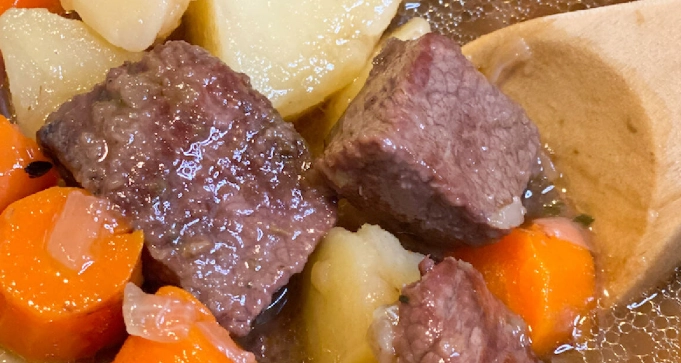
The Final Touch: Thickening and Finishing
Your stew is done when the beef is tender enough to cut with a spoon. Now, check the consistency. Sometimes it's perfect. Sometimes it's a bit thin. If you want it thicker, here are your options:
- Flour Slurry: Mix 2 tablespoons of flour with 3-4 tablespoons of cold water or stew liquid until smooth. Stir this into the simmering stew and cook for 5-10 minutes to thicken and lose the raw flour taste.
- Cornstarch Slurry: Mix 1 tablespoon cornstarch with 2 tablespoons cold water. Stir in for a clearer, glossier thickening. Works faster than flour.
- The Lazy/Natural Way: Just mash a few of the potato chunks against the side of the pot with a fork and stir them in. They'll thicken the broth naturally.
Taste it. Always taste it. Does it need more salt? A grind of black pepper? A splash of something bright—a teaspoon of red wine vinegar or a dash of Worcestershire sauce can wake up all the flavors perfectly.
Storing, Reheating, and Why Leftovers Are Better
This stew is arguably better on day two. The flavors marry and deepen. Let it cool completely before storing it in the fridge for up to 4 days. It also freezes beautifully for 3 months. Thaw overnight in the fridge.
To reheat, do it gently on the stove top over low heat, stirring occasionally. If it seems too thick, add a splash of broth or water to loosen it.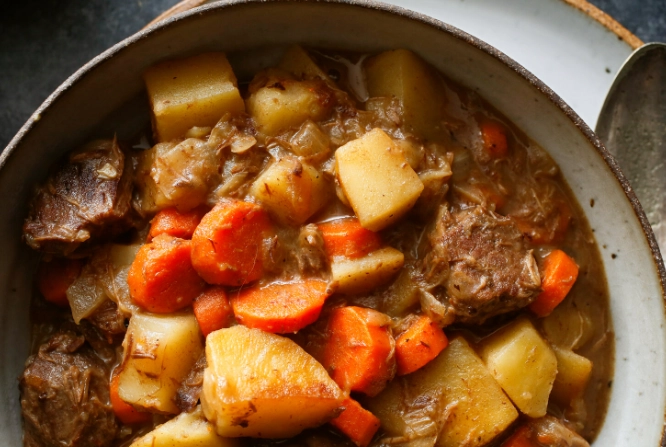
Answering Your Beef Stew Questions (FAQ)
Can I make this old fashioned beef stew recipe stove top without wine?
Absolutely. Just skip the deglazing step with wine and use extra beef broth instead. You might add an extra teaspoon of tomato paste or a dash of Worcestershire to help replicate the depth.
My stew tastes bland. What went wrong?
Two likely culprits: 1) Not enough salt. Season in layers—on the meat, in the veggies, at the end. 2) Not searing the meat properly. That browning (the Maillard reaction) is where a huge amount of flavor comes from. Don't rush it.
Can I use water instead of broth?
You can, but I wouldn't recommend it. The broth is a major flavor component. Your stove top beef stew will taste weak and unfinished. If you're in a pinch, use water but be very generous with salt and maybe add a beef bouillon cube or base.
How do I know when the beef is truly done?
Take a piece out and try to pull it apart with two forks. It should offer little to no resistance and shred easily. If it's still chewy or tough, it needs more time. Keep simmering and check every 15-20 minutes.
What's the best pot to use?
A heavy-bottomed Dutch oven (enameled cast iron is perfect) is ideal. It distributes heat evenly and holds temperature well for the long simmer. A heavy stainless steel pot also works. Avoid thin pots as they can lead to hot spots and burning.
So there you have it. More than just a recipe, it's a method. A forgiving, flexible path to one of the greatest comfort foods ever invented. It's not complicated, but it does ask for your attention in a few key places. Give it that, and you'll have a pot of something truly special—a hearty, satisfying, old fashioned beef stew recipe made right on your stove top, just the way it was meant to be.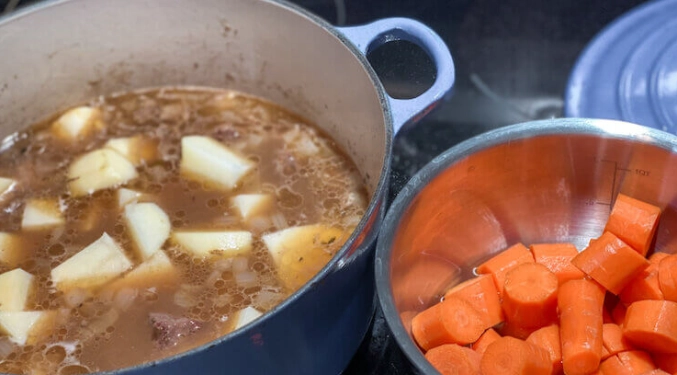
Now go find a chuck roast. Your future self, on some busy weeknight, will thank you for the leftovers.
Reader Comments