Let's cut straight to the chase. Do you slow cook pulled pork on high or low? If you want meat that shreds with a fork, melts in your mouth, and has depth of flavor, the answer is almost always low. The high setting on your slow cooker is a trap for pulled pork. It promises a faster meal but delivers a drier, tougher, and frankly, inferior result. I've cooked hundreds of pork shoulders over the last decade, and the difference isn't subtle.
This isn't just about following a rule; it's about understanding the science of tough cuts. Pork shoulder (or butt) is loaded with connective tissue and collagen. That's what makes it so flavorful and also what makes it chewy if you cook it wrong. Your goal isn't just to cook the meat until it's safe to eat (which happens relatively quickly), but to transform that tough collagen into rich, silky gelatin. That transformation requires time and gentle heat.
What You'll Learn in This Guide
Why "Low and Slow" is the Undisputed Champion
Think of your slow cooker as a gentle, steamy environment. On the low setting (usually around 190-200°F or 88-93°C), the temperature is just high enough to break down collagen without aggressively squeezing out all the moisture. It's a controlled, even process.
On high (around 280-300°F or 138-149°C), the heat is more intense. The outer layers of the meat cook much faster than the interior. This can cause the muscle fibers to contract violently, pushing precious juices out into the pot long before the collagen in the center has had a chance to properly render. You end up with meat that's technically cooked, maybe even shreddable, but it'll be stringy, dry, and lack that luxurious, unctuous mouthfeel.
The key takeaway: High heat cooks the meat. Low heat transforms the meat. For pulled pork, you're aiming for transformation.
Here's a specific, rarely mentioned pitfall: the "temperature stall." When cooking large cuts like pork shoulder, the internal temperature often plateaus around 150-170°F (65-77°C) for hours as moisture evaporates and cools the meat. This is normal and part of the process. On low heat, the slow cooker gently powers through it. On high, the cooker's aggressive heat can fight against this stall, often resulting in a rock-hard, dried-out exterior before the interior is done. I've seen it happen—the outside looks overcooked and crusty, while a thermometer probe meets resistance in the still-tough center.
High vs Low Settings: A Direct Comparison
Let's make this crystal clear. For a standard 4-6 pound (1.8-2.7 kg) boneless pork shoulder, here's what you're signing up for:
| Setting | Approx. Cook Time | Final Texture | Flavor Development | Risk Factor |
|---|---|---|---|---|
| LOW (Recommended) | 8-10 hours | Extremely tender, juicy, shreds effortlessly. | Deep, rich, well-integrated flavors. | Very low. Forgiving and hands-off. |
| HIGH (Not Recommended) | 4-6 hours | Can be shreddable but often drier, stringier, tougher. | Flavors can taste separate, less "melted" together. | High. Easy to overcook and dry out. |
Notice the time difference? You're saving maybe 4 hours by using high. Is it worth compromising the entire dish, the one you spent money on groceries for and planned your meal around? I don't think so. Plan ahead. Start it in the morning for dinner, or even better, let it go overnight. The low setting is the set-it-and-forget-it promise of the slow cooker, realized.
A crucial note on food safety: The USDA states that pork should be cooked to a minimum internal temperature of 145°F (63°C) with a rest time, but for shredded pork from a large shoulder, you need to go much higher—around 195-205°F (90-96°C)—to break down the collagen. Both high and low settings on a modern slow cooker will reach this temperature zone eventually. The safety concern is the time spent in the "danger zone" (40-140°F / 4-60°C). A cold roast placed in a pre-heated slow cooker on low will pass through this zone safely. Never start with a frozen roast.
Your Foolproof Step-by-Step Guide to Low Heat Pulled Pork
Here’s exactly what I do, every single time, for perfect results.
1. Choosing and Prepping the Pork
Get a pork shoulder (Boston butt), bone-in or boneless. Bone-in adds flavor and is harder to overcook, but boneless is easier to shred. Aim for 4-6 lbs. Pat it completely dry with paper towels—this helps the rub stick and promotes better browning. Don't skip the rub. A simple mix of 2 tbsp brown sugar, 1 tbsp paprika, 2 tsp salt, 1 tsp black pepper, 1 tsp garlic powder, and 1/2 tsp cayenne works wonders. Massage it all over. For an extra layer, sear the roast in a hot skillet for 2-3 minutes per side until browned. It's not mandatory, but it adds incredible depth.
2. The Slow Cooker Setup
Place a roughly chopped onion and a few smashed garlic cloves in the bottom of the pot. This creates a rack to keep the meat out of its own fat drippings and adds aroma. Place the rubbed pork on top. Add liquid, but not too much—about 1/2 cup of apple cider vinegar, broth, or even just water is plenty. The meat will release its own juices. Do not submerge the roast.
3. The Long, Slow Cook
Put the lid on. Set it to LOW. Walk away. For 8 hours minimum. Don't peek. Every time you lift the lid, you release heat and steam and add 15-20 minutes to your cook time. Trust the process.
4. Testing for Doneness and Shredding
After 8 hours, check. The meat should be pulling away from the bone (if present), and a fork inserted and twisted should meet zero resistance. If it doesn't shred easily, give it another 30-60 minutes. Once done, transfer the pork to a large bowl or baking sheet. Let it rest for 15-20 minutes—this lets the juices redistribute. Then, use two forks or (my preference) clean hands to shred it, discarding any large fat chunks. Skim the fat from the cooking liquid left in the pot.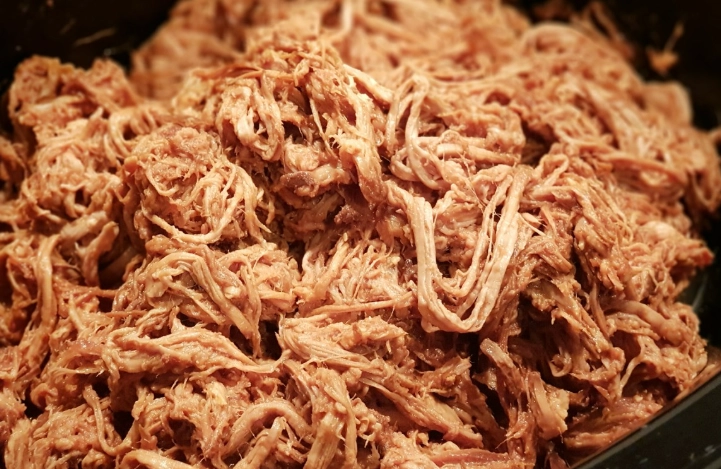
5. The Final, Critical Step: Saucing
Here's another pro move: don't just dump a bottle of BBQ sauce onto the shredded meat. It gets soggy. Toss the shredded pork with about 1-2 cups of the defatted, flavorful cooking liquid first. This re-moisturizes it perfectly. Then, if you want, mix in your favorite BBQ sauce to taste, or serve it on the side. This gives you control over sauciness and texture.
Pro Tips & Common Mistakes to Avoid
- Don't Overcrowd: Your slow cooker should be 1/2 to 2/3 full for best heat circulation.
- Don't Add Dairy or Delicate Veggies Early: Things like potatoes or carrots can go in at the start, but if you want to add bell peppers or other crisp-tender veggies, add them in the last 1-2 hours on low.
- Use the Cooking Liquid: That liquid is gold. Use it to moisten the meat, as a base for gravy, or to cook rice. Don't pour it down the drain.
- The Overnight Method: If making for lunch, start it before bed on low. 10-12 hours on low for a large roast is often perfect. Modern slow cookers are safe for this.
- My Personal Favorite Rub Addition: A tablespoon of instant espresso powder. It doesn't make it taste like coffee; it adds a deep, earthy, roasted note that complements the pork beautifully.
Your Pulled Pork Questions Answered
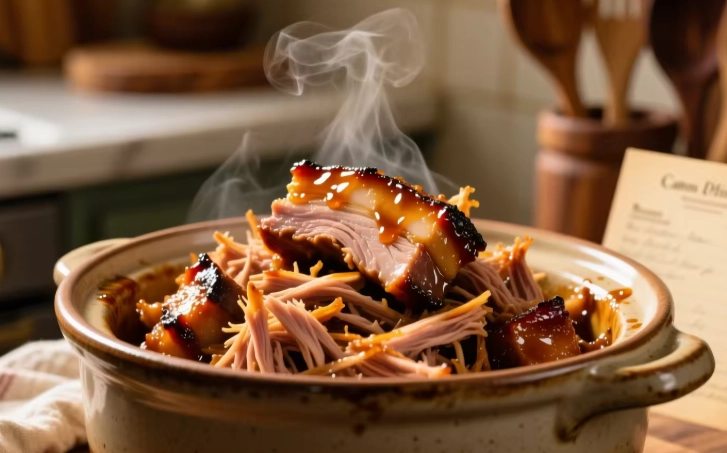
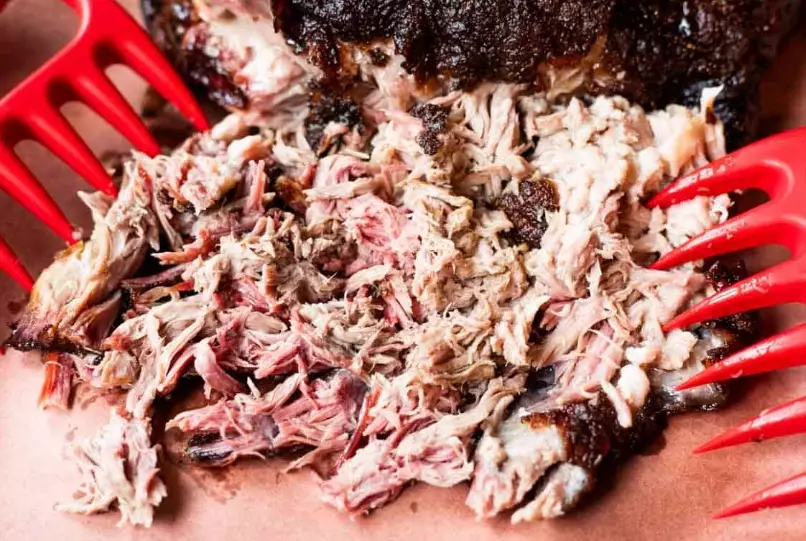
So, the next time you're staring at your slow cooker, wondering "Do you slow cook pulled pork on high or low?", remember this: low heat isn't just a setting; it's the secret to transforming a tough, inexpensive cut into a spectacular, crowd-pleasing feast. Give it the time it deserves, and it will reward you with every juicy, flavorful bite.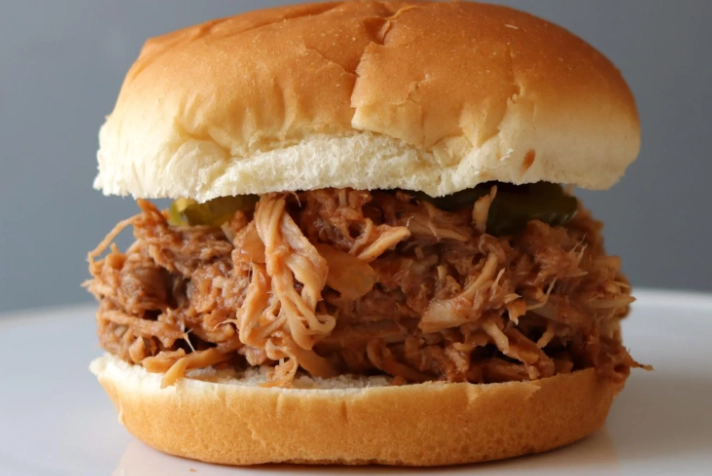
Reader Comments